Moncton Scrap Car Recycling: Compete Beyond One Buyer
The Small Yard That Stopped Getting Lowballed
Here's a problem every small recycler knows. You've got a load of non-ferrous sitting in the yard. You call your one buyer. They quote you a number. You have no idea if it's fair — and you take it anyway, because what else are you going to do?
That's not a negotiation. That's a guessing game where the other side has all the information. For small operations doing scrap car recycling in Moncton or anywhere else in New Brunswick, it's a familiar situation. And it's one that platforms like SMASH are designed to fix.
This article is about how small Canadian recyclers can compete with the big operations — not by spending more money or hiring more staff, but by accessing the same market visibility that the big yards have always had.
Why Small Recyclers Get Squeezed — And Why It's a Data Problem
Large recycling operations have leverage. They move volume. They have relationships with multiple buyers. When a major yard in southern Ontario sells a skid of catalytic converters, they already know what platinum, palladium, and rhodium prices are doing. They've got a contact at three different processors and they let those processors compete. The price they land is closer to actual market value.
A small yard in Moncton — or anywhere in Atlantic Canada — often doesn't have that luxury. You're working with one or two buyer relationships built over years. Those relationships aren't bad, but they're not competitive. When your buyer knows you don't have anywhere else to go, the price reflects that.
This is the gap SMASH was built to close. Not by replacing buyer relationships, but by putting verified buyers in a room — digitally — and letting them compete for your loads.
Catalytic Converter Recycling in Canada: Where Small Yards Leave Money Behind
Catalytic converters are one of the most value-dense items a scrap yard processes. The PGMs inside — platinum, palladium, and rhodium — are commodities traded globally. Rhodium prices alone have seen swings that would make stock traders sweat. Yet most small recyclers sell their cats the same way they sell steel: one buyer, one phone call, one price that may or may not reflect what the market is actually doing.
The problem is documentation. Large processors require accurate serial numbers, photo documentation, and verified counts before they'll compete aggressively for a load. That's where small yards often fall short — not because they don't have good inventory, but because they haven't built a documentation workflow. A buyer won't bid confidently on a load they can't verify.
SMASH's inventory tool changes that. Serial tracking, VIN lookups, and photo documentation give your cats a professional presentation before they ever hit the auction. Documented inventory gives buyers more confidence — and more confidence means more competitive bids. Explore SMASH Recycling's auction platform to see how the listing process works for catalytic converters and other high-value non-ferrous materials.
A New Brunswick Yard's Shift: From One Buyer to a Competitive Market
Consider how this plays out in practice. A small recycling operation in New Brunswick — let's say they're processing anywhere from 15 to 40 end-of-life vehicles a month. They pull cats, strip copper wiring, recover aluminum rims, and sell the hulks. Their revenue is real, but the margins are tight and they've always assumed that's just the nature of the business.
When that kind of yard starts listing through a SMASH scrap metal auction, a few things shift immediately. First, the documentation process forces them to get organized. Counts are accurate. Photos are taken. Serial numbers are logged. That discipline alone catches discrepancies that were silently costing money.
Second, multiple vetted buyers now see that inventory. Not just the one local contact they've been calling for years — but verified buyers across Canada who are actively looking for cats, copper, and cores. The price discovery that happens in a competitive auction isn't magic. It's just math. More buyers competing for a fixed supply pushes the number toward actual market value.
Third, auto-invoicing and BOLs stop being a headache. The paperwork that used to take hours gets handled through the platform. That's time back in the yard.
For anyone offering Moncton scrap metal services, that kind of operational shift isn't just about a better price on one load — it compounds over a full year of transactions.
What the Big Yards Know About Price Discovery That Small Yards Can Use Too
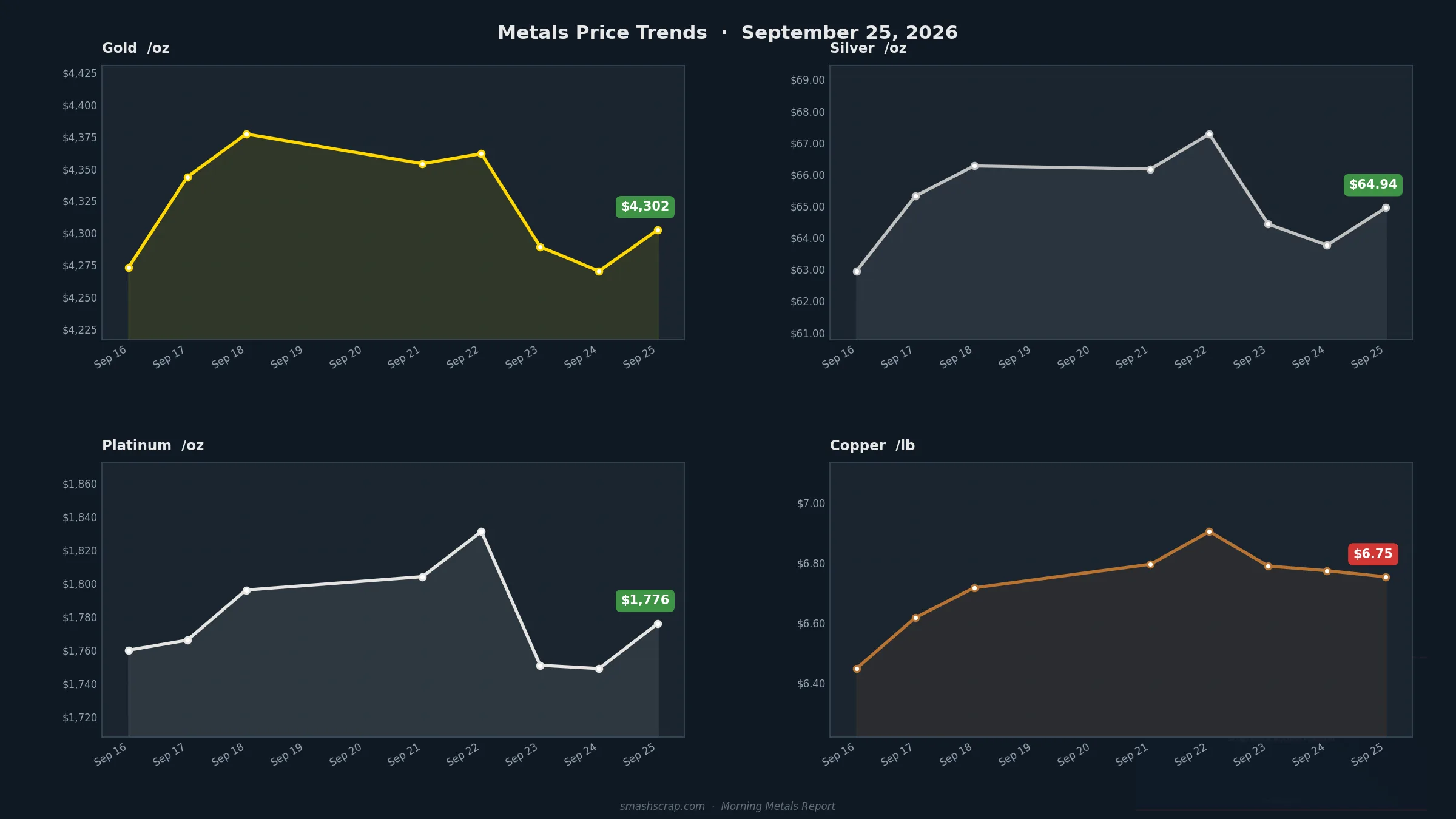
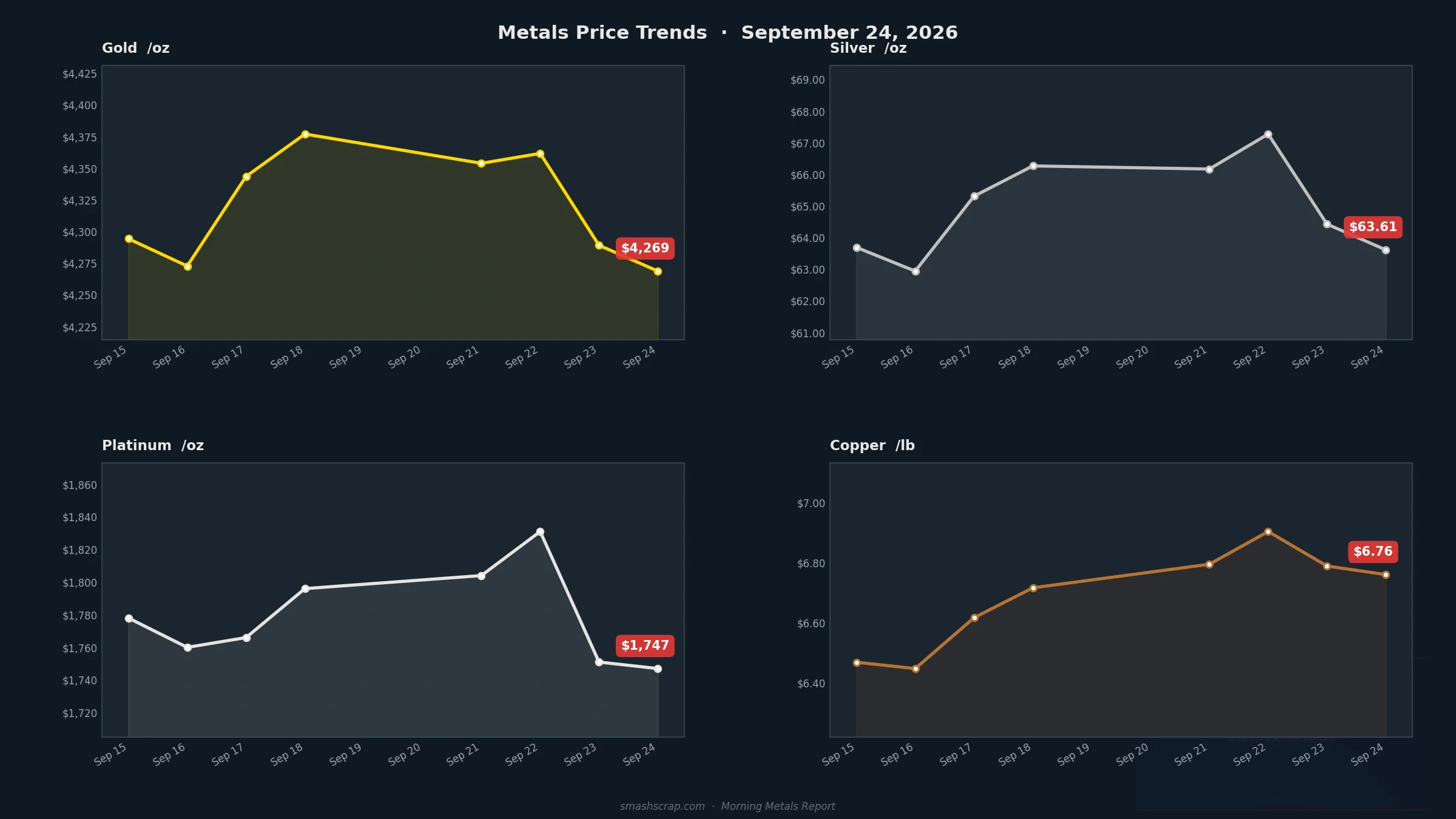
Here's what large operations understand that smaller yards often don't: the posted price is a starting point, not the final word. Scrap metal prices in Canada today fluctuate with LME movements, currency shifts, and regional supply conditions. The yard that tracks those movements and times their loads accordingly does better than the yard that just calls when the bin is full.
You don't need a full-time analyst to do this. You need access to market-aware buyers who are bidding based on current conditions. When your loads are live on an auction platform, the bids themselves tell you where the market is. That's real-time price data without a subscription fee or a Reuters terminal.
Industry organizations like the Automotive Recyclers of Canada (ARC) and the Ontario Automotive Recyclers Association (OARA) have long advocated for standardized documentation and professional practices across Canadian auto recycling operations. Those standards exist because documentation and transparency directly affect what recyclers can expect to receive for their inventory. The same logic applies here: a well-documented, professionally presented load sells better than a vague description over the phone.
Small yards in Moncton and across Atlantic Canada already do the hard work. They process the vehicles, recover the materials, and manage the environmental compliance. The gap isn't in the yard — it's in how the inventory reaches buyers. SMASH Scrap — where verified buyers bid on your metal — is built to close exactly that gap.
How to Start Competing Like a Larger Operation Without Acting Like One
You don't need to change how you run your yard. You need to change how your inventory reaches the market. Here's where to focus:
- Document everything before it ships. Cats, cores, copper — if it has a serial number or a VIN, log it. Photo documentation removes buyer uncertainty and directly affects bid confidence.
- Stop selling to one buyer by default. A single-buyer relationship feels comfortable, but comfort has a cost. Competition reveals market value. One buyer without competition does not.
- Understand what's in your non-ferrous before you price it. Platinum, palladium, and rhodium prices shift constantly. Know roughly what's in your cats and list accordingly. Don't accept a number that doesn't reflect current PGM conditions.
- Use the tools that remove friction. Auto-invoicing, packing lists, BOLs — these aren't administrative luxuries. They're what professional buyers expect. If your documentation is clean, buyers bid with more confidence.
- Let the auction do the work. You set the inventory up correctly and vetted buyers compete. That's the model. You don't need to out-negotiate anyone — you just need enough buyers in the room.
SMASH charges no subscription fee. The platform only works when the seller works. That alignment matters for a small yard watching every line item on the P&L. Read the latest from SMASH Recycling for ongoing insights on scrap metal prices, catalytic converter markets, and auction platform updates relevant to Canadian recyclers.
The Playing Field Isn't Level — But It's Closer Than It Was
Large operations will always have volume advantages. That's not changing. But the information gap — the one that let big buyers lowball small yards for decades — is closeable. Scrap metal recycling in Canada is increasingly driven by documentation, transparency, and access to competitive buyers. Those aren't things that only large yards can have.
If you're running a small or mid-size operation anywhere in Canada — including yards doing scrap car recycling in Moncton and across New Brunswick — the tools that used to be available only to high-volume operators are now accessible without a six-figure tech budget or a fleet of salespeople. You just need to start listing differently.
The old way — one buyer, one phone call, one number you can't verify — isn't a business model. It's a habit. Break it. Join Canada's B2B scrap marketplace on SMASH Recycling and find out what your inventory is actually worth when buyers have to compete for it.
Frequently Asked Questions
Q: How can a small recycling yard in Moncton compete with larger operations on catalytic converter prices?
The key is access to competitive buyers, not just volume. When you list documented catalytic converter inventory through an auction platform like SMASH, multiple vetted buyers bid against each other. That competition — not your scale — is what drives price closer to actual market value. Documentation matters: serial tracking and photos give buyers the confidence to bid aggressively.
Q: What are the current scrap metal prices in Canada today?
Scrap metal prices in Canada fluctuate daily based on LME commodity movements, exchange rates, and regional supply conditions. Platinum, palladium, and rhodium prices — critical for catalytic converter recycling — can shift significantly week to week. Always check current market rates before listing or accepting a price. SMASH auctions reflect live buyer demand, which is one of the most accurate price signals available.
Q: Is a B2B scrap metal marketplace like SMASH practical for a small New Brunswick yard?
Yes. SMASH has no subscription fee, which removes the risk barrier for smaller operations. The platform is designed to work for yards of any size — the documentation tools, VIN lookup, and auction format are built for efficiency, not just volume. A small yard in New Brunswick with well-documented inventory competes on the same platform as a large Ontario operation.
Q: How does the SMASH auction platform handle catalytic converters and other high-value non-ferrous materials?
SMASH's inventory tool supports serial tracking, photo documentation, and packing lists specifically for high-value items like cats, copper, and cores. Sellers list their documented inventory, and vetted buyers place competitive bids. Auto-invoicing and BOL generation handle the paperwork side after the auction closes. The whole process is designed to reduce friction and increase price transparency.
Q: Do I need to be a large operation to sell scrap car recycling inventory through SMASH?
No. SMASH is built for yards of all sizes across Canada, including smaller operations doing scrap car recycling in Moncton and Atlantic Canada. The platform is free to list on — SMASH only earns when the seller earns. There's no minimum volume requirement. If you have documented inventory and want vetted buyers competing for it, the platform is designed for you.
Stay current on scrap metal market conditions, catalytic converter pricing, and Canadian recycling industry news — follow SMASH on LinkedIn for regular updates from inside the industry.