Catalytic Converter Grading Markham: Boost Auction Bids
Most yards leave money on the table before a single bid is placed. Not because their metal isn't valuable — but because the listing doesn't tell buyers enough to compete confidently. In catalytic converter recycling Canada, that gap between a vague listing and a documented one can mean the difference between one lowball offer and a room full of serious bidders. Grading is the foundation. Get it wrong and you're guessing. Get it right and you're negotiating from a position of strength.
This article breaks down how scrap metal grading works in the context of Canadian auction listings, why it matters for catalytic converter prices today, and how SMASH Recycling helps yards across Ontario — including automotive recyclers in Markham — list loads that actually attract competitive bids.
---What Scrap Metal Grading Actually Means
Grading isn't paperwork for the sake of paperwork. It's the language buyers use to decide what something is worth. When a buyer sees a listing, they're making a risk calculation. If your load is vague — "mixed cats," no photos, no documentation — they discount hard to protect themselves. If your load is graded, documented, and accurate, they can bid what the material is actually worth.
In the scrap industry, grading separates material by composition, purity, condition, and source. For non-ferrous metals like copper, it's the difference between bare bright wire and contaminated mixed copper — two materials with very different market values. For catalytic converters, grading involves identifying the specific unit, confirming it hasn't been tampered with, and documenting the precious metal content potential based on type and condition.
Here's what grading typically covers in a well-structured auction listing:
- Material type: copper, aluminum, stainless steel, catalytic converters, cores
- Grade or classification: bare bright, #1, #2, mixed, aftermarket vs. OEM
- Condition: clean, contaminated, damaged, complete vs. gutted
- Weight or lot size: confirmed weight, unit count, or estimated volume
- Documentation: photos, VIN lookups (for cats), serial tracking, packing lists
Every one of those data points reduces buyer risk. Lower risk means higher bids. It's not complicated — but it requires discipline that the old phone-call-and-handshake model never demanded.
---Why Grading Matters More for Catalytic Converter Recycling in Canada
Catalytic converter recycling Canada is a high-stakes category. The precious metals inside — platinum, palladium, and rhodium — are among the most volatile commodities in the recycling market. Platinum, palladium, and rhodium prices shift significantly based on global supply chains, automotive production cycles, and mining output. A load that's worth serious money today can look very different on paper if it's not graded correctly.
Buyers who specialize in cats are sophisticated. They know the difference between a GM domestic catalytic converter and an aftermarket replacement. They know which OEM units carry higher PGM (platinum group metal) content. They know what a gutted cat looks like in a photo. When your listing doesn't show that level of detail, they either walk away or bid defensively low.
Proper grading for a cat listing should include:
- Unit identification: OEM vs. aftermarket, make/model where available
- VIN lookup documentation: confirms the unit matches the vehicle it came from
- Photos of both ends and the substrate: buyers need to confirm the honeycomb is intact
- Count and estimated weight: total units in the lot, weight per unit if possible
- Condition notes: cracked housing, loose substrate, torch damage, or clean pulls
Yards in Markham and across Ontario that consistently grade their cat loads this way report fewer buyer disputes and stronger competitive interest. That's not an accident — it's what happens when documentation removes uncertainty from the equation.
SMASH Recycling's platform includes VIN lookup and serial tracking tools built specifically to support this level of documentation. You're not filling out a form for its own sake — you're building the case that earns buyer confidence.
---Grading by Metal Type: A Practical Reference for Ontario Yards
Not every load is catalytic converters. Here's how grading logic applies across the metals that move through most Canadian recycling yards.
Copper Scrap
Copper scrap prices in Ontario vary significantly based on grade. The spread between bare bright (#1 copper wire, uncoated, unalloyed) and mixed copper can be substantial per pound. If you're listing copper as "mixed" when it qualifies as #1, you're paying for someone else's sorting margin.
- Bare bright: uncoated, unalloyed, clean wire — top of market
- #1 copper: clean pipe, bus bars, clippings — no solder, no paint
- #2 copper: mixed, some contamination, coated wire — discounted
- Mixed/light copper: contaminated, alloyed — lowest grade
Aluminum
Aluminum grading separates cast from extrusion, clean from painted or contaminated. A load of clean extrusion mixed with painted cast aluminum will price as the lowest-grade component unless it's sorted and listed correctly. Buyers need to know what they're bidding on.
Stainless Steel
Grade 304 and grade 316 stainless carry different values. Mixing them in a listing and calling it "stainless" invites conservative bids. If you can XRF test or separate by source, document it. Buyers who specialize in stainless will pay accordingly.
Automotive Cores and Parts
Cores — starters, alternators, radiators, electric motors — have specific grading standards tied to remanufacturing value or melt value. A listing that identifies the core type and confirms completeness (no stripped terminals, no missing components) gives buyers the confidence to bid on remanufacturing value, not just melt.
---The Old Way vs. The SMASH Way: What Grading Unlocks
The old model worked like this: you called your one buyer, described the load in general terms, and accepted whatever they offered. There was no competition. There was no documentation requirement. And there was no way to know if you left money on the table — because you never found out what someone else would have paid.
That system rewarded buyers. Not yards.
When you sell scrap metal online through a competitive auction platform like SMASH, grading becomes your leverage. A documented load attracts more vetted buyers. More buyers means more bids. More bids means better price discovery — you find out what the market actually thinks your material is worth, not what one buyer decided to tell you.
For automotive recyclers in Markham and across Ontario, that shift is significant. The GTA scrap market is active, but it's also dominated by a small number of large buyers who've traditionally set pricing. An auction format with proper documentation changes that dynamic. Your well-graded cat load or copper shipment is now visible to vetted buyers across Canada — not just the one who happens to answer the phone.
You can explore SMASH Recycling's auction platform to see how the listing process is structured to support proper grading — including photo documentation, inventory tools, and the BOL and packing list workflows that serious buyers expect.
---How to Grade Your Loads Before Listing: A Step-by-Step Approach
If you're new to structured auction listings or want to tighten up your current process, here's a practical framework for grading loads before they go live on any B2B platform.
- Sort before you list. Mixed loads sell for mixed prices. If you can separate by grade, do it before you photograph or weigh.
- Weigh accurately. Estimated weights with high error margins invite conservative bids. Confirmed weights build trust and attract serious buyers.
- Photograph thoroughly. For cats: both ends, the substrate visible. For copper: show the grade clearly — coated vs. bare. For cores: confirm completeness. Poor photos are treated as red flags.
- Run VIN lookups on catalytic converters. SMASH's built-in VIN lookup tool helps you document that units match their source vehicles — critical for buyers who need provenance.
- Write honest condition notes. Cracked housing, torch damage, or contamination aren't deal-breakers for buyers who know what they're doing — but surprises after the bid is placed are. Disclose accurately.
- Prepare your BOL and packing list. Buyers who move volume need clean paperwork. A load that comes with a proper Bill of Lading and packing list is easier to bid on and easier to process.
Organizations like the Ontario Automotive Recyclers Association (OARA) and the Automotive Recyclers of Canada (ARC) have long emphasized documentation and traceability as best practices for the industry. Structured auction listings are a natural extension of those standards — and platforms built around transparency make compliance easier, not harder.
For yards looking to tighten up their process, read the latest from SMASH Recycling — the blog covers pricing trends, listing best practices, and how Canadian yards are using competitive auctions to improve their outcomes.
---What Strong Grading Means for Metal Recycling Prices in Ontario
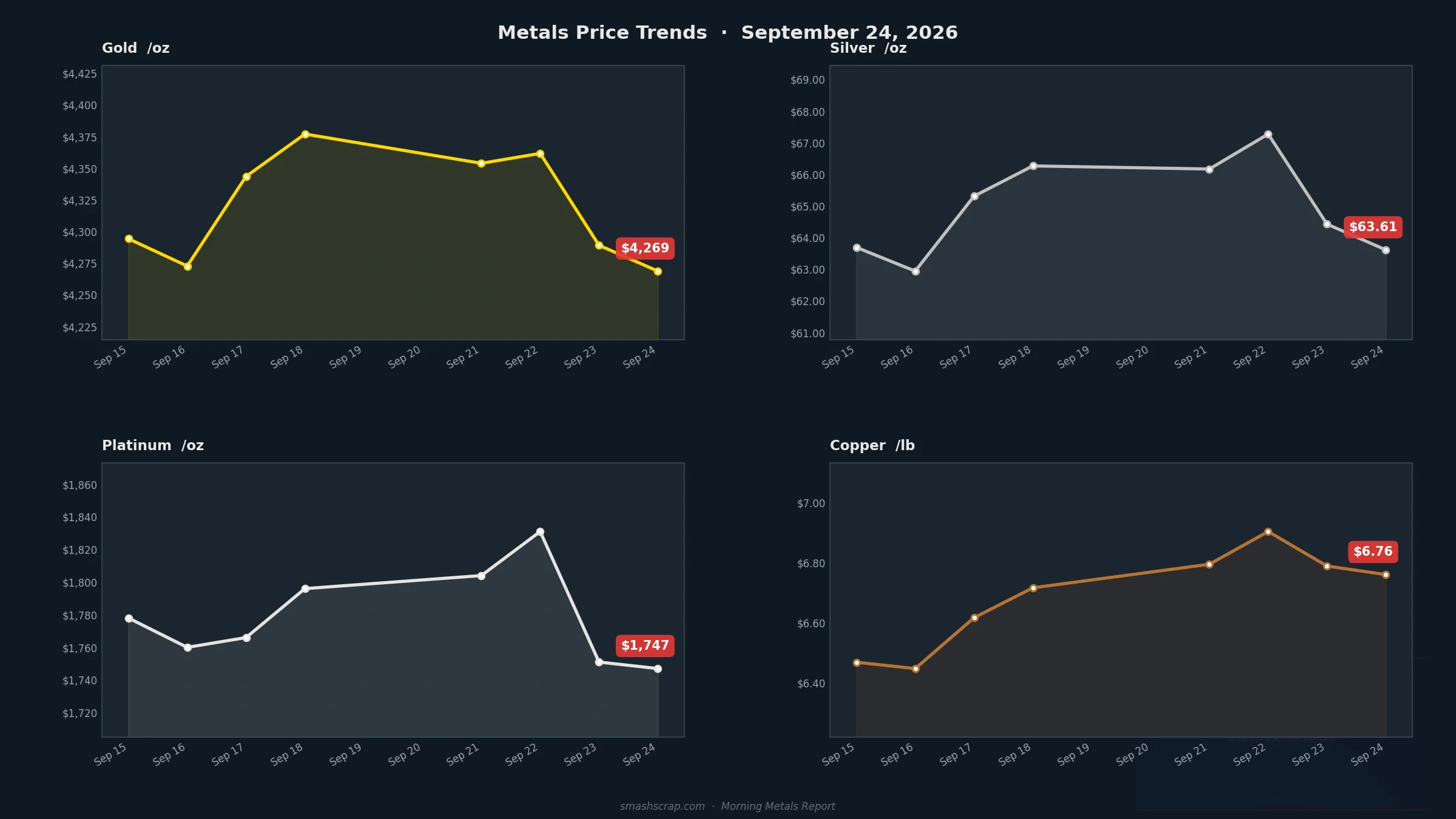
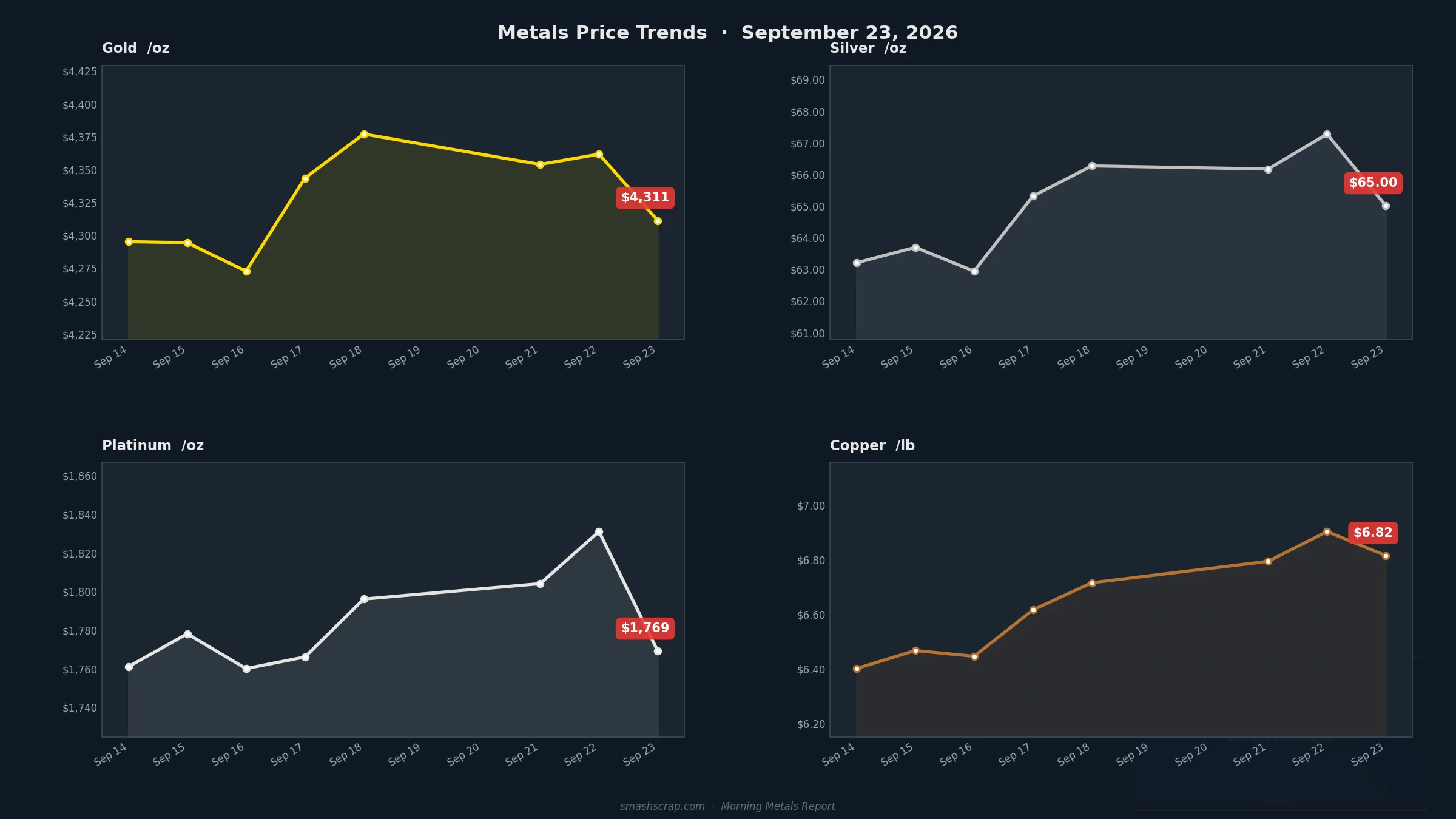
Metal recycling prices Ontario aren't a fixed number. They're a range — and where you land in that range depends heavily on how well your material is presented and how much competition you generate for it. Platinum, palladium, and rhodium prices fluctuate based on global PGM markets. Copper prices move with LME benchmarks. What doesn't have to fluctuate is your ability to capture fair value for your loads.
Grading is the mechanism that connects documented material to competitive pricing. It's not a guarantee — markets move and not every load will attract the same buyer interest. But a well-graded, well-documented listing gives you the best possible foundation to find out what your material is actually worth in a competitive market.
If you're running a yard in Markham or anywhere across Ontario and you're still relying on one buyer and one phone call, you're operating without price discovery. That's a structural disadvantage, and it compounds over time. Platforms like North America's B2B scrap metal auction platform exist specifically to fix that — vetted buyers, auction format, transparent bids, no subscription fees.
Canada's scrap market is too active and too valuable to leave to guesswork. If you're ready to list your loads where vetted buyers compete for them, join Canada's B2B scrap marketplace on SMASH Recycling and start with a properly graded listing. The platform handles the structure — you bring the material.
---Disclaimer: Metal recycling prices — including platinum, palladium, rhodium, and copper — fluctuate based on global market conditions. The pricing context in this article reflects general market dynamics as of August 2026. Always check current rates before pricing or listing a load.
---Frequently Asked Questions
Q: What is scrap metal grading and why does it matter for auction listings?
Grading classifies your material by type, composition, condition, and purity. In a competitive auction, a graded and documented listing reduces buyer risk — which translates to more bids and better price discovery. Vague listings get discounted; precise listings get competed on.
Q: How does catalytic converter recycling work in Canada for B2B sellers?
In Canada, B2B catalytic converter recycling typically involves collecting units from vehicle dismantling, grading them by type and condition, and selling to specialized processors who recover platinum group metals. Platforms like SMASH Recycling allow yards to list documented cat lots for competitive auction, reaching vetted buyers across the country rather than relying on a single local buyer.
Q: What affects catalytic converter prices today in Canada?
Cat prices are driven by the spot prices of platinum, palladium, and rhodium on global commodity markets, the specific unit type (OEM vs. aftermarket, vehicle make/model), and the condition of the substrate. Canadian yards should monitor PGM markets regularly — prices can shift significantly within a single week. Always check current rates before listing.
Q: Are there automotive recyclers in Markham, Ontario, using online auction platforms?
Yes. Automotive recyclers across the Greater Toronto Area, including Markham, are increasingly using B2B auction platforms to access a wider buyer pool and reduce dependence on single-buyer relationships. SMASH Recycling is designed specifically for this market — no subscription fees, vetted buyers, and a documentation-forward listing process.
Q: What documentation do I need to sell catalytic converters online through a B2B platform?
At minimum, you'll need clear photos of each unit (both ends and substrate), a unit count and estimated weight, condition notes, and ideally VIN lookup documentation to confirm provenance. SMASH Recycling's platform includes built-in VIN lookup and serial tracking tools to support this documentation process, which makes listings more credible and competitive bids more likely.
---Stay current on scrap metal market trends, grading standards, and auction insights — follow SMASH Recycling on LinkedIn for regular updates from inside the Canadian scrap industry.