Saint John Scrap Metal: How Logistics Crush Margins
Why Logistics Can Make or Break Your B2B Scrap Metal Deal
You got the price right. The load is sorted. The buyer is ready. Then the freight quote comes in and kills the margin. Sound familiar? In B2B scrap metal trading, logistics isn't a footnote — it's often the difference between a profitable load and one you wish you'd never moved. Understanding how shipping, handling, and documentation affect metal recycling prices Canada-wide is essential for any yard operator serious about the bottom line.
This isn't a conversation most sellers have until they're already losing money. Let's change that. Whether you're moving aluminum out of Saint John or shipping copper concentrate across the country, here's what you actually need to know about logistics in B2B scrap trading — and how the right platform changes the equation entirely.
The 5 Logistics Factors That Directly Affect What You Net on a Scrap Load
Price discovery is only half the battle. What you net after transport, handling, and documentation is the number that actually matters. These five factors hit hardest on real loads.
- Freight distance and mode. Flatbed, intermodal, LTL, full container — each has a different cost profile. A non-ferrous load moving from New Brunswick to a major processing hub in Ontario or Quebec will eat freight fast if you're not running full truckloads. Short-haul moves within the Maritimes can be cost-effective, but they depend on density and material value. Aluminum, for example, has lower weight-to-value density than copper or catalytic converters, so freight cost per dollar of material is higher.
- Material preparation and sorting. Unsorted mixed loads cost more to ship and typically attract lower bids. Buyers discount for uncertainty. A baled aluminum load ships more efficiently and commands better pricing than loose clip. Pre-sorting before you list a load — even basic separation of ferrous from non-ferrous — improves both your freight efficiency and your bid outcomes. Platforms that support photo documentation let buyers see exactly what they're getting, which reduces discount pressure.
- Documentation accuracy. Bills of lading (BOLs), packing lists, serial tracking for regulated materials like catalytic converters — missing or inaccurate paperwork creates delays at every handoff. A misdescribed load can get held at a facility, disputed on delivery, or rejected outright. Auto-invoicing tied to your auction record closes that gap. The load description that went to auction becomes the invoice and the BOL reference. No translation errors.
- Pickup timing and yard throughput. A buyer who can't arrange pickup for three weeks isn't a good buyer for a time-sensitive load. This matters more than most sellers realize. Yards running tight on floor space — especially in high-volume periods — need logistics-aware buyers who can commit to pickup windows, not just offer competitive prices on paper.
- Weight verification and shrinkage. Shipping weight versus settled weight is a real issue on ferrous loads and certain non-ferrous categories. Establish your tare weights clearly. Document pre-shipment weights with photos. Disputes after delivery are expensive — in time, in relationships, and sometimes in legal exposure.
How B2B Auction Platforms Change the Logistics Conversation
The old way: you called your one buyer, they quoted you a price net of freight they arranged. You had no idea if that freight deduction was fair. You had no visibility into what other buyers in the network would have paid — or how they would have handled pickup. You just took it.
A real B2B scrap metal marketplace flips this. When multiple vetted buyers compete on a load, logistics becomes part of the competitive dynamic. Some buyers have regional freight advantages. A buyer with a facility in Halifax or Moncton might offer better net pricing on a Saint John load than a buyer in Toronto, not because they're paying more per tonne, but because their transport cost is lower — and competitive pressure pushes them to pass that along.
That's genuine price discovery. Not guessing. Not hoping your single buyer is being straight with you. Explore SMASH Recycling's auction platform to see how competitive bidding works on real scrap loads across Canada.
SMASH also supports the documentation infrastructure that makes logistics cleaner. Inventory built through the platform — with VIN lookup for automotive loads, serial tracking for catalytic converter cores, and photo documentation — travels with the load through the transaction. Buyers bid with confidence. Disputes shrink. Pickups go smoother because everyone is working off the same verified record.
Aluminum Recycling in Saint John: A Regional Logistics Snapshot
Saint John sits at an interesting logistics crossroads. It's a major port city with container infrastructure, rail access, and highway connections into the broader Maritimes network. For yards moving non-ferrous material — aluminum extrusion, cast aluminum, radiators, wire — that's a real advantage for certain load types. Export-grade aluminum bales, for instance, can move through Saint John's port more efficiently than routing through central Canadian processing hubs for some international buyers.
That said, regional volume matters. Aluminum recycling Saint John operators know that aggregating loads is often the only way to make freight economics work. A single pallet of aluminum radiators doesn't justify a dedicated truck. Building load quantities before going to market — and using an auction to maximize price discovery once you hit volume — is the smart play. If you're sourcing locally across the Saint John area and New Brunswick, your Saint John scrap metal services options have expanded significantly with online auction platforms that connect you to buyers well beyond the Maritimes.
Industry organizations like the Automotive Recyclers of Canada (ARC) and the Ontario Automotive Recyclers Association (OARA) have long emphasized documentation standards and material handling best practices for automotive-sourced scrap. For yards in New Brunswick processing end-of-life vehicles, following these standards isn't just good practice — it makes your loads easier to move, easier to price, and less likely to get disputed post-delivery.
Selling Scrap Metal Online: What Logistics Transparency Actually Looks Like
There's a difference between listing material online and actually selling scrap metal online with logistics built into the process. A lot of platforms treat logistics as the seller's problem — post your load, find your buyer, figure out shipping yourself. That works if you have established freight relationships. It fails everyone else.
What logistics transparency actually looks like in a functional B2B auction:
- Buyer pickup commitments tied to the auction close — not vague "we'll arrange it" language
- Load specifications visible to bidders — weight, form factor (loose, baled, shredded), photo documentation, material grade
- Auto-invoicing that matches the lot description, removes manual re-entry errors, and gives both parties a clean paper trail
- Vetted buyers only — freight disputes and slow pickups are almost always a buyer qualification problem in disguise
- GST/HST handling built into the transaction record — especially important for cross-provincial loads where tax treatment differs
When the logistics layer is clean, metal recycling prices New Brunswick yards actually receive reflect real market value — not market value minus a freight mystery discount.
Comparing Logistics Models: Old-School vs. Auction Platform
Let's put this side by side. Not as a pitch — as a practical comparison for yard operators making decisions about how they move material.
- Single-buyer phone call model: One price, one freight quote you can't verify, no competitive pressure, documentation built manually, disputes resolved by whoever has more leverage. Works fine when relationships are strong and volumes are consistent. Breaks down when relationships sour, prices drop, or you have irregular load types.
- Online auction model: Multiple vetted buyers, competitive bids that reflect regional logistics realities, documentation built into the listing, auto-invoicing on close. More buyers means better price discovery. Documented inventory gives buyers more confidence — and confident buyers bid higher. No subscription fees on SMASH means you're not paying to access competition; you only pay when a deal closes.
Neither model is perfect for every load. But for non-ferrous material, automotive cores, catalytic converter lots, and any load where price variance across buyers is meaningful, the auction model consistently surfaces better information — and usually better net pricing. You can join Canada's B2B scrap marketplace on SMASH Recycling and test that directly on your next load.
For more insight into how Canadian scrap operators are navigating pricing, documentation, and market shifts in 2026, read the latest from SMASH Recycling. You can also find additional resources and buyer information at smashscrap.com.
Getting Your Logistics Right Before You List
A load that's ready to ship is worth more than a load that isn't. Before you list anything on any platform, run through this checklist:
- Is the material sorted and graded? Buyers discount for uncertainty. Remove that variable.
- Do you have accurate pre-shipment weights documented?
- Is your photo documentation current and clearly showing material condition?
- For catalytic converter lots — are serial numbers logged and matched to your inventory?
- Do you have a realistic pickup window to communicate to buyers?
- Is your GST/HST registration current and your tax documentation clean for cross-provincial transactions?
Running through these steps before listing doesn't just protect you from disputes — it signals professionalism to buyers, which directly influences bidding behavior. Documented inventory gives buyers more confidence. More confidence means tighter, more competitive bids.
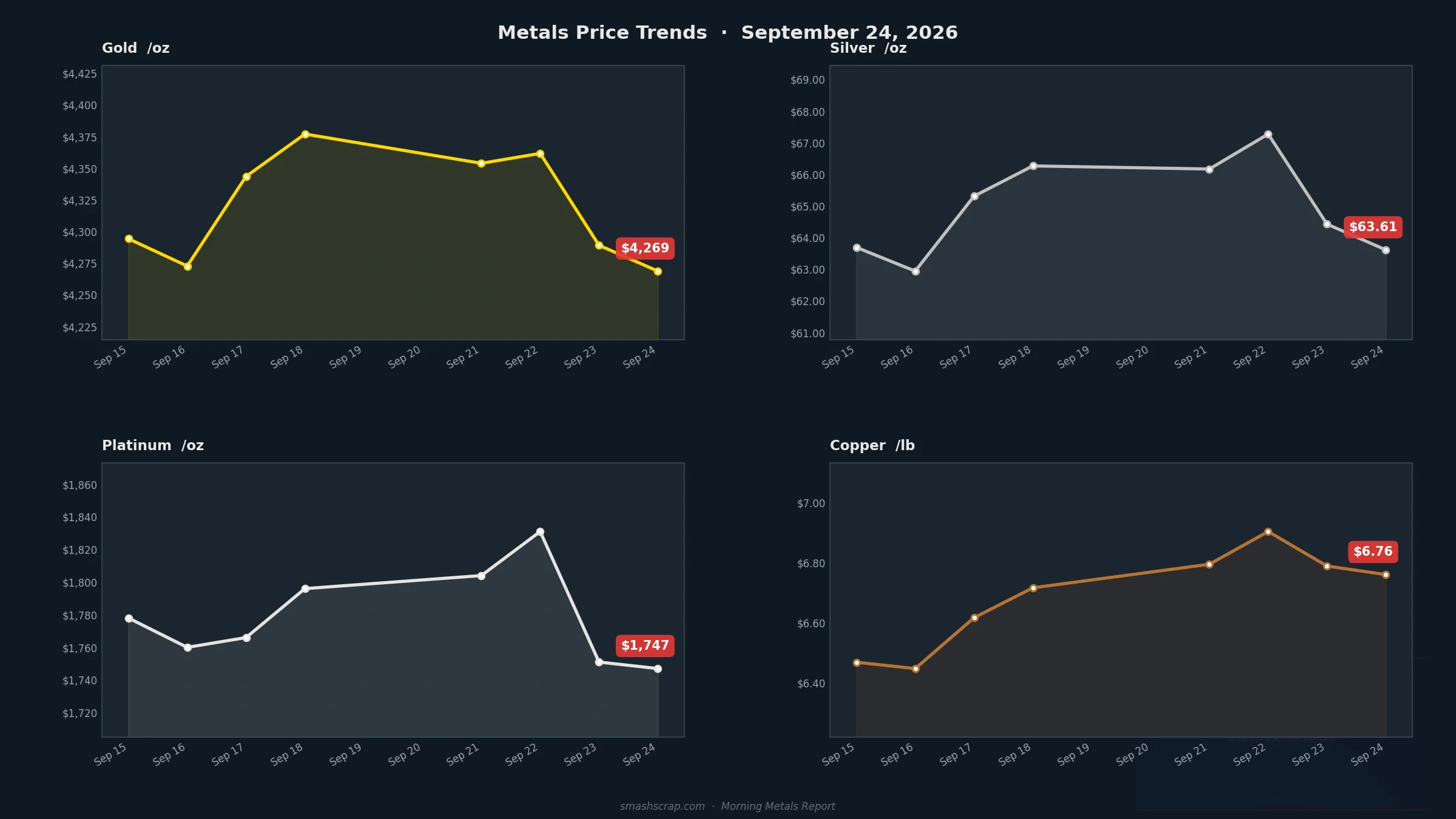
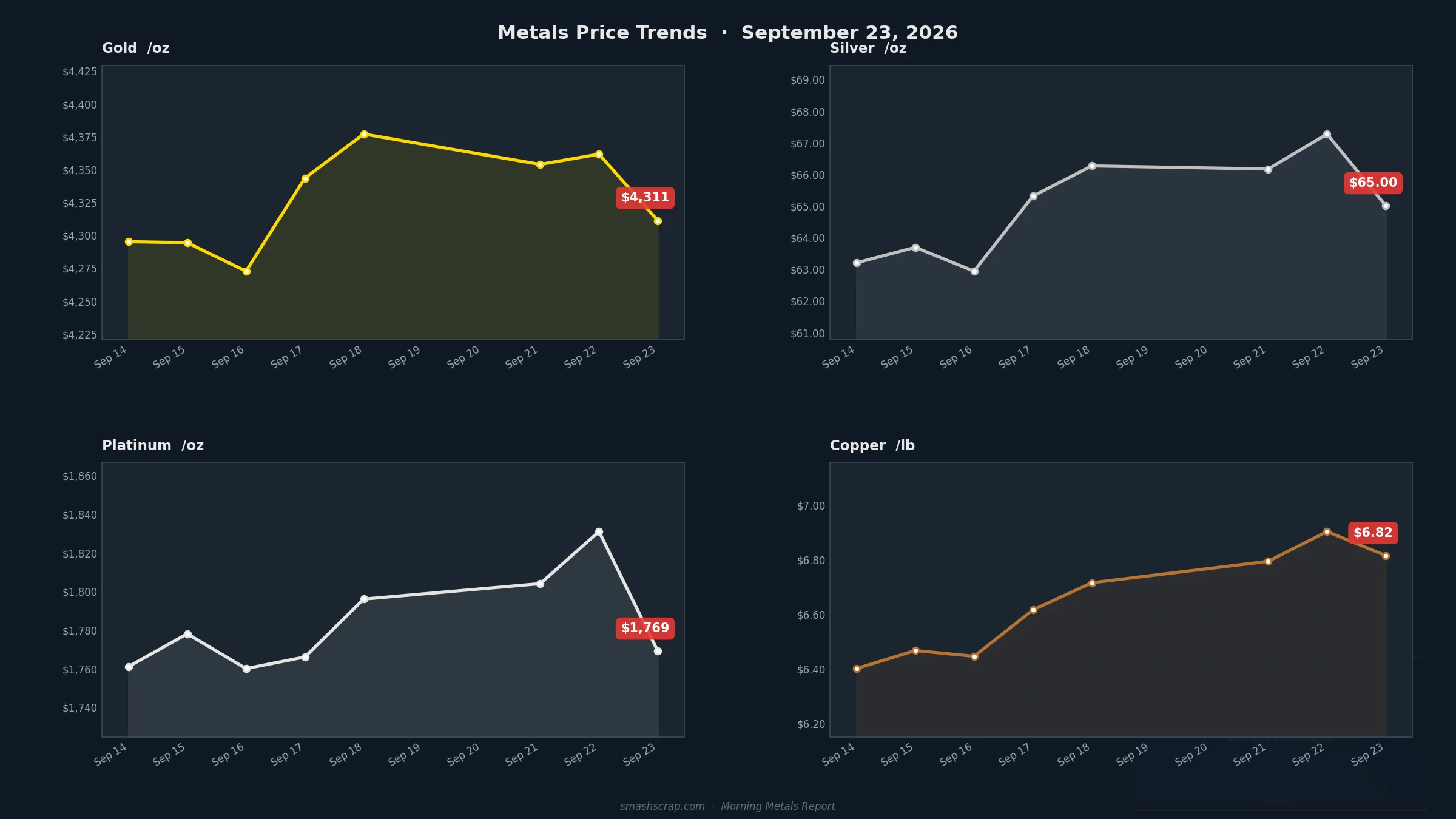
Scrap metal markets in 2026 are active. Copper, aluminum, and platinum group metals — palladium, rhodium, platinum — are all moving. Catalytic converter pricing remains a category where documentation and buyer competition matter enormously to final net value. If your logistics and paperwork are dialed in, you're in position to capture that value. If they're not, someone else in the chain is capturing it for you.
If you're operating in Saint John or anywhere across New Brunswick and you're ready to stop leaving margin on the table, the next step is straightforward. Join Canada's B2B scrap marketplace — register at smashrecycling.ca and put your next load in front of vetted buyers who compete for it.
Frequently Asked Questions
Q: How do metal recycling prices in Canada get affected by shipping costs?
Freight is typically deducted from gross material value, so the further a load travels, the more shipping erodes your net price. Working with multiple buyers who have different regional locations — like through a competitive auction — lets logistics economics work in your favour, not against you. Buyers closer to your yard can often bid net prices that distant buyers can't match, even at the same gross price per tonne.
Q: What documents do I need to ship scrap metal in New Brunswick?
At minimum, you'll need an accurate bill of lading (BOL) and packing list describing material type, estimated weight, and grade. For automotive cores and catalytic converters, serial number documentation is increasingly expected by buyers and may be required by provincial regulations. Proper GST/HST documentation matters for cross-provincial transactions — ensure your registration is current before moving loads interprovincially.
Q: Is there a scrap metal auction platform that serves Saint John and the Maritimes?
Yes. SMASH Recycling operates a B2B scrap metal auction platform serving yards and buyers across Canada, including operators in Saint John and throughout the Maritimes. The platform connects sellers with vetted buyers, supports photo documentation and serial tracking, and handles auto-invoicing with GST/HST built in. There are no subscription fees — SMASH only earns when a deal closes.
Q: How do I get better prices for aluminum recycling in Saint John?
Preparation matters most. Sorted, baled, or clearly graded aluminum consistently commands better pricing than mixed or loose loads. Beyond preparation, selling through a competitive auction — rather than a single buyer — means the market sets your price, not one buyer's margin target. Aggregating load volume before going to market also improves freight economics and buyer interest.
Q: What's the difference between selling scrap metal online and using a B2B auction platform?
A general online listing gets you visibility. A B2B auction platform gets you competition. Vetted buyers bidding against each other on documented, photo-verified loads surfaces real market pricing rather than a single buyer's offer. Platforms like SMASH also handle the transaction infrastructure — invoicing, documentation, GST/HST — so the logistics of closing a deal are built into the process, not left to the seller to figure out separately.
Stay current on scrap metal market trends, pricing shifts, and platform updates by following SMASH on LinkedIn — industry insights posted regularly for Canadian scrap operators and buyers.