Hamilton Recyclers: Navigate Provincial Rules & Win
How Canadian Recyclers Are Navigating Provincial Regulations — and Winning on the B2B Market
Here's a reality check most recyclers don't talk about openly: the rules governing scrap metal in Canada aren't uniform. A recycler operating in British Columbia faces a completely different regulatory environment than one running a yard in Manitoba or Hamilton, Ontario. And yet, the Canadian scrap metal market functions as one interconnected ecosystem — prices, demand signals, and auction opportunities flow across provincial borders every single day. Understanding where regulation meets opportunity is the difference between a thriving operation and one that's constantly playing catch-up.
This article digs into how Canadian recyclers — from small-town yards to large urban processors — are adapting to provincial regulations in 2026, and how platforms like SMASH Recycling's auction platform are helping sellers move metal faster and more compliantly than ever before.
The Patchwork of Provincial Scrap Metal Regulations in 2026
Canada has no single federal statute that governs how scrap metal is bought, sold, processed, or reported. Instead, regulation happens at the provincial level — and in some cases, at the municipal level. This creates a genuinely complex landscape for any recycler operating across regions.
Here's a snapshot of how key provinces approach scrap regulation in 2026:
- Ontario: Recyclers must comply with the Resource Recovery and Circular Economy Act, which governs extended producer responsibility (EPR) programs for electronics, batteries, and automotive materials. The Ontario government has continued to expand EPR obligations in 2026, putting more responsibility on producers and recyclers alike to document material flows. Yards dealing in catalytic converters and e-waste face additional record-keeping obligations.
- British Columbia: BC's Recycling Regulation under the Environmental Management Act covers a wide range of materials. The province mandates stewardship programs for electronics, tires, and lead-acid batteries — all categories that intersect heavily with the scrap metal trade.
- Manitoba: Scrap car recycling in Manitoba is governed partly through the Green Manitoba initiative and through municipal licensing of scrap dealers. Scrap car recycling in Manitoba, Canada has seen increased scrutiny around fluid removal and chassis documentation, especially for end-of-life vehicles sold across provincial lines.
- Alberta: The province's Beverage Container Recycling and broader waste reduction framework touches aluminum and ferrous streams. Alberta recyclers dealing in automotive scrap must also adhere to the Environmental Protection and Enhancement Act.
- Quebec: Quebec's EPR framework is among the most developed in Canada, with clear rules around hazardous materials in scrap streams, including lead and mercury from automotive components.
The common thread? Documentation, traceability, and accountability are increasing everywhere. Industry organizations like the Ontario Automotive Recyclers Association (OARA) and the Automotive Recyclers of Canada (ARC) have been instrumental in helping recyclers stay ahead of regulatory changes, offering training, compliance resources, and advocacy at both provincial and federal levels. For any recycler in Ontario, OARA membership is increasingly seen as a baseline credential — not a nice-to-have.
E-Waste and Catalytic Converter Regulations: Two Categories Facing Intense Scrutiny
If there are two material streams drawing the most regulatory attention in the Canadian scrap metal market right now, they're e-waste and catalytic converters. Both categories involve high-value materials, complex handling requirements, and significant theft or fraud risk — which is exactly why provincial governments are tightening the rules.
E-waste recycling in Hamilton and across Ontario is governed under the Resource Recovery and Circular Economy Act, which requires registered recyclers to report tonnage, material types, and downstream processing partners. For recyclers in Hamilton — a city with a dense industrial and manufacturing base — this means maintaining thorough documentation for every load of circuit boards, hard drives, and electronic assemblies that moves through the yard. Failure to comply can result in fines or loss of operating licences.
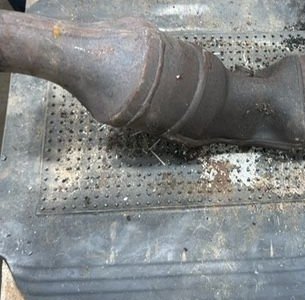
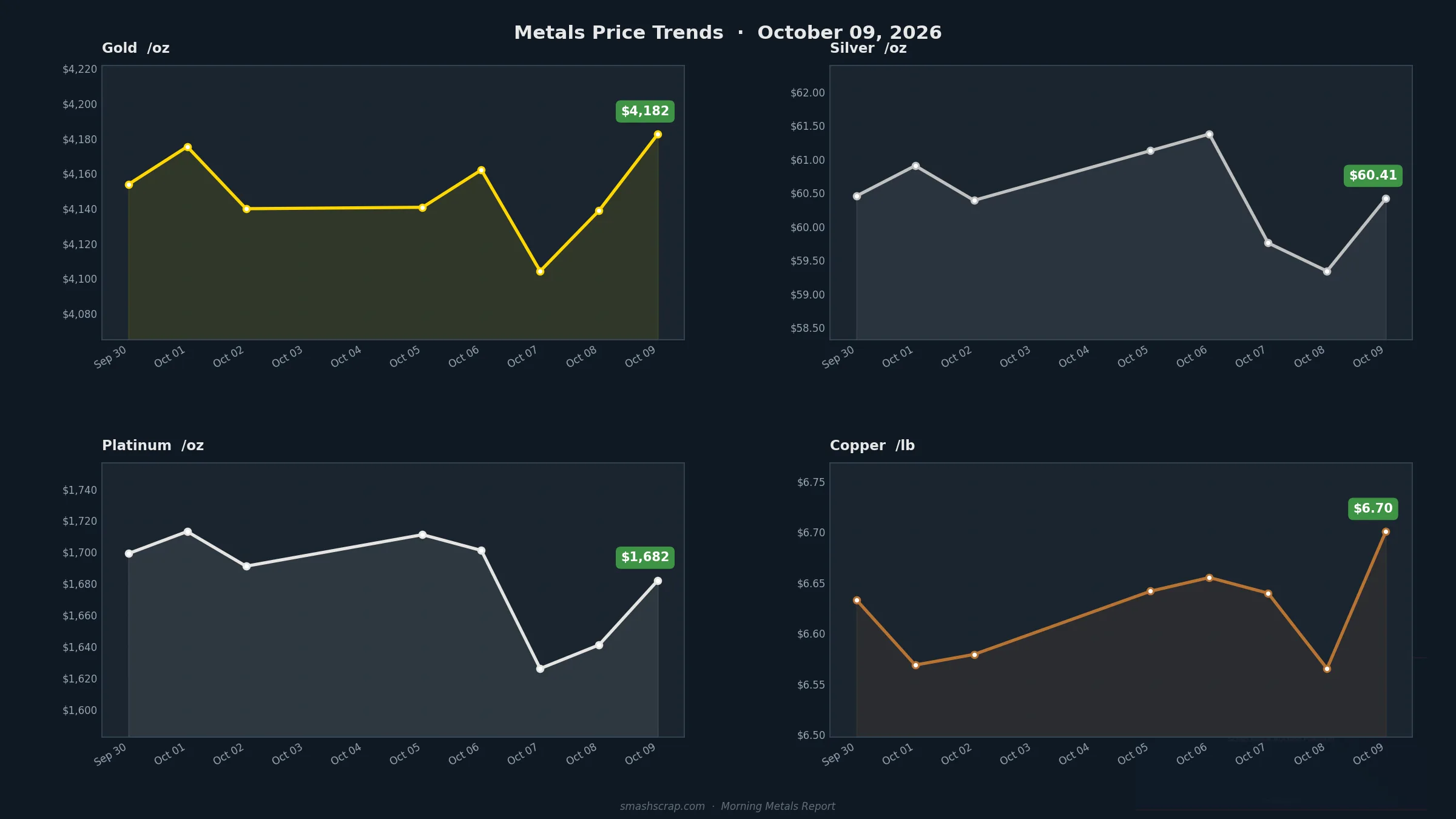
Catalytic converters are a different kind of challenge. They contain platinum, palladium, and rhodium — three precious metals whose prices can swing dramatically with global demand. Catalytic converter prices today are influenced by automotive production rates, EV adoption curves, and international commodity markets. In 2026, both platinum and palladium prices remain volatile, making converter valuation a moving target.
Several provinces have introduced or tightened secondary-market rules for converters, requiring sellers to provide vehicle ownership documentation and photo ID before a transaction is completed. This is partly a theft deterrent — converter theft remains a significant problem in urban centres — and partly a traceability measure. For legitimate recyclers, these requirements are manageable. The bigger issue is ensuring you're getting fair catalytic converter auction prices, not just compliant ones. That's where transparent B2B platforms matter enormously.
How Hamilton Recyclers Are Turning Compliance Into Competitive Advantage
Hamilton has always been a steel city — but in 2026, it's evolving into something broader: a regional hub for full-cycle metal recycling, including aluminum, copper, and specialty metals from automotive and electronics streams. The city's proximity to the Golden Horseshoe manufacturing corridor means a consistent inflow of industrial scrap, end-of-life vehicles, and post-production offcuts.
Recyclers using Hamilton scrap metal services connected to a B2B auction platform are finding that compliance and profitability aren't opposing forces — they reinforce each other. When your documentation is clean and your material streams are properly categorized, you can attract better buyers. Institutional buyers, smelters, and downstream processors pay a premium for lots they can trace — because they face their own regulatory obligations downstream.
Here's how compliant Hamilton operators are structuring their advantage:
- Pre-sort by grade before listing: Properly graded copper, aluminum, and ferrous lots attract more competitive bids on auction platforms. Buyers don't want to speculate — they want certainty.
- Document everything: Weight tickets, material certifications, vehicle titles for automotive scrap. Clean paperwork moves faster and commands better prices.
- Understand metal-specific pricing cycles: Copper scrap prices follow LME benchmarks closely. Aluminum recycling prices can shift weekly based on primary aluminum production data. Knowing your timing gives you leverage.
- Use auction rather than spot trades for high-value lots: For catalytic converters and electronics-derived metals, auction format consistently outperforms phone-based spot quotes.
The OARA and ARC both emphasize that professional yard management — including regulatory compliance — directly supports better commercial outcomes. It's not just about avoiding penalties; it's about building the kind of operational credibility that attracts serious buyers.
The B2B Auction Advantage in a Regulated Market
One of the most significant shifts in the Canadian scrap metal market over the past few years has been the migration of serious volume to digital B2B auction platforms. And the regulatory environment is accelerating this trend. Here's why: when regulations require documented transactions, a platform that generates automatic records, timestamps, and buyer-seller trails becomes a compliance asset — not just a sales tool.
SMASH is built specifically for this reality. When you join Canada's B2B scrap marketplace on SMASH Recycling, every transaction is documented, every bid is recorded, and every deal creates a traceable paper trail that satisfies provincial record-keeping requirements. For Hamilton recyclers navigating Ontario's increasingly detailed reporting obligations, that's not a minor benefit — it's operational infrastructure.
The auction model also solves a pricing problem that plagues manual quote processes. Scrap metal prices today — whether you're looking at copper, aluminum, or platinum-group metals from converters — can shift between morning and afternoon. A competitive auction with multiple registered buyers ensures you capture current market value, not yesterday's quote from a single buyer with no competitive pressure.
For recyclers looking to sell catalytic converters online, SMASH's auction platform connects verified Canadian sellers with a network of qualified buyers — reducing fraud risk and ensuring fair, market-driven prices. North America's B2B scrap metal auction platform is designed to handle exactly these kinds of high-value, compliance-sensitive transactions at scale.
What the Future Looks Like for Scrap Metal Recycling Across Canada
The regulatory trajectory is clear: more documentation, more traceability, and more producer responsibility across every province. The recyclers who thrive in this environment won't be the ones who resist these requirements — they'll be the ones who systematize compliance and use it to differentiate themselves in the marketplace.
From scrap metal recycling in Ontario to scrap car recycling in Manitoba, the businesses posting consistent wins in 2026 share a few common traits: they invest in proper yard management, they stay connected to industry organizations like OARA and ARC, and they use technology — including B2B auction platforms — to maximize the commercial value of every material stream.
Aluminum recycling prices, copper scrap values, palladium and rhodium from converters — all of these represent real revenue that can be optimized or left on the table depending on how you sell. The market rewards preparation. To stay informed on pricing trends, regulatory updates, and platform news, read the latest from SMASH Recycling and stay ahead of shifts before they affect your margins.
If you're running a recycling yard, managing a fleet disposal program, or sourcing industrial scrap in Canada, now is the time to move your transactions to a platform built for the modern, regulated Canadian market. Register at smashrecycling.ca and start putting your material in front of the buyers who will pay what it's actually worth.
Disclaimer: Scrap metal prices — including copper, aluminum, platinum, palladium, and rhodium — fluctuate daily based on market conditions. Always check current rates before making buying or selling decisions.
Frequently Asked Questions
Q: Are scrap metal regulations the same across all Canadian provinces?
No. Canada regulates scrap metal at the provincial level, meaning rules around licensing, record-keeping, and material handling vary significantly between Ontario, British Columbia, Manitoba, Alberta, and Quebec. Recyclers operating across provincial borders need to understand each jurisdiction's specific requirements. Industry organizations like ARC provide resources to help navigating this complexity.
Q: What documentation do I need to sell catalytic converters legally in Ontario?
In Ontario, selling catalytic converters through licensed scrap dealers typically requires proof of vehicle ownership or source documentation, photo identification, and a completed transaction record. These requirements exist to deter theft and ensure material traceability. Using a B2B platform like SMASH automatically generates transaction records that satisfy these documentation obligations.
Q: How does e-waste recycling in Hamilton work under Ontario's regulations?
Hamilton recyclers handling e-waste must comply with Ontario's Resource Recovery and Circular Economy Act, which requires registration, material reporting, and documentation of downstream processing partners. The OARA offers guidance specific to automotive electronics streams. Proper compliance protects your licence and makes your operation more attractive to institutional buyers.
Q: What is the best way to get fair prices for scrap metal in the Canadian market today?
The most reliable method is using a competitive B2B auction platform where multiple verified buyers bid on your material simultaneously. Single-buyer spot quotes often undervalue metal because there's no competitive pressure. Auction platforms like SMASH ensure you capture current market value for copper, aluminum, catalytic converters, and other high-value scrap streams.
Q: Does scrap car recycling in Manitoba follow the same rules as Ontario?
Not exactly. Manitoba's framework for end-of-life vehicle recycling is governed through different provincial legislation and the Green Manitoba initiative, with emphasis on fluid removal, chassis documentation, and dealer licensing. Ontario's framework, meanwhile, is shaped by EPR obligations under the Resource Recovery and Circular Economy Act. Recyclers moving vehicles across provincial lines must understand both regulatory environments.
Stay current with the Canadian scrap metal market — follow SMASH on LinkedIn for industry updates, regulatory news, and real-time scrap metal market insights from across Canada.