Vancouver Scrap Metal: Verified Buyers & Better Prices
This Week in Canadian Scrap: How SMASH Connects Recyclers with Verified Buyers
What if every scrap metal load you brought to market was seen by dozens of verified, motivated buyers — without a single phone call? That's not a future promise. That's what's happening right now across Canada's B2B scrap marketplace, and Vancouver recyclers are taking full advantage. As we close out May 2026, this week's market recap looks at how scrap metal recycling Vancouver operations are using SMASH to reach national buyers, lock in better prices, and cut through the inefficiency that has plagued the industry for decades.
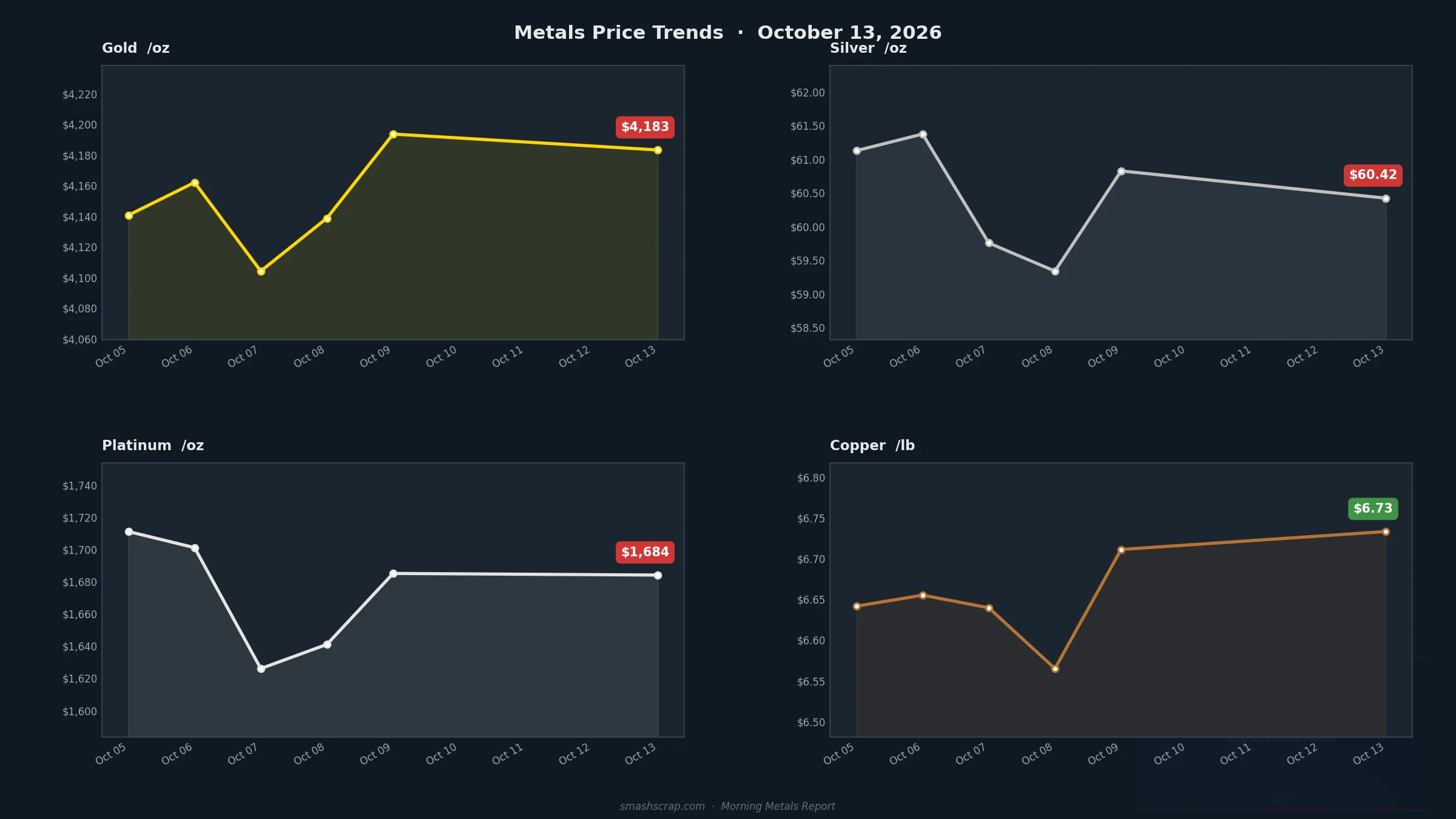
The scrap metal landscape in British Columbia has been particularly active this spring. Copper, aluminum, and catalytic converter volumes are moving, precious metal spot prices — including platinum, palladium, and rhodium — have been shifting week over week, and buyers across the country are competing for quality inventory. The recyclers winning in this environment aren't the ones waiting by the phone. They're the ones listing on transparent auction platforms and letting the market come to them.
Why Verified Buyers Change Everything for Scrap Metal Recycling in Vancouver
Every recycler has a story about a buyer who disappeared after pricing a load, offered well below market, or delayed payment until it became a collections issue. These aren't rare incidents — they're industry-wide friction points that cost Canadian recyclers real money every year. The difference a verified buyer network makes is hard to overstate.
On SMASH, buyers go through a vetting process before they ever place a bid. That means when a Vancouver scrap yard lists a truckload of shredder-ready steel, a pallet of stripped copper wire, or a collection of catalytic converters, every bid comes from a buyer who has been confirmed as a legitimate, active Canadian metal purchaser. No tire-kickers. No lowball offers from anonymous accounts. Just real market competition from real industry participants.
- Copper scrap prices are highly sensitive to London Metal Exchange (LME) movements — verified buyers on SMASH understand this and price accordingly
- Catalytic converter prices today reflect platinum, palladium, and rhodium spot values — verified buyers with up-to-date assay access bid more accurately
- Steel, aluminum, and e-scrap all benefit from competitive bidding rather than single-buyer price-take-it-or-leave-it scenarios
- Transparent transaction records protect both sides — sellers in Vancouver and buyers across Canada have a clear paper trail
This week, sellers using explore SMASH Recycling's auction platform reported competitive bid activity across multiple metal categories. The auction format means no seller has to accept the first number they're given. When buyers compete, sellers win.
The B2B Scrap Metal Auction Platform Model: A Weekly Recap of What's Working
Let's talk mechanics. The scrap metal auction platform model that SMASH operates on is fundamentally different from traditional scrap transactions. In a conventional sale, a recycler calls a yard or broker, gets a single quote, negotiates briefly if they're experienced enough to know the number is low, and either takes it or spends more time shopping it around manually. That process takes hours and still often results in a below-market outcome.
On a B2B auction platform, the seller posts their inventory — detailed descriptions, weights, grades, photos, location — and the platform pushes that listing to a network of qualified buyers. Those buyers have a defined window to bid. The seller sees all bids in real time. The highest verified offer wins. The entire process is faster, more transparent, and statistically more likely to return a price closer to or above the seller's target.
This week's standout categories on the SMASH platform included:
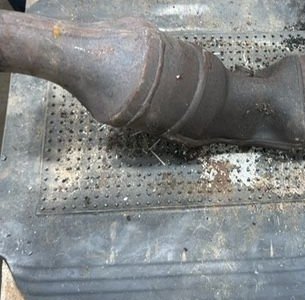
- Catalytic converters — Precious metal content remains a major driver. With platinum, palladium, and rhodium prices continuing to fluctuate in 2026, sellers who list converters on an auction platform rather than accepting a flat dealer quote are consistently capturing more value. If you're looking to sell catalytic converters online, the auction model is the single most effective way to do it.
- Copper scrap — Stripped wire, bus bar, and #1 bare bright copper all saw strong buyer interest this week. Copper scrap prices remain among the most competitive in the non-ferrous space.
- Auto salvage material from Ontario — Auto salvage Ontario Canada operations continued to list de-polluted vehicle bodies, late-model parts inventories, and ferrous bulk lots. Ontario's density of automotive dismantlers makes it one of the highest-volume regions on the platform.
- Shredder-ready steel — Ferrous volumes out of British Columbia moved well this week, with multiple Vancouver-area listings attracting out-of-province bids.
For a deeper look at how the auction model benefits different material types, read the latest from SMASH Recycling — the blog covers pricing trends, platform updates, and practical tips for getting the most from your listings.
Scrap Metal Prices Today: What Vancouver and BC Recyclers Should Know This Week
Prices are moving. That's the short version of this week's market recap. Longer version: the factors driving scrap metal prices today across Canada are a combination of global commodity shifts, domestic demand from Canadian mills and processors, and the ongoing volatility in precious metals that directly affects catalytic converter values.
In British Columbia, recyclers dealing in non-ferrous metals — particularly copper, aluminum, and catalytic converter material — are seeing the impact of international market dynamics play out locally. The LME copper price has remained a key benchmark, and regional scrap copper prices in Vancouver tend to track within a predictable margin of that number, adjusted for local logistics and processor demand.
For catalytic converters specifically, the precious metal content story in 2026 continues to be complex. Platinum prices, palladium prices, and rhodium prices all move independently and are influenced by separate supply and demand factors — including South African mining output, automotive OEM shift toward electrification, and secondary market supply from converters coming off older vehicle fleets. Sellers who understand the assay value of their converters — not just the "street price" — are the ones positioned to capture fair market value through a competitive auction.
Disclaimer: All scrap metal prices fluctuate daily based on commodity markets and regional demand. Always check current rates before making selling decisions. The figures and trends referenced here reflect general market direction as of late May 2026 and are not guaranteed pricing.
Industry associations like the Automotive Recyclers of Canada (ARC) and the Ontario Automotive Recyclers Association (OARA) provide ongoing guidance on best practices for Canadian recyclers navigating price volatility. Their standards help ensure that automotive recycling operations — from scrap car recycling Vancouver to Ontario dismantlers — operate with the transparency and professionalism that makes B2B transactions function smoothly.
SMASH Scrap: How the Platform Serves Metal Recycling Ontario and Western Canada
One of the most consistent questions new users ask about SMASH scrap is whether the platform works equally well for operations outside of Ontario. The answer is yes — and Vancouver is proof of that. The platform is built to serve Canadian recyclers coast to coast, and the verified buyer network includes purchasers in every major Canadian market.
For metal recycling Ontario operations, the platform connects high-volume automotive dismantlers, electronics recyclers, and industrial scrap generators with buyers who can handle large lots and provide competitive, documented bids. For British Columbia operations — including Vancouver scrap metal services — the platform offers access to buyers who aren't limited by local market conditions. A Vancouver recycler listing a significant copper or aluminum lot isn't limited to what local buyers are willing to pay that week. They're accessing national demand.
This geographic reach matters more than many recyclers initially realize. Local scrap markets can be constrained by regional processing capacity, seasonal buyer demand, and the simple fact that there are only so many buyers making calls in any given area. A national B2B auction platform breaks that constraint entirely. Your inventory is visible to every verified buyer on the network, regardless of where they're located.
You can also find additional tools, pricing resources, and industry news at smashscrap.com — a companion resource for Canadian scrap professionals navigating market complexity.
Getting Started: What Canadian Recyclers Do This Week to List Smarter
The recyclers getting the best results on SMASH this week aren't necessarily the largest operations. They're the most prepared. A well-documented listing — accurate weight estimates, clear material grades, quality photos, and honest condition descriptions — consistently outperforms a vague post, regardless of the underlying metal value. Buyers bid more aggressively when they have confidence in what they're purchasing.
Here's what high-performing sellers do before every listing:
- Weigh and grade material accurately — don't round down or overstate quality
- Photograph the full lot, including any mixed or contaminated material (transparency builds buyer trust)
- Include pickup or logistics details upfront — buyers price logistics into their bids, so clarity helps
- Set a realistic reserve based on current spot prices — not last month's rates
- List early in the week to maximize buyer exposure time
Whether you're a small Vancouver-area recycler with a partial truckload of copper or a large auto salvage operation in Ontario moving dozens of catalytic converters weekly, the process scales. SMASH is built for both.
As we head into June 2026, market conditions remain dynamic. The recyclers who will capture the most value over the next quarter are those who stop relying on single-buyer relationships and start leveraging competitive, transparent platforms. If this week's recap has you thinking about how your operation approaches selling, now is the right time to act on that. Join Canada's B2B scrap marketplace on SMASH Recycling and put your inventory in front of verified buyers who are actively competing for material like yours.
Frequently Asked Questions
Q: How does scrap metal recycling in Vancouver work on the SMASH platform?
Vancouver recyclers create a listing on SMASH with details about their material — type, grade, approximate weight, and photos. Verified buyers across Canada then submit competitive bids during the auction window. The seller reviews all bids and accepts the best offer, with the full transaction documented on the platform. It's faster and more transparent than traditional single-buyer negotiations.
Q: What types of scrap metal can I sell through SMASH in British Columbia?
SMASH handles a wide range of material categories, including ferrous scrap (shredder-ready steel, cast iron), non-ferrous metals (copper, aluminum, brass, stainless), catalytic converters, e-scrap, and auto salvage material. If you're a British Columbia recycler with mixed lots or specialty materials, contact SMASH directly to discuss listing options.
Q: How are catalytic converter prices determined on the SMASH auction platform?
Catalytic converter prices reflect the precious metal content — primarily platinum, palladium, and rhodium — valued against current spot prices. Buyers on SMASH typically use assay data and converter identification databases to calculate bids. Because multiple verified buyers compete for each lot, sellers generally receive prices much closer to actual precious metal value than through a single-buyer quote.
Q: Is SMASH only for large scrap operations, or can smaller Vancouver recyclers use it too?
SMASH is designed for B2B transactions of all sizes. Small-to-mid-size recyclers in Vancouver and across Canada use the platform regularly for partial loads and specialty materials like copper or catalytic converters. You don't need to be a large-volume operation to benefit from competitive buyer access and transparent pricing.
Q: How do industry standards from organizations like ARC and OARA apply to scrap metal transactions on B2B platforms?
The Automotive Recyclers of Canada (ARC) and the Ontario Automotive Recyclers Association (OARA) set professional standards for how automotive material — including end-of-life vehicles and salvage parts — should be processed, documented, and sold. Sellers who follow these standards produce listings with the kind of accurate, honest documentation that attracts the highest bids on platforms like SMASH. Compliance with industry best practices directly supports better auction outcomes.
Stay current with Canadian scrap metal market trends and platform updates by following SMASH on LinkedIn at linkedin.com/company/scrap-metal-auction-sales-hub — the best source for weekly insights, price commentary, and industry news for Canadian recycling professionals.