Cross-Border Aluminum Recycling in Gatineau
Why the Canada-U.S. Scrap Metal Border Is Both an Opportunity and a Headache
Cross-border scrap metal trade between Canada and the United States moves billions of dollars in material every year — and most of it happens with zero price transparency. You're either working the phones, trusting one buyer's number, or leaving money on the table because you don't know what the load is actually worth on the other side. For yards doing aluminum recycling in Gatineau or running auto salvage operations across Quebec, that gap in information is expensive.
The Canada-U.S. corridor is one of the most active commodity trade routes on the continent. Aluminum, copper, catalytic converters, ferrous loads — it all crosses the border regularly. But crossing a border adds complexity: documentation, pricing in two currencies, buyer vetting, and compliance requirements that change without much notice. If you're not set up for it, the margin disappears fast.
This article breaks down how cross-border scrap trade actually works, what you need to get right, and how platforms like SMASH Recycling's auction platform are changing the way Canadian yards access buyers on both sides of the border.
How Cross-Border Scrap Metal Trade Works in 2026
At its core, cross-border scrap trade follows the same logic as any commodity shipment — but the details matter more. A load of mixed aluminum or a pallet of catalytic converters leaving Quebec has to clear Canadian customs export requirements and U.S. import requirements. Neither side is particularly forgiving of paperwork errors, and delays at the border cost you money in transit time and storage.
Here's what a standard cross-border scrap shipment typically involves:
- Bill of Lading (BOL): Required for every commercial shipment. Describes the material, weight, and origin.
- Packing list: Itemized breakdown of the load — especially critical for mixed non-ferrous or catalytic converter shipments.
- Export declaration: Required by the Canada Border Services Agency (CBSA) for regulated metals and certain scrap categories.
- Import entry (U.S. side): U.S. Customs and Border Protection (CBP) requires formal entry for commercial shipments above the de minimis threshold.
- Material documentation: VIN lookups, serial tracking, and photo documentation are increasingly expected — not just by regulators, but by serious buyers who want to verify what they're buying before they bid.
The documentation burden is real. But yards that get this right consistently — especially on high-value material like cats, copper, and non-ferrous loads — tend to attract better buyers and command stronger prices. Documentation builds confidence. Confidence drives competition. Competition reveals the market.
Aluminum Recycling in Gatineau: A Gateway to Cross-Border Markets
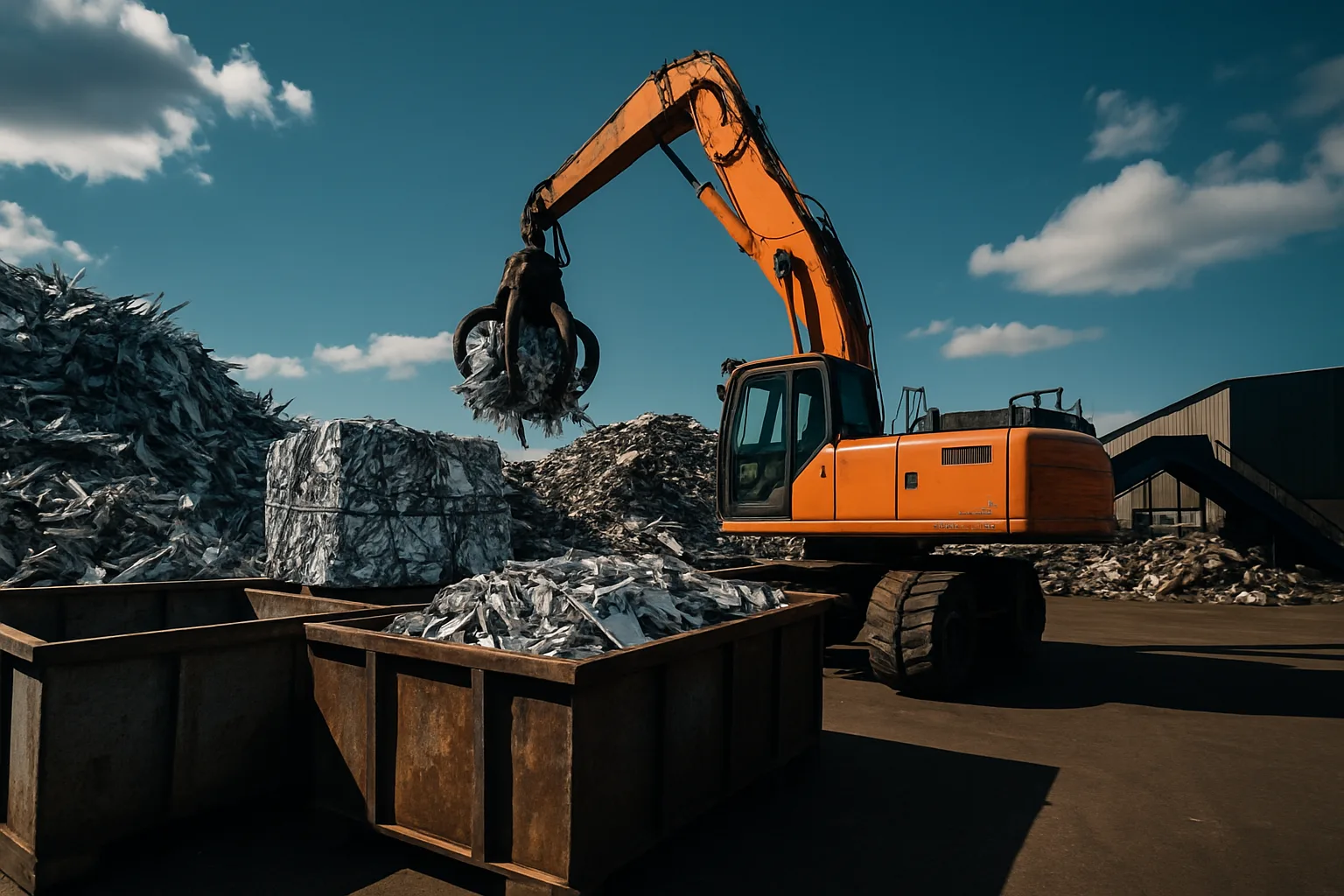
Gatineau sits at a genuinely strategic point for scrap metal trade. Bordered by Ontario to the west and with direct access to Quebec's industrial base, yards operating in Gatineau move material in multiple directions — east toward Montreal, west toward Ottawa, and south across the border into New York and Vermont. For aluminum recycling in Gatineau specifically, that geographic flexibility matters.
Aluminum is one of the most actively traded non-ferrous metals in the Canada-U.S. corridor. Extrusions, sheet, cast, MLC (mixed low copper) — buyers on both sides of the border are active on these grades. The challenge for most Gatineau yards isn't finding a buyer. It's finding the right buyer at the right price, without spending half a day on the phone.
The Canadian scrap metal market has historically been fragmented — especially in Quebec, where smaller regional yards often deal with a limited pool of local buyers. That's a pricing problem. When one buyer controls your outlet, they control your price. A B2B scrap metal marketplace opens that pool up. Vetted buyers across North America can see your load, understand what it is (because your documentation is solid), and compete for it. That's how price discovery actually works.
Organizations like the Automotive Recyclers of Canada (ARC) and the Ontario Automotive Recyclers Association (OARA) have long pushed for better documentation standards and professional practices across Canadian recycling yards. Cross-border trade is exactly where those standards pay off — because U.S. buyers expect them, and regulators on both sides increasingly require them.
Catalytic Converter Prices, Copper, and the High-Value Material Problem
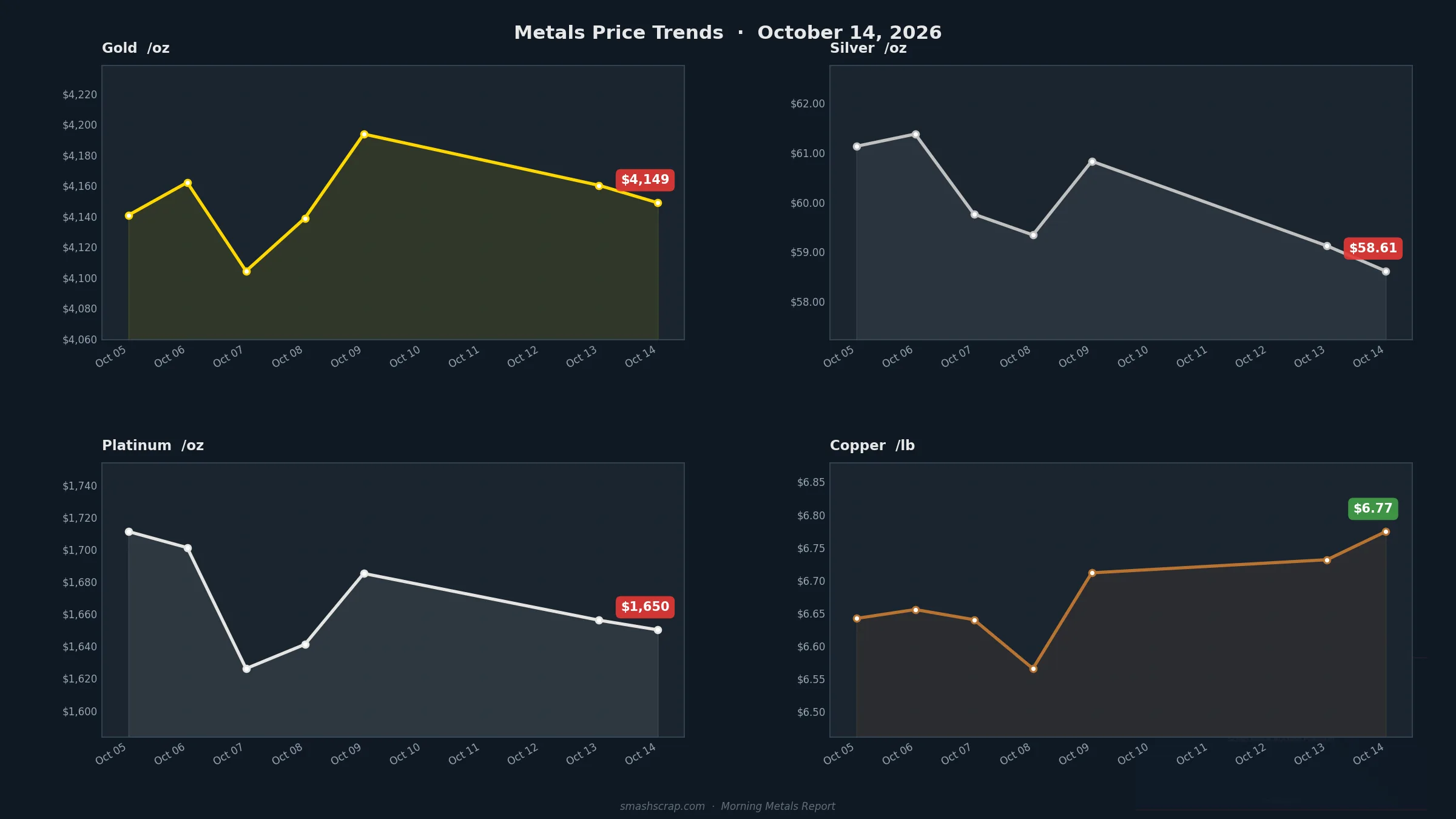
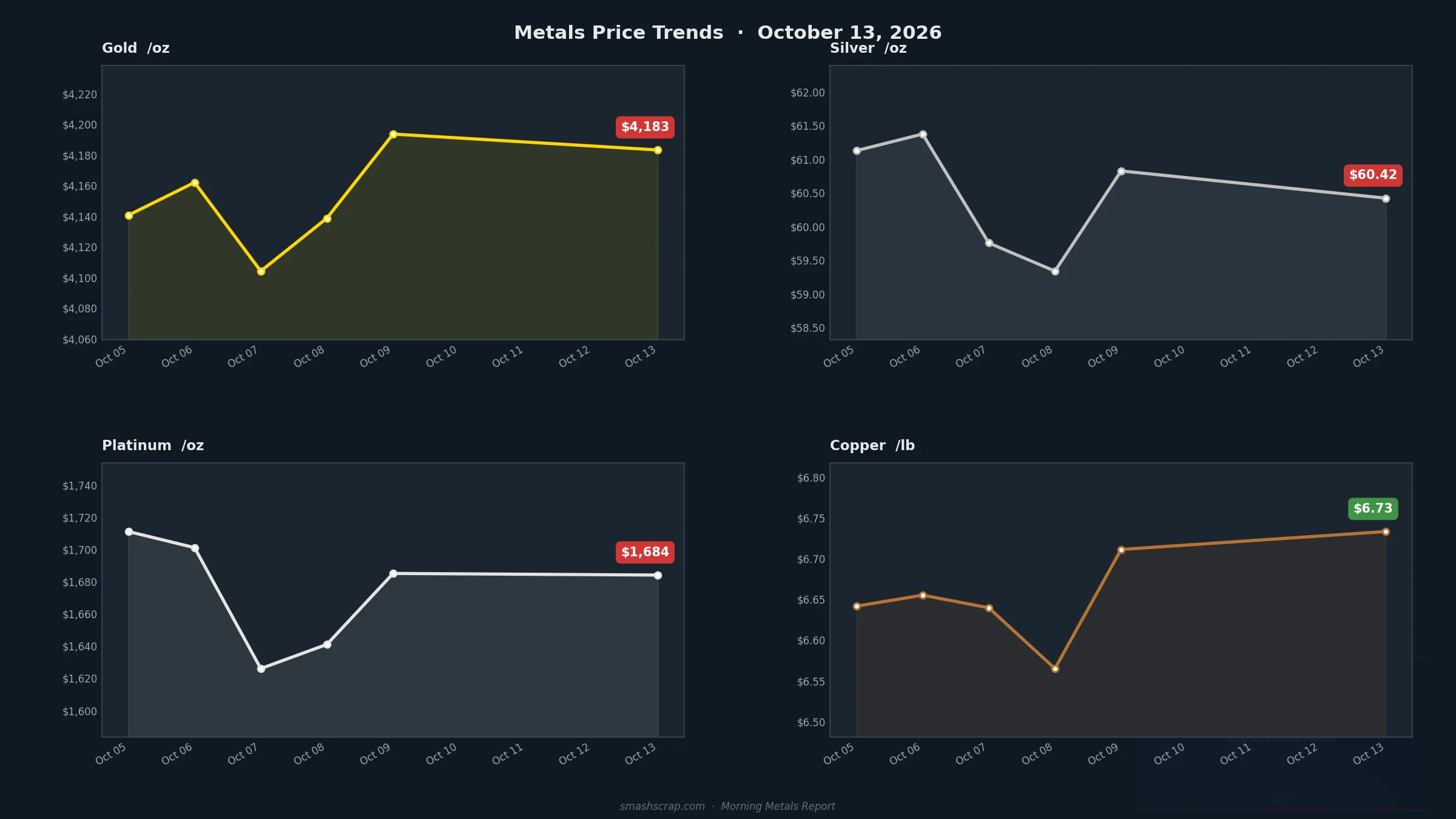
High-value material is where cross-border pricing gaps hurt the most. Catalytic converters are the clearest example. PGM prices — platinum, palladium, and rhodium — fluctuate constantly, and the spread between what a local buyer offers and what a competitive auction produces can be significant. If you're not tracking current market rates and putting your cats in front of multiple buyers, you're not getting market price. You're getting someone else's margin.
The same dynamic applies to copper scrap. Copper prices move with global markets — LME spot, U.S. futures, and regional premiums all factor in. A yard in Gatineau selling a load of bare bright or #1 copper to a single local buyer has no way of knowing whether that number reflects the actual market. A competitive auction format — with buyers from both Canada and the U.S. — makes the price visible.
A few things worth knowing about high-value cross-border material in 2026:
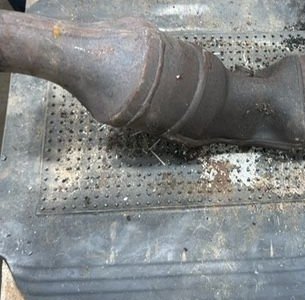
- Catalytic converters require detailed serial tracking and photo documentation for most serious buyers — especially U.S.-based processors who are dealing with tighter regulatory scrutiny on cat purchases.
- Copper grades matter. The difference in price between bare bright, #1 copper, and #2 copper is real. Misgrading costs you money. Proper documentation and clear photos help buyers accurately grade what they're bidding on.
- Currency matters on cross-border deals. CAD/USD exchange rates affect the effective price on every cross-border transaction. Make sure you're quoting and settling in a currency you've agreed on upfront.
- Platinum, palladium, and rhodium prices are set in USD globally. When you're selling cats cross-border, that's the reference market — not whatever a local buyer quotes you in CAD without referencing spot.
This is exactly where a platform like Canada's B2B scrap marketplace on SMASH Recycling earns its keep. More buyers, documented inventory, competitive bidding — that's how you stop guessing and start knowing what your material is worth.
What the Canadian Scrap Metal Market Gets Wrong About Cross-Border Trade
The biggest mistake Canadian yards make with cross-border trade is treating it as a last resort. The logic usually goes: try local buyers first, and if nobody bites, see if someone in the States wants it. That's backwards. U.S. buyers are often the most competitive buyers for specific material grades — especially non-ferrous and cats — and waiting until you've already exhausted local options means you've lost negotiating position.
Cross-border trade also gets avoided because of perceived complexity. The paperwork, the logistics, the currency — it feels like a lot. But for yards that handle it systematically, it's not complicated. It's a process. You document the load properly from the start (BOL, packing list, photos, serial tracking where applicable), you list it on a platform that reaches vetted buyers on both sides of the border, and you let competition do its job.
The Canadian scrap metal market is not isolated from North American pricing. Aluminum, copper, and PGM prices are global benchmarks. The only thing that keeps Canadian yards from accessing North American market pricing is the friction of finding the right buyer. That friction is a solvable problem.
If you want a broader view of how the North American scrap market operates — and where Canadian yards fit within it — North America's B2B scrap metal auction platform gives you that picture directly.
How SMASH Makes Cross-Border Scrap Trade More Manageable
SMASH was built around a straightforward premise: more buyers competing for your load produces better price discovery. That's true whether your buyer is in Ontario or Ohio, Quebec or Oregon. The platform connects vetted buyers and sellers, supports full inventory documentation (photos, VIN lookups, serial tracking), and handles auto-invoicing — including GST/HST/PST/QST handling for Canadian transactions.
For a yard in Gatineau running aluminum loads or moving catalytic converters, SMASH means you're not stuck with whoever answered the phone this morning. Your load is visible to a network of vetted buyers. They compete. You see the result. No subscription fees — SMASH only wins when you do.
The auction format matters for cross-border trade specifically because it removes the information asymmetry. A single buyer knows more about the market than you do — that's their advantage. Competitive bidding from multiple buyers collapses that gap. Documented inventory gives buyers more confidence to bid aggressively because they know what they're getting. That combination is the whole point.
For yards looking to stay current on market conditions, pricing trends, and platform updates, read the latest from SMASH Recycling — it's written for yard operators, not marketing departments.
Getting Started With Cross-Border Scrap Sales in 2026
If you've been selling locally and want to test cross-border markets, start with your best-documented loads. High-value non-ferrous material — aluminum, copper, cats — is where cross-border buyers are most active and most competitive. Make sure your paperwork is clean before you list anything: BOL ready, packing list itemized, photos taken, serial numbers logged where required.
Here's a practical starting checklist:
- Grade and weigh the material accurately before listing.
- Take clear, well-lit photos of the load — multiple angles for mixed or high-value material.
- Prepare your BOL and packing list ahead of time, not after a buyer commits.
- For catalytic converters: log serial numbers, note condition, and photograph individually where practical.
- Confirm currency terms (CAD or USD) and who handles cross-border logistics before the deal closes.
- Work with a platform that reaches vetted buyers — not just local contacts — so competition can do its job.
Cross-border trade isn't complicated when you have the right tools and the right buyers in front of you. The yards getting the best prices in 2026 aren't the ones with the most connections — they're the ones who stopped relying on one buyer and started letting the market compete.
If you're ready to see what your loads are actually worth, join Canada's B2B scrap marketplace on SMASH Recycling and put your material in front of a network of vetted buyers across North America. No subscription. No guessing. Just competition.
Disclaimer: Scrap metal prices — including aluminum, copper, platinum, palladium, and rhodium — fluctuate daily based on global market conditions. All pricing references in this article are general in nature. Check current market rates before making any buy or sell decisions.
Frequently Asked Questions
Q: What documentation do I need to ship scrap metal from Gatineau across the U.S. border?
At minimum, you'll need a Bill of Lading (BOL), a packing list, and a CBSA export declaration for regulated materials. High-value non-ferrous material and catalytic converters often require additional documentation — including serial tracking and photo records — to satisfy U.S. buyer requirements and customs review. Getting this right before the load moves saves time and protects your price.
Q: Is aluminum recycling in Gatineau competitive compared to U.S. markets?
Local aluminum prices in Gatineau — and across Quebec broadly — reflect regional buyer demand, which may or may not track North American benchmarks. U.S. processors and buyers are often active on specific aluminum grades (extrusions, sheet, cast) and can be highly competitive when they're bidding against each other. Access to a cross-border B2B scrap metal marketplace like SMASH is the fastest way to find out what your aluminum is actually worth on the open market.
Q: How are catalytic converter prices determined for cross-border sales?
Catalytic converter values are driven by the PGM content — platinum, palladium, and rhodium — which trade in USD on global markets. Cross-border buyers typically assay or reference serial-based pricing databases to value cats. Proper serial tracking and photo documentation give buyers the confidence to bid accurately, which generally produces stronger results than a single local buyer's flat offer.
Q: Do Canadian scrap metal regulations affect what I can export to the U.S.?
Yes. The Canada Border Services Agency (CBSA) has export controls on certain regulated metals and scrap categories. Catalytic converters, in particular, face increasing regulatory scrutiny in both Canada and the United States. Working with industry organizations like the Automotive Recyclers of Canada (ARC) for guidance on current compliance requirements is a smart move for any yard doing regular cross-border volume.
Q: Does SMASH handle GST/HST on cross-border scrap transactions?
SMASH's platform includes auto-invoicing with GST/HST/PST/QST handling for Canadian transactions. For cross-border deals, tax treatment depends on whether the sale is structured as a Canadian or U.S. transaction and where the buyer is registered. Confirm the specifics with your accountant or tax advisor for any cross-border sale — but the documentation and invoicing framework SMASH provides gives you a solid starting point.
Stay current on scrap metal pricing, platform updates, and industry news by following SMASH on LinkedIn: follow SMASH Recycling on LinkedIn for market insights built for yard operators, not the boardroom.