Calgary Scrap Metal: Combat Fraud with Verified Auctions
One bad load can cost you thousands. In scrap metal recycling Calgary yards deal with misrepresentation constantly — mixed grades passed off as clean, cats with swapped cores, copper clad sold as solid. The old model made fraud easy: one buyer, one price, no documentation, no competition. Nobody checked anything twice because nobody had to.
Fraud in the Canadian scrap metal market isn't a fringe problem. It's baked into any system that relies on trust over verification. When a single buyer controls the relationship, the seller has little leverage and even less visibility into whether they're getting a fair deal — or getting played. SMASH was built to fix that.
---Why Scrap Metal Fraud Is a Bigger Problem Than Most Yards Admit
Misrepresentation in scrap runs in both directions. Sellers overstate grade or weight. Buyers understate value or regrade loads on arrival. Both happen more than the industry likes to discuss. In Calgary's busy recycling market — where volumes are high and loads move fast — the margin for error is slim and the cost of a disputed load is real.
Common fraud scenarios in Canadian scrap yards include:
- Grade misrepresentation: Loads described as #1 copper or bare bright that arrive as #2 or mixed. The difference in copper scrap prices between grades can be significant per pound.
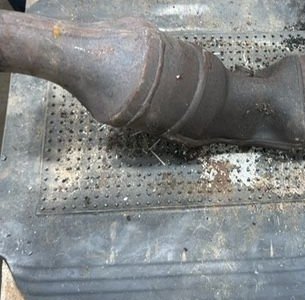
- Catalytic converter swaps: Gutted or aftermarket cats sold as OEM. Platinum, palladium, and rhodium content varies dramatically by make and model — a switched core can cost a buyer hundreds per unit.
- Weight manipulation: Hidden moisture, added ballast, or inaccurate tare weights. These don't show up until the scale tells a different story than the invoice.
- Serial number fraud: Cores with tampered or missing serials that prevent accurate PGM valuation against current catalytic converter prices today.
- Mixed non-ferrous loads: Non-ferrous material blended with lower-value content to inflate apparent value on visual inspection.
Each of these is harder to pull off when there's documentation, photo evidence, and multiple buyers reviewing the same listing. Competition doesn't just improve price discovery — it creates accountability.
---How the SMASH Auction Platform Creates a Paper Trail That Protects Everyone
The core problem with the old way isn't just that it's inefficient. It's that it's opaque. A phone call leaves no record. A handshake deal has no audit trail. When a dispute comes up — and in scrap, disputes come up — there's nothing to go back to. That's where SMASH's documentation tools change the equation for scrap metal recycling in Alberta and across Canada.
Every listing on the SMASH scrap auction platform requires structured documentation before it goes to buyers. That includes:
- Photo documentation at the load level — no more mystery bales or "trust me" descriptions
- VIN lookup for automotive cores, linking each unit to a verifiable vehicle record
- Serial tracking on catalytic converters, so every cat is logged before it moves
- Packing lists and BOLs attached to the listing, not emailed separately and forgotten
- Grade and weight declarations made upfront, visible to all vetted buyers bidding on the load
When a buyer bids on a load, they're bidding on documented material — not a verbal description. That transparency cuts both ways. It protects legitimate sellers from buyers who regraded loads after delivery. And it protects buyers from misrepresented material. The auction format means multiple eyes review the same listing, making it harder for misrepresentation to go unnoticed.
For Calgary scrap sellers moving catalytic converters, the serial tracking feature matters especially. With platinum, palladium, and rhodium prices fluctuating — and catalytic converter prices today varying significantly by OEM versus aftermarket — a verified serial number connects each unit to accurate PGM content data. That's not just fraud prevention. That's better price discovery on every unit.
---Vetted Buyers Mean Fewer Surprises on Arrival
Not every buyer in the Canadian scrap metal market operates the same way. Some processors are meticulous. Others are notorious for arrival-weight disputes or aggressive regrading. In a single-buyer model, you don't get to choose. You work with who answers the phone. On SMASH, buyers go through a vetting process before they ever see a listing.
Vetted buyer networks matter for fraud prevention because:
- Bad actors don't survive repeat exposure. A buyer who consistently disputes weights or misrepresents arrival conditions doesn't last long in a transparent platform environment.
- Accountability is built in. When buyers know their history is visible to sellers — and to SMASH — the incentive to lowball or dispute fraudulently drops.
- Competition enforces honesty. When multiple buyers bid on the same documented load, the winning bid reflects real market value. There's no room for a buyer to manufacture a problem after the fact to knock the price down.
For yards doing scrap car recycling in Calgary or selling high-value non-ferrous loads across Alberta, this matters. One disputed load with a bad buyer can tie up your cash flow for weeks. Vetting reduces that risk before the first bid is placed.
Industry organizations like the Automotive Recyclers of Canada (ARC) and the Ontario Automotive Recyclers Association (OARA) have pushed for higher documentation and chain-of-custody standards across Canadian automotive recycling. The direction of the industry is toward more accountability, not less. SMASH is built for where the industry is heading.
---Price Transparency Shuts Down the "I'm Doing You a Favour" Play
Every yard has heard it. The buyer who calls with a price and adds, "That's the best you're going to get right now — market's soft." Maybe the Canadian scrap metal market price is soft. Maybe it isn't. Without competing bids, you have no way to know. That information asymmetry is the oldest play in the scrap buyer's handbook.
SMASH turns that dynamic around. When your load goes to auction on the explore SMASH Recycling's auction platform, you see what the market actually thinks your material is worth — not what one buyer decided to tell you over the phone. More buyers bidding means better price discovery. That's not hype — it's how competitive markets work.
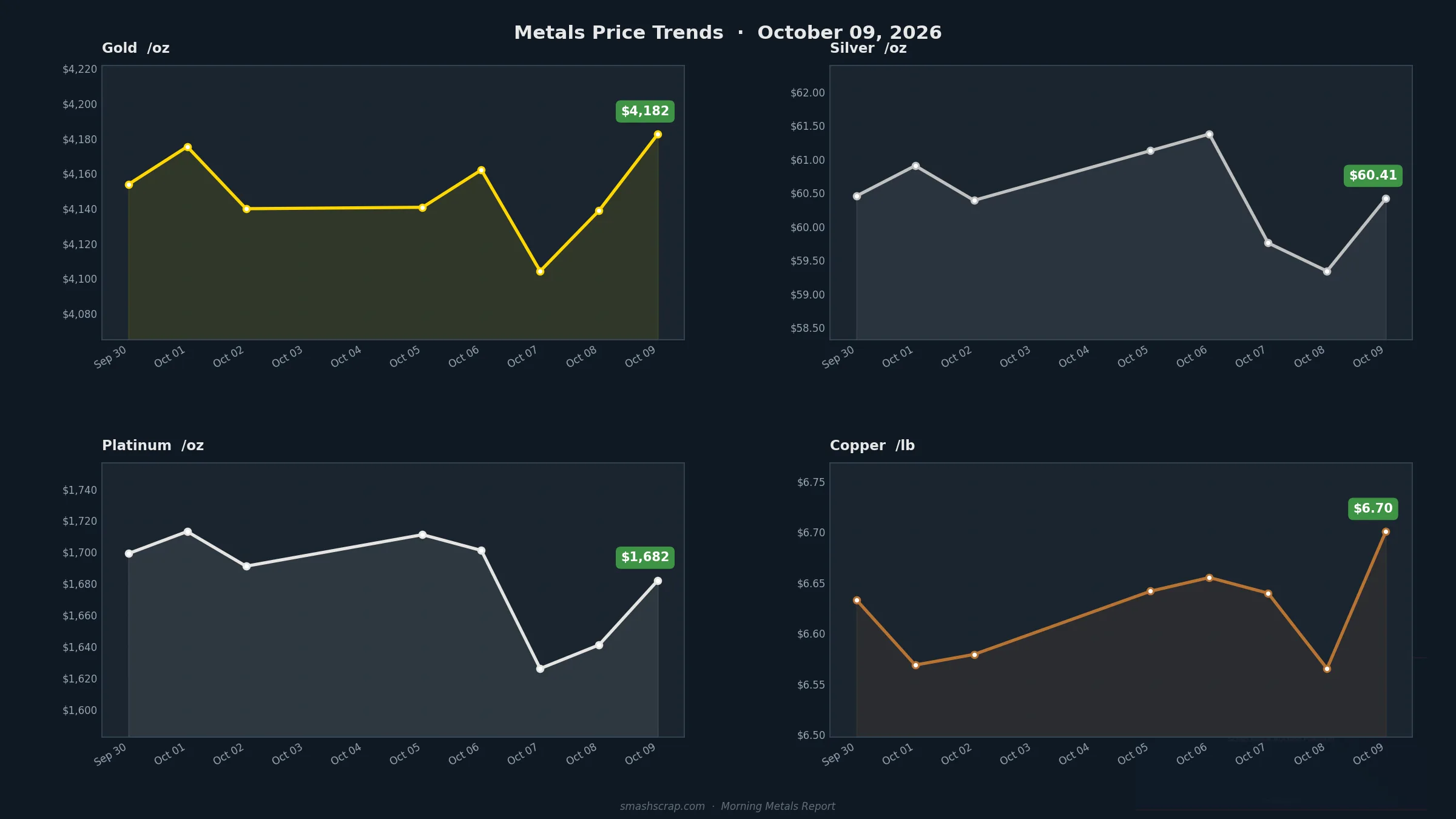
For scrap metal prices in Canada today, visibility matters. Platinum price, palladium price, and rhodium price shift constantly. Copper scrap prices move with global demand. A buyer who tells you the market is down might be telling the truth — or they might be testing whether you'll verify it. An auction platform gives you the data to know the difference.
Calgary yards using SMASH for Calgary scrap metal services aren't flying blind anymore. The auction format puts real bids against documented loads. That's the closest thing to a live market quote you can get.
---Auto-Invoicing and Documentation Close the Loop After the Sale
Fraud doesn't always happen at the point of sale. Sometimes it happens in the paperwork afterward. An invoice that doesn't match the agreed price. A weight that shifted between the yard scale and the buyer's scale. A settlement that takes three phone calls to resolve and still leaves you short. Post-sale disputes are common in scrap precisely because the documentation trail is weak.
SMASH's auto-invoicing feature generates documentation automatically at sale — based on the agreed bid, the declared weight and grade, and the attached BOLs and packing lists. There's no room for a number to get "accidentally" adjusted. The record exists from the moment the auction closes. That protects sellers when a dispute comes up, and it protects buyers who need to reconcile settlement data against their own records.
For Alberta yards managing high volumes — whether it's loads of non-ferrous material, catalytic converter collections, or mixed scrap car recycling Calgary runs — the admin load alone is a risk. The more manual your invoicing, the more opportunity for error or manipulation. Automating that step removes a whole category of post-sale headaches.
Want to see how other yards are navigating documentation and compliance? Read the latest from SMASH Recycling for practical insights on running a tighter operation.
---Building a Fraud-Resistant Operation Starts With the Right Platform
No system eliminates fraud entirely. But the right tools make it significantly harder to pull off and significantly easier to prove when it happens. Documentation, vetting, competition, and automation aren't just efficiency features — they're accountability infrastructure.
The Canadian scrap metal market is tightening up. Regulators are paying more attention to catalytic converter theft and chain-of-custody requirements. Buyers are more scrutinizing of documentation. Sellers who can show clean paper trails — photos, serials, BOLs, verified weights — close deals faster and dispute less. That's the direction the industry is moving, and smashscrap.com is built for it.
If you're running a yard in Calgary or anywhere across Alberta and you're still relying on a single buyer and a handshake, you're carrying risk you don't need to carry. The tools exist to do this better. If you're ready to sell in an environment where your documentation protects you and competition works in your favour, join Canada's B2B scrap marketplace on SMASH Recycling and start listing your material the right way.
---Frequently Asked Questions
Q: How does SMASH prevent catalytic converter fraud specifically?
SMASH requires serial number tracking on catalytic converters before a listing goes live. Each cat is logged with its serial, connecting it to vehicle make and model data for accurate PGM valuation. This makes it significantly harder to pass off gutted or aftermarket units as OEM, and gives buyers the documentation they need to bid with confidence.
Q: Does photo documentation really make a difference in scrap metal transactions?
Yes — and significantly. When buyers can see the actual material before bidding, they're making decisions based on evidence, not descriptions. It reduces arrival disputes, supports accurate grading, and creates a timestamped record that both sides can refer to if a disagreement comes up later. For scrap metal recycling Calgary yards handling mixed or high-value loads, this documentation layer is a practical fraud deterrent.
Q: What happens if there's a dispute after a sale on SMASH?
Because every SMASH transaction includes attached documentation — packing lists, BOLs, photos, declared grades, and auto-generated invoices — disputes can be resolved against a clear record. The agreed bid, documented material condition, and weight declarations are captured at the point of sale, not reconstructed from memory afterward.
Q: Is SMASH only for large scrap yards, or can smaller Calgary operations use it?
SMASH works for any yard moving loads of documented material — large or small. There are no subscription fees. You pay when you sell. That model makes it accessible for smaller Alberta operations that don't want to commit to a monthly platform cost just to test the waters.
Q: How do I know the buyers on SMASH are legitimate?
Buyers go through a vetting process before they access listings. SMASH doesn't let anyone with a computer bid on your loads. That vetting reduces exposure to bad actors and creates a buyer community with accountability built in — because buyers who dispute dishonestly don't stay on the platform.
---Stay current on the Canadian scrap metal market — follow SMASH on LinkedIn for industry updates, platform news, and scrap metal market insights.