Sherbrooke Automotive Recyclers: Auction Advantage
Why Automotive Recyclers in Sherbrooke Are Walking Away from Spot-Price Deals
You call your regular buyer. He quotes you a number. You take it or leave it — and you almost always take it. That's not a market. That's one person's opinion of what your load is worth. For automotive recyclers in Sherbrooke still running that playbook in 2026, there's real money being left on the table every single week.
Lot-based auctions flip that dynamic completely. Instead of one buyer setting the price, multiple vetted buyers compete for your inventory. That competition is what creates actual price discovery — not guesswork, not relationships, not whoever answered the phone first. If you're running a recycling yard in Sherbrooke or anywhere across Quebec, understanding why the auction model outperforms spot-price selling is worth your full attention.
The Problem With Spot-Price Selling for Scrap Metal Recycling in Sherbrooke
Spot pricing sounds simple. Metal prices shift daily — copper, palladium, rhodium, platinum — and your buyer quotes you based on where the market sits that morning. But here's what that model actually gives you: a single data point. One buyer's margin built in. Zero transparency about what other buyers would have paid for that same load of cats, cores, or non-ferrous.
The issue isn't that spot prices are inaccurate in isolation. The issue is that a single quote is structurally designed to favour the buyer, not you. When palladium price and rhodium price are volatile — as they have been throughout 2025 and into 2026 — the spread between what a buyer offers and what the market actually supports can be significant. You'd never know. You had one number, and you took it.
For scrap metal recycling in Sherbrooke, the problem compounds because the local buyer pool can be limited. Fewer local buyers means less natural competition. And less competition means the spread between your quote and true market value can widen further. The yard next door might be sitting on the same loads and getting substantially different results — simply because they've accessed a broader buyer network.
How Lot-Based Auctions Create Real Price Discovery
A lot-based auction works exactly like it sounds. You package your inventory into defined lots — a run of catalytic converters, a load of copper wire, a set of cores — and multiple pre-vetted buyers bid against each other for those lots. The price isn't set by one person's opinion. It's set by the market, in real time, with real competition.
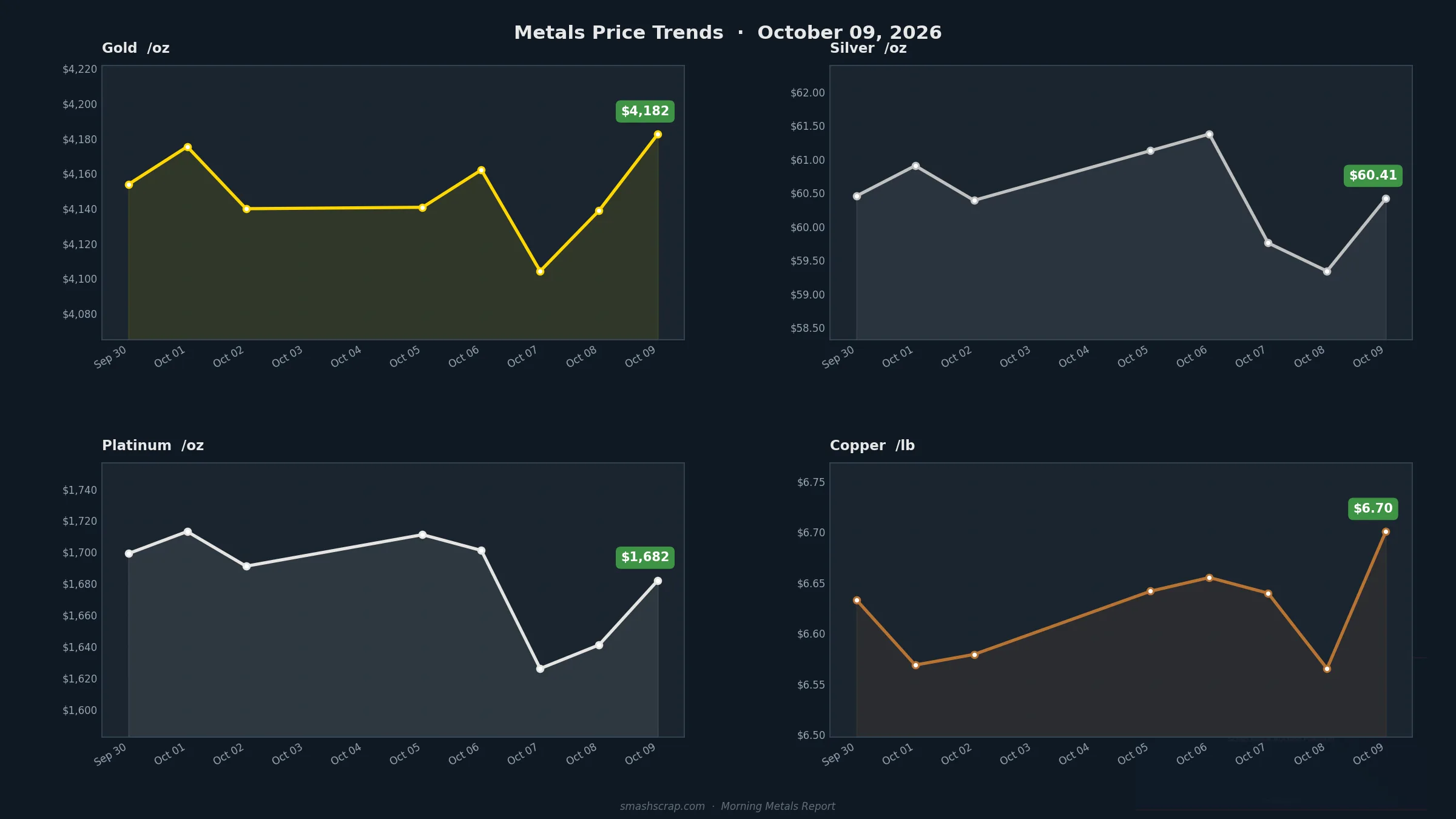
This matters enormously for high-value, volatile commodities. Catalytic converter prices today aren't what they were six months ago, and they won't be the same six months from now. Platinum price, palladium price, and rhodium price move on global signals — mining output, automotive production shifts, currency fluctuations. When you sell via spot price, you're trusting one buyer's interpretation of those signals. When you sell via auction, you're letting the entire buyer market tell you what your load is worth right now.
More buyers means better price discovery. That's not a pitch — it's market mechanics. Explore SMASH Recycling's auction platform and you'll see how the lot-based model puts that principle to work for Canadian recycling yards. The format is built to surface the real market, not protect one buyer's margin.
Scrap Metal Inventory Management: The Foundation of a Strong Auction Lot
Here's where most yards leave money on the table before the auction even starts: poor inventory documentation. A well-described, well-photographed lot attracts more confident bidders. A vague description with no photos, no serial tracking, and no clear count does the opposite — buyers discount for uncertainty, and your price suffers.
Scrap metal inventory management isn't just operational housekeeping. It's a direct input into your sale price. When buyers can see exactly what they're bidding on — VIN lookups, serial numbers, photo documentation, accurate weights, proper packing lists — they bid with more confidence. More confidence means higher bids. It's that direct.
SMASH builds these tools into the platform specifically because the data supports it. Documented inventory gives buyers more confidence, and confident buyers bid harder. If you're selling automotive cores, cats, or non-ferrous out of a yard in Sherbrooke, the quality of your lot documentation is as important as the quality of the metal itself. Consider these documentation basics before listing any lot:
- Photo documentation — clear images of the actual material, not stock photos
- Accurate weight and count — verified before listing, not estimated
- Serial tracking — especially for catalytic converters and cores
- VIN lookup — where applicable for vehicle-sourced parts
- BOLs and packing lists — buyers need confidence the load matches the listing
Organizations like the Automotive Recyclers of Canada (ARC) and the Ontario Automotive Recyclers Association (OARA) have long emphasized documentation and traceability as cornerstones of professional recycling operations. That same discipline that supports regulatory compliance also supports your auction results. It's not extra work — it's the work that pays.
Why the SMASH Scrap Metal Auction Model Is Built for Canadian Yards
The SMASH scrap metal auction platform was built around one core problem: Canadian recycling yards were selling into thin, relationship-dependent markets and had no way to know if they were getting fair value. The solution isn't complicated — it's access and competition.
SMASH connects vetted buyers across North America to sellers listing real, documented inventory. No subscription fees. No monthly overhead. SMASH only wins when the seller wins — that's the model. For a yard operator in Quebec trying to move a load of cats or a run of copper scrap, that alignment matters. You're not paying to list and hope. You're running a real competitive process with buyers who've been qualified to participate.
The platform handles GST/HST/PST/QST, auto-invoicing, and the documentation trail that makes cross-provincial and cross-border transactions clean. If you're an automotive recycler running Sherbrooke scrap metal services, that back-end infrastructure saves real administrative time while protecting you legally and commercially. For anyone doing auto wreckers search Canada-style research to find better buyers, SMASH is where that search should end up.
The platform also serves buyers. Auto parts recyclers Canada-wide use SMASH to source vetted, documented inventory rather than cold-calling yards one by one. That's why the buyer pool is competitive — they're not doing you a favour by bidding. They're sourcing inventory they actually need. Compare scrap metal bids from verified buyers and you'll see the difference between one phone quote and a real competitive process.
Spot Price vs. Lot Auction: Where the Difference Shows Up in Practice
Let's be direct about what this actually looks like in practice. You're not going to see a dramatic transformation every single load, and anyone who promises guaranteed higher prices on every transaction isn't being honest with you. But the structural advantage of competition compounds over time — especially on high-value, high-volatility material.
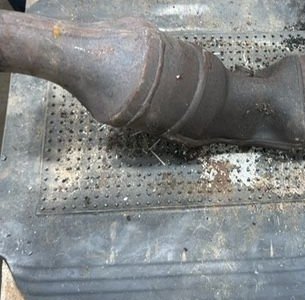
Consider a run of mixed catalytic converters from a Quebec recycling yard. Spot-price selling means one buyer determines value based on their internal grading, their current inventory position, and their margin requirements. Lot-based auction means that same run gets evaluated by multiple buyers, each with different inventory positions, different downstream relationships, and different willingness to pay on that day. The spread between the lowest and highest bid in a competitive process often reveals exactly how much the single-buyer model was costing you.
Copper scrap prices, platinum price, palladium price — these commodities have enough volatility that buyer position matters enormously. A buyer who is long on copper today bids differently than one who needs to fill an order. In a spot-price world, you don't benefit from that variance. In an auction, you do. That's the core advantage, and it's why the model is gaining traction with serious automotive recyclers in Sherbrooke and across Quebec.
For the latest insights on Canadian scrap market conditions and pricing signals, read the latest from SMASH Recycling — the blog covers market shifts, platform updates, and practical guidance for yard operators across the country.
Disclaimer: Scrap metal prices — including copper scrap prices, platinum price, palladium price, rhodium price, and catalytic converter prices — fluctuate daily based on global commodity markets. Always check current rates before making selling decisions. Nothing in this article constitutes a price guarantee or financial advice.
Making the Switch: What Canadian Recycling Yards Need to Know
The barrier to switching from spot-price selling to a lot-based auction isn't technical. It's habitual. You've called the same buyer for years. It's easy. It's familiar. But easy and profitable aren't the same thing, and 2026 is a hard environment to leave money on the table in.
Getting started on a platform like SMASH means cleaning up your inventory documentation, building the habit of photographing and serializing your lots, and giving the auction process a fair run over multiple transactions. The first sale teaches you how buyers respond to your documentation quality. The second and third sales show you how consistent competition affects your outcomes. The pattern becomes clear quickly.
There are no subscription fees to absorb before you know if it's working. That removes the main reason yards hesitate. You run a lot, you see the bids, you learn what your material is worth to a real market. If you're a B2B scrap metal marketplace participant already, you know how different that feels from a single phone quote.
The yards moving first in 2026 are the ones who will have the buyer relationships, the documentation discipline, and the market intelligence that spot-price sellers won't have in two years. That's not hype — it's just how market structure works. Join Canada's B2B scrap marketplace and put your inventory in front of buyers who compete for it — register at smashrecycling.ca and see what your loads are actually worth.
Frequently Asked Questions
Q: What is lot-based auction selling and how does it differ from spot-price selling?
Lot-based auction selling means packaging your scrap inventory into defined lots and opening them to competitive bids from multiple vetted buyers. Spot-price selling means accepting a single buyer's quote with no competition. The auction model creates price discovery — the actual market value — rather than one buyer's version of it.
Q: Are there automotive recyclers in Sherbrooke using online auction platforms?
Yes. Automotive recyclers in Sherbrooke and across Quebec are increasingly using B2B auction platforms to access broader buyer networks beyond their local market. The shift makes particular sense for high-value material like catalytic converters and non-ferrous metals, where price volatility makes competition especially valuable.
Q: How do catalytic converter prices today affect what I should sell at auction?
Catalytic converter prices fluctuate based on platinum, palladium, and rhodium spot prices — all of which move on global commodity signals. Selling via auction when prices are volatile actually works in your favour, because different buyers interpret that volatility differently. Competition between buyers with different market positions can surface a stronger result than any single spot quote.
Q: Does SMASH handle GST/HST/PST/QST for Quebec-based scrap transactions?
Yes. The SMASH platform includes auto-invoicing and tax handling for Canadian transactions, including Quebec's applicable tax requirements. That removes a significant administrative burden for yard operators and keeps your transactions clean and documented.
Q: How does scrap metal inventory management affect my auction results?
Directly and significantly. Documented inventory — accurate weights, photo documentation, serial tracking, and clear lot descriptions — gives buyers more confidence to bid aggressively. Vague or poorly documented lots attract discounted bids because buyers price in uncertainty. Better documentation consistently supports better auction outcomes.
---Stay connected with the scrap metal industry — follow SMASH on LinkedIn for market updates, pricing insights, and practical guidance for Canadian recycling yards.