New Westminster Scrap Yards: Unlock Cross-Border Sales
How a British Columbia Yard Stopped Leaving Money on the Table with Cross-Border Scrap Sales
Most yards in New Westminster think cross-border scrap trade is complicated. The paperwork, the buyers, the pricing — it feels like a problem for someone else to solve. That's exactly why they keep calling the same local buyer, taking whatever price they're offered, and wondering why their margins never move.
This is a case study about what happens when a yard stops settling. When they open their loads to competition — including vetted U.S. buyers — and let the market tell them what their material is actually worth.
The scrap metal recycling New Westminster yard in this story isn't unique. They're running a solid operation in British Columbia, processing everything from shredded ferrous to non-ferrous loads and a steady stream of catalytic converters. What changed wasn't their volume. It was who they were selling to — and how.
The Problem: One Buyer, One Price, No Leverage
Before using an auction platform, this yard's workflow looked like most yards across B.C. They'd accumulate a load, call their regular buyer, and take a number. Sometimes the number felt fair. Often it didn't. But without competing offers, there was no way to know where the market actually sat.
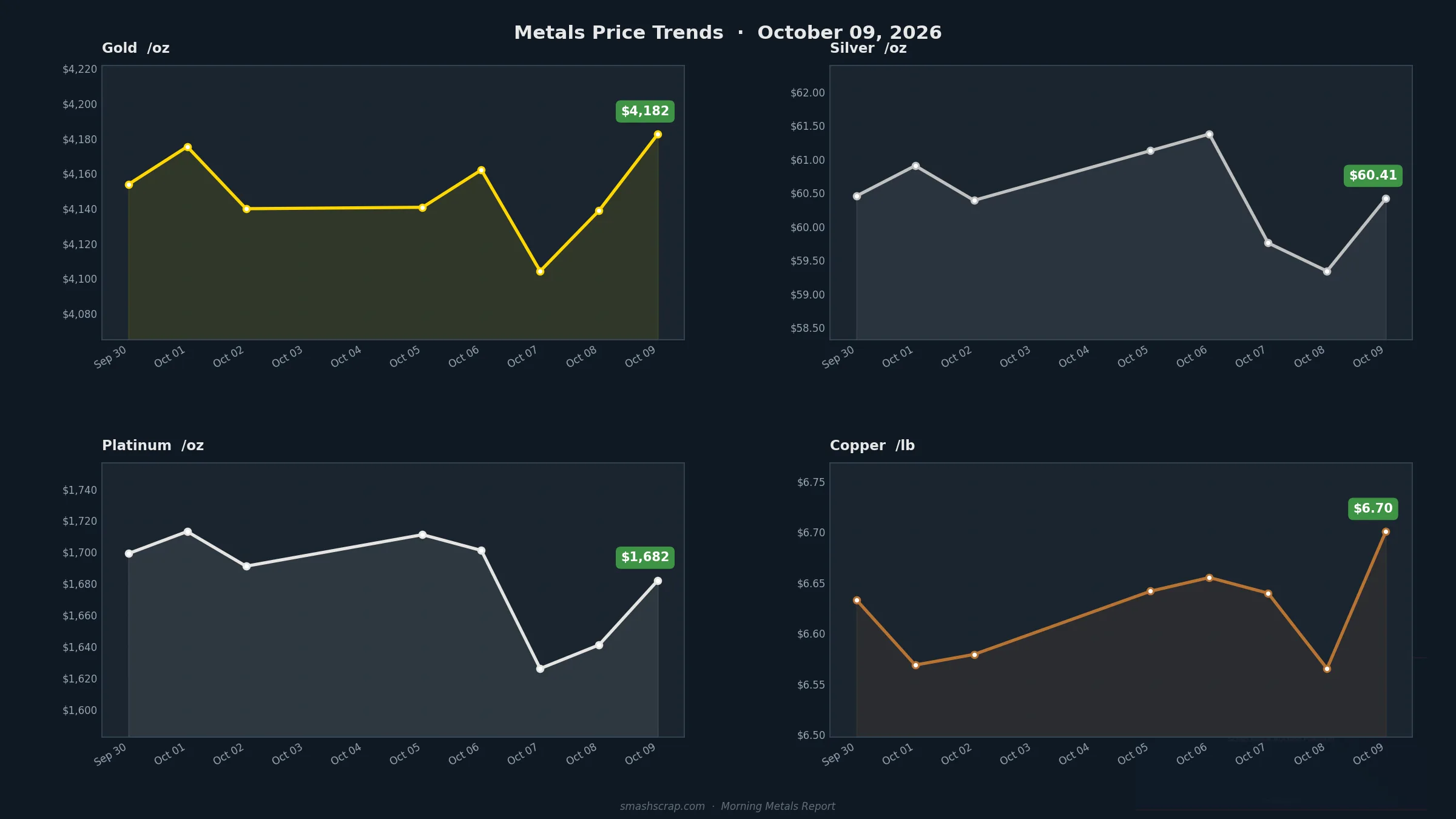
Catalytic converter pricing was the biggest pain point. Platinum price, palladium price, and rhodium price all move daily — sometimes dramatically. Precious metal prices embedded in cats are volatile, and a buyer quoting you on a slow Monday isn't quoting you the same number they'd quote on a Thursday when their downstream is hungry. Without visibility into what other buyers were willing to pay, the yard was flying blind.
Cross-border interest made it worse. U.S. buyers often pay differently than Canadian buyers — driven by different downstream contracts, different currency dynamics, and different demand cycles. But reaching those buyers required connections the yard didn't have. Cold calls to unknown companies across the border felt risky. Vetting was a nightmare. And BOL requirements, packing lists, and documentation for export added friction nobody wanted to deal with alone.
The result: a yard leaving real money on the table, every single load.
What Changed: Bringing the Auction Format to Cross-Border Scrap Metal Trade
The yard started listing on SMASH Recycling's auction platform, a B2B scrap metal marketplace built specifically for this problem. Not a subscription. Not a broker taking a cut and calling it a service. A platform where vetted buyers — from both sides of the border — compete for your material.
The first thing the yard noticed was documentation. SMASH's inventory tool required photo documentation, serial tracking for cats, and structured lot descriptions. At first, the extra steps felt like friction. Within two listings, they realized it was eliminating back-and-forth. Buyers had confidence in the lot because the lot was properly documented. No surprises on receipt. No disputes about grade or count.
Their catalytic converter loads — previously sold with a single phone call to a single buyer — went to auction with full photo documentation and unit counts verified through the platform. For the first time, they had multiple buyers competing on the same lot simultaneously. That competition revealed what the market was actually willing to pay. More buyers means better price discovery. That's not a slogan — it's arithmetic.
The cross-border dynamic mattered here. U.S.-based catalytic converter buyers canada-side operations often can't reach efficiently get connected with B.C. yards through traditional channels. On SMASH, those buyers are already vetted and in the system. The yard didn't have to find them. They showed up.
For copper scrap prices and other non-ferrous, the same dynamic played out. A load of bare bright copper that previously went to one local buyer instead attracted competing bids. The yard didn't have to negotiate. They just had to document the load properly and let the auction run.
What the Documentation Actually Did for Their Scrap Car Recycling Operation
This yard also handles scrap car recycling New Westminster volumes — end-of-life vehicles, cores, and the non-ferrous that comes off them. VIN lookup through the SMASH platform changed how they processed and listed vehicle-derived material.
Instead of bundling mixed cores with vague descriptions, they used VIN tracking and serial documentation to separate and identify high-value components. Buyers could bid with confidence because they knew exactly what they were getting. A documented lot of transmission cores is not the same as an undocumented mixed pile — and the bids reflected that difference.
Auto-invoicing handled the back-end paperwork. Once a lot sold, the invoice generated automatically with the correct details for cross-border documentation purposes. BOLs and packing lists became a standard output of the process, not a scramble at the end. For a yard doing cross-border sales, that matters. Export documentation needs to be clean. Errors at the border cost time and money. Getting it right from the listing stage made the whole process smoother.
If you want to understand best practices for automotive recycling documentation and compliance, organizations like the Automotive Recyclers of Canada (ARC) and the Ontario Automotive Recyclers Association (OARA) publish guidelines that serious yards reference. SMASH's documentation workflow aligns with the kind of record-keeping those organizations recommend — which makes compliance less of an afterthought and more of a built-in habit.
Scrap Metal Auction Platform vs. The Old Way: What the Numbers Actually Mean
Nobody should promise you guaranteed higher prices. SMASH doesn't. What a scrap metal auction platform does is change the conditions that produce price. And conditions matter.
One buyer quoting one price on one phone call is a negotiation where only one party has information. They know what the downstream market looks like. You're guessing. That's not a market — that's a single data point dressed up as one.
An auction format with multiple vetted buyers is an actual market. Competition can help reveal the market. Documented lots give buyers more confidence, which means more buyers participate, which means more competition. That's the mechanism. It's not complicated — it just requires a platform built to run it properly.
The yard in this case study didn't change their material. They didn't change their volume. They changed the structure of how they sold. That's what moved the outcome.
For yards across New Westminster and the rest of British Columbia wondering whether cross-border trade is worth the complexity — this is the answer. The complexity exists in the old way. The auction format, with proper documentation and vetted buyers already in the system, removes most of it. You can find the best price for your scrap on SMASH without building a cross-border buyer network from scratch.
Common Questions Yards Ask Before Going Cross-Border
Before committing, this yard had the same questions most B.C. operations ask when they consider opening their loads to U.S. buyers. Here's what they found out.
- Do I need a broker? No. SMASH connects you directly with vetted buyers. The platform handles buyer vetting. You handle your inventory documentation.
- What about the currency difference? CAD pricing is standard on smashrecycling.ca. Cross-border pricing factors are visible in how bids land. You're not converting currencies manually.
- What about GST/HST? SMASH handles Canadian tax framing, including GST/HST, as part of the invoicing workflow. You're not building that from scratch.
- Can you put scrap metal in a recycling bin? No — and this matters for compliance. Scrap metal, especially non-ferrous and automotive material, requires proper channeling through licensed recyclers and documented sale. A curbside bin isn't a legal or practical option for yard-volume material.
- What if a load doesn't sell? Not every load sells in every auction. SMASH doesn't guarantee sales. What the platform does is put your material in front of the buyers most likely to bid on it — which improves the conditions for a successful sale.
If you want a deeper look at how the platform works and what other yards are doing, read the latest from SMASH Recycling — the blog covers pricing context, documentation guides, and market insights without the filler.
What This Means for Yards Running Scrap Metal Recycling in New Westminster Today
The cross-border scrap metal trade isn't going away. U.S. and Canadian markets move together and apart depending on currency, downstream demand, and commodity cycles. Catalytic converter prices today aren't what they were last quarter. Copper scrap prices move with global demand. Platinum price, palladium price, and rhodium price shift with automotive production cycles and refinery demand.
Yards that depend on one local buyer for all their pricing are at the mercy of that buyer's margins. Yards that open their loads to a vetted, competitive market — including cross-border buyers — have a better chance of capturing the actual market price when it's high, and understanding where their floor is when it's not.
For scrap metal recycling New Westminster operations specifically, proximity to major port infrastructure and established logistics corridors makes cross-border movement more practical than it sounds. The documentation burden is real but manageable when the platform is built to handle it. SMASH is built to handle it.
If your yard is still running on one buyer and one phone call, the question isn't whether you can afford to try a different approach. It's whether you can afford not to. Join Canada's B2B scrap marketplace on SMASH Recycling and put your next load in front of the buyers who actually compete for it.
Frequently Asked Questions
Q: How does cross-border scrap metal trade work for a yard in New Westminster?
Yards in New Westminster can sell to vetted U.S. buyers through a B2B auction platform like SMASH without needing to build their own cross-border buyer network. Proper documentation — photo evidence, packing lists, BOLs — is handled through the platform workflow. The auction format lets U.S. and Canadian buyers compete on the same lot simultaneously.
Q: What scrap metal is most valuable to sell cross-border from British Columbia?
Catalytic converters, copper, and high-grade non-ferrous materials tend to attract the most cross-border buyer interest. Cats in particular — given their platinum, palladium, and rhodium content — draw buyers from both sides of the border when properly documented and listed on an auction platform with verified buyer access.
Q: Can you put scrap metal in a recycling bin in British Columbia?
No. Scrap metal — especially automotive components and non-ferrous material — cannot go in a curbside recycling bin. It must be processed through licensed recyclers or sold through proper commercial channels. For B2B volumes, an auction platform like SMASH is the correct channel, not municipal recycling infrastructure.
Q: How are catalytic converter prices determined when selling to buyers in Canada or the US?
Cat prices are driven by the precious metal content — platinum, palladium, and rhodium — and what the downstream refinery market is paying on a given day. Those prices fluctuate daily with commodity markets. The best way to capture a fair price is through competitive bidding, where multiple buyers submit offers on documented lots rather than a single buyer quoting you in isolation.
Q: Is scrap metal recycling in New Westminster connected to U.S. buyer demand?
Yes. B.C. yards are part of the broader North American scrap market. U.S. buyer demand affects pricing for non-ferrous, cats, and ferrous loads across the border. Yards in New Westminster that access vetted U.S. buyers through a platform like SMASH can benefit from U.S.-side demand cycles rather than being limited to whatever local buyers are willing to offer.
Prices for scrap metal, catalytic converters, copper, and precious metals fluctuate with market conditions. Always check current rates before making selling decisions.
Follow SMASH on LinkedIn for regular updates on scrap metal market conditions, Canadian pricing insights, and platform news.