Stop Scrap Metal Fraud in Trois-Rivières
The Scrap Yard Fraud Problem Nobody Talks About (But Everyone Knows)
You've heard the stories. A load of copper scrap gets shorted on weight. A pallet of catalytic converters gets misgraded at the dock. A buyer disputes the BOL after pickup, and suddenly the price you agreed on isn't the price you get. Scrap metal fraud and misrepresentation cost Canadian yards real money — and most of it never gets reported because there's no paper trail to stand on.
If you run a scrap metal depot in Trois-Rivières or anywhere else in Quebec, you already know that trust is the currency of this business. But trust without documentation is just a handshake. And handshakes don't hold up when the price of palladium drops $200 overnight and a buyer suddenly "remembers" a grading issue they forgot to mention at pickup.
This is exactly the problem SMASH was built to fix.
Why Misrepresentation Happens — And Why It's So Hard to Fight
Misrepresentation in scrap isn't always malicious. Sometimes a buyer misidentifies a grade. Sometimes a seller doesn't have the tools to verify what they're actually holding. But whether it's intentional or not, the result is the same — someone gets a bad deal, and there's usually no mechanism to address it after the fact.
The traditional model makes this worse. You call one buyer. They come out, eyeball the load, and give you a number based on their experience and their margin. You either take it or wait for the next call. There's no competing quote, no documented grading standard, and no independent record of what was actually in that load. That's a system designed to favour the buyer.
Common misrepresentation scenarios include:
- Weight manipulation — loads weighed on uncalibrated scales, with no third-party verification
- Grade disputes — a load of insulated copper wire gets reclassified as bare bright after pickup, with no photo record to challenge it
- Catalytic converter misidentification — a can you recycle catalytic converters situation where cats get bundled as low-grade when they're clearly premium cores
- Invoice discrepancies — the number on the final invoice doesn't match what was discussed, and there's no documented agreement to reference
- Delayed price adjustments — buyers quoting off today's scrap metal prices but settling against yesterday's numbers, with no audit trail
Every one of these scenarios is harder to pull off when there's documentation. That's SMASH's core play.
5 Ways SMASH Builds Fraud Protection Into the Platform
This isn't about accusing anyone. It's about creating a system where misrepresentation has nowhere to hide. Here's how SMASH does it.
1. Photo Documentation at the Inventory Stage
Before a load ever goes to auction, it gets documented. Sellers upload photos of the material — cats, copper, cores, non-ferrous loads, whatever the inventory contains. That visual record becomes part of the listing. Buyers bid based on what they see, not what they imagine. If there's a dispute after delivery, there's a reference point that existed before money changed hands.
For yards in Trois-Rivières dealing in high-value catalytic converters or non-ferrous metals, this step alone changes the conversation. When a buyer can see exactly what they're bidding on, grading disputes shrink dramatically.
2. VIN Lookup and Serial Tracking for Automotive Materials
Auto parts recyclers across Canada deal with a specific fraud risk: stolen vehicles and misrepresented cores. SMASH's VIN lookup and serial tracking tools let sellers document the source of automotive scrap before it goes to market. This matters for auto parts recyclers Canada-wide, and it matters especially in Quebec, where provincial regulations around automotive recycling are serious business.
Organizations like the Automotive Recyclers of Canada (ARC) and the Ontario Automotive Recyclers Association (OARA) have long pushed for better documentation standards across the industry. SMASH's serial tracking capability aligns directly with those standards — it's not a nice-to-have, it's a compliance tool.
3. Vetted Buyers Only
Anyone can call themselves a scrap buyer. SMASH doesn't work that way. Buyers on the platform are vetted before they participate in auctions. That means the yard in Trois-Rivières running a competitive auction isn't just getting more bids — it's getting bids from buyers who have been screened and who have a reputation to protect on the platform.
This vetting process is part of what makes the B2B scrap metal marketplace model work. When buyers know they're accountable, they bid honestly. When sellers know buyers are accountable, they can negotiate from a position of confidence rather than desperation.
4. Competitive Auction Format Eliminates the Single-Buyer Problem
The single biggest driver of price misrepresentation is the one-buyer scenario. When only one buyer sees your load, you have no benchmark. You don't know if the price is fair, low, or an insult dressed up as a compliment. You just take it or don't.
The SMASH auction format puts multiple vetted buyers against each other for your load. That competition is the most honest price-discovery mechanism in the industry. When three or four buyers are bidding on the same pallet of platinum-bearing catalytic converters, the market sets the price — not one buyer's preferred margin. If you want to get competitive bids for your scrap metal, this is how the process actually works in practice.
5. Auto-Invoicing Creates a Paper Trail That Sticks
No more "that's not what we agreed on" conversations after the fact. SMASH auto-generates invoices based on the auction outcome. The price, the material description, the grade — it's all locked in. GST/HST/PST/QST handling is built into the invoicing structure, which matters when you're running a legitimate yard in Quebec and your accountant needs clean records.
That paper trail protects both sides. Sellers can't inflate grades after the auction closes. Buyers can't revise prices after pickup. Everyone is working off the same documented agreement, and that document exists before anyone moves a kilogram of copper.
What This Means for Yards Searching "Metal Recycling Near Me Trois-Rivières"
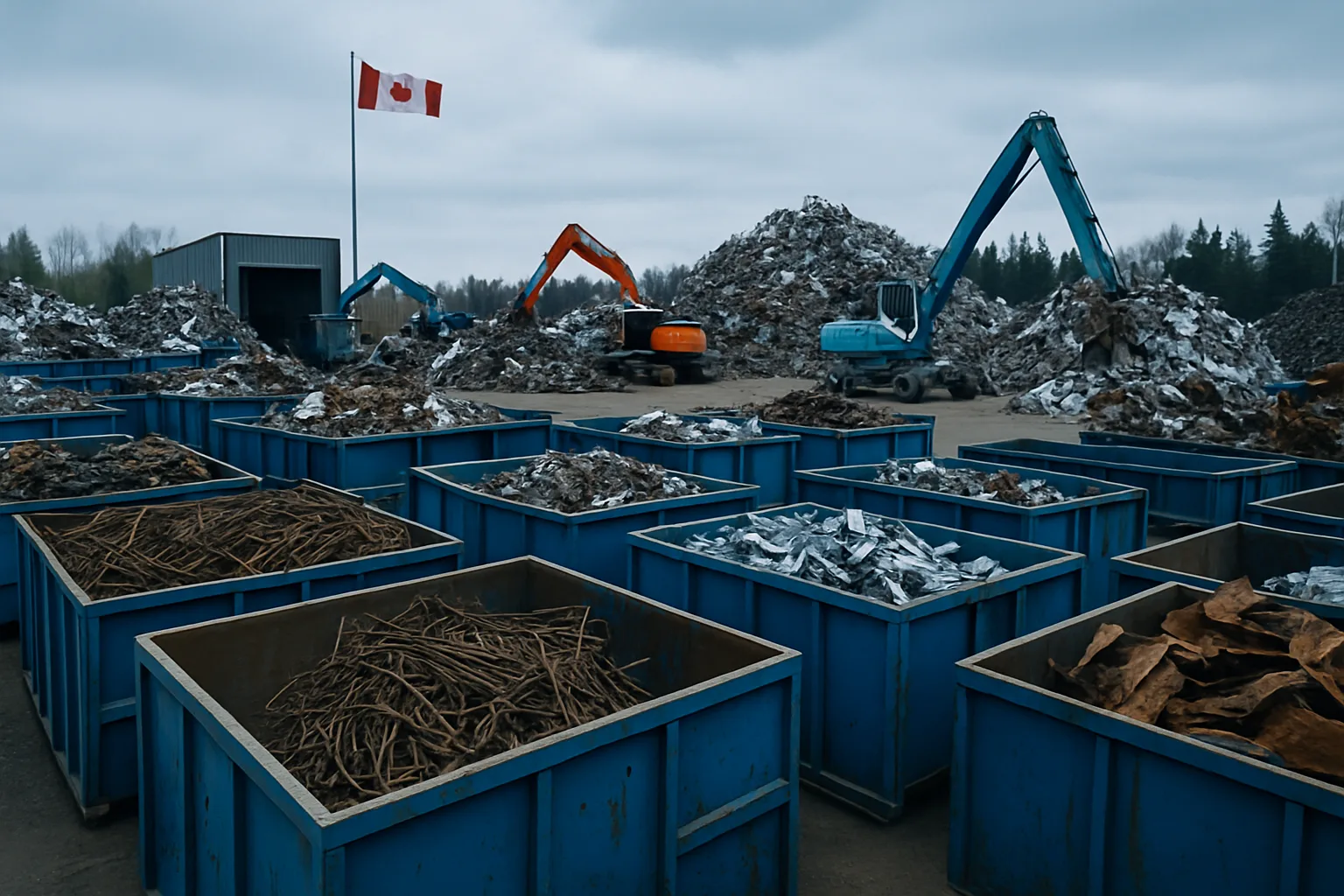
If you're a yard operator in the Trois-Rivières area looking for a better way to sell your scrap — especially high-value material like catalytic converters, platinum-group metals, or clean non-ferrous — the fraud protection angle isn't abstract. It's the difference between getting paid what your material is worth and getting taken on a load you spent weeks accumulating.
The metal recycling near me Trois-Rivières search tells you who's local. It doesn't tell you who's going to represent your load honestly, pay on time, or give you a fair price discovery process. SMASH does that. It doesn't matter where the buyers are physically located — what matters is that they're competing for your material on a documented, transparent platform.
Quebec's scrap market is active. There's serious volume moving through yards in the Mauricie region, and the buyers who want access to that volume are willing to compete for it. Let them. Explore SMASH Recycling's auction platform to see how the listing and auction process works before you commit to anything.
Catalytic Converters: The Highest-Fraud Category in Scrap
Let's talk about cats specifically, because this is where misrepresentation is most aggressive and most costly. Catalytic converter prices today are tied directly to platinum, palladium, and rhodium spot prices — metals that can swing hundreds of dollars in a week. That volatility creates enormous pressure on both sides of the transaction.
Sellers get low-balled by buyers who quote off stale pricing or misidentify converter types. Buyers sometimes get misrepresented loads that don't match the listed grades. Both problems are real, and both destroy trust in the market. The question of can you recycle catalytic converters through a transparent platform isn't just hypothetical — it's the core use case for SMASH's photo documentation and serial tracking tools.
When you list a load of cats on SMASH:
- Each converter is photographed and documented before the auction opens
- Buyers bid based on the documented inventory, not verbal descriptions
- The winning bid is locked in at auction close, not adjusted after delivery
- The invoice reflects the exact material and price agreed upon
That process doesn't just reduce fraud. It makes price discovery more accurate, which benefits everyone who's operating honestly. To read the latest from SMASH Recycling on catalytic converter pricing and market trends, the blog is updated regularly with real market context.
The Transparency Advantage: Why Honest Operators Win on SMASH
Here's the counterintuitive truth about scrap fraud prevention: the sellers who benefit most from a transparent platform are the ones who were already operating honestly. If your loads are what you say they are, documented inventory and competitive auctions work entirely in your favour. You get fair price discovery, a clean paper trail, and no disputes after the fact.
The yards that resist documentation are usually the ones with something to hide. That's not the profile of most scrap operators — it's the exception. But when the bad actors set the norms, honest yards absorb the cost through lower prices and fewer buyers willing to trust the process.
SMASH changes that dynamic. No subscription fees means there's no barrier to listing your material and finding out what the market will actually pay. The platform only wins when the seller wins — that's the business model, and it keeps incentives aligned in a way that traditional single-buyer arrangements never can.
If you're ready to stop guessing and start selling with full documentation and real buyer competition, join Canada's B2B scrap marketplace on SMASH Recycling and get your first load in front of vetted buyers across the country.
Disclaimer: Scrap metal prices fluctuate daily based on commodity markets. Always verify current scrap metal prices today before listing or selling material. Platinum, palladium, and rhodium prices in particular can move significantly between quote and settlement.
Frequently Asked Questions
Q: How does SMASH protect sellers at a scrap metal depot in Trois-Rivières from price fraud?
SMASH uses photo documentation, auto-invoicing, and a vetted buyer network to lock in prices at auction close. Once the auction ends, the price and material description are documented and cannot be revised by the buyer after pickup. This eliminates the most common form of price misrepresentation in scrap transactions.
Q: Can I sell catalytic converters through a B2B scrap auction platform in Quebec?
Yes. Catalytic converters are one of the highest-value and highest-fraud-risk categories in scrap. SMASH's platform supports photo documentation and serial tracking for cats, giving buyers the confidence to bid competitively and giving sellers a documented record if disputes arise. Yards in Trois-Rivières and across Quebec can list cats directly through the platform.
Q: What are scrap metal prices today in the Trois-Rivières area?
Scrap metal prices fluctuate based on global commodity markets, including platinum, palladium, rhodium, copper, and aluminum spot prices. SMASH doesn't publish fixed regional prices, but the competitive auction format means your material gets priced by real buyer demand rather than a single buyer's quote. Check current market rates before listing and use the auction to let the market validate your expectations.
Q: Are the buyers on SMASH vetted for legitimate metal recycling near me in Trois-Rivières?
SMASH vets all buyers before they participate in auctions on the platform. This means you're not getting random cold calls — you're getting competitive bids from screened buyers who operate in the B2B scrap market and have a reputation to maintain. That accountability is built into how the platform functions.
Q: How does SMASH handle GST/HST/QST invoicing for Quebec scrap yards?
SMASH's auto-invoicing system is built to handle Canadian tax requirements, including GST/HST/PST/QST as applicable. For Quebec yards, this means your transaction documentation is clean and compliant without additional manual work. Always confirm specific tax treatment with your accountant for your particular situation.
Stay current on Canadian scrap metal pricing, platform updates, and industry trends by following SMASH on LinkedIn: follow SMASH Recycling on LinkedIn for regular market insights from inside the industry.