Scrap Metal Depot Sherbrooke: Auction vs Spot Pricing
Why Lot-Based Auctions Beat Spot-Price Selling for Canadian Scrap Yards
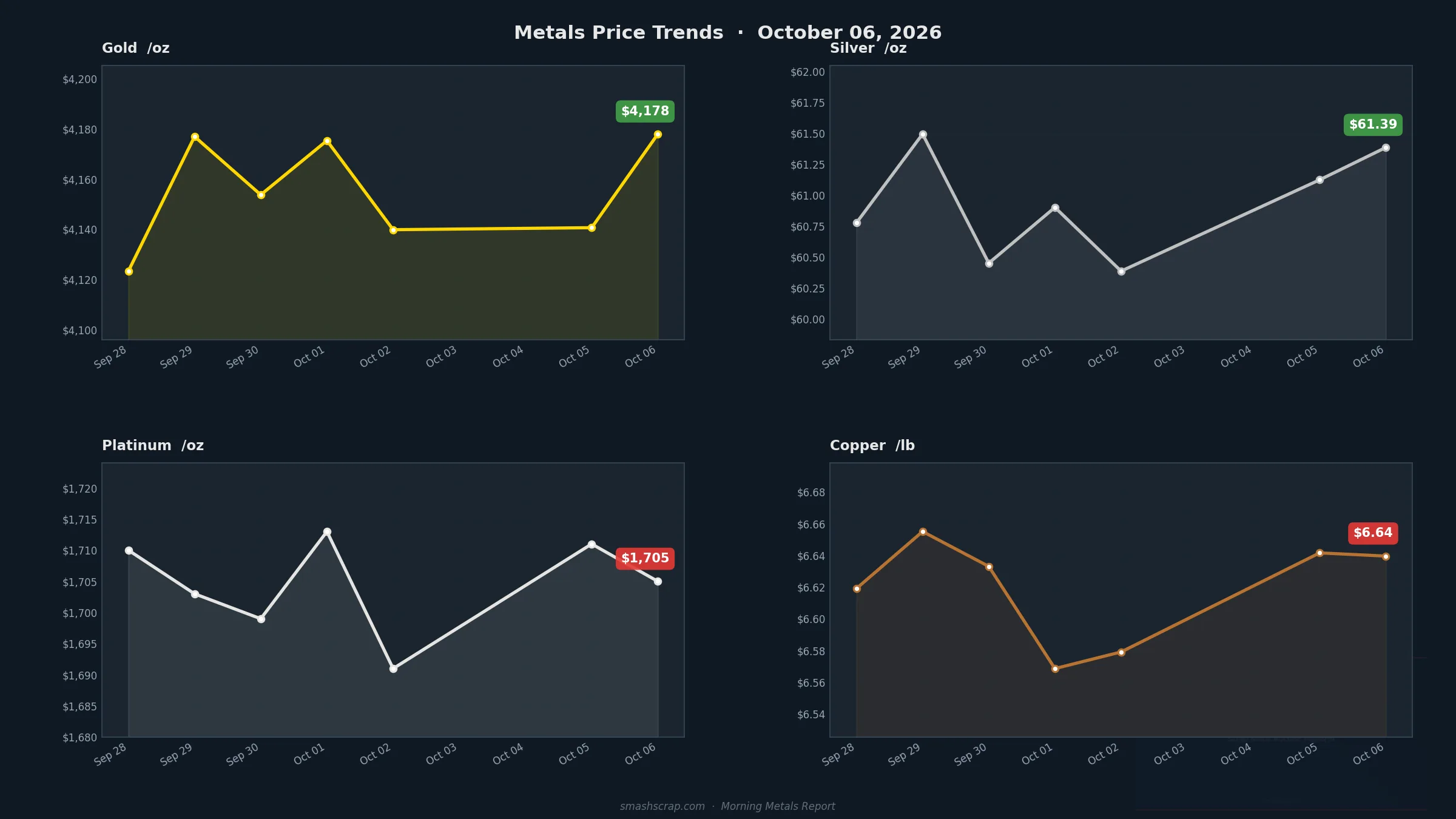
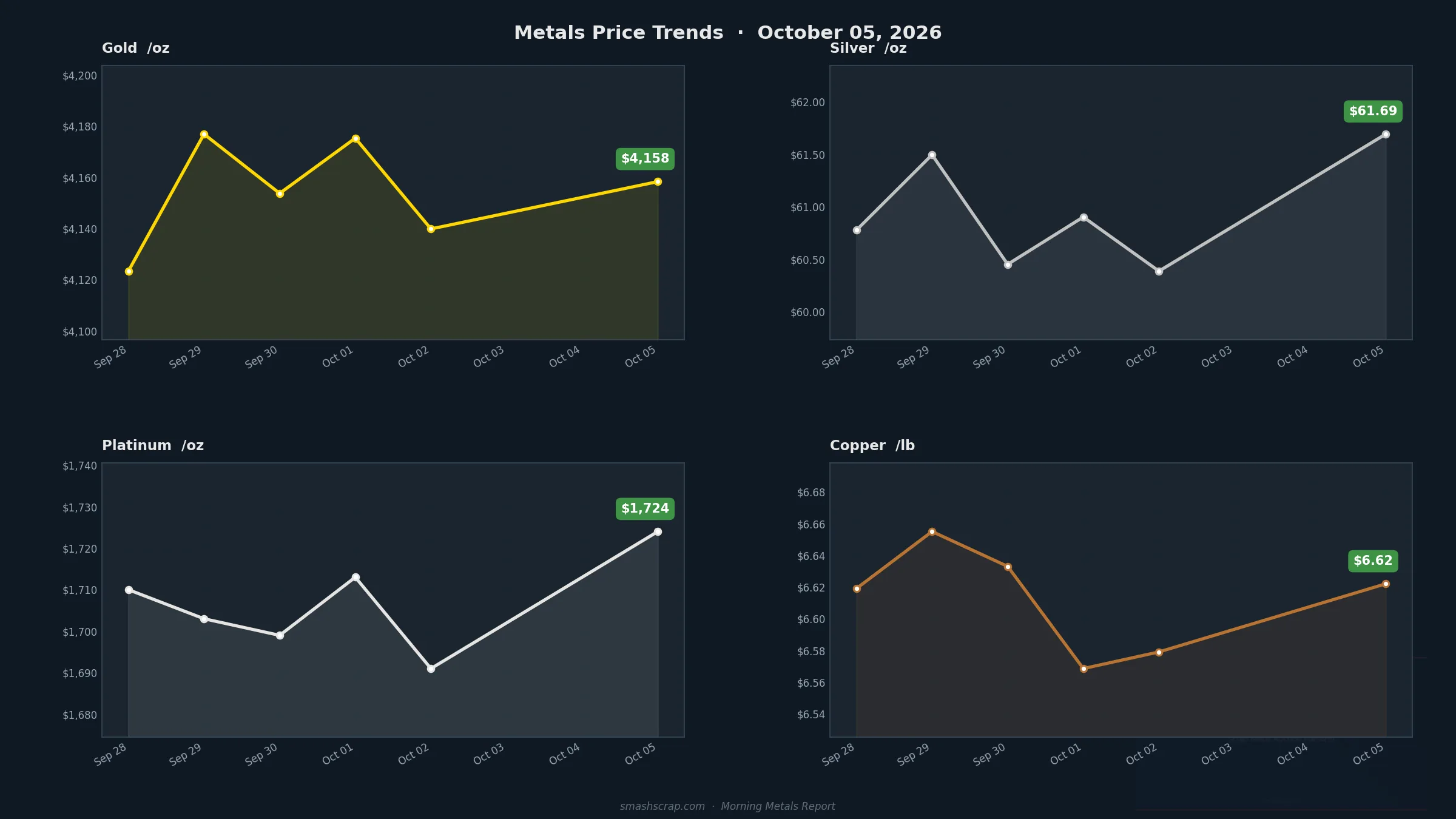
Most yards leave money on the table every single week — not because of bad material, but because of how they sell it. Calling one buyer, taking their number, and moving on. That's not price discovery. That's guessing. And in a market where copper scrap prices, platinum price swings, and palladium price volatility can shift your margins significantly between Monday and Friday, guessing costs you.
Lot-based auctions change the equation. If you run a scrap metal depot in Sherbrooke or anywhere across Quebec, understanding why the auction model outperforms spot-price selling is one of the most valuable things you can do for your operation in 2026.
What Spot-Price Selling Actually Costs You
Spot-price selling feels simple. A buyer calls, gives you a number, you say yes or no. Most yards say yes because saying no means finding another buyer — and that takes time nobody has.
But that single-buyer model has a built-in problem. The buyer knows more about current market demand than you do. They track copper scrap prices, rhodium price trends, and catalytic converter prices today across dozens of sellers. You're seeing one data point. They're seeing the whole picture. That information gap is where margin disappears.
Here's what spot-price selling actually costs a typical yard:
- No competitive pressure on the buyer — they price to their advantage
- No benchmark to compare the offer against
- Documentation is minimal, which reduces buyer confidence and pricing
- Relationship dependency — one bad month with your main buyer creates real risk
- No record of what loads historically sold for, so every deal starts from zero
For yards handling non-ferrous material, cores, or cats in volume, these gaps compound fast. A consistent shortfall of even a few cents per pound across regular loads adds up to significant annual revenue loss.
How Lot-Based Auctions Create Real Price Discovery
The core advantage of a lot-based auction is competition. When multiple vetted buyers bid on the same documented load, the price reflects actual market demand — not one buyer's preferred margin.
This is especially relevant right now. In 2026, Canadian scrap metal prices are influenced by a complex mix of factors: global commodity shifts, cross-border trade conditions affecting scrap metal recycling in Canada, and fluctuating demand from domestic processors. Platinum price and palladium price recovery patterns have made catalytic converter loads particularly sensitive to timing and buyer access. If you're selling cats with a single phone call, you have no idea whether you're at market or well below it.
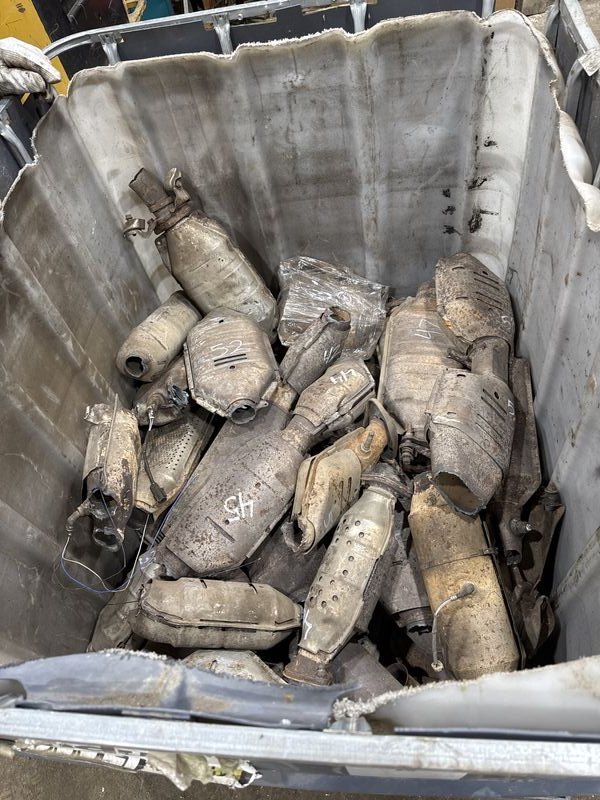
Lot-based auctions solve this by creating a structured event around your inventory. Each lot is documented — photos, weights, material descriptions, VIN lookups for converter-bearing vehicles, serial tracking for cores. That documentation package does two things: it increases buyer confidence, and it attracts buyers who wouldn't otherwise bid on an undocumented load.
More buyers. Better information. Competitive bids. That's how price discovery actually works.
Platforms like SMASH Recycling's auction platform are built specifically around this model — designed for Canadian yards that want to move material without the guesswork.
The Documentation Advantage: Why Organized Lots Sell Better
Buyers pay more when they know what they're buying. That sounds obvious, but most spot-price transactions involve almost no documentation. The buyer takes your word on grade, condition, and weight. That uncertainty gets priced in — against you.
Lot-based auctions on a platform like SMASH require proper documentation before a load goes to market. This includes:
- Photo documentation — buyers see the actual material, not a description
- Weight and grade information — reduces disputes and builds trust
- VIN lookup — critical for vehicles and converter-bearing units
- Serial tracking — especially relevant for cores and catalytic converters
- Packing lists and BOLs — ready for logistics coordination from the moment the auction closes
For yards near Sherbrooke that are serving the local Quebec market through structured scrap metal services, this level of documentation also helps with compliance, recordkeeping, and any provincial reporting requirements. The Automotive Recyclers of Canada (ARC) and the Ontario Automotive Recyclers Association (OARA) both emphasize documentation standards as a foundation of professional recycling operations — and lot-based platforms align directly with those best practices.
The result: buyers bid with more confidence, which supports stronger pricing across the board.
Auction Format vs. Spot Price: A Direct Comparison for Quebec Yards
Let's be specific about what changes when you shift from spot-price selling to an auction model. This isn't theoretical — it's a structural difference in how transactions happen.
Spot-price selling:
- One buyer, one offer, limited leverage
- Price reflects the buyer's cost target, not market demand
- Documentation optional (and usually skipped)
- Relationship risk — if your buyer pulls back, you scramble
- No audit trail for what materials sold for over time
Lot-based auction model:
- Multiple vetted buyers compete for your load
- Price reflects actual market demand at the time of sale
- Documentation required — builds buyer confidence and supports compliance
- No single-buyer dependency — your market is as wide as the platform's buyer network
- Full transaction history for every lot you sell
For a scrap metal depot in Sherbrooke moving consistent volumes of aluminum, copper, cats, or mixed non-ferrous material, the auction model creates a measurable structural advantage. It's not about any single transaction. It's about building a better system around how you sell.
Quebec yards can join Canada's B2B scrap marketplace on SMASH Recycling without subscription fees — the platform only earns when sellers do.
What This Means for Catalytic Converter and Non-Ferrous Sellers
Catalytic converter prices are among the most volatile in the scrap world. Platinum price, palladium price, and rhodium price all feed into converter values — and those numbers move. Selling cats on a spot-price basis means you're dependent on one buyer's read of the market on a single day. That's a lot of exposure.
Lot-based auctions are particularly powerful for high-value, price-sensitive material. When vetted buyers bid on a documented converter lot, they're bringing real-time commodity data to their bids. Competition between buyers with different cost structures and end markets can help reveal the true market value of your material — something a single phone call never will.
The same logic applies to copper scrap prices. Copper is a globally traded commodity. Your local buyer's offer reflects their margin requirements, not the London Metal Exchange. When you put a documented copper lot into a competitive auction through a platform like North America's B2B scrap metal auction platform, you're connecting with buyers whose pricing is anchored closer to actual market data.
Auto-invoicing and GST/HST handling built into the platform also reduce the administrative friction that slows down high-volume non-ferrous transactions — a real operational benefit for yards processing cats and copper regularly.
How SMASH Supports Canadian Scrap Yards in 2026
SMASH is built for exactly this kind of operation. No subscriptions. No cold calls. No guessing. You document your inventory, list your lot, and let vetted buyers compete. The platform handles invoicing, tracks your transaction history, and gives you a record of what your material actually sold for over time.
For metal recycling operations near Sherbrooke looking to expand their buyer reach beyond local relationships, this matters. Quebec's scrap market doesn't have to be limited to the buyers who already know your yard. A B2B scrap metal marketplace opens your lots to buyers across Canada and North America — buyers who are actively looking for documented, professionally listed material.
Industry organizations like the Automotive Recyclers of Canada (ARC) have long advocated for transaction transparency and documentation standards across Canadian recycling operations. The lot-based auction model — when built on a platform with proper inventory tools and buyer vetting — directly supports those standards.
If you've been relying on spot-price selling because it's familiar, 2026 is a good time to ask whether familiar is the same as optimal. Read the latest from SMASH Recycling to stay current on how Canadian yards are approaching the market right now.
The yards that build better systems around how they sell — not just what they sell — are the ones that protect their margins through commodity cycles. If you're ready to move beyond single-buyer dependence, register at smashrecycling.ca and see what your loads can actually bring to market.
Frequently Asked Questions
Q: What is a lot-based scrap metal auction and how does it work?
A lot-based auction is a structured sale where a documented load of scrap material is listed on a platform and multiple vetted buyers submit competitive bids. The seller accepts the best offer. Unlike spot-price selling, there's no single buyer setting the price — competition between buyers drives price discovery based on actual market demand.
Q: Is there a scrap metal depot in Sherbrooke that uses auction-style selling?
Yards operating in and around Sherbrooke can list material through SMASH Recycling's B2B auction platform, which connects Canadian sellers with vetted buyers across North America. Rather than relying on a single local buyer, Sherbrooke-area yards can access a competitive marketplace for their non-ferrous, catalytic converter, and ferrous loads. Check out the Sherbrooke scrap metal services page for local details.
Q: How do scrap metal prices today affect what I should get for my loads?
Scrap metal prices today — including copper scrap prices, platinum price, palladium price, and rhodium price — fluctuate based on global commodity markets. Spot-price selling often lags behind or underrepresents these movements because a single buyer prices to their own margin. Auction-based selling brings multiple buyers to a documented lot, which can help your sale price better reflect current market conditions. Always verify current pricing with active market sources before selling.
Q: Are there fees to list material on SMASH Recycling's platform?
SMASH does not charge subscription fees. The platform earns when sellers successfully transact — meaning your interests and the platform's interests are aligned from the start. There's no cost to register and explore how the auction model works for your operation.
Q: Does documentation really make a difference when selling scrap in Quebec?
Yes — significantly. Documented lots with photos, weights, VIN lookups, and serial tracking give buyers the confidence to bid competitively. Undocumented material introduces uncertainty, which buyers price against the seller. In Quebec specifically, proper documentation also supports provincial recordkeeping requirements and aligns with best practices endorsed by industry bodies like the Automotive Recyclers of Canada (ARC).
Stay current on scrap metal market trends, auction insights, and Canadian recycling industry news by following SMASH on LinkedIn.