Catalytic Converter Auctions Regina: Fair Pricing
Why Catalytic Converter Auctions Are Changing the Game for Canadian Recyclers
Most automotive recyclers leave money on the table every single time they sell catalytic converters. Not because they're careless — but because the traditional selling process was designed to favour buyers, not sellers. In 2026, that's finally changing. Competitive catalytic converter auctions are giving Canadian recyclers, including automotive recyclers in Regina and across Saskatchewan, real leverage to capture what their inventory is actually worth.
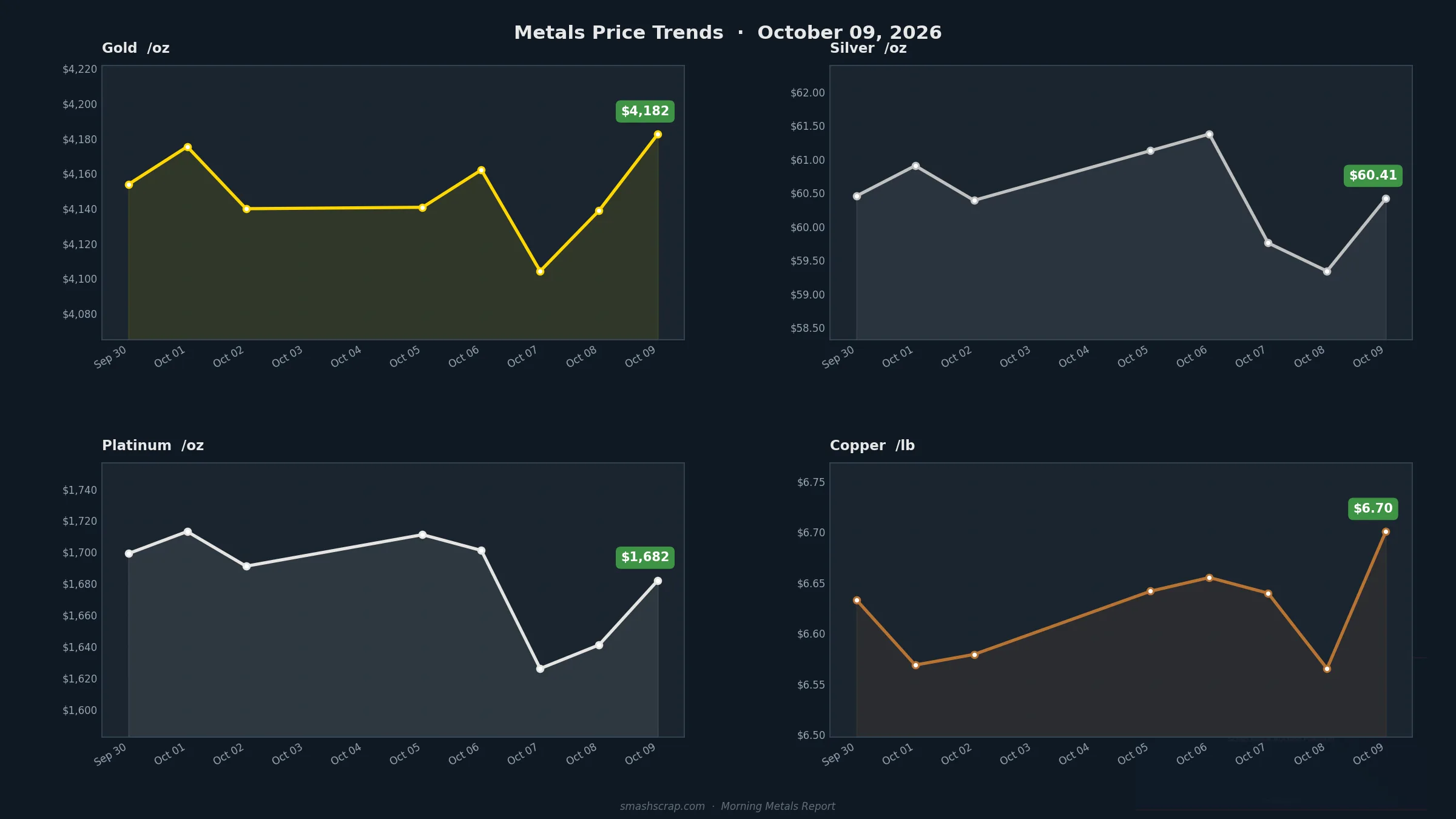
The precious metals locked inside a catalytic converter — platinum, palladium, and rhodium — are among the most volatile and valuable commodities on the planet. Rhodium alone has swung by thousands of dollars per troy ounce within a single year. Getting a single quote from a local buyer and accepting it is essentially guessing at your own material's value. Auctions eliminate the guesswork by introducing competition. And competition, as any recycler will tell you, is where fair pricing lives.
What's Inside a Catalytic Converter — and Why It Matters for Price
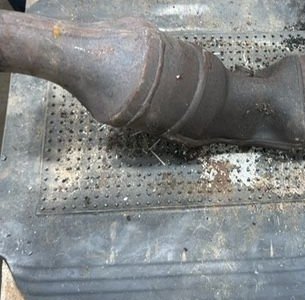
Before you can understand why auction-based selling outperforms private quotes, you need to understand what drives catalytic converter prices. Each converter contains a ceramic or metalite substrate coated with a precise blend of platinum group metals (PGMs). The specific concentration — measured in grams per unit — varies dramatically by vehicle make, model, and year. A late-model luxury sedan converter and a compact economy car converter are not worth the same amount, even if they look identical.
The three key PGMs are:
- Platinum: Used primarily in diesel converters. Prices fluctuate based on global mining output (mainly South Africa) and industrial demand.
- Palladium: Dominant in gasoline converters. Historically commanded premium pricing and remains highly sensitive to automotive production volumes.
- Rhodium: The rarest and most price-volatile of the three. Even small inventory volumes of rhodium-rich converters can represent significant revenue.
Because PGM spot prices shift daily, a quote you receive on Monday may be materially different from what your lot is worth by Friday. This is exactly why a transparent, competitive platform matters — and why recyclers who join Canada's B2B scrap marketplace on SMASH Recycling gain a structural advantage over those still working the phones for single quotes.
5 Ways Automotive Recyclers in Regina Get Better Prices Through Auctions
If you're an automotive recycler in Regina or anywhere across Saskatchewan, here's a practical breakdown of how a B2B auction model beats the old approach — almost every time.
- Multiple buyers compete simultaneously. Instead of contacting one or two known buyers, an auction opens your inventory to a network of qualified metal buyers across Canada. Multiple bids on the same lot drive the price upward. A single private quote has no competitive pressure whatsoever.
- You set a reserve price. Auction platforms like SMASH allow sellers to establish a minimum acceptable price. You never sell below your floor. This protects you from lowball offers during temporary market dips while still keeping the lot accessible to serious buyers.
- Pricing reflects real market conditions. Because buyers are bidding in real time using current PGM spot data, the final price tends to track actual market value more accurately than a static quote does. There's no margin padding built into a middleman's single offer.
- Transparency builds long-term trust. Sellers who use auctions repeatedly report better consistency in pricing outcomes. Over time, you build a documented sales history that shows what your lots achieve — useful data for business planning and inventory decisions.
- Speed to market is faster. Listing a lot on a digital auction platform takes a fraction of the time that cold-calling buyers requires. For recyclers managing high turnover volume, that efficiency compounds over hundreds of transactions annually.
Organizations like the Automotive Recyclers of Canada (ARC) and the Ontario Automotive Recyclers Association (OARA) have long championed best practices in the industry — including transparent, documented transactions that protect both buyer and seller. The shift toward auction-based platforms aligns directly with those standards, giving Canadian recyclers a structured, accountable way to do business.
How the SMASH Scrap Metal Auction Platform Works for Catalytic Converters
SMASH is built specifically for the Canadian B2B scrap and automotive recycling market. Unlike general-purpose listing sites, the platform understands the nuances of catalytic converter grading, PGM content variation, and the speed at which these markets move. Sellers don't have to become commodity traders to use it effectively — the platform structures the process so that accurate, competitive pricing emerges naturally from the auction mechanism itself.
Here's the basic workflow:
- Register your business on the SMASH Recycling platform and complete a brief verification process.
- List your catalytic converter lot with photos, quantity, and any grading information you have available.
- Set your reserve price and auction duration.
- Qualified Canadian buyers review and bid on your listing.
- At auction close, you accept the winning bid — or relist if bids didn't meet your floor.
- Payment and logistics are handled through the platform's structured process.
You can explore SMASH Recycling's auction platform to see how the listing and bidding process is structured before you commit your first lot. For recyclers in Regina who may not have access to the same volume of active buyers as larger urban centres, a national digital auction platform is genuinely transformative. Geography stops being a disadvantage.
Scrap Metal Recycling in Regina: The Local Advantage of a National Platform
Regina's automotive recycling sector is active and growing, supported by both the city's industrial base and Saskatchewan's large rural vehicle turnover. Farms, construction fleets, and aging vehicle stock across the province feed a steady stream of end-of-life vehicles into recycling yards. But historically, Regina-area recyclers faced a geographic challenge: fewer local buyers meant less competition and, often, lower realized prices on specialty materials like catalytic converters.
A national B2B scrap metal marketplace like SMASH removes that constraint entirely. A recycler in Regina can now reach buyers in Toronto, Calgary, Vancouver, and Montreal — all bidding on the same lot at the same time. The best price doesn't depend on who happens to be working their local territory that week. It depends on market conditions and buyer demand, which is exactly how pricing should work.
For recyclers managing significant catalytic converter inventory — whether sourced from passenger vehicles, commercial trucks, or agricultural equipment — the difference between a negotiated private sale and a competitive auction outcome can be substantial on a per-unit basis. Multiply that difference across an entire year of transactions, and the revenue impact is significant. Sell your scrap metal on the SMASH marketplace and see what competitive pricing actually looks like for your inventory.
What to Know Before You List: Tips for Getting the Best Auction Results
Auction platforms reward preparation. Recyclers who take a few extra steps before listing typically achieve meaningfully better results than those who rush inventory to market. Here's what experienced sellers recommend:
- Sort and grade your inventory. Mixed lots of unknown-grade converters attract lower bids because buyers price in uncertainty. If you can separate high-grade, mid-grade, and low-grade units, you'll attract more targeted, competitive bids on each category.
- Document with photos. Clear images of the converter face, shell, and any visible markings (OEM codes help buyers identify PGM content) dramatically increase buyer confidence and bidding activity.
- Track PGM spot prices before listing. You don't need to be a metals trader, but knowing whether platinum and palladium are trending up or down helps you time your listing and set a realistic reserve. Platforms like SMASH provide market context to help with this.
- List in volume where possible. Larger lots attract serious buyers. If you have the inventory, consolidating converters into a meaningful lot size (rather than listing three units at a time) typically produces stronger per-unit results.
- Stay current on regulations. Catalytic converter theft and secondary market regulations have tightened across Canadian provinces in recent years. Ensure your acquisition documentation is clean and compliant before listing. ARC and OARA both publish guidance on documentation standards.
For the latest strategies, market insights, and platform updates, read the latest from SMASH Recycling — the blog is updated regularly with practical information for Canadian recyclers at every scale.
Frequently Asked Questions
Q: Are catalytic converter auctions available to automotive recyclers in Regina, Saskatchewan?
Yes. SMASH Recycling's national B2B platform is accessible to recyclers across Canada, including those based in Regina and throughout Saskatchewan. There are no geographic restrictions — any registered, verified Canadian recycling business can list and sell through the auction platform.
Q: How are catalytic converter prices determined on an auction platform?
Prices are driven by competitive bidding among qualified buyers, anchored to real-time PGM spot prices for platinum, palladium, and rhodium. The final auction price reflects actual market demand rather than a single buyer's margin calculation. Note: PGM prices fluctuate daily — always check current rates before setting your reserve price.
Q: Do I need to be a large recycling operation to use a B2B scrap metal marketplace?
No. SMASH serves recyclers of all sizes, from small independent yards to large multi-location operations. The platform is designed to be accessible regardless of your volume, though larger lots do tend to attract more active bidding competition.
Q: What documentation do I need to sell catalytic converters legally in Saskatchewan?
Requirements vary and have evolved with provincial regulations around secondary metal sales. Generally, you'll need purchase records showing legitimate acquisition of each unit. The Automotive Recyclers of Canada (ARC) provides updated guidance on documentation standards — consult their resources or a local compliance advisor to ensure you're fully compliant before listing.
Q: How is a B2B auction platform different from selling to a local scrap dealer?
A local scrap dealer provides one price based on their own margin requirements and market access. A B2B auction platform introduces multiple competing buyers simultaneously, which typically produces a higher realized price. Sellers also retain more control through reserve pricing and transparent bidding history.
Canadian recyclers — especially those working in markets like Regina where local buyer competition has traditionally been limited — now have a better option. Catalytic converter auctions on a purpose-built platform like SMASH put sellers in control, connect them to national buyer networks, and ensure that PGM-rich inventory earns what it's genuinely worth. If you're ready to move beyond single-quote selling, the next step is simple: join Canada's B2B scrap marketplace and register at smashrecycling.ca. Your inventory deserves a competitive market — not a single phone call.
Stay ahead of scrap metal market trends and platform updates by following SMASH Recycling on LinkedIn — the go-to source for Canadian recyclers who want to stay informed and competitive.