Auto Recycling Richmond: Escrow Protection Guide
Most scrap yards in Canada have been burned at least once. A load ships, an invoice goes out, and then — nothing. Payment terms in B2B scrap metal transactions are often the last thing anyone negotiates and the first thing that causes a blowup. If you're running auto recycling operations in Richmond or anywhere else in British Columbia, how you structure payment isn't a detail. It's the backbone of your cash flow.
This article breaks down how payment terms actually work in B2B scrap deals, why escrow is becoming a serious conversation in the industry, and how transparent auction platforms are changing the way yards and buyers protect themselves. Whether you're moving non-ferrous loads, selling catalytic converters, or clearing out crushed car inventory, getting paid — on time, in full — starts before the load ever leaves your yard.
---The Payment Problem Nobody Talks About in Scrap
Here's the old way: you call your buyer, agree on a verbal price, ship the load, and wait. Net-30 turns into net-45. Net-45 turns into a voicemail. It's not rare. It's standard practice across a lot of the industry, and yards absorb the risk because that's "just how it works." Except it doesn't have to work that way.
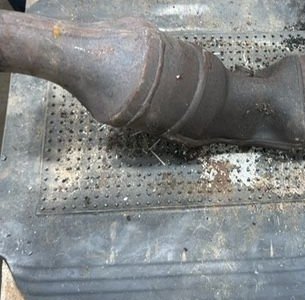
B2B scrap transactions involve serious money. A single load of copper scrap, catalytic converters with platinum, palladium, and rhodium content, or a bulk lot of auto cores can represent tens of thousands of dollars. Waiting 30 to 60 days for payment on that kind of value — while your next load is already being processed — creates a cash flow gap that can cripple smaller operations. And if the buyer defaults? You've already spent the money you hadn't received yet.
The risk runs both ways too. Buyers worry about receiving loads that don't match what was described — weights are off, grades are misrepresented, or the photo documentation doesn't reflect what shows up on the dock. Without a structured system, both sides are operating on trust and hope. That's not a business model. That's a handshake in a parking lot.
---Understanding Common Payment Terms in Scrap Metal Deals
Not all payment terms are created equal, and the ones you accept shape your entire operation. Here's a breakdown of the most common structures you'll encounter in B2B scrap transactions across Canada:
- Net-30 / Net-60: Payment due 30 or 60 days after invoice. Common, but it leaves the seller carrying the risk for the full term. Fine if you trust the buyer. Dangerous if you don't.
- Advance payment / prepayment: Buyer pays before the load ships. Best protection for the seller. Rarely offered voluntarily by buyers in competitive markets.
- COD (Cash on Delivery): Payment at the point of pickup or delivery. Works for smaller loads. Harder to manage on large B2B transactions where funds need clearing time.
- Against documents / documentary collection: Payment is released when the buyer receives the bill of lading (BOL) and other shipping documents. Adds a checkpoint but doesn't fully protect either party.
- Escrow: A neutral third party holds funds until both sides confirm the transaction terms are met. The most balanced structure — and the one gaining traction in serious B2B scrap deals.
For high-value loads — think bulk copper recycling lots, catalytic converter packages where platinum and palladium prices make the per-unit value significant, or multi-tonne ferrous loads — the payment structure you agree to before the load ships determines whether you're running a business or financing someone else's inventory.
Yards doing Richmond scrap metal services are increasingly asking for clearer terms upfront, especially as buyer pools expand beyond local relationships into national and cross-border markets.
---Why Escrow Makes Sense for High-Value Scrap Transactions
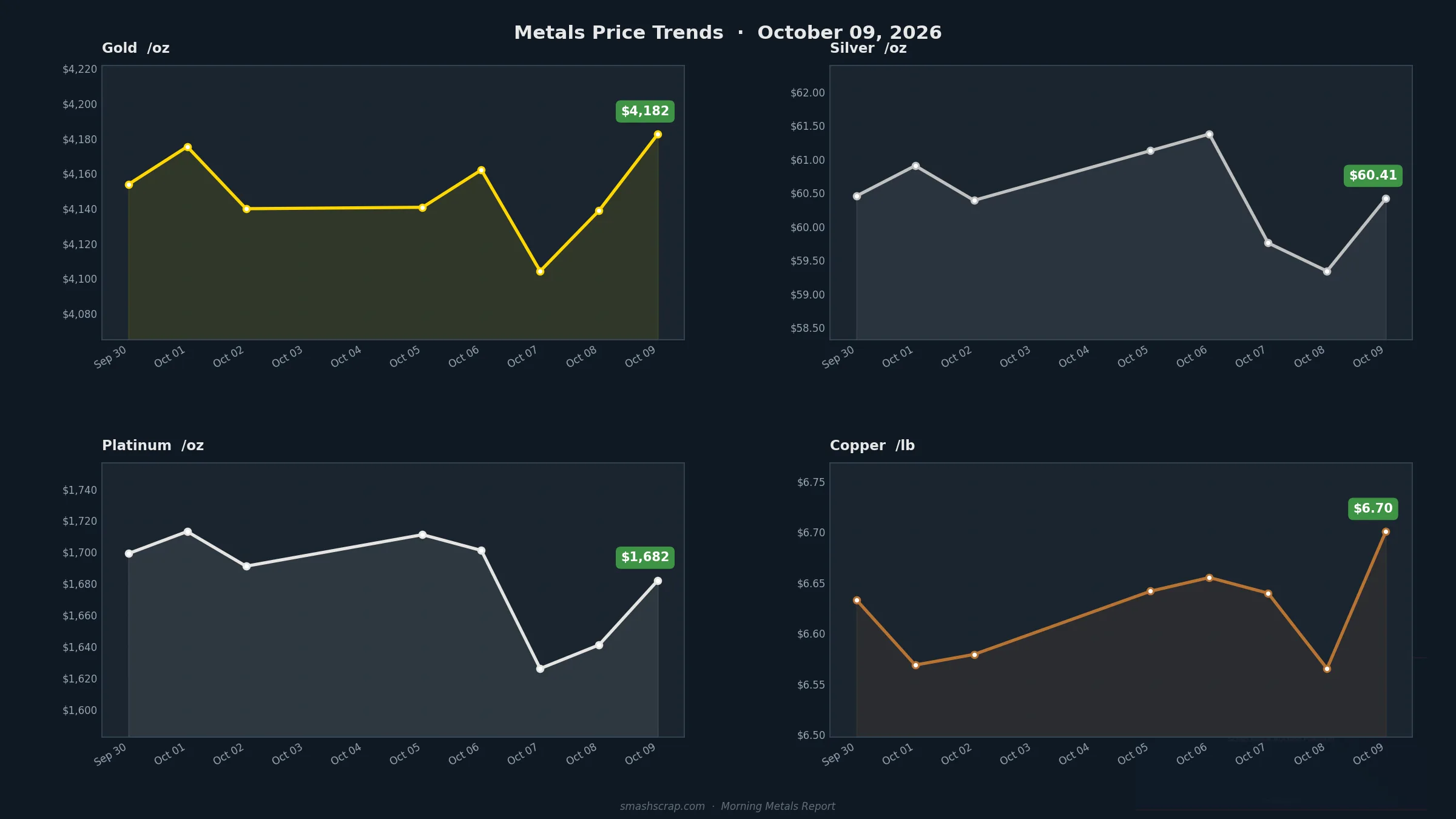
Escrow isn't a new concept. Real estate has used it for decades. But in the scrap metal world, it's still underused — mostly because the industry runs on relationships and a handshake culture that hasn't caught up with the transaction sizes. When you're selling a load where rhodium content alone can swing the value by thousands of dollars depending on settlement, "trust me" isn't a payment term.
Here's how escrow works in a scrap context:
- Both parties agree on the transaction terms — weight, grade, commodity type, price basis (fixed or index-linked), and delivery conditions.
- The buyer deposits funds with a neutral escrow agent before the load ships.
- The seller ships the load with full documentation — BOLs, packing lists, photo documentation, serial tracking if applicable.
- The buyer inspects and confirms receipt. If everything matches, funds are released to the seller.
- If there's a dispute — grade discrepancy, weight variance, condition mismatch — the escrow holds while it's resolved, rather than either party being left holding the loss.
This structure protects sellers from non-payment and protects buyers from receiving loads that don't match what was sold. It also creates a documented paper trail that both sides can reference if something goes sideways. For any yard doing serious volume — whether you're moving non-ferrous out of Richmond or shipping auto cores across British Columbia — escrow is worth understanding even if you don't use it on every load.
Organizations like the Automotive Recyclers of Canada (ARC) and the Ontario Automotive Recyclers Association (OARA) have long advocated for documentation standards and best practices in automotive recycling transactions. Clearer payment structures align directly with that push toward professional, accountable operations. For yards serious about car recycling Ontario and beyond, these standards matter.
---How Auction Platforms Are Changing Payment Risk in Scrap
The biggest shift in B2B scrap payment risk isn't coming from legal changes or industry mandates. It's coming from how transactions are being structured on the front end. When you sell through a single buyer on a cold call, you have one option and zero leverage on terms. When you sell through a competitive auction platform, the dynamic changes.
Vetted buyer pools mean you're not chasing payment from an unknown counterpart. When buyers go through a qualification process before they can bid, you know who you're dealing with before the load ships. That alone reduces default risk significantly. A buyer who had to verify their business and creditworthiness to participate in an auction has more skin in the game than someone who found your number in a directory.
SMASH Recycling is built around this model. Explore SMASH Recycling's auction platform and you'll see that the vetted buyer network, combined with photo documentation, inventory management tools, and auto-invoicing, addresses the payment risk problem from multiple angles. It's not just about getting a better price — it's about transacting with buyers who have been screened and who operate within a structured system that creates accountability on both sides.
Scrap metal inventory management also plays a role here. When your inventory is documented before a sale — weights logged, photos taken, grades confirmed, VIN or serial numbers tracked where applicable — disputes about what was sold become much easier to resolve. A buyer can't claim the copper scrap grade was off if the pre-shipment documentation is airtight. That documentation is also your paper trail in any escrow or payment dispute.
---GST/HST and Payment Documentation: Don't Leave Money on the Table
Payment terms in Canadian B2B scrap transactions don't exist in a vacuum. GST/HST handling, proper invoicing, and documentation requirements all connect directly to how and when you get paid — and whether your records can support you if CRA ever asks questions.
Auto-invoicing through a platform like SMASH handles GST/HST application correctly at the transaction level, which means less manual work on your end and fewer errors on documentation that flows to payment. When an invoice is generated automatically from a completed auction, with the buyer details, commodity description, weight, and tax treatment all built in, you're not chasing down paperwork — you're waiting for a wire transfer that has a clean paper trail behind it.
For yards doing high volume — especially those processing auto recycling loads with catalytic converters where platinum, palladium, and rhodium pricing makes accurate settlement critical — having clean invoicing tied directly to auction results isn't a luxury. It's how you protect your margin and your records at the same time.
To stay current on how payment practices and regulatory requirements are evolving in Canadian scrap, read the latest from SMASH Recycling — industry updates, market context, and practical guidance for yards navigating a fast-moving market.
---What to Lock In Before Any Load Ships
Whether you're using escrow, net-30, or advance payment, there are basics that need to be confirmed in writing before any load leaves your yard. Verbal agreements don't hold up when money is on the line. Here's what to nail down:
- Price basis: Fixed price at time of sale, or index-linked to a settlement date? Palladium and rhodium prices can move significantly between the day you agree and the day the load settles.
- Payment timeline: Exact due date, not "net-30 from invoice." From invoice date, from delivery date, from settlement confirmation?
- Dispute window: How many days does the buyer have to raise a grade or weight dispute after delivery?
- Documentation required: BOL, packing list, photo documentation, assay results if applicable.
- Penalty for late payment: If it's not in the agreement, you have no leverage. Put it in writing.
- Applicable tax treatment: Confirm GST/HST handling, especially on cross-provincial transactions.
Platforms like North America's B2B scrap metal auction platform build many of these elements into the transaction structure automatically. That's not just convenient — it's how professional B2B markets operate. The old way leaves too much to chance. A structured auction with documented inventory, vetted buyers, and auto-invoicing removes most of the variables that cause payment disputes in the first place.
If your yard is ready to move past cold calls, single-buyer dependency, and payment terms negotiated on the fly, join Canada's B2B scrap marketplace on SMASH Recycling and see what competitive, transparent transactions actually look like.
---Frequently Asked Questions
Q: What payment terms are standard in B2B scrap metal transactions in Canada?
Net-30 and net-60 are the most common, but they carry significant risk for sellers. High-value loads — particularly those involving catalytic converters with platinum, palladium, or rhodium content — increasingly use advance payment or escrow structures. The right terms depend on the buyer relationship, load value, and your cash flow needs.
Q: Is escrow commonly used in auto recycling transactions in Richmond or British Columbia?
It's not yet standard, but it's growing — especially for high-value non-ferrous and precious metal loads. Yards in Richmond and across British Columbia doing significant volume with buyers outside their local network are starting to ask for more structured payment protection. Auction platforms with vetted buyers reduce some of this risk before escrow even enters the conversation.
Q: Can I recycle my old catalytic converter and get paid quickly?
Yes, but payment speed depends on how you sell. Direct to a local buyer might mean faster but lower payment. Selling through a competitive B2B auction platform like SMASH gives your converter load exposure to multiple vetted buyers, with structured invoicing and clearer payment timelines. The price discovery process takes a bit more time upfront, but the payment terms are documented and enforceable.
Q: How does scrap metal inventory management affect payment disputes?
Significantly. Documented inventory — photos, weights, grades, serial tracking — gives both buyer and seller a clear reference point if something is disputed after delivery. Yards with strong inventory documentation resolve disputes faster and with less financial exposure. It also builds buyer confidence, which can translate to stronger bids on your loads.
Q: What should auto recyclers in Ontario know about payment terms for scrap transactions?
The same fundamentals apply across Canada. Get payment terms in writing, confirm GST/HST treatment, document your loads before they ship, and know your buyer. Organizations like OARA (Ontario Automotive Recyclers Association) and ARC (Automotive Recyclers of Canada) provide guidance on professional transaction standards. Platforms like SMASH bring additional structure to the buyer-seller relationship that reduces payment risk for car recycling Ontario yards operating at scale.
---Payment terms aren't an afterthought. They're the difference between a profitable load and a cash flow problem. If you're ready to transact with buyers who are vetted, in a system that documents every step and invoices automatically, register at smashrecycling.ca and start selling the way the market should work.
Follow SMASH on LinkedIn for industry updates, scrap metal market insights, and practical guidance for Canadian yards navigating payment terms, pricing trends, and the evolving B2B scrap landscape.