Photo Verification for Catalytic Converter Recycling Prince
One blurry photo and a vague description. That's what passes for "documentation" in most online scrap metal transactions. Buyers bid blind, sellers get lowballed, and everyone loses confidence in the process. In catalytic converter recycling Canada-wide, this gap between what's listed and what actually ships has quietly been eroding trust in online auctions for years. That changes when you document properly — and when the platform you're on demands it.
This week's roundup looks at why photo verification has become non-negotiable in B2B scrap metal auctions, what it means for yards in Prince George and across British Columbia, and why the metals driving most of this discussion — platinum, palladium, and rhodium — make accuracy worth every extra minute you spend documenting.
---The Problem With Selling Scrap on Trust Alone
Scrap metal has always been a handshake business. Your regular buyer knew you, knew your yard, knew your grades. That worked fine when the transaction happened in person, when a buyer could pull a converter off the pile and read the serial number themselves.
Online is different. The moment a buyer can't physically inspect a load, every assumption carries risk — and risk gets priced in. Buyers discount. They hedge. They bid low because they've been burned before. That discount doesn't come from nowhere. It comes out of your margin.
For automotive recyclers in Prince George — where the nearest major buyer might be hours away — the inability to physically inspect a load is the norm, not the exception. Distance creates the trust gap. Documentation closes it.
What Photo Verification Actually Means in a Scrap Auction Context
Photo verification isn't just snapping a picture before you ship. Done right, it's a structured documentation process that gives buyers exactly what they need to bid with confidence.
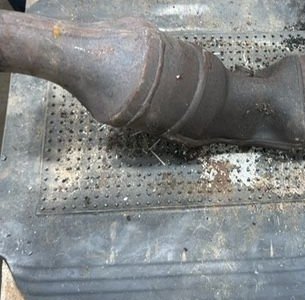
For catalytic converters specifically — where platinum, palladium, and rhodium content drives value — documentation needs to go beyond "here's a pallet." Buyers need to assess grade, condition, and count. That means:
- Serial number capture: Every cat documented with a visible, readable serial or OEM number. SMASH's serial tracking tool handles this systematically, not as an afterthought.
- Condition photos: Cracked substrate? Aftermarket unit? Crushed? Document it. Surprises at delivery kill repeat business.
- Count verification: Pallet photos that clearly show unit count. No guessing. No "approximately."
- Weight documentation: Gross and net weights, with photo of the scale ticket where applicable.
- Lot-level photos: Full-lot overhead shot plus close-ups of representative units, especially premium or high-value grades.
This isn't busywork. This is the difference between attracting one low-ball offer and generating real competition from vetted buyers who have enough confidence to bid aggressively. More buyers means better price discovery. That's not a sales pitch — it's how competitive markets work.
Why Catalytic Converter Recycling in Canada Demands Higher Standards
Platinum, palladium, and rhodium are volatile. Prices shift fast, sometimes dramatically within a single week. When a buyer commits to a bid, they're locking in a number against a commodity that could move before the load even ships. That volatility already makes buyers cautious. Layer on top of that a poorly documented lot and you've given every buyer in the auction a reason to discount further.
In British Columbia, yards dealing in catalytic converter recycling also face logistical realities that amplify the stakes. Shipping a load of cats from Prince George to a smelter or processor isn't a quick run across town. If a load arrives misrepresented — wrong count, wrong grade mix, undisclosed damage — the dispute resolution process is slow and expensive. Photo documentation at the point of listing is your protection. It's also the buyer's protection, which is exactly why documented lots attract more competitive bids.
Industry organizations like the Automotive Recyclers of Canada (ARC) and the Ontario Automotive Recyclers Association (OARA) have both pushed for higher documentation and traceability standards across the sector. The direction of the industry is clear: transparency isn't optional anymore. Yards that build documentation habits now aren't just covering themselves legally — they're building a reputation that compounds over time in any marketplace where buyers can see your history.
How SMASH Builds Verification Into the Auction Process
Most platforms treat documentation as the seller's problem. Upload whatever you want, write whatever description sounds good, and good luck. SMASH approaches this differently. Verification is built into the listing workflow — not bolted on after the fact.
When you list catalytic converters or non-ferrous loads on SMASH Recycling's auction platform, the process prompts you through photo requirements, serial tracking, and weight documentation before your lot goes live. It's not a checklist you ignore. It's the path to a published listing.
For automotive recyclers — including those running Prince George scrap metal services — this structure matters. It removes the guesswork about what buyers need to see. It standardizes your documentation across every load, which builds consistency buyers notice and trust over time.
SMASH also uses vetted buyer networks. The people bidding on your lots aren't random. They're processors and buyers who've been through a qualification process. That vetting, combined with photo documentation, creates a floor of professionalism that elevates every transaction. You're not hoping a stranger doesn't ghost you after winning a bid. You're operating in a structured marketplace.
No subscription fees. SMASH earns when you sell. That alignment matters — the platform has a direct interest in helping your lots attract real competition. North America's B2B scrap metal auction platform runs on that model because it works.
Market Recap: What's Moving in the Canada Metal Scrap Market This Week
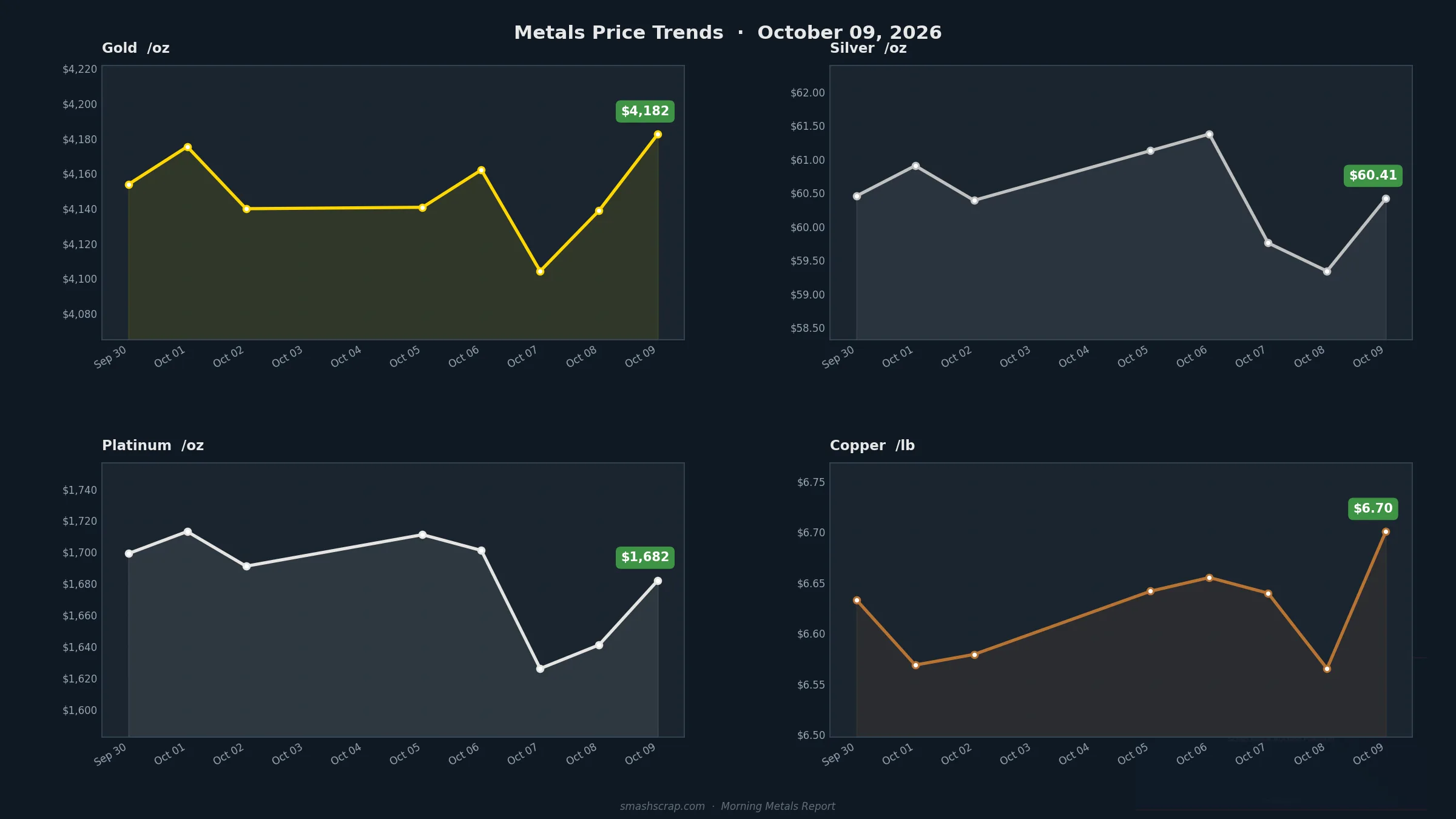
Platinum, palladium, and rhodium remain the headline metals for anyone in the catalytic converter space. As of this week, PGM prices continue to reflect ongoing demand pressures from both the automotive sector and industrial applications. Specific spot prices fluctuate daily — always verify current rates through a live pricing source before making sale decisions.
Disclaimer: Metal prices referenced in this article are general market observations only. Actual prices fluctuate based on global commodity markets, exchange rates, and buyer-specific premiums. Always confirm current rates before committing to a sale or purchase.
Copper scrap prices remain a watch item for non-ferrous yards across Canada. Industrial demand has kept the copper market active, though tightening margins on logistics — particularly relevant for remote yards moving material long distances — means documentation that speeds up buyer confidence and closes transactions faster has direct dollar value.
For yards asking "scrap metal wanted near me" and trying to figure out whether to sell locally or go broader: the answer increasingly points to online auction platforms as the channel that captures market pricing rather than a single buyer's preference. Local buyers set the floor. Competition sets the ceiling. If you want to find where the ceiling actually is, you need more than one buyer at the table.
To stay current on pricing trends, grades, and market shifts, read the latest from SMASH Recycling — we cover the Canada metal scrap market weekly with practical context for yards and buyers.
Building a Documentation Habit That Pays Off Long-Term
The yards that win consistently in online scrap auctions aren't necessarily the ones with the best material on any given week. They're the ones buyers trust to deliver what they listed. That trust is built listing by listing, photo by photo, over time.
Start with your high-value lots. Catalytic converters. Non-ferrous grades. Anything where the price per unit justifies the documentation time. Build the habit there, then let it spread across your operation.
Think about what a documented lot history does for your yard's reputation inside a vetted marketplace. Buyers who've bid on your lots before, received exactly what was listed, and had auto-invoiced paperwork waiting for them — those buyers come back. They bid higher because they're not hedging against uncertainty. Your documentation is your brand.
For yards in Prince George and across the province, the logistics of selling scrap — distance, shipping costs, lead times — mean you don't have the luxury of a local buyer walking your yard every week. Your photos and documentation are doing the work your physical presence would otherwise do. Invest in them accordingly.
If you're ready to sell catalytic converters online with real competition and a transparent process, join Canada's B2B scrap marketplace on SMASH Recycling and see what documented, competitive auctions actually produce.
---Frequently Asked Questions
Q: How does photo verification affect what I get paid for catalytic converters in Canada?
Documented lots give buyers the confidence to bid more aggressively because they're not pricing in uncertainty. When buyers can clearly see serial numbers, condition, and count, they compete on value rather than risk. That competition can help reveal the true market price for your material rather than one buyer's conservative offer.
Q: What photos do I need to list catalytic converters on an online auction platform?
At minimum: a full-lot overview shot, close-ups showing serial or OEM numbers on representative units, photos of any visibly damaged or aftermarket pieces clearly separated, and a scale ticket or weight documentation. SMASH's listing workflow walks you through exactly what's required before your lot goes live.
Q: Is it worth selling catalytic converters online if I'm based in Prince George, British Columbia?
Yes — particularly because distance from major buyers limits your local market options. Online auctions open your lot to vetted buyers across Canada and North America, which creates real price competition rather than a take-it-or-leave-it local offer. The documentation upfront protects both you and the buyer when shipping distances make in-person inspection impossible.
Q: Do automotive recyclers need to follow specific standards for catalytic converter recycling in Canada?
Industry organizations like the Automotive Recyclers of Canada (ARC) and the Ontario Automotive Recyclers Association (OARA) publish best practice guidelines for automotive recycling including material handling and documentation. Yards should stay current with both provincial regulations and industry standards — compliance and documentation go hand in hand in today's market.
Q: How do I know if a buyer on an online scrap auction platform is legitimate?
Platform vetting is the key differentiator. SMASH qualifies buyers before they can participate in auctions — they're not anonymous accounts. Combined with auto-invoicing and photo documentation on both sides of the transaction, you have a paper trail that protects you whether you're in Prince George or anywhere else in Canada.
---Follow SMASH on LinkedIn for weekly scrap metal market insights, pricing context, and platform updates — straight from the industry, no filler.