Compliance Wins: Scarborough Scrap Metal Recycling Edge
Environmental compliance used to feel like a tax on doing business. Fill out the forms, store the fluids properly, don't get caught cutting corners — that was the mentality at a lot of yards. Today, that thinking is costing Canadian recyclers real money. Buyers are walking away from yards that can't document their practices. Municipalities are tightening permits. And regulators across Ontario are watching scrap operations more closely than they have in years. The yards that figured this out early aren't just surviving — they're winning more business because of it.
This isn't a story about avoiding fines. It's a story about how environmental compliance became a competitive advantage. And if you run a scrap metal recycling operation in Scarborough or anywhere else in Canada, the lessons here apply directly to your yard.
---The Real Cost of Non-Compliance for Canadian Scrap Yards
Let's be direct. Regulatory violations in Canadian scrap metal operations aren't just a paperwork headache — they carry real financial consequences. Under Ontario's Environmental Protection Act and the federal Fisheries Act, infractions related to improper fluid management, hazardous waste handling, or contaminated runoff can result in fines that wipe out months of margin. For smaller independent yards in Scarborough or across Ontario, that's not an abstract risk.
Beyond the fines, there's the operational disruption. A stop-work order during a busy cycle — when copper scrap prices are moving, when catalytic converter cores are stacking up, when you've got loads ready to move — is a genuine crisis. The yards that have faced these situations consistently report the same thing: the cleanup costs and downtime dwarf whatever they saved by cutting corners on compliance.
The smarter calculation isn't "how do I avoid getting caught?" It's "how do I build a compliant operation that buyers trust and regulators leave alone?" The data trail that compliance requires — fluid drain logs, photo documentation, parts tracking — turns out to be exactly what serious buyers want to see before they bid on your inventory.
---How Compliance Documentation Connects to Better Scrap Prices
Here's where it gets interesting. Environmental compliance generates paperwork — and that paperwork is actually an asset on a scrap metal auction platform. Buyers bidding on loads of non-ferrous metals, catalytic converter cores, or end-of-life vehicles don't just want a weight and a photo. They want confidence that the material was processed correctly, that fluids were drained and stored properly, and that there are no liability surprises buried in the load.
When you document properly — drain records, fluid storage manifests, deregistration confirmation, VIN tracking on vehicles — you're giving buyers something to stand behind. That confidence shows up in bids. More buyers means better price discovery. Documented inventory gives buyers more confidence to bid higher and bid more aggressively. That's not a theory. That's how auctions work.
Platforms like explore SMASH Recycling's auction platform are built around exactly this dynamic. When sellers upload proper documentation alongside their listings — photos, packing lists, processing records — vetted buyers across Canada can bid with confidence. Competition can help reveal the market. Compliance makes that competition possible.
---What Ontario's Regulatory Environment Actually Requires in 2026
Ontario scrap yards operating in 2026 are navigating a regulatory landscape that has tightened considerably over the past several years. The Ontario Ministry of the Environment, Conservation and Parks continues to enforce requirements around:
- Designated Substances: Proper identification and handling of mercury switches, refrigerants, and other designated substances in end-of-life vehicles
- Fluid Management: Documented draining and storage of gasoline, oil, transmission fluid, brake fluid, antifreeze, and power steering fluid before crushing or shredding
- Stormwater Management: Containment systems and monitoring to prevent contaminated runoff from entering storm drains or waterways
- Hazardous Waste Manifests: Proper documentation when moving hazardous materials off-site
- Record Keeping: Retention of operational records for mandated periods
Industry organizations like the Ontario Automotive Recyclers Association (OARA) and the Automotive Recyclers of Canada (ARC) play a real role here. OARA's certification programs — including their Automotive Recyclers Environmental Compliance (AREC) standards — give yards a structured framework to build compliant operations. ARC provides national-level guidance and advocates for reasonable, consistent standards across provinces. If you're not already engaged with these organizations, you're missing both practical support and credibility signals that buyers and regulators respect.
Yards in Scarborough operating near residential areas face additional scrutiny around noise, hours of operation, and visual screening — all of which fall under municipal zoning and provincial environmental frameworks. Knowing your obligations at every level isn't optional. It's the cost of staying open.
---Scrap Car Recycling in Scarborough: A Compliance Case Study
Consider a mid-sized scrap car recycling operation in Scarborough that processes several hundred end-of-life vehicles per month. A few years ago, the yard's documentation was minimal — basic intake records, rough fluid logs, no photo documentation on incoming vehicles. Buyers would show up, look at the pile, and make an offer. Sometimes the price was reasonable. Often it wasn't. There was no way to verify it either way.
After engaging with OARA's compliance framework and investing in a structured intake process — full fluid drain documentation, photo capture on every vehicle, VIN-level serial tracking, deregistration confirmation — the yard's operational posture changed. Internally, they had cleaner records and fewer incidents. Externally, they had something they hadn't had before: a story to tell buyers about how material was processed.
That story became leverage. Instead of one buyer making a take-it-or-leave-it offer on a load of catalytic converter cores or a batch of non-ferrous, the yard started listing documented inventory through SMASH Scrap — where verified buyers bid on your metal. Multiple vetted buyers could now evaluate the same load with confidence. The shift from a single-buyer negotiation to a competitive auction format — backed by documentation — changed the price discovery dynamic entirely.
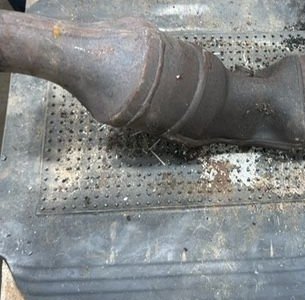
This isn't a theoretical outcome. It's the logical result of giving buyers the information they need to compete. Can you recycle your old catalytic converter through a compliant, documented process and reach multiple buyers? Yes — and the documentation is what makes that possible at scale.
---Building a Compliance-Ready Operation That Buyers Respect
Compliance doesn't happen by accident. It requires systems — and systems require investment. Here's what compliant Canadian scrap operations consistently have in place:
- Standardized intake process: Every vehicle or load that enters the yard gets documented at the gate. VIN capture, condition notes, fluid status, and photo documentation from the start.
- Fluid management infrastructure: Designated drain bays, labeled storage tanks, regular pump-outs, and documented manifests for waste disposal.
- Parts and material tracking: Serial number tracking on catalytic converters, cores, and high-value non-ferrous materials. This isn't just compliance — it protects against theft claims and supports legitimate resale documentation.
- Staff training: Designated substances handling, hazardous waste protocols, and spill response procedures documented and practiced — not just posted on a wall.
- Audit-ready records: Digital or physical records organized for quick retrieval. If a regulator shows up on a Tuesday morning, you hand them a binder and keep working.
The upfront cost of building these systems is real. The ongoing benefit — regulatory confidence, buyer trust, and competitive auction pricing through platforms like join Canada's B2B scrap marketplace on SMASH Recycling — compounds over time. No subscription fees means every dollar of value you unlock through better price discovery goes directly to your bottom line.
For yards curious about how other operators are managing compliance alongside auction-based selling, read the latest from SMASH Recycling — the blog covers pricing trends, documentation practices, and platform updates that matter to active yards across Canada.
---Compliance as a B2B Scrap Marketplace Advantage
The B2B scrap metal marketplace in Canada is becoming more competitive and more transparent at the same time. Buyers have more options. They're also more sophisticated about what they're buying and who they're buying from. A yard that can't produce fluid drain records for a load of crushed vehicles, or that lists catalytic converter cores without documentation on removal and storage, is a liability — not an opportunity — for serious buyers.
Compliant yards, on the other hand, are increasingly attractive. They're easier to audit. They create fewer surprises. And on a scrap metal auction platform, they generate more competitive bids because buyers can underwrite the load with confidence rather than discounting for unknown risk.
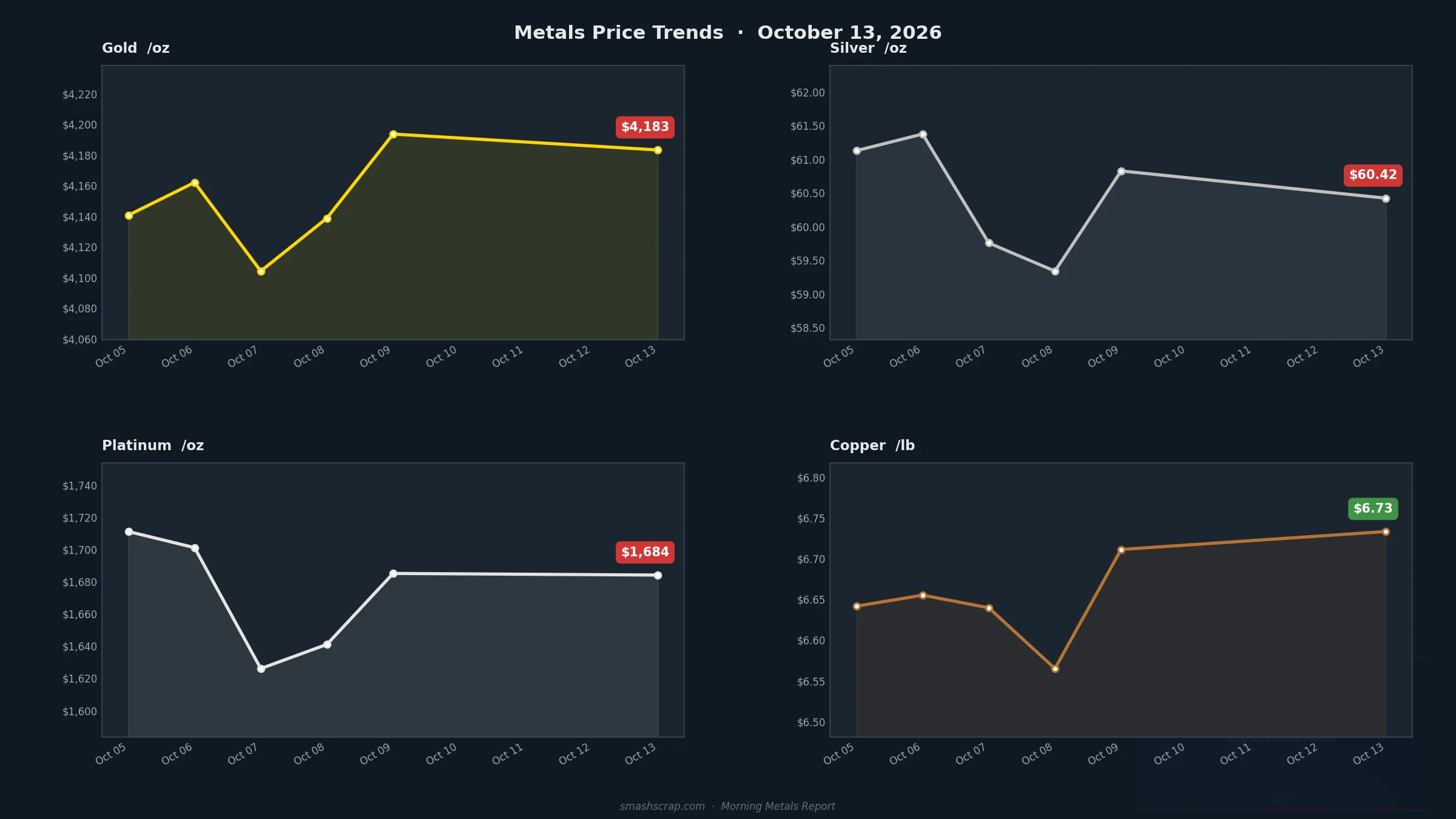
Whether you're tracking copper scrap prices, watching platinum, palladium, and rhodium values on your cat cores, or trying to move aluminum in volume, the underlying dynamic is the same: documentation and compliance give buyers the confidence to bid. More bids means better price discovery. Better price discovery means better outcomes for your yard. That's the SMASH model — and it's built for yards that take compliance seriously.
If you're running a compliant operation and still selling to a single buyer with a phone call, you're leaving money on the table. The market has moved. It's time your sales process did too. Join Canada's B2B scrap marketplace and register at smashrecycling.ca — your documentation is already an asset. Put it to work.
---Frequently Asked Questions
Q: What environmental regulations apply to scrap metal recycling in Scarborough, Ontario?
Scrap yards in Scarborough operate under a combination of Ontario's Environmental Protection Act, municipal zoning bylaws specific to Toronto (of which Scarborough is a district), and federal regulations like the Fisheries Act. Key requirements include proper fluid management, designated substance handling, stormwater containment, and hazardous waste documentation. OARA provides certification programs that help Ontario yards structure compliant operations.
Q: Can I recycle my old catalytic converter through a compliant scrap process in Ontario?
Yes. Catalytic converters removed from end-of-life vehicles can be recycled through licensed scrap yards that document removal, storage, and chain of custody. In Ontario, compliant recyclers track serial numbers and maintain records to support legitimate resale to refiners. Platforms like SMASH connect documented cat core sellers with vetted buyers who bid competitively on verified inventory.
Q: How does environmental compliance affect scrap metal prices in Ontario?
Compliance documentation directly affects buyer confidence, which influences bids. Documented loads — with fluid drain records, photo evidence, and proper manifests — reduce risk for buyers, which typically results in stronger, more competitive offers. Undocumented or poorly documented inventory discounts for unknown risk. The connection between compliance and price isn't incidental; it's structural in how serious B2B buyers evaluate material.
Q: What is a scrap metal auction platform and how does it benefit compliant scrap yards in Scarborough?
A scrap metal auction platform connects sellers with multiple vetted buyers who compete for documented inventory in an open bidding process. For compliant yards in Scarborough, this means the documentation you already produce for regulatory purposes — fluid logs, photos, packing lists — becomes a selling tool that drives competitive bids. SMASH operates on a no-subscription model, so sellers only pay when they sell.
Q: How do OARA and ARC support Canadian scrap metal recyclers with environmental compliance?
The Ontario Automotive Recyclers Association (OARA) offers certification programs including AREC standards that provide a structured compliance framework for automotive recyclers across Ontario. The Automotive Recyclers of Canada (ARC) advocates nationally for consistent, reasonable standards and connects members with best practice resources. Both organizations are well-regarded by regulators and buyers as markers of operational credibility.
---Stay current on scrap metal market trends, auction platform updates, and Canadian recycling industry news — follow SMASH on LinkedIn for regular insights from inside the industry.