Edmonton Automotive Recyclers: Digital Marketplace Edge
The Old Way of Buying Scrap Metal Is Dying — Here's What's Replacing It
Ask any automotive recycler in Edmonton what buying scrap looked like five years ago and you'll hear the same story: phone calls, favours, guessing games, and a whole lot of hoping you weren't leaving money on the table. That model worked when information was hard to get. In 2026, it's a liability. More scrap metal buyers across Canada are moving to online platforms — not because it's trendy, but because the economics are undeniable.
This isn't a story about technology for technology's sake. It's about who controls the price, who has access to inventory, and who gets left out when the market moves. If you're still sourcing loads the old way, this list will tell you exactly what you're missing.
1. Online Platforms Give Buyers Access to More Inventory — Faster
The single biggest driver pushing buyers toward digital platforms is simple: volume. A buyer working the phones can reach a handful of yards on a good day. A buyer on a B2B scrap metal marketplace like SMASH can see documented loads from yards across Alberta, British Columbia, Ontario, and beyond — all in one place, all with photos, weights, and condition notes attached.
For automotive recyclers in Edmonton specifically, this matters. Alberta's scrap market has always been active, but it's geographically spread out. Loads that used to go unseen — sitting in a yard 200 kilometres away — now surface on platforms where buyers can evaluate and bid without making a single cold call. That kind of reach used to require a broker. Now it doesn't.
- Documented inventory with photo evidence means fewer surprises at the gate
- VIN lookup and serial tracking give buyers confidence on automotive cores and parts
- Loads are available around the clock — not just during business hours
- Buyers can filter by metal type, load size, and location without back-and-forth
In scrap metal recycling Edmonton circles, the shift is already visible. Buyers who adopted platforms early are sourcing more efficiently. Those still relying on relationships alone are finding the best loads move before they even hear about them.
2. Competitive Auctions Reveal the Real Market Price
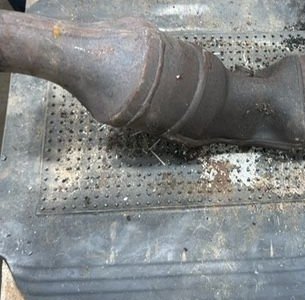
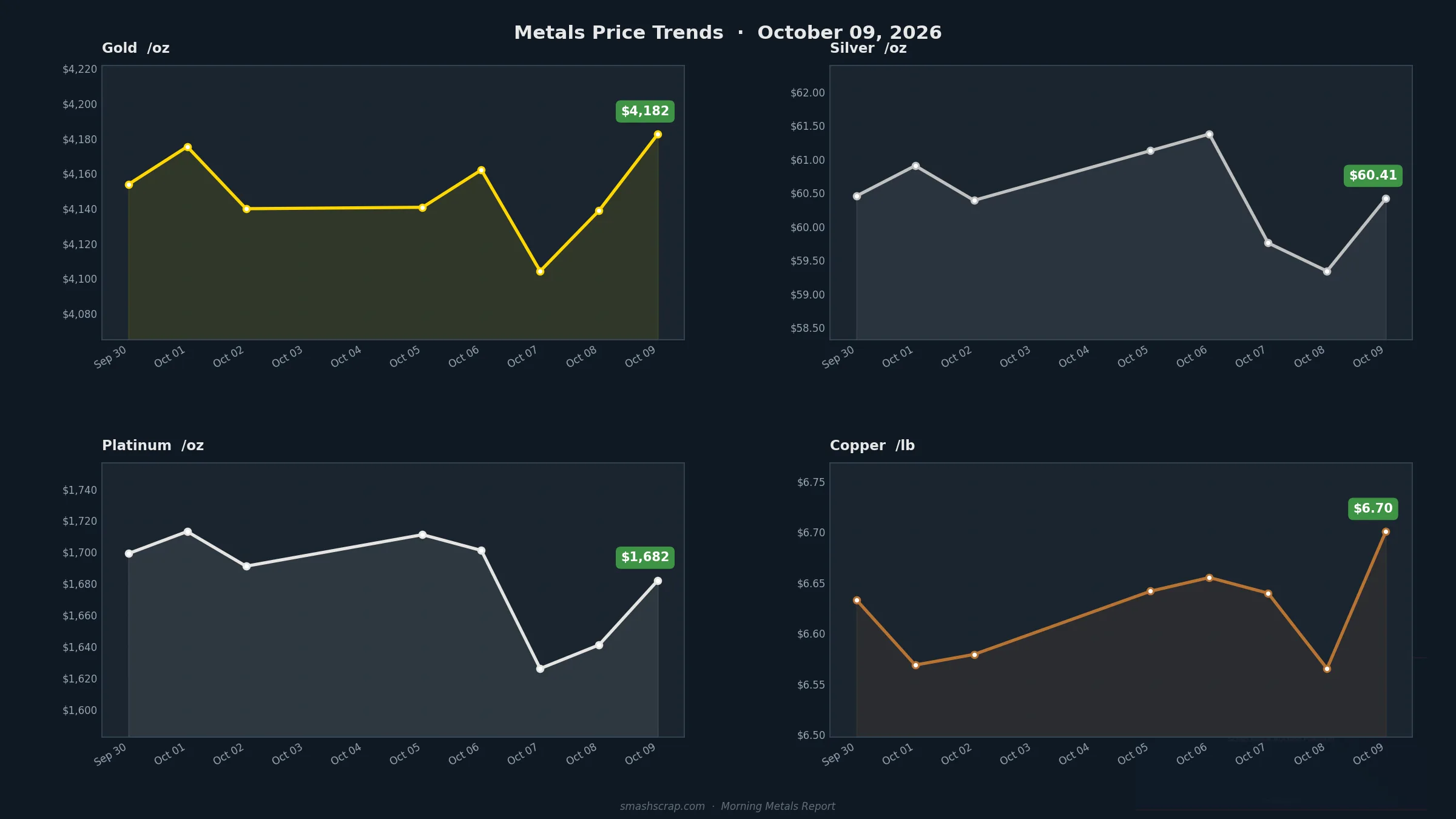
Here's the uncomfortable truth about the old phone-call model: the buyer almost always had more information than the seller. They knew where copper scrap prices sat that morning. They knew what catalytic converter prices today looked like based on platinum price, palladium price, and rhodium price movements. The seller was guessing. The buyer wasn't.
Online auction platforms flip that dynamic. When multiple vetted buyers bid on the same load, the price isn't set by whoever picked up the phone first — it's set by competition. More buyers in the room means better price discovery. That's not a sales pitch. That's how markets work. And for buyers who are serious about long-term sourcing relationships, this transparency is actually an advantage: sellers come back to platforms where they feel the deal was fair.
The SMASH scrap metal auction model is built on exactly this principle. Sellers list documented loads. Vetted buyers compete. The result reflects actual market conditions — not whoever blinked first on a phone call. For buyers, the discipline of bidding against real competition sharpens sourcing strategy in a way that negotiating in a vacuum never does.
3. Documentation Protects Buyers as Regulations Get Tighter
Compliance pressure on scrap metal transactions has increased steadily across Canada. Provinces are tightening rules around who can sell what, when, and with what documentation attached. For auto wreckers across Canada, this is especially true for high-value materials: catalytic converters, copper wire, and automotive cores all carry regulatory attention that didn't exist a decade ago.
Organizations like the Automotive Recyclers of Canada (ARC) and the Ontario Automotive Recyclers Association (OARA) have pushed for standardized documentation practices precisely because undocumented transactions create liability for everyone in the chain — buyers included. When a buyer purchases a load with no paper trail, the risk doesn't disappear. It just shifts.
Online platforms solve this by building documentation into the transaction itself. On SMASH, sellers upload photos, packing lists, and BOLs before a load goes to auction. Serial tracking on cores. VIN lookup for automotive materials. GST/HST handling baked into auto-invoicing. Every transaction leaves a paper trail that protects the buyer, satisfies compliance requirements, and makes the entire chain auditable if it needs to be.
- Photo documentation reduces disputes about load condition
- Auto-invoicing with GST/HST handling simplifies bookkeeping
- Serial and VIN tracking supports compliance on regulated materials
- Full transaction records protect buyers during audits or regulatory reviews
4. The Data Advantage Is Real — and It Compounds Over Time
Every transaction on an online platform generates data. Bid history. Price trends by material type. Seasonal patterns. Load volumes by region. Buyers who've been active on platforms like SMASH for 12 to 24 months have a fundamentally different view of the market than buyers still working from gut instinct and relationship calls.
For buyers sourcing non-ferrous materials — copper, aluminum, catalytic converter PGMs — this matters enormously. The copper recycling process is well understood, but knowing what a grade of copper is actually trading for at auction in Edmonton versus Vancouver versus Toronto is a different kind of intelligence. That price transparency didn't exist in a relationship-only model. It does now.
Scrap metal prices today move fast. Platinum, palladium, and rhodium values shift with global commodity markets. A buyer who's tracking bid history across dozens of transactions has a calibrated sense of where prices should land. A buyer making one call a day to one yard is flying blind by comparison. The data advantage isn't subtle — it's structural, and it widens every quarter a buyer stays active on the platform.
5. No Subscription Fees — Online Platforms Work When You Work
One objection that comes up from buyers new to online platforms: "What's the catch?" In the case of SMASH, the model is straightforward. No subscription fees. The platform only makes money when transactions close. That alignment — platform wins when buyer and seller both win — changes the dynamic entirely.
Compare that to the old model, where brokers took a cut regardless of whether the price was fair, or where a buyer's relationship advantage came at the cost of information asymmetry for the seller. The fee structure on a well-built B2B platform isn't a hidden tax on transactions. It's a transparent cost for access to inventory, vetted counterparties, and transaction infrastructure that would cost significantly more to replicate independently.
For buyers operating in Alberta — whether sourcing from Edmonton scrap metal services or pulling loads from yards across the province — the math is simple. Pay nothing to list, pay nothing to bid, pay a transaction fee on closed deals. That's a model that scales with your sourcing volume without adding fixed overhead.
6. Vetted Sellers Mean Fewer Bad Loads and Less Wasted Time
Every buyer has a story about showing up to pick up a load that wasn't what the seller described. Wrong grade. Underweight. Contaminated. Missing materials that were supposedly included. In the phone-call world, your only protection was the seller's reputation — and reputations in fragmented markets are hard to verify.
On a platform like SMASH, seller verification is built into access. Yards go through a vetting process before they can list. Documentation requirements filter out casual or careless sellers before a load ever hits auction. Buyers on the SMASH Scrap — where verified buyers bid on your metal platform are bidding against documented inventory from sellers who've agreed to platform standards — not anonymous listings with no accountability.
This isn't a guarantee that every load is perfect. But it's a structural improvement over a model where due diligence was entirely the buyer's problem and bad actors faced no platform-level consequences. For buyers who've burned time and fuel on misrepresented loads, the value of seller verification is immediately obvious.
If you're ready to see how this plays out in practice, explore SMASH Recycling's auction platform and see what documented, vetted inventory actually looks like before a bid is placed. Want more context on how the scrap market is evolving? Read the latest from SMASH Recycling for ongoing market commentary and platform updates.
The Shift Is Already Happening — Don't Get Left Behind
The buyers who moved to online platforms early aren't looking back. They're sourcing more loads, spending less time on the phone, working with better documentation, and building a data advantage that grows with every transaction. The buyers still working the old way are competing for the scraps — literally — that the platform buyers pass on.
Edmonton's scrap market is active, competitive, and increasingly connected. Automotive recyclers across Alberta are listing documented loads and expecting buyers who show up prepared, move fast, and close clean. If your sourcing strategy doesn't match that pace, you're not just leaving efficiency on the table — you're ceding ground to buyers who have already made the shift.
The case for online platforms isn't theoretical. It's playing out in real transactions, on real loads, right now. Join Canada's B2B scrap marketplace on SMASH Recycling and start sourcing the way the market is actually moving in 2026.
Frequently Asked Questions
Q: What makes a B2B scrap metal marketplace different from just calling a yard directly?
A B2B platform creates competition among multiple buyers on the same load, which drives better price discovery for sellers. For buyers, it means access to documented, verified inventory from yards you might never have reached by phone — without the overhead of building and maintaining dozens of individual relationships.
Q: Are automotive recyclers in Edmonton actually using online scrap platforms in 2026?
Yes. Edmonton and the broader Alberta market have seen meaningful adoption of online platforms among yards looking for better price visibility and more consistent buyer competition. The shift accelerated as documentation requirements tightened and yards recognized the value of having a verifiable transaction record on every load.
Q: How does SMASH handle compliance documentation for high-value materials like catalytic converters?
SMASH builds documentation into the listing process. Sellers upload photos, packing lists, and BOLs before a load goes to auction. Serial tracking and VIN lookup are available for automotive materials. Auto-invoicing handles GST/HST, which simplifies compliance for both sides of the transaction. This paper trail protects buyers and sellers alike during audits or regulatory reviews.
Q: Do buyers pay a subscription fee to access the SMASH auction platform?
No. SMASH operates without subscription fees. The platform earns on closed transactions, which means the incentive structure is aligned — the platform only wins when the deal gets done. There's no cost to register, evaluate inventory, or place bids.
Q: How do I find scrap metal recycling services in Edmonton as a buyer?
The most efficient approach in 2026 is to use a vetted B2B marketplace where Edmonton yards list documented loads for competitive bidding. This gives you visibility into available inventory without cold-calling individual yards. SMASH connects buyers with sellers across Edmonton and Alberta, with full documentation and a transparent auction process.
Stay connected with SMASH for scrap metal market insights and industry updates — follow us on LinkedIn to see what's moving in the Canadian scrap market.