Winter Scrap Prices in Saskatoon: Summer Strategy Guide
Canadian Winters Don't Just Freeze Roads — They Freeze Scrap Metal Prices Too
If you've been watching scrap metal prices today and wondering why your returns shifted heading into the warmer months, you're not imagining it. Seasonal demand cycles are one of the most underappreciated forces in the Canadian scrap market — and for yards doing auto recycling in Saskatoon, understanding those cycles is the difference between moving inventory at the right time and leaving money on the table.
This week's roundup breaks down how Canadian winters shape price behaviour, what that means for ferrous and non-ferrous metals heading into summer 2026, and how smarter scrap metal inventory management can help you work the calendar instead of fighting it.
What Canadian Winters Actually Do to Scrap Supply and Demand
The mechanics are straightforward once you see them. Winter slows construction. Fewer builds means less structural steel demand. Manufacturing output dips in some sectors. And on the supply side, frozen ground and brutal temperatures — especially across the Prairies — make dismantling, sorting, and moving loads harder and more expensive.
In Saskatchewan, this isn't a marginal inconvenience. It's months of compressed activity. Yards in Saskatoon deal with shortened operating windows, vehicles that arrive caked in ice, and buyers who may be slower to commit on large loads when logistics get complicated. The result: price discovery gets murkier, and yards that rely on a single buyer relationship often end up accepting whatever that one buyer is willing to offer during a slow period.
That's the old way. One phone call. One price. No leverage.
The flip side — spring and summer — is when supply surges. Vehicles come out of storage. Demolition projects restart. Dismantlers process the backlog of winter inventory. This is when competition among buyers should be working in your favour. The question is whether your operation is positioned to capture it.
Non-Ferrous Metals: Copper, Catalytic Converters, and Seasonal Price Signals
Ferrous metal (steel, iron) tends to track construction cycles most closely. Non-ferrous tells a more complex story — and that's where yards with good documentation and scrap metal inventory management systems can pull ahead.
Copper recycling in Saskatoon follows global demand signals — housing starts, electrical infrastructure buildout, and manufacturing — but it also responds to local supply patterns. Winter slowdowns in construction often mean copper scrap supply tightens slightly, which can support prices. Then as spring projects ramp up and demolition work restarts, you see both more supply and stronger industrial demand competing against each other. Right now, mid-June 2026, copper is in that transition window. If you're holding copper scrap, the competitive bid environment matters as much as the spot price.
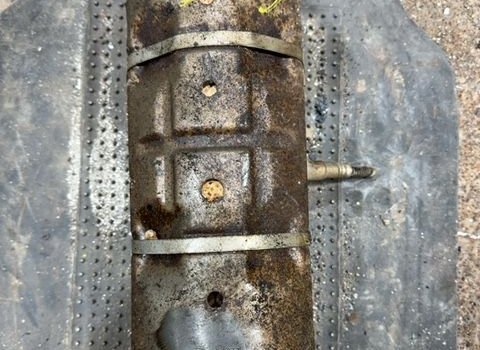
Catalytic converters are a different animal entirely. If you're asking "can I recycle my old catalytic converter?" — yes, absolutely, and the value is real. Cats carry platinum, palladium, and rhodium in their ceramic substrate. These platinum group metals (PGMs) trade on global markets and don't follow the same seasonal curves as base metals. Platinum price, palladium price, and rhodium price respond more to automotive production forecasts, emissions regulation shifts, and industrial catalyst demand than to whether it's January in Saskatoon.
What seasonality does affect with cats: how many are available. Winter months slow auto dismantling. As spring arrives and vehicles get processed, the volume of cores moving through the market increases. More volume moving at once means buyers get more selective unless you can document what you have. Serial tracking, photo documentation, and accurate grading are what separate a fast, competitive sale from a slow negotiation that ends below market.
SMASH uses serial tracking and photo documentation built into the platform — so when buyers bid on your cats, they're bidding with confidence on documented inventory, not guessing. That confidence drives better price discovery. Get competitive bids for your scrap metal and stop leaving the market rate on the table.
Scrap Metal Inventory Management: Working the Seasonal Cycle, Not Against It
Most yards don't have a pricing problem. They have a timing and documentation problem. Holding a load of mixed non-ferrous through a slow winter and then dumping it at the first spring inquiry isn't strategy — it's convenience. Real scrap metal inventory management means knowing what you have, when demand is likely to peak, and how to put that inventory in front of multiple buyers simultaneously.
Here's what that looks like in practice:
- Catalogue your inventory as it comes in. Cats get serial numbers logged. Copper gets weighed and graded. Cores get photographed. Every load gets a packing list. This isn't extra work — it's what makes your inventory sellable to buyers who aren't standing in your yard.
- Watch the calendar, not just the spot price. Mid-spring through early fall is historically when buyer competition is strongest in Canadian markets. If you have flexibility on timing, that window often produces better outcomes than moving material in the depths of February.
- Don't rely on one buyer relationship for price discovery. If one buyer knows you'll call them first every time, they have no reason to sharpen their offer. Competition is the mechanism that reveals true market value.
- Use an auction format for loads where the spread matters. For high-value non-ferrous, PGM-bearing material, or large ferrous loads, putting the sale into a structured auction with vetted buyers creates real competition. That's fundamentally different from a phone call where one person decides what to pay.
Platforms like SMASH are built specifically for this. The auction format, the buyer vetting, the inventory tools — they exist because the old way of selling scrap is structurally broken. More buyers means better price discovery. That's not a sales pitch; it's how markets work.
For yards offering Saskatoon scrap metal services, this is especially relevant. Saskatchewan's market is regional, which means local buyers know the competitive landscape — or lack of one. Adding national and cross-regional buyers through a platform like SMASH changes that equation entirely.
Industry Standards and Why Documentation Matters More in a Seasonal Market
The Automotive Recyclers of Canada (ARC) and the Ontario Automotive Recyclers Association (OARA) have both pushed hard on documentation standards and responsible dismantling practices — and for good reason. Buyers across Canada are increasingly scrutinizing inventory quality, especially for cats and cores where PGM content and grading have a direct line to value.
When the market tightens — as it does every winter — poorly documented inventory is the first thing buyers discount or pass on entirely. When the market opens up in spring and summer, documented inventory with clear photos, weights, and serial numbers moves faster and attracts more competitive bids. This isn't just best practice for compliance; it's directly tied to what you get paid.
For Canadian yards, following ARC guidelines on vehicle processing, fluid extraction, and parts documentation isn't separate from your commercial strategy. It's part of it. Buyers paying top dollar for catalytic converters and non-ferrous loads need confidence. Confidence comes from documentation. Explore SMASH Recycling's auction platform to see how the inventory tools support that process from intake to sale.
Where Prices Stand Heading Into Summer 2026
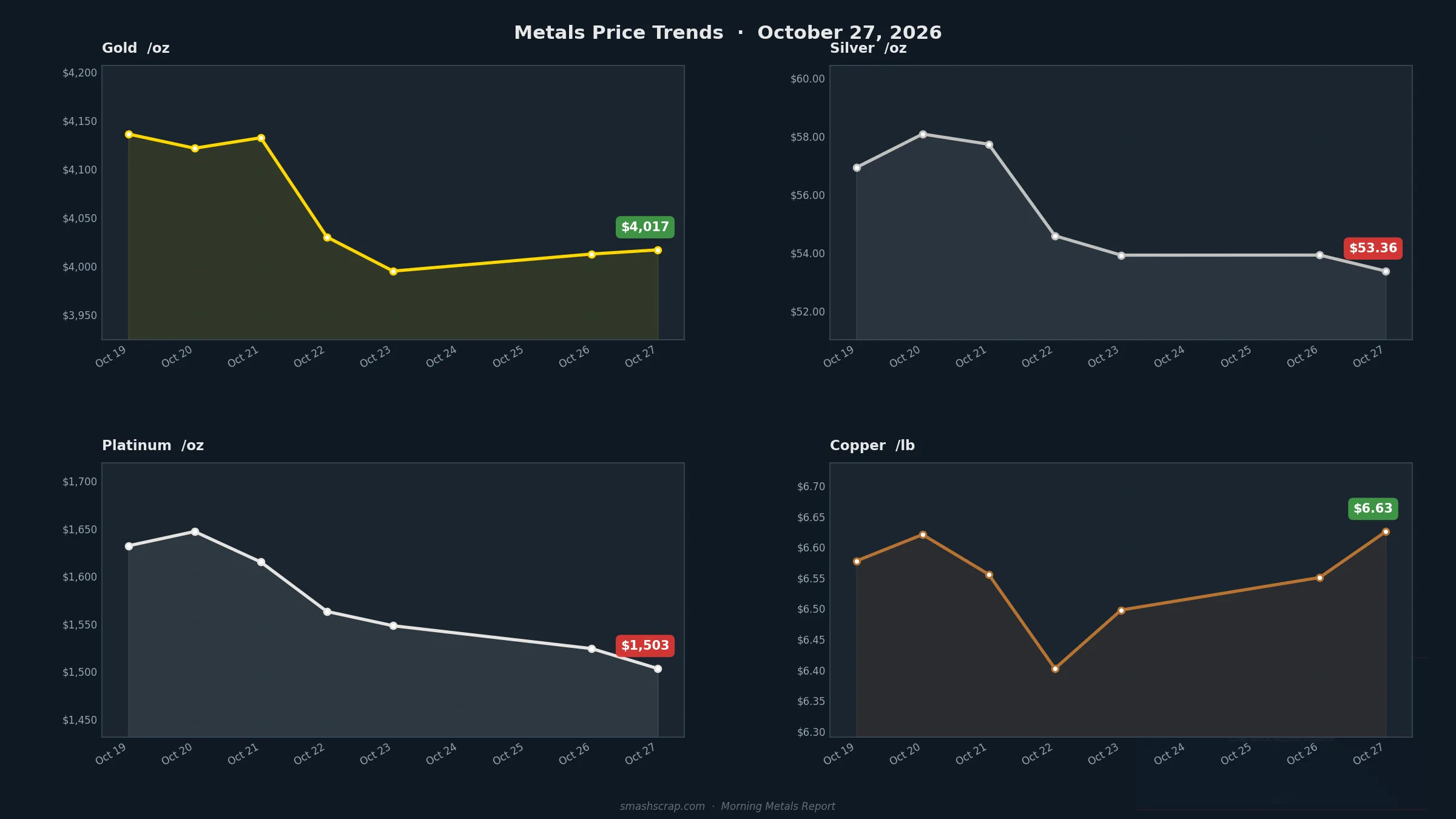
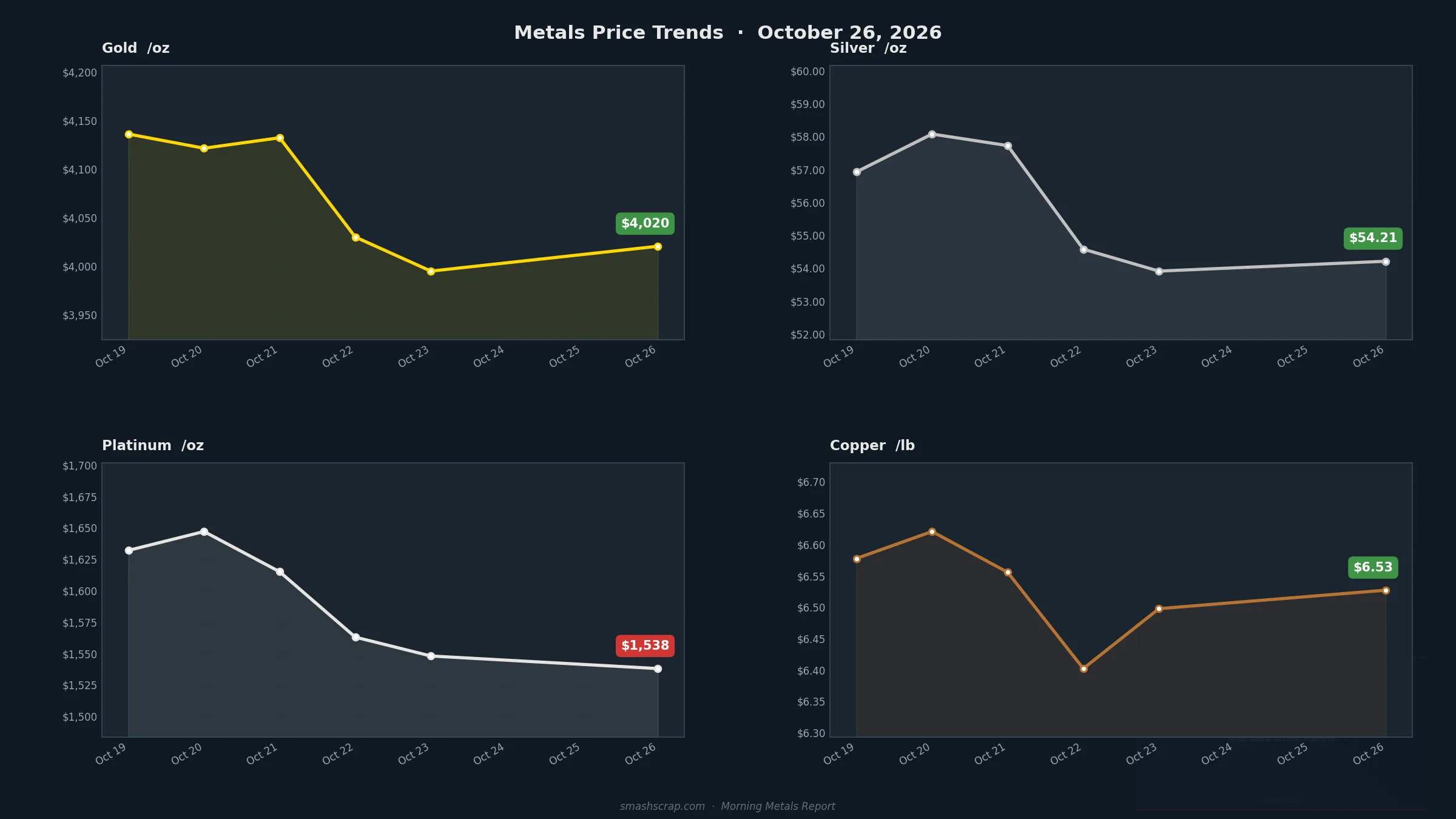
We won't invent numbers. Metal scrap prices in Canada fluctuate daily and are tied to LME spot rates, currency exchange (CAD/USD matters when buyers are cross-border), and regional supply conditions. What we can say heading into mid-June 2026:
- The post-winter supply surge is underway. Volume in the market is up as yards process backlogged inventory.
- Copper fundamentals remain driven by infrastructure and electrification demand — both active themes in 2026.
- Catalytic converter values remain tied to PGM markets, which are sensitive to automotive production data and industrial demand signals. Always check current rates before committing to a sale price.
- Ferrous pricing is tracking construction and manufacturing activity — watch for infrastructure project announcements as a leading indicator.
Disclaimer: Scrap metal prices fluctuate daily. The information above reflects general market conditions as of June 2026. Always verify current rates before making selling decisions.
The best move right now? Don't lock into a single buyer's offer during what should be a competitive selling window. Put your loads in front of multiple vetted buyers and let the bids tell you what the market actually thinks your material is worth. Read the latest from SMASH Recycling for ongoing market updates and yard strategy.
Stop Selling Scrap the Old Way
One buyer. One phone call. One price with no context. That's been the default for decades in Canadian scrap — and it consistently underserves sellers, especially in markets like Saskatoon where local buyer competition is limited by geography.
SMASH fixes the structural problem. Vetted buyers, competitive auctions, documented inventory, auto-invoicing with proper GST/HST handling, and no subscription fees. We only win when you win. If you're running a yard in Saskatchewan or anywhere across Canada and you're still relying on a single buyer relationship to set your price, you're working against yourself.
The seasonal cycle is real. The spring selling window is open. Join Canada's B2B scrap marketplace on SMASH Recycling and stop guessing what your material is worth — let competition tell you.
Frequently Asked Questions
Q: How do Canadian winters affect scrap metal prices in Saskatoon?
Winter slows both supply and demand — fewer vehicles get processed, construction activity drops, and logistics become harder in Prairie conditions. This often creates downward pressure on prices during peak winter months, with a rebound as spring activity picks up. Yards that time their larger sales for the spring-summer window often see more competitive bids simply because buyer activity is higher.
Q: Can I recycle my old catalytic converter in Saskatoon?
Yes. Catalytic converters contain platinum group metals — platinum, palladium, and rhodium — and have real recoverable value. Bring them to a licensed auto recycler or list them through a platform like SMASH where vetted buyers bid competitively. Documentation (serial numbers, photos) helps you get better offers because buyers can accurately assess what they're purchasing.
Q: What affects catalytic converter prices today in Canada?
PGM spot prices (platinum, palladium, rhodium) are the primary driver — these trade on global markets and shift daily. The grade and condition of the cat, the OEM source, and whether you can document the unit with a serial number all affect what buyers will pay. Check current PGM rates before accepting any offer, and always get multiple bids rather than accepting the first one.
Q: How does copper recycling pricing work in Saskatoon?
Copper scrap prices track LME (London Metal Exchange) spot rates and are influenced by the CAD/USD exchange rate since much of the market is cross-border. Local supply conditions also play a role — in Saskatchewan, construction project activity and demolition cycles affect how much copper is available at any given time. For significant volumes of copper scrap, a competitive auction format helps ensure you're getting market rate rather than one buyer's internal margin preference.
Q: What is a B2B scrap metal marketplace and how is it different from selling direct?
A B2B scrap metal marketplace like SMASH connects recycling yards and industrial sellers with a vetted network of buyers through a structured auction format. Instead of calling one buyer and accepting their offer, you post documented inventory and multiple buyers compete. This creates genuine price discovery — the market tells you what your material is worth, not one buyer's internal margin calculation. No subscription fees, and auto-invoicing handles the paperwork.
Stay current on scrap metal market movements and yard strategy — follow SMASH Recycling on LinkedIn for weekly industry updates, price signals, and practical insights for Canadian scrap operators.