Automotive Recyclers Cambridge: Compete Beyond One Buyer
Cambridge Yards Are Already Trading Smarter — Is Your Yard Next?
The scrap yards still calling one buyer and hoping for a fair number are falling behind. Not slowly — fast. Across Ontario, automotive recyclers are waking up to a simple truth: the old way of selling scrap is expensive, and you're the one paying for it. Whether you're moving catalytic converters, non-ferrous loads, or full vehicle cores out of Cambridge, the difference between a guessed price and a competed price can be significant.
This isn't a forecast about some distant future. The shift is happening now, in 2026, across Canadian yards of every size. The automotive recyclers Cambridge community — and the broader Ontario market — is one of the clearest examples of where B2B scrap trading is heading: digital, transparent, and driven by real buyer competition rather than relationship pricing.
Here's what that future looks like, what's pushing it forward, and how yards are already winning because of it.
Why the Single-Buyer Model Is Breaking Down Across Canada
For decades, the playbook was simple: you knew a buyer, you called them, you took their number. Maybe you shopped it once or twice. But mostly, you moved the metal and moved on. It worked — until the market got complicated.
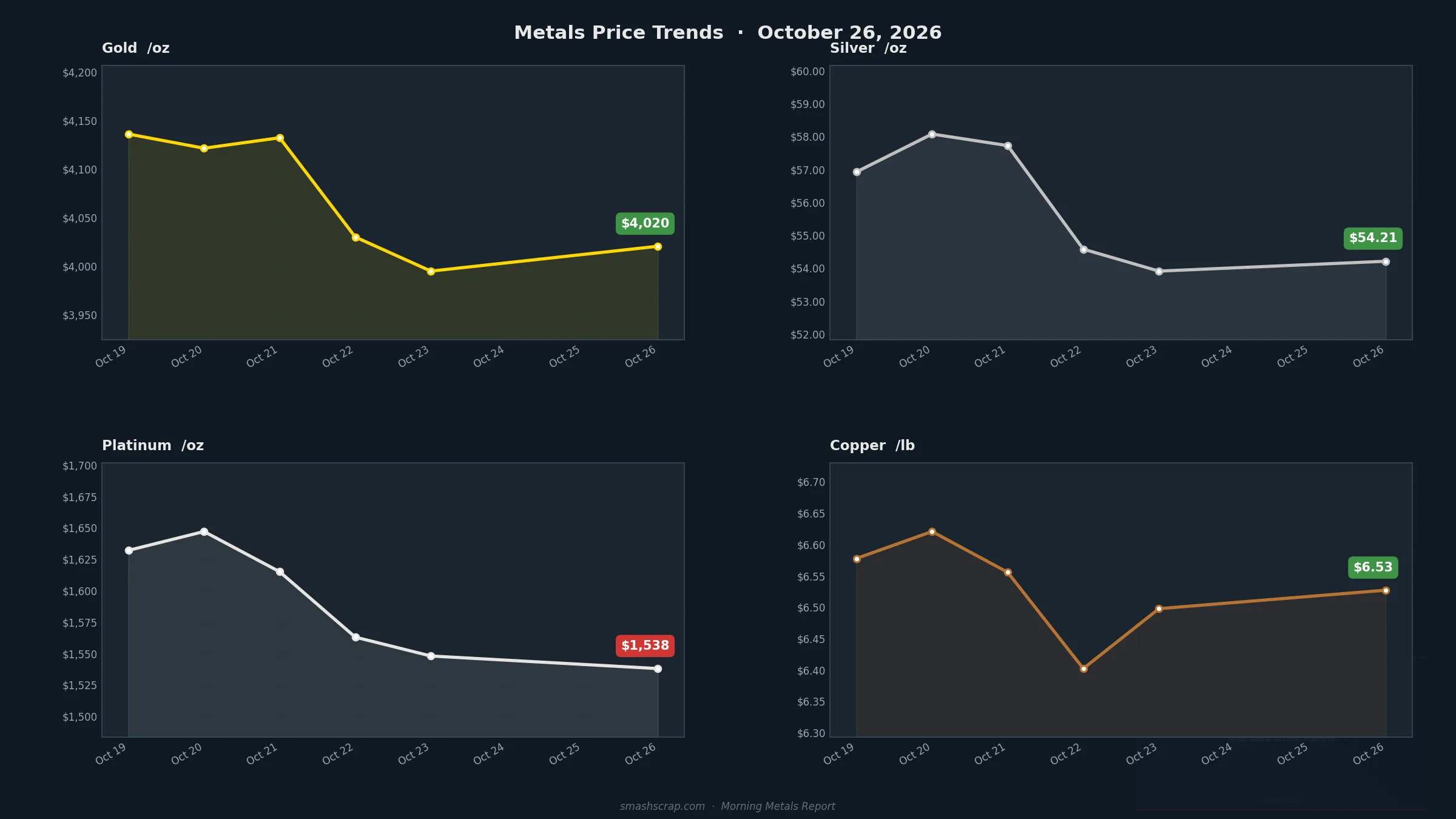
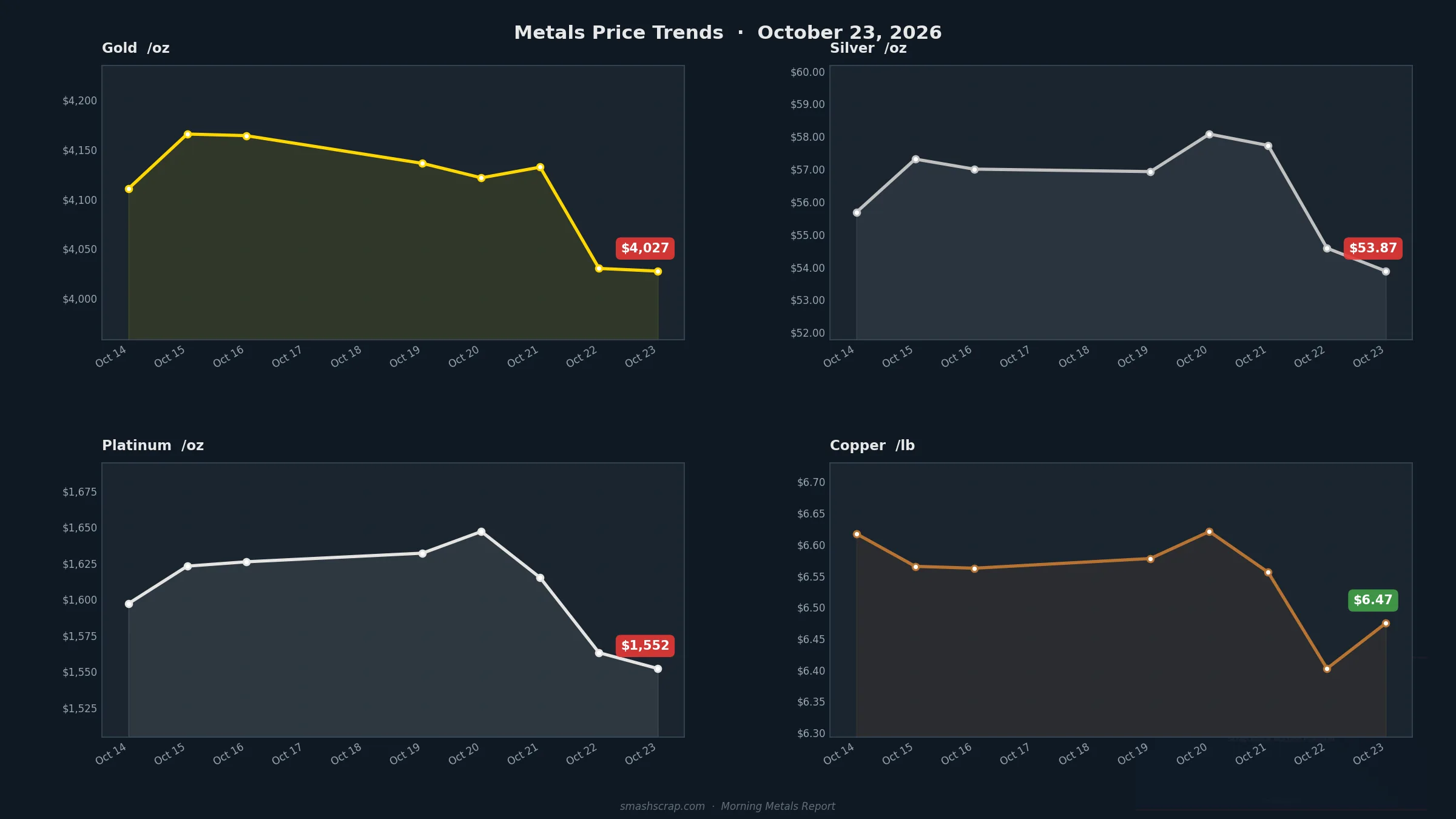
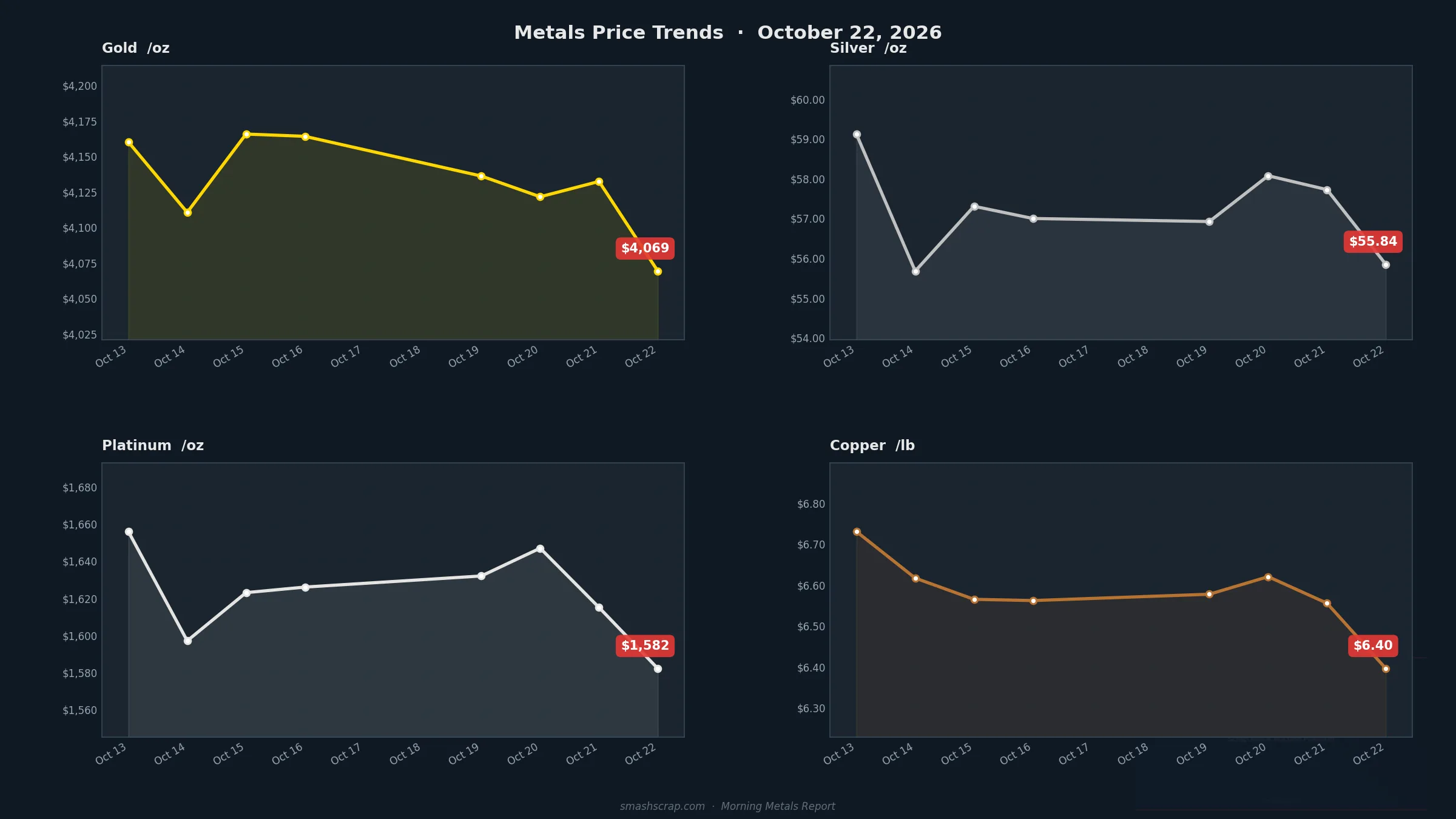
Catalytic converter prices are a good example. Platinum, palladium, and rhodium prices swing hard and fast. Palladium alone has seen dramatic volatility over the past several years, and that volatility hasn't settled. When you're sitting on a pile of cats and calling one refiner, you're not getting the market — you're getting their margin on top of the market. The same logic applies to copper scrap prices, aluminum, and high-grade non-ferrous loads.
The single-buyer model also falls apart on documentation. Modern buyers — especially institutional ones — need proper packing lists, serial tracking, photo documentation, and sometimes VIN-level traceability. Yards that can't deliver that documentation are getting cut out of the better-paying accounts, full stop. The join Canada's B2B scrap marketplace on SMASH Recycling model exists precisely because this gap has grown too wide to ignore.
What Transparent Auction Trading Actually Means for Scrap Metal Inventory Management
Auction-based B2B trading isn't just about getting more bids. It's about building a system where your scrap metal inventory management finally works the way it should — tied directly to your sale process, not sitting in a spreadsheet that no buyer ever sees.
When you document a load properly — photos, weights, grades, condition notes — and put it in front of vetted buyers simultaneously, a few things happen:
- Buyers compete on price, not on who got there first or who you called last.
- Price discovery improves, because multiple buyers reveal what the market actually values that load at.
- Your documentation becomes an asset, not just paperwork. A well-documented load of mixed cats or copper scrap attracts more confident bids.
- Auto-invoicing and BOL generation mean less back-and-forth after the sale closes.
For Cambridge yards processing high volumes of end-of-life vehicles, this matters especially when it comes to catalytic converter management. Knowing whether you're holding a diesel particulate filter versus a standard three-way cat versus a high-value foreign unit — and having that documented with photos and serial tracking — is the difference between leaving money on the table and capturing full market value. SMASH's inventory tool is built for exactly this workflow.
The Cambridge and Ontario Market: Why Local Yards Have a Real Advantage Right Now
Cambridge sits in one of the most active industrial and automotive recycling corridors in the country. The surrounding Golden Horseshoe region generates significant volumes of end-of-life vehicles, industrial scrap, and non-ferrous material. Ontario's robust auto sector means automotive recyclers Cambridge and nearby yards are often sitting on high-value loads — particularly cats, copper wiring harnesses, and aluminum castings from late-model vehicles.
The Ontario Automotive Recyclers Association (OARA) and the Automotive Recyclers of Canada (ARC) have both pushed hard on industry standards around documentation, environmental compliance, and best practices for end-of-life vehicle processing. Yards that are already aligned with OARA and ARC standards are well-positioned to participate in transparent digital marketplaces, because the documentation discipline those organizations promote maps directly onto what buyers on a platform like SMASH expect to see.
That's a real competitive edge. Yards in Cambridge and across Ontario that invest in proper inventory documentation and digital trading are pulling ahead of yards still running on handshakes and spreadsheets. If you want a head start, Cambridge scrap metal services through SMASH gives you exactly that kind of infrastructure.
How Much Is a Recycled Catalytic Converter Worth — And Why You Keep Getting Different Answers
This question comes up constantly: how much is a recycled catalytic converter worth? The honest answer is: it depends, and the range is wider than most yard operators realize.
Catalytic converter value is driven by three precious metals — platinum, palladium, and rhodium. Rhodium prices, in particular, have been among the most volatile of any commodity in recent memory. A high-rhodium converter from a late-model European vehicle can be worth multiples of a standard domestic unit. But here's the problem: if you're calling one buyer, you're getting their read on the market at that moment, filtered through their margin requirements.
More buyers competing for your cats — especially vetted industrial buyers who know exactly what they're processing — means better price discovery. That's not a guarantee of a higher price on every load. But it is a guarantee that you're actually seeing the market instead of one buyer's version of it. Secondary keywords like sell catalytic converters online and catalytic converter prices today are surging in search volume for a reason: yard operators across Canada are looking for a better way to understand what their material is actually worth.
Disclaimer: catalytic converter prices and precious metal prices fluctuate daily based on commodity markets. Always check current rates before selling.
The SMASH Scrap Metal Auction Model: Built for B2B, Not Consumers
There are platforms that let anyone list scrap. SMASH isn't one of them. The SMASH scrap metal auction model is built specifically for B2B transactions — yards selling to vetted industrial buyers, not to the general public. That distinction matters because the risks in B2B scrap are different: payment reliability, volume handling, documentation requirements, and compliance expectations all operate at a different level.
Key features that make SMASH purpose-built for Canadian yard operators:
- Vetted buyer network — buyers are qualified before they bid, so you're not dealing with unknown counterparties.
- VIN lookup and serial tracking — critical for catalytic converters and cores where provenance matters.
- Photo documentation built into the listing workflow — not optional, not an afterthought.
- Auto-invoicing and BOL generation — less admin after the hammer drops.
- No subscription fees — SMASH only wins when the seller wins.
For auto wreckers Canada-wide, this model removes one of the biggest friction points in scrap trading: the gap between what you think your load is worth and what the market will actually pay. Explore SMASH Recycling's auction platform to see how the workflow applies to your yard's material mix.
What the Future of Canadian Scrap Trading Actually Looks Like
The yards that will lead the next decade of Canadian scrap trading aren't necessarily the biggest ones. They're the ones that get documentation right, understand their material at a granular level, and consistently put their loads in front of real competition instead of a single relationship buyer.
Digital B2B platforms — and specifically auction-based models — will become the default for high-value categories: cats, copper, cores, and specialty non-ferrous. Lower-value bulk ferrous will likely stay more relationship-driven, but even that segment benefits from price transparency and documented inventory.
Regulatory pressure around catalytic converter traceability will also continue to tighten across Canada. Proper serial tracking and photo documentation aren't just good business practice — they're increasingly a compliance requirement that responsible yards need to get ahead of. Platforms built with that compliance infrastructure already in place give yards a meaningful head start.
Whether you're running a mid-size operation in Cambridge, a large auto recycler in the GTA, or a regional yard anywhere in Ontario, the trajectory is clear: the B2B scrap metal marketplace is going digital, and the yards building those habits now are the ones that will own market share later. Read the latest from SMASH Recycling to stay current on market shifts and platform updates. You can also visit smashscrap.com for more on how the platform works across North America.
If you're ready to stop guessing and start competing, the path forward is straightforward: document your inventory properly, put it in front of vetted buyers, and let competition do what it's designed to do. Join Canada's B2B scrap marketplace on SMASH Recycling and find out what your loads are actually worth.
Frequently Asked Questions
Q: What makes SMASH different from calling my usual scrap buyer?
SMASH puts your load in front of multiple vetted buyers simultaneously, creating competition for your material instead of a single-buyer take-it-or-leave-it price. More buyers seeing your documented load means better price discovery. No subscription fees — SMASH only earns when you sell.
Q: Are automotive recyclers in Cambridge using digital auction platforms yet?
Adoption is growing quickly across Ontario, including in Cambridge. Yards that process significant volumes of catalytic converters, non-ferrous material, and end-of-life vehicles are leading the shift because the value of proper documentation and buyer competition is most visible in those high-value categories.
Q: How do I know what my catalytic converters are actually worth before listing them?
Catalytic converter value is driven by platinum, palladium, and rhodium content, which fluctuates daily with commodity markets. VIN lookup and serial tracking tools — available through SMASH's inventory platform — help you identify specific converter types and understand what the market has paid for similar material. Always check current precious metal prices before finalizing a sale.
Q: Do I need to be OARA or ARC certified to use SMASH?
No certification is required to list on SMASH. However, yards aligned with OARA and ARC standards are often already operating with the documentation discipline — photos, serial tracking, proper grading — that makes for stronger listings and more confident bids from buyers.
Q: What scrap metal categories can I sell through SMASH's auction platform?
SMASH is built for B2B scrap transactions across a range of categories, including catalytic converters, copper, aluminum, cores, and other non-ferrous loads. The platform is designed for yard-to-buyer volume transactions, not individual consumer sales. Contact jeff@smashscrap.com to discuss your specific material mix.
Stay current on Canadian scrap metal markets, pricing trends, and platform news — follow SMASH on LinkedIn for regular industry updates and market insights.