E-Waste Recycling Sherbrooke: Maximize Metal Value
Most yards leave money on the table — not because they don't know their metals, but because they're selling the wrong way. If you're still calling one buyer, taking whatever price they quote, and moving on, you're not running a business. You're running a favour. This guide breaks down exactly how to squeeze more value out of every load, whether you're managing a full recycling operation in Sherbrooke or running a lean yard somewhere across Quebec.
The primary keyword here is e-waste recycling Sherbrooke — and yes, it connects directly to this conversation. Electronic waste contains dense concentrations of copper, gold, and other non-ferrous metals. If you're not treating your e-waste stream with the same discipline as your ferrous loads, you're missing serious money.
Know What You Have Before You Sell It
This sounds obvious. It isn't practiced nearly enough. Selling a mixed, undocumented load to a single buyer is the fastest way to get a below-market price. Buyers need confidence in what they're bidding on. The less documentation you provide, the more risk they price into their offer — and that risk comes straight out of your margin.
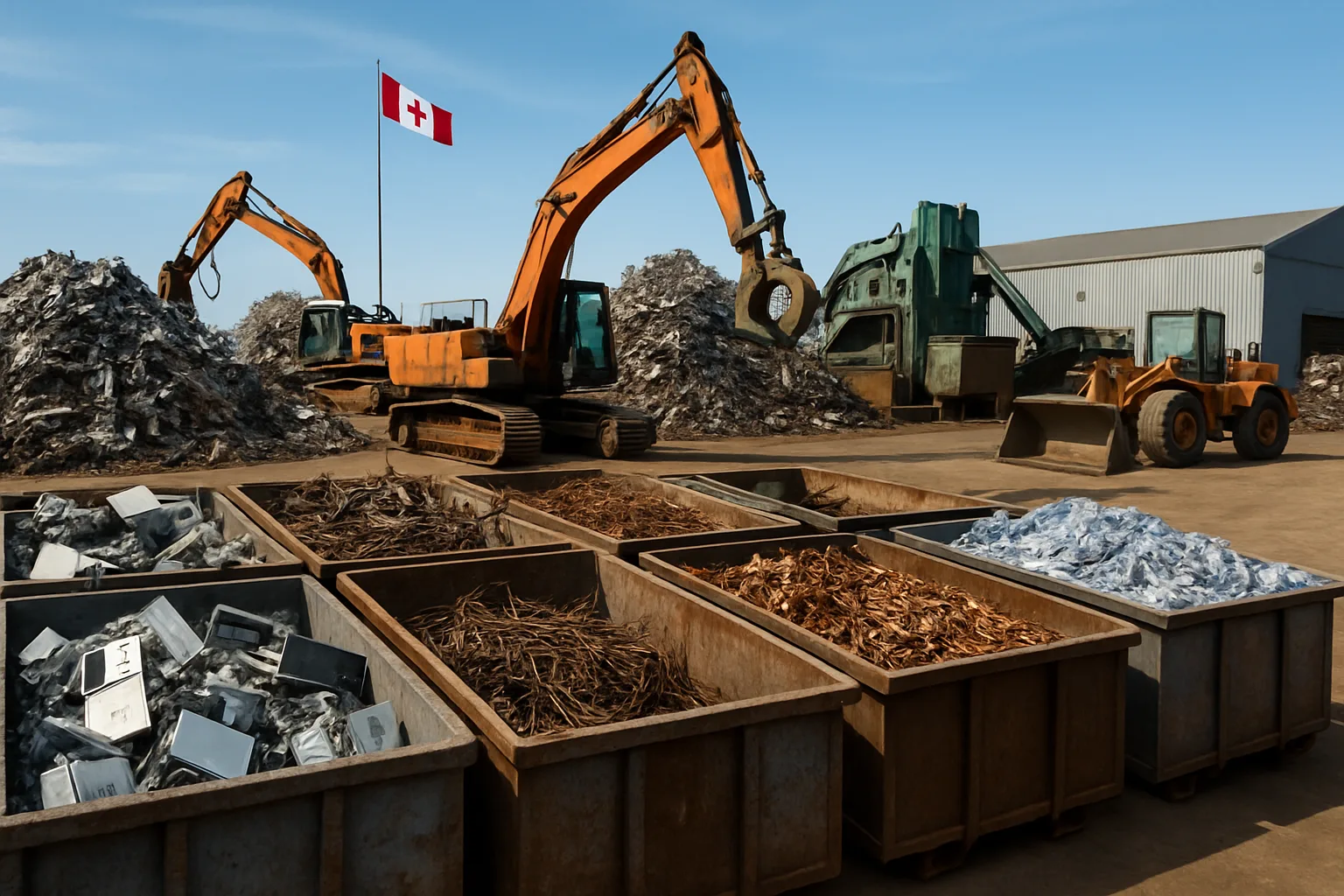
Start by sorting your material properly. Separate your ferrous from your non-ferrous. Break out your copper grades — bare bright, #1, #2, insulated — and don't let them ride in the same bin. Same with aluminum. Cast and extrusion command different prices. Lumping them together benefits the buyer, not you.
- Copper: Bare bright commands the highest price. Even modest sorting dramatically improves your return. And yes, copper is relatively easy to recycle — it can be melted and reformed without degradation, which is exactly why buyers pay a premium for clean, sorted copper loads.
- Aluminum: Aluminum recycling prices per pound vary by grade. Extrusion typically fetches more than cast. Mixed or painted aluminum takes a haircut. Keep grades separated.
- Catalytic converters: PGM-bearing cats (platinum, palladium, rhodium) need serial tracking and photo documentation. Don't lump these in with scrap steel. Each unit has a distinct assay profile.
- E-waste: Circuit boards, power supplies, hard drives — these carry copper, gold, and tin. For yards near Sherbrooke doing e-waste recycling, this stream deserves its own handling process, not a corner of the general metal pile.
Documentation isn't paperwork for paperwork's sake. A packing list with weights, grades, and photos gives buyers real data to bid on. Real data produces competitive bids. Competitive bids reveal the actual market — not just what one buyer felt like paying on a Tuesday.
Stop Relying on One Buyer: How Metal Recycling Prices Canada Actually Work
The single-buyer model is comfortable. You know the guy. He calls every two weeks. He picks up the load. Done. But comfortable isn't the same as profitable. When you have one buyer, you have one data point. That's not price discovery — that's a guess dressed up as a transaction.
Metal recycling prices in Canada fluctuate constantly. LME movements, shipping costs, mill demand, seasonal patterns — all of it shifts. A buyer who knows you're not shopping the load has every incentive to low-ball. Not because they're dishonest. Because that's how procurement works. You'd do the same.
The fix is competition. When multiple vetted buyers are bidding on the same documented load, you stop guessing and start discovering what the market actually values your material at. That's not a theoretical benefit — it's the structural difference between a single quote and an auction.
Platforms like the SMASH scrap metal auction marketplace exist precisely for this reason. You post your load. Vetted buyers compete. You see what real demand looks like for your specific material on that specific day. No subscription fees. No middleman taking a flat cut regardless of outcome.
Document Everything — Your Inventory Is Your Leverage
Buyers pay more when they trust what they're buying. Trust comes from documentation. This isn't a new idea, but most yards still treat inventory management like an afterthought.
Here's what proper documentation looks like in practice:
- Accurate weights: Get your material on a certified scale before you post it. Don't estimate. Buyers will factor uncertainty into their bids — and they won't factor it in your favour.
- Photos: Clear, current photos of the actual material. Not stock images. Not last month's load. The actual pile, the actual grade, the actual condition.
- Packing lists: Itemized by grade. If you're selling catalytic converters, include serial numbers. VIN lookup on automotive cores adds another layer of verification buyers respect.
- BOLs ready to go: Have your bill of lading prepared before the auction closes. Delays in paperwork slow payment and erode trust with buyers.
For yards doing e-waste recycling in Sherbrooke or across Quebec, this matters even more. E-waste assay can vary significantly between batches. A buyer bidding on a mixed board lot without documentation is guessing. A buyer bidding on a documented board lot with weights, photos, and grade separation is making an informed decision — and they'll pay accordingly.
Platforms built for scrap metal recycling in Canada — like SMASH Recycling's auction platform — include inventory tools, serial tracking, and photo documentation features specifically for this workflow. It's not a nice-to-have. It's how you turn a load into a credible listing that buyers compete on.
Time Your Lots Strategically
Timing matters. Not just in terms of when prices are high — you can't always control that — but in terms of when buyers are active and when your material is ready to move.
A few practical considerations for Canadian yards:
- Don't hold mixed loads too long: Mixed material doesn't age well. Oxidation, contamination, and sorting degradation all reduce value over time. Move sorted lots faster.
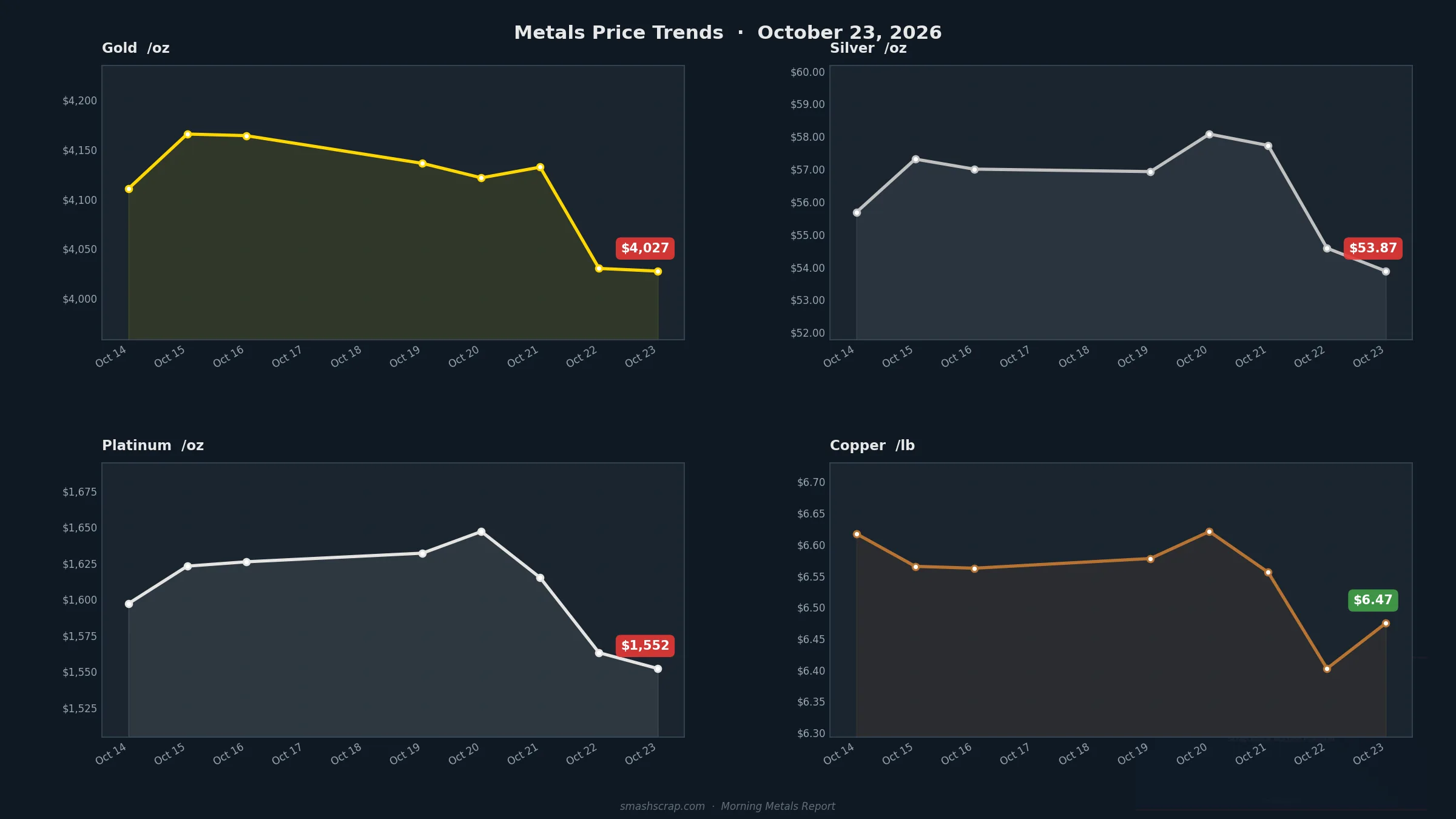
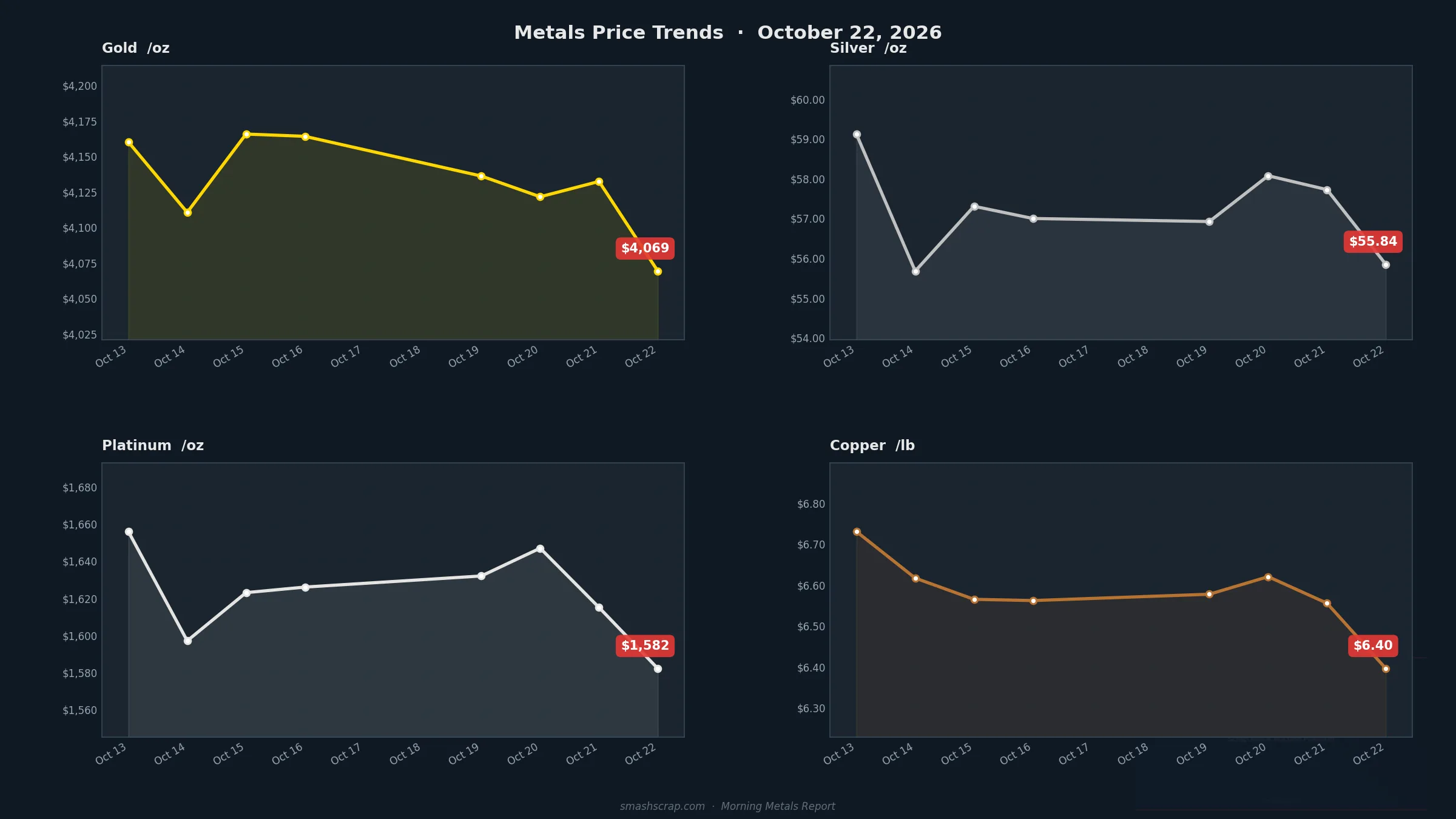
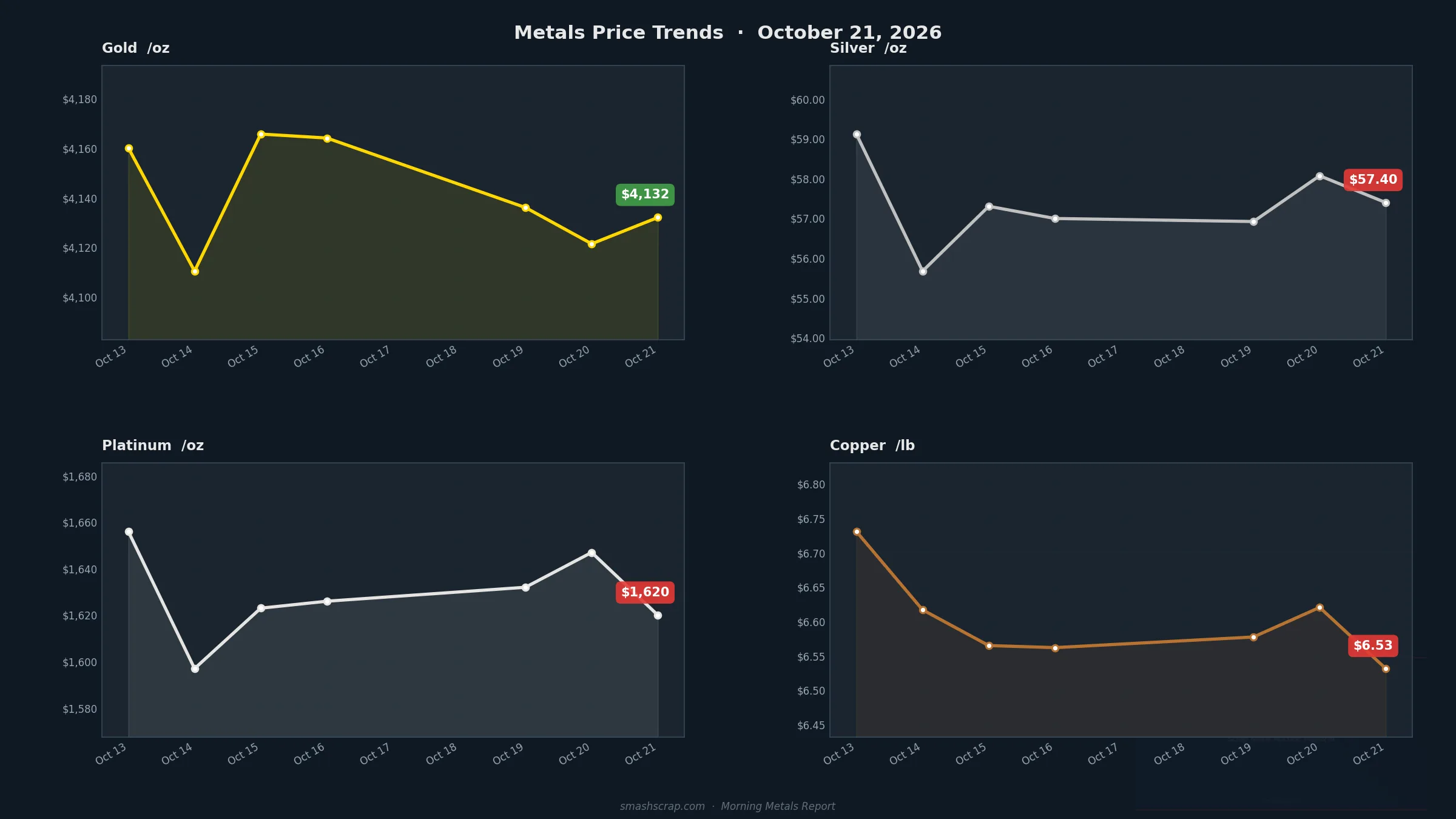
- Watch the LME: Copper scrap prices, aluminum, and PGMs all track closely against London Metal Exchange spot rates. Understanding directional moves — even at a high level — helps you decide whether to push a load now or hold a week.
- PGM markets move fast: Platinum price, palladium price, and rhodium price can shift significantly in short windows. Catalytic converter lots sitting in your yard while rhodium moves 15% are a liability, not an asset. Move them through a proper channel — like a scrap metal auction — where the price you get reflects today's market, not last month's.
- Seasonal demand: Automotive disassembly volumes typically spike in spring and fall across Canada. In Quebec and around Sherbrooke, post-winter vehicle turnover creates predictable surges in automotive scrap. Use that window.
If you want to sell catalytic converters online or understand catalytic converter prices today, you need a platform built for it — not a text message to your usual buyer. The the SMASH scrap metal auction marketplace gives you access to vetted buyers who specialize in these materials and bid competitively because they're competing against each other, not against your patience.
Know the Standards Your Industry Runs On
Canadian automotive recyclers who want to maximize lot value should be operating within recognized industry frameworks. Organizations like the Ontario Automotive Recyclers Association (OARA) and the Automotive Recyclers of Canada (ARC) set the standards for responsible dismantling, parts documentation, and end-of-life vehicle processing across the country.
Following those standards isn't just about compliance. Buyers trust yards that operate to a recognized standard. A dismantled vehicle processed according to ARC best practices, with documented cores, drained fluids, and clean parts separation, commands more buyer confidence than a pile of unverified material. That confidence shows up in bids.
For Quebec-based operations — including those offering Sherbrooke scrap metal services — aligning your processes with these national standards also helps you build a buyer reputation that carries from load to load. Repeat buyers who know your lots are clean and documented will bid more aggressively. That's not a small thing.
If you're building or refining your yard's documentation process, read the latest from SMASH Recycling for practical guides on inventory management, auction preparation, and market conditions across Canada.
Use a B2B Scrap Metal Marketplace Built for This
All of the above — sorting, documentation, timing, competitive selling — works better inside a platform designed for it. Trying to run a competitive auction over WhatsApp is chaos. Trying to document a catalytic converter lot on a spreadsheet and email it to twelve buyers individually is a full-time job that still doesn't guarantee competition.
A proper B2B scrap metal marketplace handles the structure. Vetted buyers. Auction format. Auto-invoicing. GST/HST/PST/QST handling built in. Inventory tools that let you photograph, weigh, and list a load in one workflow instead of five. These aren't luxuries for large operations — they're the baseline for running your yard like a business in 2026.
SMASH was built for exactly this. Yards across Canada — including operations in Quebec — use it to move everything from copper and aluminum to catalytic converter lots and e-waste streams. The model is straightforward: more vetted buyers competing on your documented loads means better price discovery. No subscription fees. SMASH only wins when you do.
If you're ready to stop guessing and start running your lots through real competition, join Canada's B2B scrap marketplace on SMASH Recycling. Register, list your first load, and see what your material is actually worth to buyers who are actively looking for it.
Frequently Asked Questions
Q: Is copper easy to recycle compared to other scrap metals?
Copper is one of the most recyclable metals in the scrap stream. It can be melted and reused repeatedly without losing material integrity, which is why buyers consistently pay a premium for clean, sorted copper. Bare bright and #1 copper command the highest prices — proper sorting before you sell makes a measurable difference in what you receive.
Q: What are typical aluminum recycling prices per pound in Canada?
Aluminum recycling prices per pound in Canada vary by grade and shift with LME spot rates. Extrusion aluminum typically fetches more than cast or mixed. Prices also fluctuate based on regional demand, shipping costs, and mill activity. Always check current market rates before listing — and use a competitive auction to ensure you're getting what the market actually offers, not just what one buyer feels like paying.
Q: How does e-waste recycling in Sherbrooke connect to scrap metal value?
Electronic waste — computers, circuit boards, power supplies — contains concentrated copper, gold, tin, and other non-ferrous metals. For yards in Sherbrooke handling e-waste, treating this stream with the same documentation discipline as your metal loads significantly improves buyer confidence and bid quality. Mixed, undocumented e-waste gets discounted. Sorted and weighed lots attract real competition.
Q: What's the best way to sell catalytic converters in Canada?
The best approach is through a vetted B2B auction platform where multiple buyers compete on documented lots. Catalytic converter prices today depend on platinum, palladium, and rhodium spot prices — all of which move fast. Selling to a single buyer without competition means you're accepting their number, not discovering the market. Serial tracking and photo documentation significantly improve the quality of bids you receive.
Q: Do I need to pay a subscription fee to use SMASH Recycling?
No. SMASH operates without subscription fees for sellers. The platform's model is built so that SMASH only benefits when sellers do — which means the incentive is always toward helping you get the best possible outcome for your load, not charging you a flat fee regardless of results.
Disclaimer: Scrap metal prices fluctuate based on commodity markets, grade, volume, and regional demand. All pricing references in this article are general in nature. Check current rates with active buyers or through a live auction before making selling decisions.
Stay current on Canadian scrap metal market conditions and platform updates — follow SMASH on LinkedIn for industry insights, pricing trends, and recycling news across North America.