Gatineau Catalytic Converter Auctions: Maximize PGM Values
Most recyclers selling catalytic converters are leaving money on the table. Not because they're bad at business — but because they're using a system designed to pay them less.
One buyer. One offer. Take it or leave it. That's the old way. And in a market driven by platinum, palladium, and rhodium — three of the most volatile precious metals on the planet — guessing your price isn't a strategy. It's a habit that costs you.
This guide is for Canadian recyclers, especially those operating in and around Gatineau, who want to understand how catalytic converter auctions work, why competitive bidding changes the price discovery game, and how to position your loads for stronger outcomes every time you sell.
The primary keyword here is e-waste recycling Gatineau — and while cats aren't traditional e-waste, they sit in the same problem space: high-value components that most sellers don't fully understand, sold through opaque channels to whoever picks up the phone first.
Why Catalytic Converter Prices Are So Hard to Track
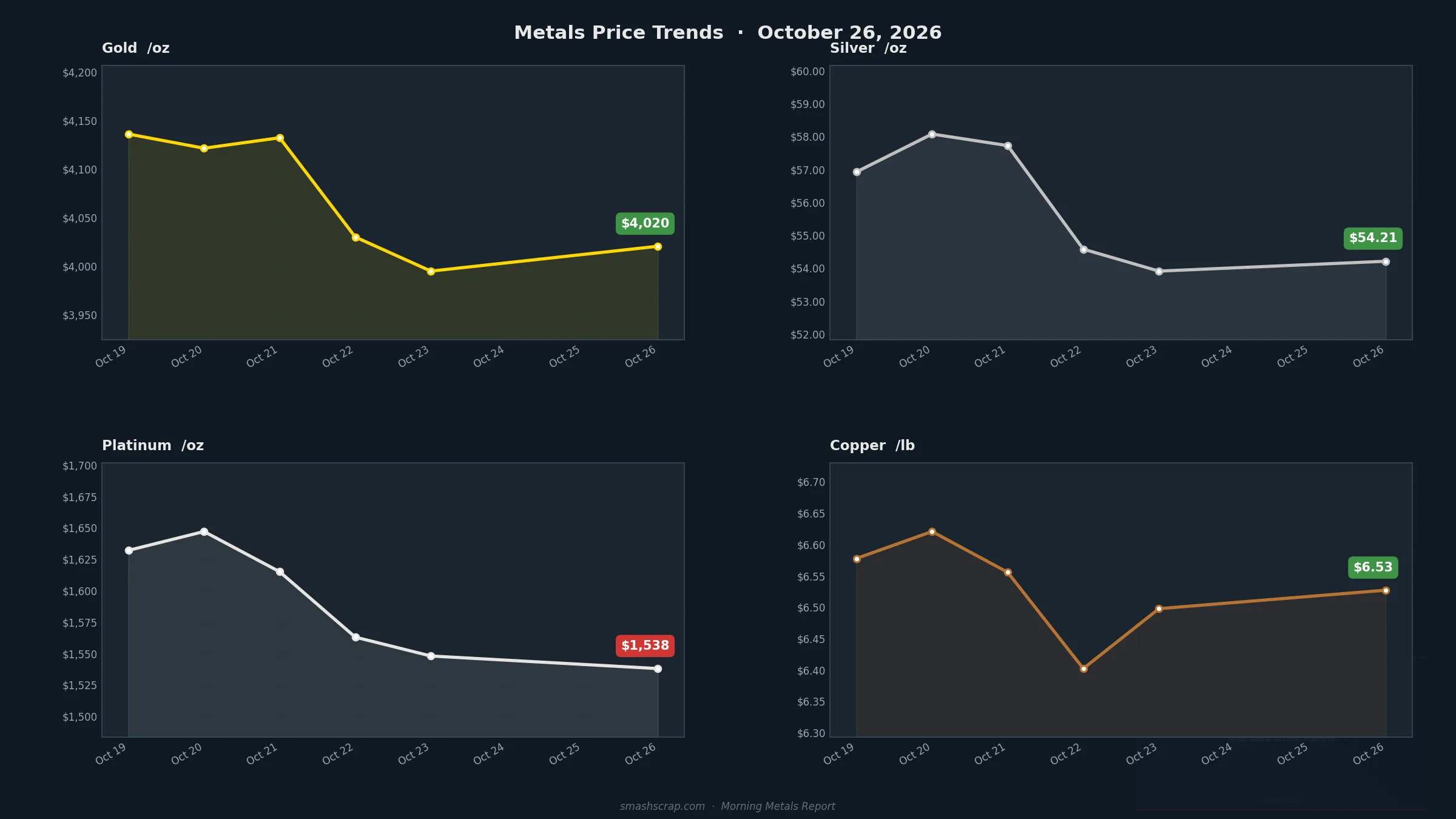
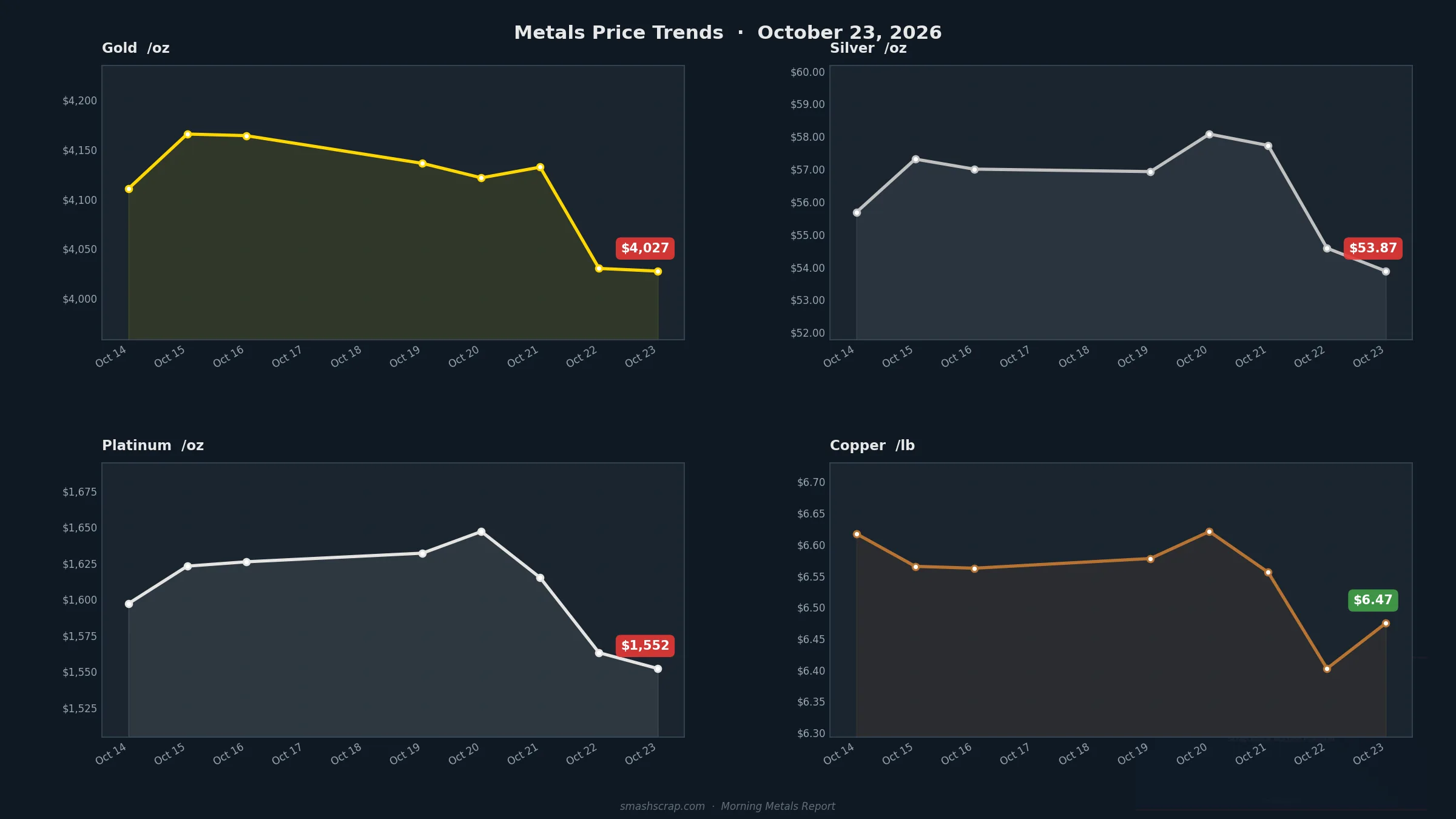
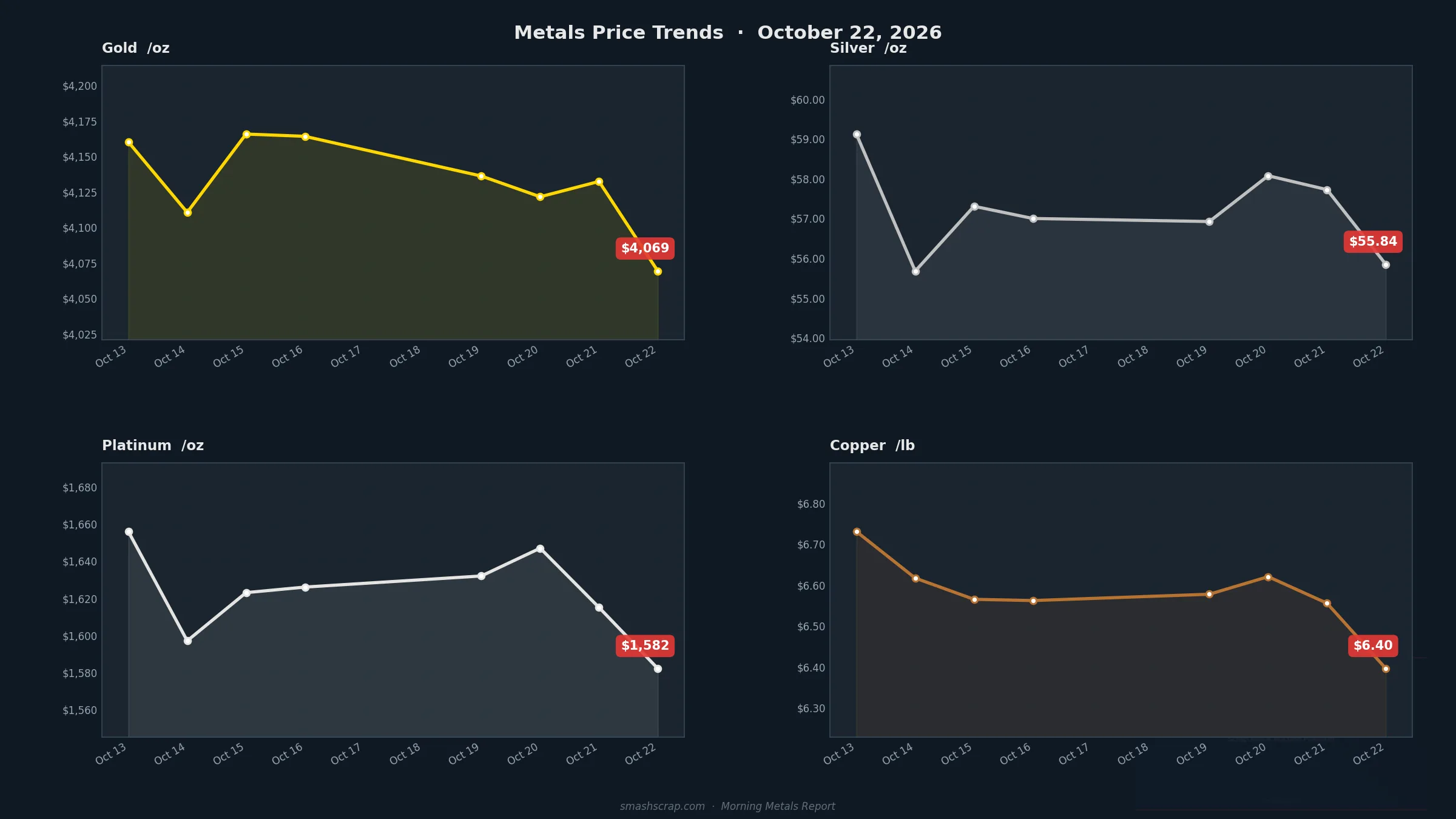
Cats are priced on their PGM content — platinum group metals. Specifically platinum, palladium, and rhodium. These metals trade on global commodity markets and can swing dramatically within a single week. What a converter was worth on Monday might look different by Friday.
Palladium hit historic highs several years back and has since rebalanced. Rhodium has seen some of the most extreme price swings in commodity history. Platinum trades in its own cycle, partially driven by diesel vehicle demand in Europe. None of these markets move together, and none of them care about your deal timeline.
This is why the single-buyer model is especially damaging for cat sellers. A local buyer quoting you today may be pricing in their own margin buffer, their own hedging position, and their own operational risk — not the actual market. You don't know which way that spread runs. More buyers bidding on your load means better price discovery. That's not theory. That's how competitive markets work.
For recyclers in Gatineau and across Quebec, this is compounded by geography. The buyer pool in the National Capital Region is finite. If you're only calling yards within a 50-kilometre radius, you're already limiting your market before the first price gets quoted.
What a Catalytic Converter Auction Actually Looks Like
Forget the image of an auctioneer and a gavel. A B2B catalytic converter auction is a structured digital process. You document your inventory, upload it to a vetted platform, and qualified buyers compete for it.
Here's what that process typically involves on a platform like SMASH Recycling's auction platform:
- Inventory documentation: Each unit is logged with serial numbers, photos, and identifying information. VIN lookup and serial tracking help buyers verify and price accurately.
- Photo documentation: Clear photos of the substrate condition matter. A buyer pricing a load remotely needs confidence. Better documentation generally leads to stronger bids.
- Vetted buyer pool: Not just anyone can bid. Buyers on the platform are vetted, which protects sellers from lowball speculators and ensures competitive, qualified offers.
- Auction format: Multiple buyers bid against each other. The competition itself does the work of driving price discovery.
- Auto-invoicing and GST/HST handling: The back-end paperwork — invoicing, tax handling, packing lists — is automated. Less admin, fewer errors.
This isn't a consignment guessing game. It's a transparent process with documentation at every step. For sellers in Gatineau dealing with cross-provincial buyers, that paper trail also matters for compliance and audit purposes.
How to Prepare Your Cats for a Stronger Auction Result
A sloppy lot gets sloppy bids. If buyers can't identify what they're pricing, they'll price in uncertainty — and that uncertainty comes out of your pocket.
Here's what separates a well-prepared cat lot from a disorganized one:
- Sort by type. Domestic, foreign small, foreign large, diesel — these categories carry different PGM profiles. Mixing them without identification forces buyers to average down.
- Document serial numbers. The serial number on a cat is how a buyer looks up its reference assay data. Missing or corroded serials reduce confidence and reduce bids.
- Photograph both ends. Substrate condition affects value. Show the inlet and outlet, and flag any units that are cracked, hollow, or otherwise compromised.
- Count accurately. A lot listed as 50 units that arrives as 47 creates friction, delays payment, and damages your seller reputation on the platform.
- Don't mix foil cats with ceramic unless flagged. Foil substrate cats (common in newer European vehicles) process differently. Labelling them separately helps buyers price correctly.
The Automotive Recyclers of Canada (ARC) and the Ontario Automotive Recyclers Association (OARA) both emphasize documentation and chain-of-custody practices as core professional standards for automotive recyclers. Those same disciplines apply directly to how you present a cat lot on a digital auction platform. Good habits built for compliance pay dividends in the auction room too.
Metal Recycling Prices Canada: Why Platform Selling Beats the Phone Call
Let's be direct about what happens when you sell cats the old way. You call one buyer. They quote you a price. You have no idea if that price reflects current platinum, palladium, and rhodium spot levels, or if it reflects their margin targets for the month. You accept because you don't have another offer in hand and time is money.
That's not a knock on individual buyers. It's a structural problem. When you have one data point, you have no market. You have an opinion.
Competitive auctions change that equation. When multiple vetted buyers are looking at the same documented lot and bidding against each other, the market reveals itself. That's what metal recycling prices Canada-focused sellers need to understand — the mechanism matters as much as the metal.
smashscrap.com connects Canadian recyclers to a national buyer network, which means a seller in the Ottawa-Gatineau corridor isn't limited to whoever's within driving distance of their yard. Your lot is visible to qualified buyers across the country. That reach is the point.
No subscription fees. SMASH earns when you sell. That alignment of incentive matters — the platform is structured to help you get the best result, not to charge you for access and walk away.
Scrap Metal Recycling Canada: Where Cats Fit in a Broader Strategy
Catalytic converters are one of the highest-value components in automotive recycling, but they don't exist in isolation. A full scrap metal recycling Canada strategy for a yard in Quebec might include:
- Non-ferrous metals: Copper wire, aluminum rims, radiators, and other non-ferrous components from end-of-life vehicles.
- Ferrous scrap: Body steel, engine blocks, and chassis material sold by weight to steel mills and processors.
- Cores: Alternators, starters, and other remanufacturable components sold through core buyers.
- Cats: Separated, documented, and auctioned for PGM recovery value.
Each of these streams has its own price logic, buyer base, and timing considerations. A B2B marketplace that handles multiple scrap categories under one platform reduces the friction of managing separate buyer relationships for each material type.
One practical note for new sellers: a common question that comes up in the scrap industry is can you put scrap metal in recycling bin? The short answer is no — municipal blue bins aren't designed for scrap metal, and commercial-grade materials like catalytic converters belong in a proper B2B recycling channel, not a curbside program. If you're a yard operator, you already know this. But if you're new to e-waste recycling Gatineau and adjacent material streams, that distinction matters.
To stay current on industry trends, pricing dynamics, and platform updates, read the latest from SMASH Recycling — it's a practical resource built for people working in the yard, not for industry observers on the sidelines.
Getting Started With Catalytic Converter Auctions on SMASH
The barrier to entry is lower than most recyclers expect. You don't need a massive lot to get started. You need documented inventory, clear photos, and a willingness to let competition work in your favour.
Here's the basic flow for a first-time seller:
- Register your yard on the platform.
- Log your cat inventory using the inventory tool — serial numbers, photos, unit counts, types.
- List the lot for auction.
- Vetted buyers review the documentation and submit bids.
- You accept the winning offer.
- Auto-invoicing and GST/HST handling take care of the paperwork.
- Payment processes and you move on to the next load.
No cold calls. No guessing. No wondering if you sold too cheap. If you're a yard operator in the Gatineau area or anywhere across Canada looking to get more from your cat loads, join Canada's B2B scrap marketplace on SMASH Recycling and see what competitive bidding does for your price discovery.
Prices for platinum, palladium, rhodium, and other metals fluctuate daily based on global commodity markets. Always check current rates before making selling decisions.
Frequently Asked Questions
Q: How does e-waste recycling in Gatineau connect to catalytic converter sales?
Both fall under the broader category of high-value recovered materials that require proper commercial channels — not municipal programs. Catalytic converters contain precious metals (platinum, palladium, rhodium) and belong in a B2B recycling stream. Recyclers in Gatineau dealing with end-of-life vehicles and electronics face the same core challenge: finding qualified buyers who pay market rates.
Q: What is the best way to sell catalytic converters in Canada?
The most effective approach is through a vetted B2B auction platform where multiple qualified buyers compete for your documented lot. This creates real price discovery rather than relying on a single quote. Platforms like SMASH connect Canadian recyclers to a national buyer network without subscription fees.
Q: How are catalytic converter prices determined in Canada?
Cat prices are based on the platinum group metal (PGM) content of the substrate — primarily platinum, palladium, and rhodium. These metals trade on global commodity exchanges and fluctuate constantly. The unit type, condition, and serial number all help buyers reference assay data to price accurately. Always confirm current metal scrap prices before finalizing a sale.
Q: Can you put scrap metal in a recycling bin in Gatineau or Quebec?
No. Municipal recycling programs in Quebec — including Gatineau — are not designed to handle scrap metal, and definitely not commercial materials like catalytic converters. Commercial scrap belongs in a proper B2B recycling channel with documentation, chain of custody, and qualified buyers.
Q: Do I need a large inventory to list on a scrap metal auction platform?
Not necessarily. While larger lots can attract more competitive bidding, many platforms accept smaller documented lots. The key is accurate documentation — serial numbers, photos, unit counts, and type classifications. A well-documented small lot often outperforms a sloppy large one.
---Follow SMASH on LinkedIn for scrap metal market updates, platform news, and practical insights built for recyclers: SMASH Recycling on LinkedIn.