Halifax Scrap Metal Rules: Provincial Compliance Guide
Why Canadian Scrap Metal Recycling Regulations Vary — and What That Means for Your Yard
Here's a question most yard operators can't answer off the top of their head: do you actually know how Nova Scotia's scrap metal rules differ from Ontario's or British Columbia's? If you're running a recycling operation or moving loads across provincial lines, that gap in knowledge costs you — in compliance headaches, delays, and deals that fall apart at the last minute.
Scrap metal recycling regulations in Canada aren't uniform. Every province sets its own rules around documentation, end-of-life vehicle processing, precious metal handling, and buyer verification. For yards doing scrap car recycling in Halifax, that means navigating Nova Scotia's specific requirements while also understanding how Canadian-wide standards affect your buyers and paperwork.
This guide breaks it down province by province — with a focus on what actually matters at the transaction level — and explains how platforms like SMASH Recycling's auction platform help yards stay compliant while getting real market exposure.
The Provincial Patchwork: How Scrap Metal Recycling Regulations Differ Across Canada
Canada doesn't have a single federal scrap metal recycling law. Instead, a combination of provincial environmental acts, municipal bylaws, and industry self-regulation governs how yards operate, what records they keep, and who they can legally sell to. That creates an uneven landscape — especially for non-ferrous metals, end-of-life vehicles (ELVs), and catalytic converter recycling in Canada.
Here's a high-level breakdown of where the key differences show up:
- Ontario: One of the most regulated provinces for ELV processing. The Automotive Recyclers of Canada (ARC) and the Ontario Automotive Recyclers Association (OARA) both operate here, and OARA's membership standards effectively set a professional benchmark for yard documentation, fluid drain protocols, and parts grading. Ontario also has specific requirements under the Resource Recovery and Circular Economy Act around reporting and producer responsibility.
- British Columbia: Extended Producer Responsibility (EPR) programs run through Recycle BC and the Product Care Association govern a wide range of materials. Yards dealing in electronics-containing scrap, batteries, and certain non-ferrous streams face strict handling and reporting rules.
- Alberta: The Designated Material Recycling Facility (DMRF) program and the Alberta Used Oil Management Association both shape how automotive scrap is processed. Alberta also has relatively active enforcement around catalytic converter documentation — a growing concern as converter theft continues to drive regulatory tightening across the country.
- Quebec: Governed under the Environment Quality Act, Quebec yards must comply with residual materials management regulations. Quebec has also pushed forward on EPR timelines more aggressively than most other provinces, which affects how yards categorize and report scrap streams.
- Nova Scotia: Nova Scotia operates under the Environment Act and the Solid Waste-Resource Management Regulations. The province has a well-established deposit-return infrastructure through the Resource Recovery Fund Board (RRFB Nova Scotia), which affects how yards handling end-of-life vehicles document and report material flows. Yards doing scrap car recycling in Halifax interact with RRFB requirements directly.
The bottom line: if your load originates in Nova Scotia and ends up with a buyer in Ontario, you're navigating two regulatory frameworks — not one. Documentation needs to hold up on both ends.
Catalytic Converter Recycling in Canada: The Rules Are Tightening Fast
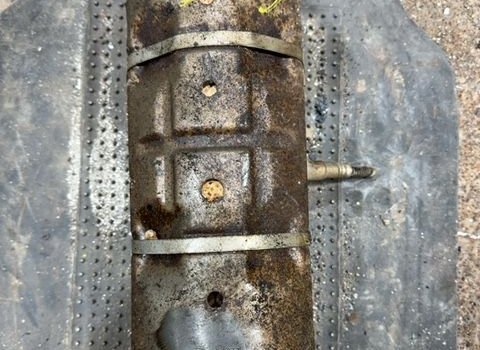
Catalytic converter recycling in Canada has become one of the most closely watched areas of scrap regulation in 2026. The reason is straightforward: converters contain platinum, palladium, and rhodium — metals that can carry significant per-unit value depending on market conditions — and that value has made them a target for theft rings operating across every province.
Several provinces have moved to tighten documentation requirements for converter transactions specifically:
- Buyers must often verify the seller's identity and document the source of converters before purchase.
- VIN-linked documentation — matching a converter to the vehicle it came from — is becoming standard practice in regulated markets.
- Some provinces now require photo documentation of converters at the point of transaction, along with serial or part number tracking where available.
This is exactly where a platform with built-in inventory tools, VIN lookup, serial tracking, and photo documentation changes the risk profile for your yard. When you list converters through the SMASH scrap metal auction marketplace, the documentation trail is part of the process — not an afterthought. That matters when a buyer's compliance team reviews your load before bidding.
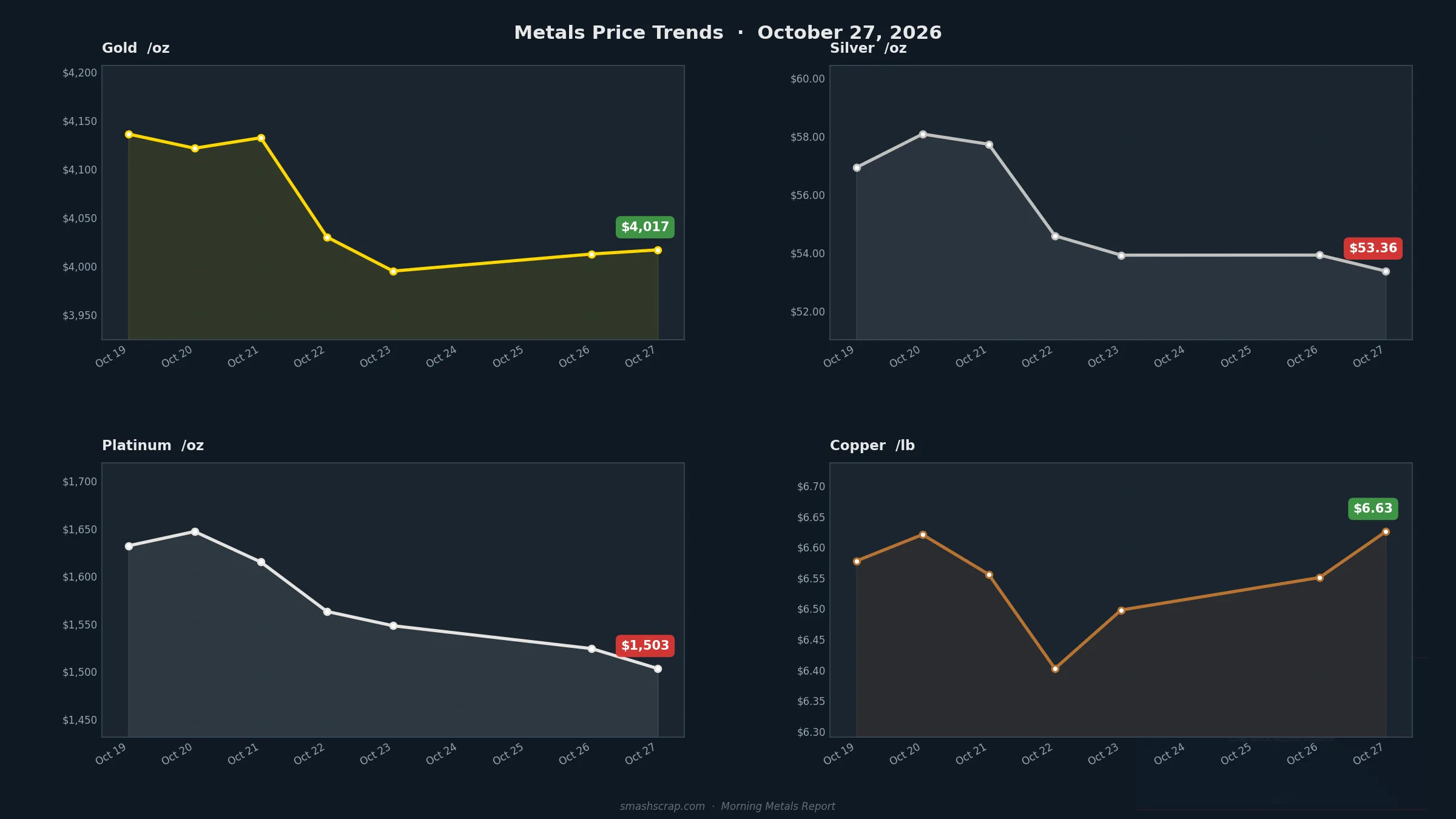
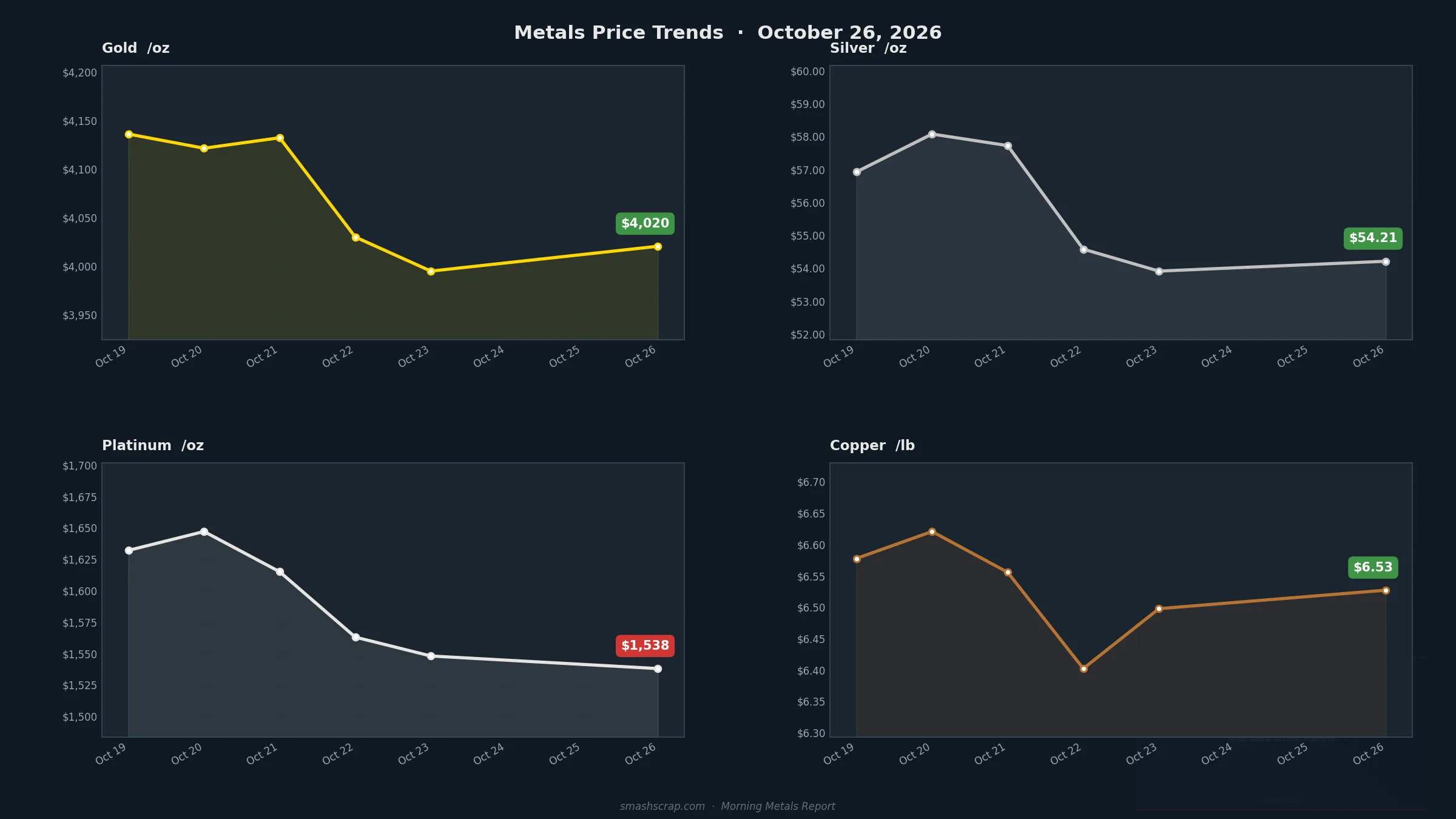
Canadian scrap metal prices for PGMs (platinum group metals) fluctuate with global commodity markets. Prices for platinum, palladium, and rhodium can shift significantly week to week. More documented inventory typically gives buyers more confidence to bid aggressively — because they know exactly what they're getting and where it came from.
What Scrap Metal Recycling Regulations Mean for Halifax Yards Specifically
Halifax sits at an interesting intersection. As Nova Scotia's largest city and economic hub, it handles significant volumes of scrap — automotive, industrial, and non-ferrous alike. But it's also a market where a relatively small number of local buyers have historically set the price. That's the old way. One call, one number, take it or leave it.
Nova Scotia's regulatory framework through the RRFB and the Environment Act means Halifax yards already maintain documentation practices that can transfer directly to competitive auction listings. If you're already tracking vehicle sources, fluid removal, and material weights for compliance purposes, you have everything you need to list on a B2B platform.
For Halifax scrap metal services, the practical compliance checklist typically includes:
- End-of-life vehicle documentation (proof of ownership or proper transfer paperwork)
- RRFB reporting for applicable materials and deposit programs
- Hazardous material handling records (fluids, refrigerants, airbags)
- Converter documentation where required — increasingly expected by serious buyers even when not yet mandated provincially
- Buyer verification — knowing who you're selling to, particularly for non-ferrous and PGM loads
That last point is where many Halifax yards still operate on trust and habit rather than verified systems. The old way — selling to the same buyer because you know them — leaves money on the table and creates single-point-of-failure risk. If your one buyer has a bad month, your margins suffer too.
The Aluminum and Copper Scrap Regulatory Landscape — and Where Price Discovery Fits
Non-ferrous metals like aluminum and copper sit at the core of most recycling yard revenues. Canadian scrap metal prices for these materials track London Metal Exchange (LME) benchmarks, but what a local buyer offers you in Halifax is rarely the full LME price — and in a single-buyer environment, you have no way of knowing how far off market you actually are.
For the copper recycling process specifically, Canadian regulations focus heavily on source documentation for certain grades. #1 bare bright copper versus insulated wire versus contaminated copper all carry different handling requirements in some provinces, and buyers in regulated markets will scrutinize the grade documentation carefully. The same logic applies to aluminum — whether you're moving extrusions, cast, or sheet, the grade matters to the buyer and to compliance.
A transparent auction process does something the old system never could: it reveals what the market actually thinks your load is worth. More buyers means better price discovery. That's not a promise of higher prices — it's a structural advantage. Competition surfaces information that a single phone call never will.
If you've ever searched for aluminum recycling prices near me today or tried to benchmark copper scrap prices against what your current buyer is offering, you already know the problem. Local price transparency in Canadian scrap is poor. A competitive auction format addresses that directly.
Industry Organizations Setting the Standard: OARA, ARC, and What They Signal to Buyers
Two organizations shape professional standards for automotive recycling across Canada: the Automotive Recyclers of Canada (ARC) and the Ontario Automotive Recyclers Association (OARA). While OARA is Ontario-specific, its membership standards and certification processes have become a de facto signal of professionalism that buyers across Canada recognize.
ARC operates nationally and sets guidelines around ELV depollution, parts grading, and environmental compliance that align with provincial requirements in most jurisdictions. Yards that operate to ARC standards typically have the documentation infrastructure already in place to meet buyer requirements on a competitive platform — including photo documentation, parts tracking, and BOL preparation.
For yards outside Ontario — including those doing scrap car recycling in Halifax — aligning your practices with OARA/ARC standards isn't just about association membership. It's a signal to buyers that your inventory is clean, documented, and trustworthy. In an auction format, trust translates directly into competitive bids.
To stay current on Canadian scrap metal regulations and industry developments, read the latest from SMASH Recycling — new regulatory shifts, market insights, and platform updates posted regularly.
How SMASH Helps Canadian Yards Navigate Compliance and Competition Simultaneously
The regulatory environment across Canadian provinces is getting more demanding, not less. Converter documentation. Buyer verification. Environmental reporting. These aren't going away — and for most yards, they represent administrative work that doesn't directly generate revenue.
SMASH is built around the reality that documentation and competition aren't separate problems. When you list inventory through SMASH — whether that's a load of cats, a pallet of cores, a non-ferrous run, or ELV materials — the platform's inventory tools, photo documentation features, VIN lookup, and serial tracking do double duty. They satisfy buyer due diligence requirements AND create the detailed listings that drive competitive bidding from vetted buyers across Canada.
No subscription fees. SMASH only wins when you win. That structure matters because it aligns the platform's incentives with yours — more transparent transactions, better documentation, and real competition on every load you bring to market.
If you're running a yard in Nova Scotia or anywhere across the country and you're still selling scrap the old way — one call, one price, no competition — the regulatory landscape is shifting underneath you whether you're ready or not. Getting your documentation in order is the same work you need to do to compete on a transparent platform. You might as well do it once and benefit twice.
Ready to stop guessing what your loads are worth? Join Canada's B2B scrap marketplace on SMASH Recycling and find out what vetted buyers across Canada will actually pay.
Frequently Asked Questions
Q: What documentation do Halifax scrap yards need for scrap car recycling?
Halifax yards operating under Nova Scotia's Environment Act and RRFB requirements typically need proof of vehicle ownership or transfer, records of fluid and hazardous material removal, and weight documentation for materials sold. For catalytic converters, many buyers now also require VIN-linked documentation or photo records regardless of current provincial mandates. Getting your documentation practices aligned with buyer expectations protects you on both ends of the transaction.
Q: Is catalytic converter recycling regulated differently across Canadian provinces?
Yes. While no single federal standard governs converter transactions across Canada, provinces like Alberta and Ontario have moved toward stricter documentation requirements — including identity verification, VIN linking, and photo records — in response to rising converter theft. Even in provinces where formal mandates are still developing, serious buyers now expect documentation before they bid. Platforms like SMASH that support VIN lookup, serial tracking, and photo documentation make it easier to meet those expectations consistently.
Q: How do Canadian scrap metal prices compare to U.S. prices for copper and aluminum?
Canadian scrap metal prices generally track LME benchmarks converted to CAD, but local market conditions, freight costs, and buyer competition significantly affect what individual yards receive. The gap between LME-linked pricing and what a single local buyer offers is often where the most value is left on the table. A competitive auction format — where multiple vetted buyers bid on the same load — provides better price discovery than a single-buyer negotiation.
Q: Does Nova Scotia have specific rules around selling scrap metal to out-of-province buyers?
Nova Scotia doesn't prohibit selling scrap to out-of-province buyers, but documentation requirements still apply — including material sourcing records, BOLs, and packing lists. When selling through a B2B platform like SMASH, auto-invoicing and built-in documentation tools help ensure your paperwork satisfies requirements on both ends, whether your buyer is in Quebec, Ontario, or British Columbia.
Q: What role do OARA and ARC play in Canadian scrap metal compliance?
The Ontario Automotive Recyclers Association (OARA) and the Automotive Recyclers of Canada (ARC) set professional standards for ELV processing, parts grading, and environmental compliance across Canadian recycling operations. While membership is voluntary, operating to their standards signals professionalism to buyers and typically means your documentation practices already meet or exceed what B2B buyers expect. Yards aligned with ARC standards are generally better positioned to compete in transparent auction formats.
Disclaimer: Scrap metal prices — including Canadian scrap metal prices for copper, aluminum, platinum, palladium, rhodium, and other materials — fluctuate with global commodity markets. Nothing in this article constitutes a price guarantee or market prediction. Always verify current rates before transacting.
Follow SMASH on LinkedIn for scrap metal market insights, regulatory updates, and platform news from across the Canadian recycling industry.