Burnaby Cat Converter Auction: Beat Single-Buyer Quotes
The Phone Call That's Costing You Money
If you're still selling catalytic converters by calling one buyer and taking whatever price they quote you, you're leaving money on the table. Every single time. The scrap metal industry in Canada has shifted — and the yards and recyclers who figured that out early are already ahead.
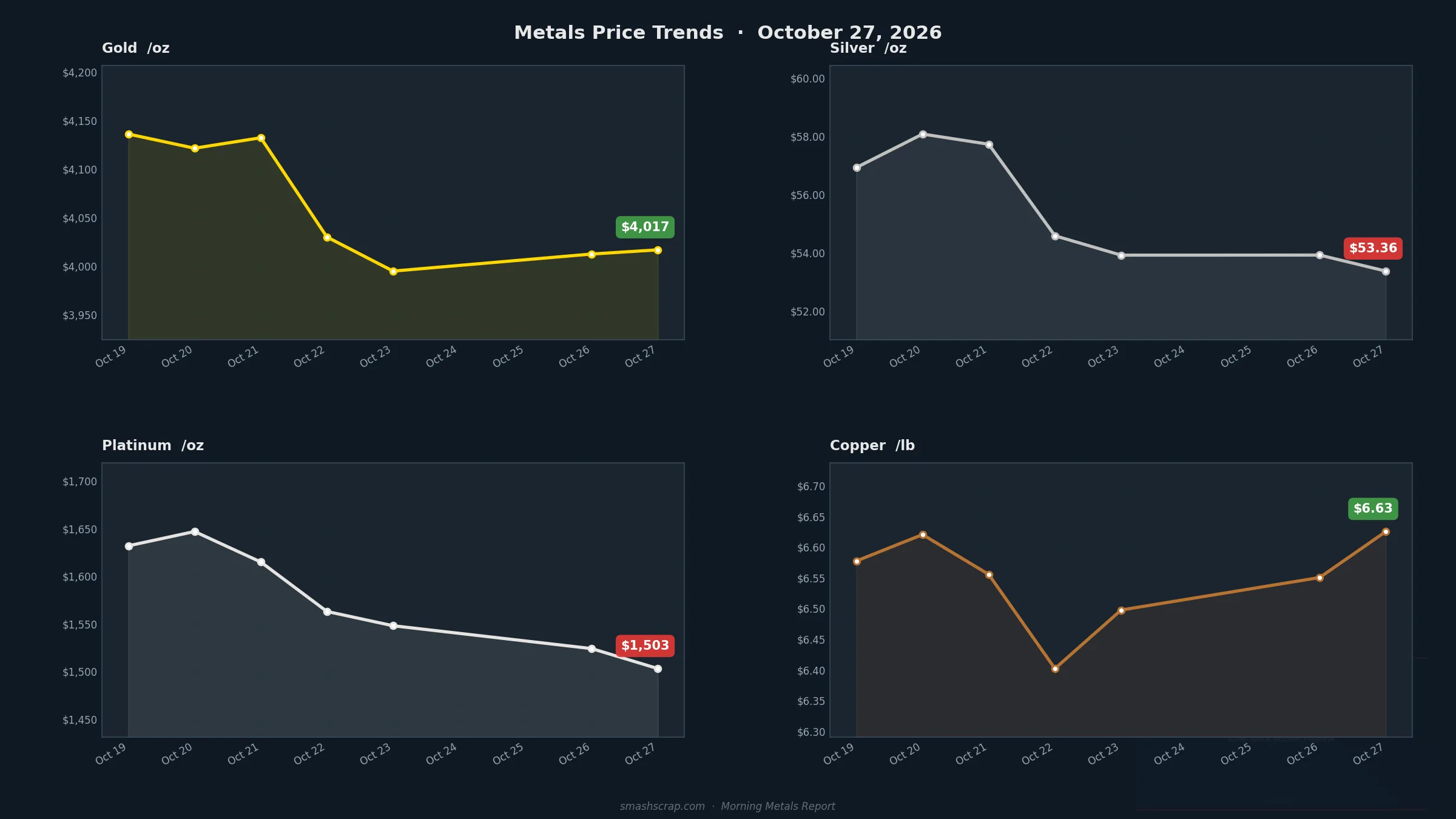
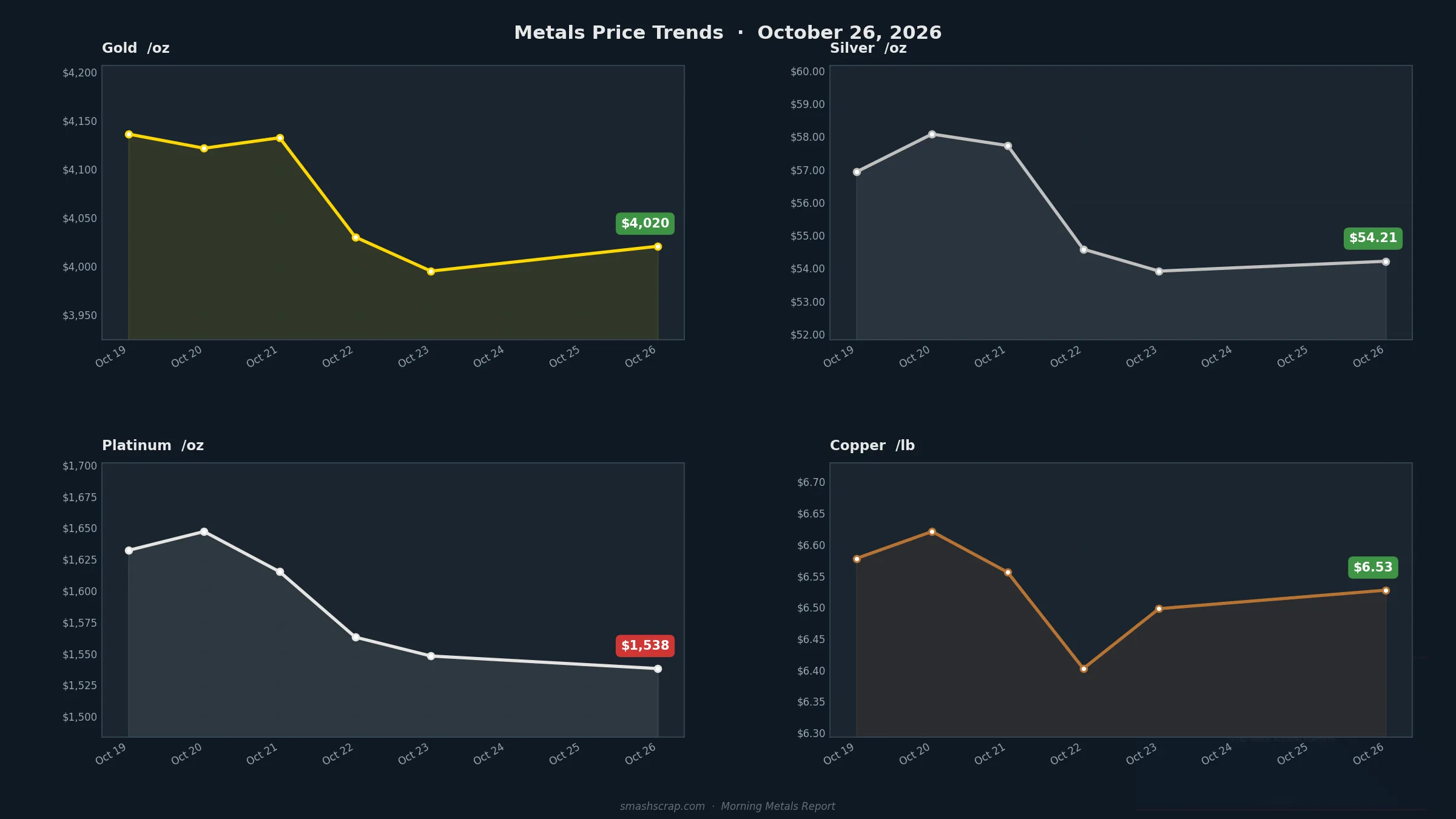
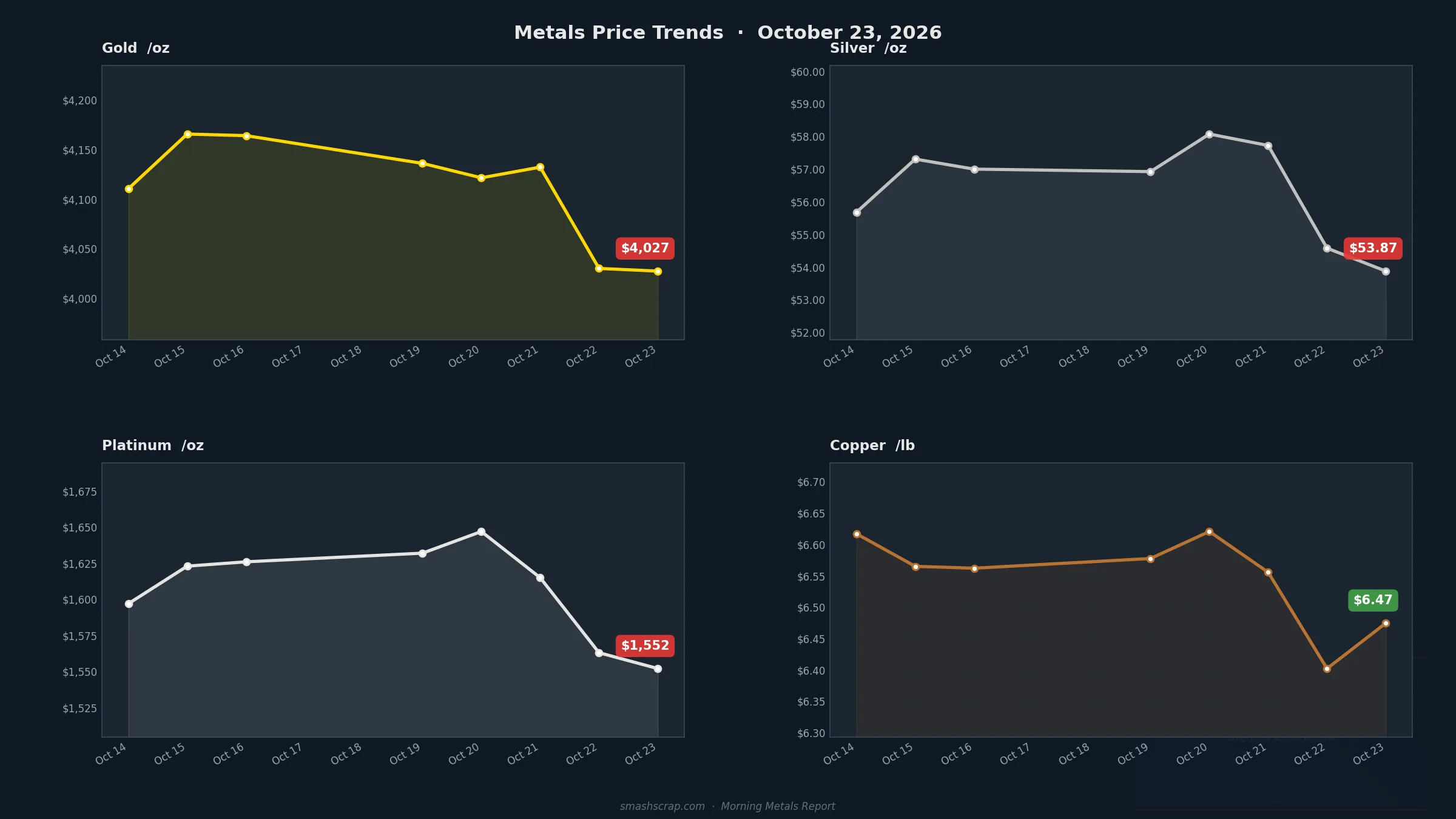
Catalytic converter recycling Canada is a high-value, high-stakes business. The precious metals inside a single cat — platinum, palladium, and rhodium — can swing dramatically in value based on market conditions. Platinum, palladium, and rhodium prices are volatile. One buyer's quote reflects their margin, not necessarily your best return. Online auction platforms exist precisely to close that gap.
This guide breaks down why automotive recyclers in Burnaby and across British Columbia are making the move to online platforms — and what that shift actually means for your bottom line.
Why the Old Way of Selling Scrap Doesn't Work Anymore
The traditional scrap sales process looked like this: you'd stack a load of cats, call your one trusted buyer, take a price, and ship. Simple. Predictable. But predictable isn't the same as profitable.
That single buyer knows you'll call them. They know you don't have time to shop around. And they price accordingly. That's not a knock on them — that's just how any market without competition operates. When there's no pressure to sharpen a bid, bids don't get sharpened.
The bigger problem? Most recyclers don't have a reliable way to know what their inventory is actually worth on any given day. Catalytic converter prices today are a moving target. Palladium hit historic highs and then corrected sharply. Rhodium has had some of the most dramatic swings of any precious metal in recent memory. If your pricing method is "what one buyer told me," you're flying blind.
Online platforms change the equation. When multiple vetted buyers compete for your load, you get real price discovery — not a number shaped by one buyer's margin targets.
What's Actually Driving Automotive Recyclers in Burnaby to Go Digital
Burnaby sits at the heart of Metro Vancouver's industrial corridor. Automotive recyclers here handle high volumes — the density of the Lower Mainland means consistent supply of end-of-life vehicles, cores, and non-ferrous material. But volume alone doesn't guarantee strong returns. Transparency and competition do.
Here's what's pushing automotive recyclers in Burnaby and across British Columbia toward online platforms:
- Price volatility demands better data. When platinum, palladium, and rhodium prices shift week to week, a single static buyer relationship can't keep pace. Online auctions reflect current market conditions more accurately.
- Documentation requirements are getting tighter. Regulators, insurance providers, and downstream buyers increasingly expect proper photo documentation, serial tracking, and accurate inventory records. Digital platforms build that into the process.
- Buyers are buying differently. Smelters, processors, and refiners across North America now source material through online channels. If you're not visible to that buyer pool, you're invisible to competitive bids.
- Time matters. Chasing down quotes by phone — then waiting, then following up — is real labor cost. A platform that brings buyers to your inventory saves that time.
The Automotive Recyclers of Canada (ARC) and the Ontario Automotive Recyclers Association (OARA) have both emphasized the importance of transparency and best practices in the recycling supply chain. That push toward documentation and accountability maps directly onto why online platforms are gaining ground — they create a verifiable record that benefits everyone in the transaction.
Is Scrap Metal Recyclable? (And What About Copper and Cats Specifically?)
This question comes up more than you'd think — especially from businesses entering the scrap stream for the first time. So let's be direct: is scrap metal recyclable? Yes. Almost completely. Steel, aluminum, copper, brass, and the precious metals inside catalytic converters are all highly recyclable and in consistent demand.
Is copper recyclable? Absolutely — and it's one of the most valuable non-ferrous metals in the yard. Copper scrap prices fluctuate with global commodity markets, but copper consistently commands strong returns because it can be recycled indefinitely without loss of performance. Bare bright, #1 copper, #2 copper — grade matters, and so does how you document and present what you're selling.
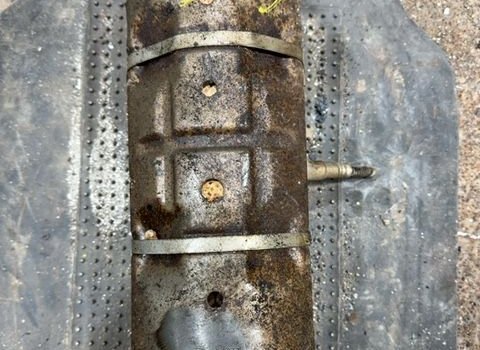
Catalytic converters are in a category of their own. A single cat contains a small but significant amount of platinum, palladium, and rhodium embedded in the honeycomb substrate. The value isn't in the steel shell — it's in those precious metals. That's why catalytic converter recycling Canada has attracted both legitimate buyers and bad actors. Documentation, serial number tracking, and vetted buyer relationships aren't optional anymore. They're how serious recyclers protect themselves and their loads.
Platforms like SMASH Recycling's auction platform include serial tracking and photo documentation as standard features — not add-ons. That matters when you're moving high-value cats and need a paper trail that holds up.
How Online Auctions Actually Work for Catalytic Converter Sales
If you've never sold through an online scrap auction, the process is simpler than it sounds. Here's the general flow:
- Inventory your load. You log your cats by type, quantity, and condition. VIN lookup and serial tracking tools let you document what you have accurately and quickly.
- Upload photos and documentation. Clear photos, BOLs, and packing lists give buyers the confidence to bid aggressively. Vague listings get vague bids.
- Post to the auction. Your load goes live to a vetted pool of buyers — not one contact, but multiple qualified buyers who are actively competing.
- Bids come in. Competition does the work. More buyers seeing your load means better price discovery. You see what the market will actually pay.
- Accept and close. Auto-invoicing handles the paperwork. You ship to the winning buyer with documentation already in place.
That process replaces a phone call, a gut-feel price, a handshake, and a prayer that the check clears. It also creates a record — which matters more every year as regulations around catalytic converter sales tighten across Canadian provinces.
If you want to get competitive bids for your scrap metal, the difference between a well-documented auction listing and a vague load description can be significant. Buyers bid higher when they trust what they're buying.
Metal Recycling Prices in British Columbia — What's Shaping the Market in 2026
Metal recycling prices in British Columbia are influenced by the same global factors driving prices everywhere — LME copper benchmarks, precious metal spot prices, and the CAD/USD exchange rate. But BC has its own supply and demand dynamics too. Port access matters. Proximity to Asian export markets matters. The density of automotive activity in the Lower Mainland creates consistent feedstock for local yards.
In 2026, precious metal prices remain a key driver of catalytic converter values. Platinum, palladium, and rhodium prices have stabilized somewhat compared to the volatility of prior years, but they're still capable of sharp moves. Recyclers who watch spot prices daily and pair that awareness with competitive auction results are in a much better position than those who rely on static buyer relationships.
Disclaimer: Metal and precious metal prices fluctuate daily. Always check current market rates before pricing or selling your inventory. Nothing in this article constitutes a price guarantee.
For yards in Burnaby and the broader BC market, the platform question isn't really "should I try online?" anymore. It's "why haven't I switched yet?" The buyers are there. The process is documented. The fees are transparent. Join Canada's B2B scrap marketplace on SMASH Recycling and see what your loads are actually worth to a competitive buyer pool.
What to Look for When You Choose a Platform to Sell Catalytic Converters Online
Not every online platform is built for serious B2B scrap transactions. If you're evaluating where to sell catalytic converters online, here's what separates a real marketplace from a bulletin board:
- Vetted buyers only. Open marketplaces attract tire-kickers. A platform that verifies its buyers protects your time and your loads.
- Auction format, not posted price. A fixed listing price is still one buyer. An auction is competition. Competition drives better price discovery.
- Inventory tools that match your workflow. VIN lookup, serial tracking, and photo documentation should be built in — not hacked together from separate tools.
- No subscription fees. If a platform charges you monthly just to list, their incentives aren't aligned with yours. Look for platforms that earn when you earn.
- Auto-invoicing and documentation. GST/HST handling, BOLs, packing lists — the paperwork should happen automatically, not land on your desk manually.
- Transparent bid process. You should be able to see who bid and what they bid. Opacity helps the platform, not the seller.
SMASH checks all of those boxes. No subscription. Auction format. Vetted buyers. Built-in inventory tools. It's a platform built by people who understand how scrap actually moves — not by a software team that read about it once.
To stay current on scrap metal prices today, market shifts, and platform updates, read the latest from SMASH Recycling — the blog covers real industry topics without the filler.
If you're a recycler in Burnaby or anywhere across British Columbia looking for a smarter way to move catalytic converters, non-ferrous metals, and automotive cores, the move to a competitive online auction is straightforward. Register at smashrecycling.ca and find out what your inventory is actually worth when more than one buyer is paying attention.
Frequently Asked Questions
Q: How does catalytic converter recycling work in Canada?
Catalytic converters contain precious metals — platinum, palladium, and rhodium — embedded in the substrate. Recyclers collect and sort cats by type, document them with serial numbers and photos, then sell them to processors or smelters who extract those metals. In Canada, regulations around cat sales have tightened in recent years, making documentation and vetted buyer relationships increasingly important.
Q: What are catalytic converters worth in Canada right now?
Catalytic converter values depend on the type of cat, the precious metal content, and current spot prices for platinum, palladium, and rhodium. Prices fluctuate daily with global commodity markets. The best way to know what your cats are worth is to put them in front of multiple vetted buyers through a competitive auction — that reflects real market demand, not one buyer's margin.
Q: Is it legal to sell catalytic converters in British Columbia?
Yes, selling catalytic converters is legal in British Columbia when done through legitimate, documented channels. Recyclers should maintain accurate records including serial numbers, source documentation, and buyer information. Regulations around cat sales continue to evolve — organizations like the Automotive Recyclers of Canada (ARC) provide guidance on current best practices.
Q: Can I sell catalytic converters online as a Canadian recycler?
Yes. Platforms like SMASH are built specifically for B2B scrap transactions in Canada. You document your load, post it to a vetted buyer pool, receive competitive bids, and close the sale — all online. GST/HST handling and auto-invoicing are built into the process.
Q: How do scrap metal auction platforms handle pricing transparency?
Legitimate auction platforms show you the bids as they come in and identify the winning buyer. You're not handed a number — you see what multiple buyers are willing to pay. That's the difference between price discovery and price guessing. SMASH uses an auction format specifically because competition produces better outcomes for sellers than one-on-one negotiation.
Stay connected with the Canadian scrap metal industry — follow SMASH on LinkedIn for market updates, platform news, and practical insights for recyclers across Canada.