Photo-Verified Aluminum Recycling Oshawa Auctions
Why a Photo Is Worth More Than a Phone Call in Scrap Metal Auctions
You've been burned before. A load arrives at the buyer's dock and suddenly the grade changes, the price drops, and you're arguing over what you actually sent. In online scrap metal auctions, that gap between what a seller describes and what a buyer receives is where trust breaks down — and where money gets left on the table. Photo verification closes that gap before it opens.
For yards running aluminum recycling Oshawa operations or moving non-ferrous loads across Ontario, the shift to documented, photo-verified auctions isn't just a nice feature. It's the difference between a buyer who bids confidently and one who low-balls you because they don't know what they're buying.
The Old Way of Selling Scrap Was Built on Guesswork
Think about how most scrap deals have worked for decades. A seller calls one buyer. Describes the load — maybe says "mixed alum" or "clean copper" over the phone. The buyer quotes a number based on minimal information, and both sides hope for the best when the truck shows up.
That model protects nobody. Buyers hedge their price because they can't verify the grade. Sellers accept lower numbers because they have no leverage. Disputes over contamination, weight, or material classification are common. In the Canadian scrap metal market, where loads move between provinces and buyers often can't physically inspect material before committing, that information gap gets expensive fast.
Photo documentation doesn't just modernize the process. It changes the power dynamic entirely. When a seller shows their work — photos of every angle, close-ups of material grade, documentation of what's in the load — buyers compete on a level playing field. And competition is what drives price discovery.
What Photo Verification Actually Does in a B2B Scrap Metal Marketplace
Photo verification isn't about taking a quick snapshot on your phone and calling it done. In a properly structured B2B scrap metal marketplace, it's a systematic process that creates a documented record of the load before it ever moves.
Here's what a solid photo verification process covers:
- Material identification shots — wide-angle photos showing the full load, plus close-ups that let buyers assess grade and contamination levels
- Weight documentation — scale tickets or certified weight slips attached to the listing so buyers aren't guessing at tonnage
- Condition details — photos that show whether copper is clean or has insulation attached, whether aluminum is painted or bare, whether cores are intact or crushed
- Serial tracking and VIN lookups — for automotive loads, linking vehicles or cores to verifiable data so buyers know the provenance
- Packaging documentation — packing lists and BOLs that confirm how material is sorted and staged for pickup
When buyers see this level of documentation, they don't need to guess. They bid based on verified information. That confidence shows up in the auction — buyers who might have shaved 10 percent off their offer "just in case" now bid closer to true market value because the risk of surprises is off the table.
Platforms like SMASH are built around this principle. Every listing on the platform is designed to give buyers the information they need to bid competitively. The result? Better price discovery for sellers. No one-buyer games. No phone-call guesswork. Explore SMASH Recycling's auction platform to see how documented listings work in practice.
Aluminum Recycling in Oshawa: A Market That Demands Transparency
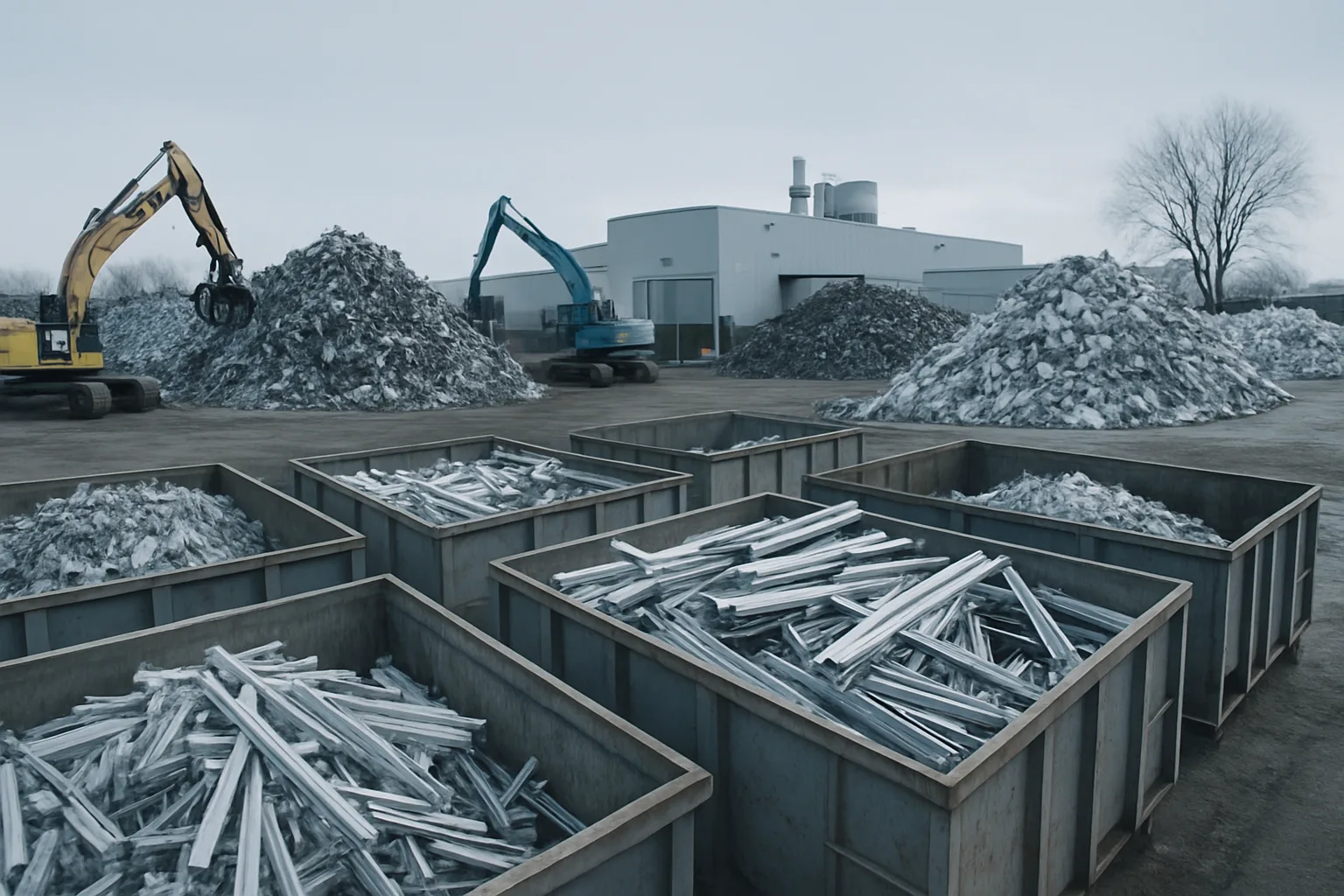
Oshawa's scrap landscape is shaped by its industrial and automotive history. Yards in and around the city handle everything from shredded auto bodies to clean non-ferrous runs — aluminum sheet, cast aluminum, mixed alum, and everything in between. The volume is real. The buyers are real. But getting the right price has always depended on who you know and how well you can describe a load over the phone.
That's changing. Buyers active in Ontario's market — including those who regularly bid on Oshawa scrap metal services — are increasingly expecting photo documentation as a baseline. Not because they distrust sellers, but because documented loads move faster, clear disputes faster, and leave less room for renegotiation at the dock.
For aluminum specifically, the stakes are high. The spread between clean aluminum and contaminated mixed loads can be substantial. A buyer who can see from photos that your cast is clean and sorted will pay accordingly. A buyer who gets a vague description and has to assume the worst will price in that uncertainty — and you eat the difference.
Organizations like the Ontario Automotive Recyclers Association (OARA) and the Automotive Recyclers of Canada (ARC) have long emphasized documentation and traceability as hallmarks of professional recycling operations. Photo verification in online auctions is a natural extension of those standards — applied to the transaction itself, not just the yard operation.
How Photo Documentation Affects Copper Recycling Price Canada-Wide
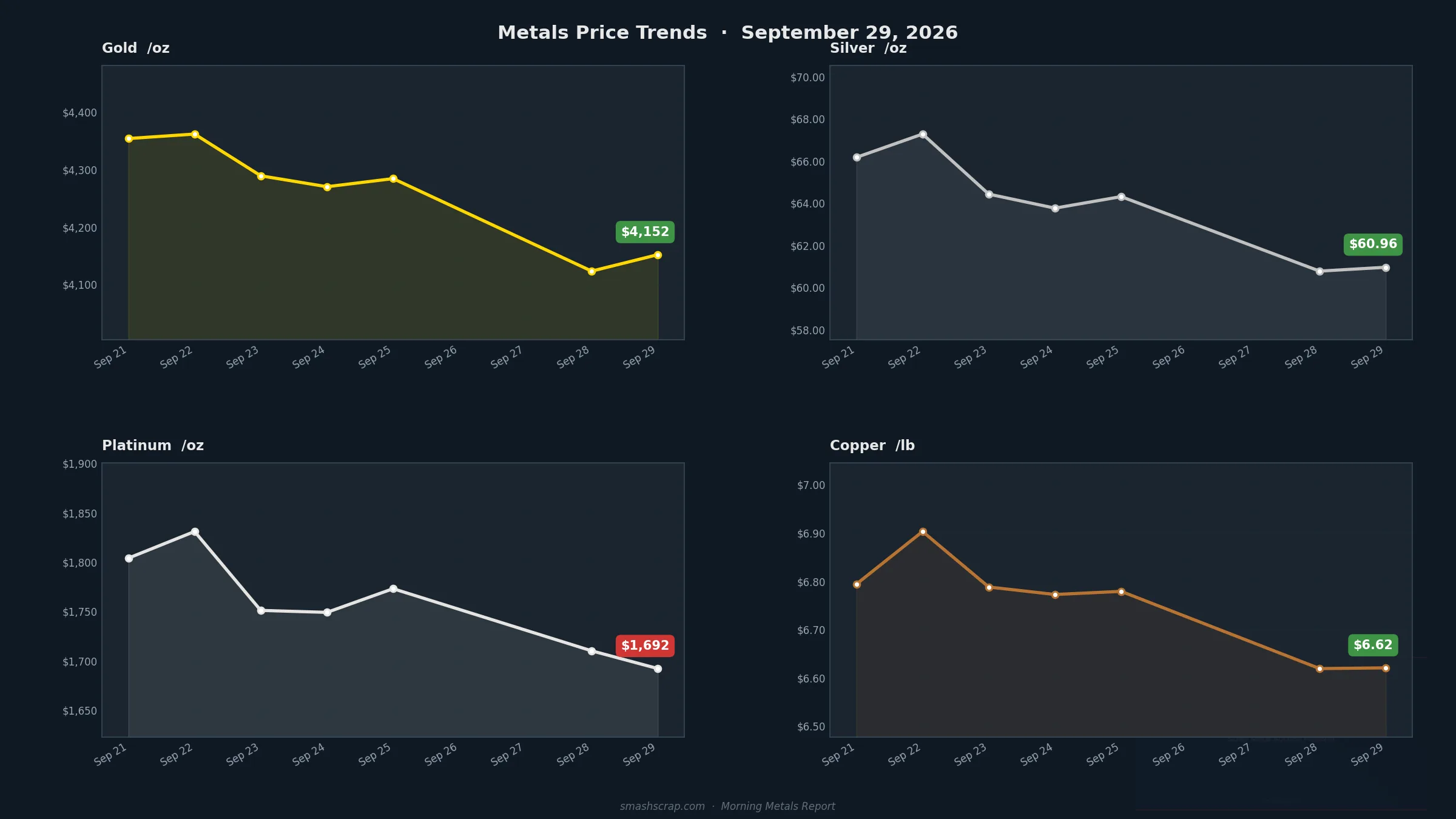
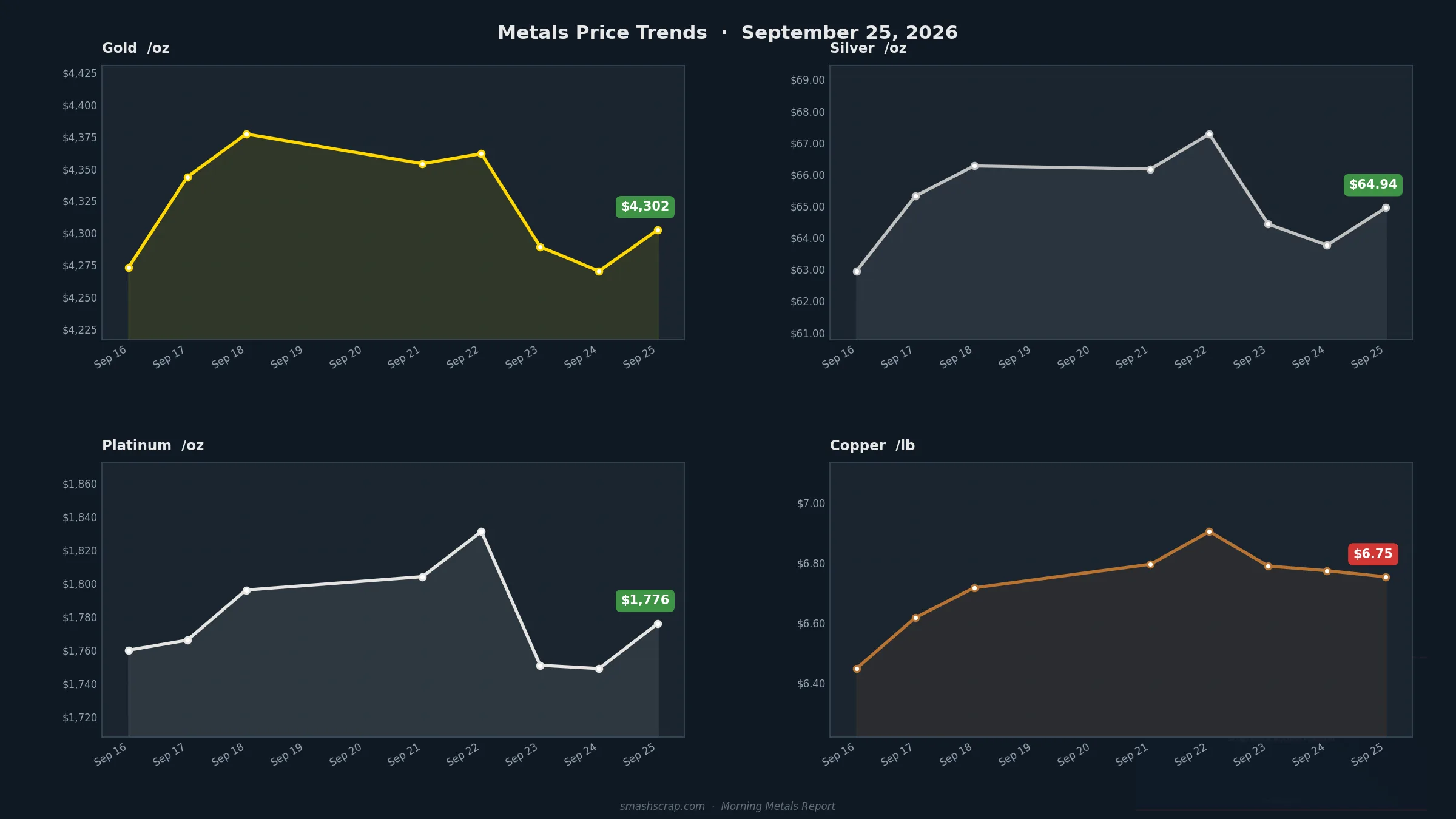
Copper is where documentation matters most. The copper recycling price Canada sellers actually receive often diverges significantly from the spot price — and contamination disputes are a primary reason why.
Clean #1 copper, bare bright, insulated wire, and mixed copper all carry different values. The difference between a clean bare bright load and a mixed copper load can be significant on any given day. When a buyer can't verify what they're getting, they quote for the worst-case scenario. When they can see photos that confirm grade, they quote for what's actually there.
This isn't theoretical. Yards that list copper loads with clear photo documentation — close-ups showing insulation status, bundle condition, and absence of contamination — consistently see stronger buyer engagement in competitive auctions. More buyers bidding confidently means the market sets the price, not one buyer's caution.
Precious metal loads like catalytic converters follow the same logic. With platinum, palladium, and rhodium prices fluctuating based on global factors, buyers pricing cats need every data point they can get. Serial tracking, VIN lookup, and photo documentation of converter condition give buyers the confidence to bid at actual value rather than applying a heavy risk discount. If you're tracking catalytic converter prices today and wondering why you're leaving money on the table, documentation is often the answer.
The Trust Problem in Online Scrap Auctions — and How to Solve It
Online scrap auctions face a specific trust challenge that doesn't exist in physical markets: the buyer can't touch the material. They're making a financial commitment based entirely on what the seller puts in front of them. If that information is thin, vague, or unverifiable, the rational response is to discount heavily and hedge against surprises.
Photo verification solves this by making the load legible to someone who has never been to your yard. It removes "I'll believe it when I see it" from the equation — because now they can see it, before they bid.
There's also a downstream benefit that sellers often overlook: dispute prevention. When every load is documented before it ships, disagreements at the receiving dock get resolved faster. The photos are the record. There's no "well, we thought it was" back-and-forth. That protects sellers as much as buyers, and it builds the kind of reputation in the market that brings repeat buyers back to your listings.
SMASH builds this documentation infrastructure directly into the listing process. Inventory tools, photo uploads, serial tracking, auto-invoicing — all of it is designed to make documented selling the default, not the exception. No subscription fees to access it. We only win when you win. Join Canada's B2B scrap marketplace on SMASH Recycling and see what a verified listing actually looks like in front of vetted buyers.
Making Photo Verification Work for Your Yard
If photo documentation sounds like more work, it is — upfront. But the backend savings in disputes avoided, time not spent renegotiating at the dock, and stronger prices realized on documented loads typically make it worth the investment. A few practical habits that make the process efficient:
- Build documentation into your intake process. When material comes in and gets graded, photograph it then — not after it's been moved three times and mixed with other loads.
- Use consistent angles. Wide-angle overview shot, mid-range showing grade detail, close-up of any contamination or condition issues. Three photos minimum per load category.
- Attach your scale tickets. Weight documentation is non-negotiable for serious buyers. If you don't include it, they'll assume the worst on weight accuracy too.
- Document before bundling or baling. Show buyers what's going in, not just the finished cube. Transparency at every stage builds confidence.
- Keep your records organized by load, not by date. When a question comes up two weeks after a load shipped, you want to pull up that specific listing and show the buyer exactly what was documented.
For the latest from SMASH Recycling on best practices, market updates, and how Canadian yards are adapting to the digital auction environment, check in regularly. The market moves fast. So should your information.
The scrap metal industry runs on trust and price. Photo verification builds the first and improves the second. If your yard is still selling on a handshake and a phone call, you're competing in a market that's moved on without you. The buyers paying top dollar for aluminum in Oshawa, clean copper across Ontario, and verified cat loads nationwide are doing their due diligence — make sure your listings meet them where they are.
Ready to put your loads in front of vetted buyers who can actually see what they're bidding on? Find the best price for your scrap on SMASH and list your first documented load today.
Frequently Asked Questions
Q: Why does photo verification matter for aluminum recycling in Oshawa?
Aluminum grades vary widely — clean sheet, cast, painted, and mixed alum all carry different values. In Oshawa's competitive scrap market, photo documentation lets buyers accurately assess what you're selling before they bid, which means less price hedging and stronger offers on verified loads. Without photos, buyers default to the conservative end of the range.
Q: How does photo documentation affect the price I get for scrap metal?
Documented loads reduce buyer uncertainty. When a buyer can see grade, condition, and weight documentation upfront, they don't need to apply a risk discount to their bid. More buyers bidding confidently on a verified load is how competition drives price discovery — and how sellers stop leaving money on the table. No specific price uplift is guaranteed, but documented inventory gives buyers more confidence.
Q: Is the Canadian scrap metal market moving toward requiring documentation for online auctions?
Yes, directionally. Professional buyers in Canada's B2B scrap market increasingly expect photo documentation as a baseline for online transactions, especially for non-ferrous materials like copper and aluminum. Industry organizations like OARA and ARC have long emphasized traceability standards, and online auction platforms are building those expectations directly into the listing process.
Q: What types of photos should I include when listing scrap metal on a B2B marketplace?
At minimum: a wide-angle overview of the full load, mid-range shots showing material grade and sorting, close-ups of any condition details (insulation on copper, paint on aluminum, damage on cores), and a copy of your scale ticket for weight verification. For automotive materials, serial numbers and VIN documentation add another layer of buyer confidence.
Q: How do I start selling scrap metal on a verified auction platform in Ontario?
Register on a platform like SMASH Recycling that has vetted buyers, built-in photo documentation tools, and a competitive auction format — no subscription fees required. List your material with proper photos and weight documentation, set your auction parameters, and let competitive bidding reveal the market price. For yards in Oshawa or anywhere across Ontario, it's a straightforward process that replaces the single-buyer phone call with actual market competition.
Stay current on scrap metal market insights and platform updates by following SMASH on LinkedIn — it's where Canadian yards and buyers track what's moving in the market.