Thunder Bay Cat Converter Buyers: Compete for Fair Prices
If you're still selling catalytic converters by calling one buyer and hoping for a fair price, you're leaving money on the table. That's not an opinion — it's how single-buyer markets work. One buyer, one offer, no competition. And without competition, you have no leverage. For recyclers across Canada dealing in catalytic converter recycling Canada-wide, that dynamic is slowly changing. Here's your November 15, 2026 roundup on what's moving in the market, why Thunder Bay yards are paying attention, and how SMASH is built to put verified buyers in front of your inventory.
---What's Driving Catalytic Converter Recycling in Canada Right Now
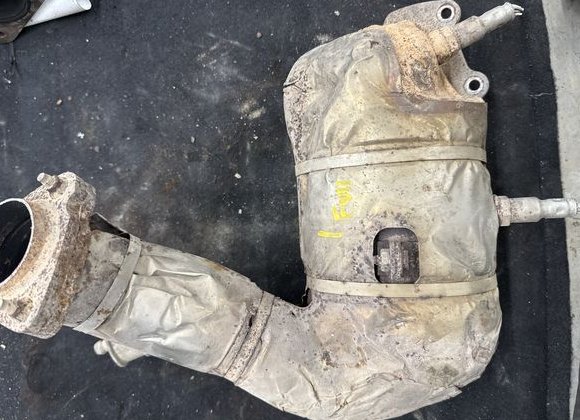
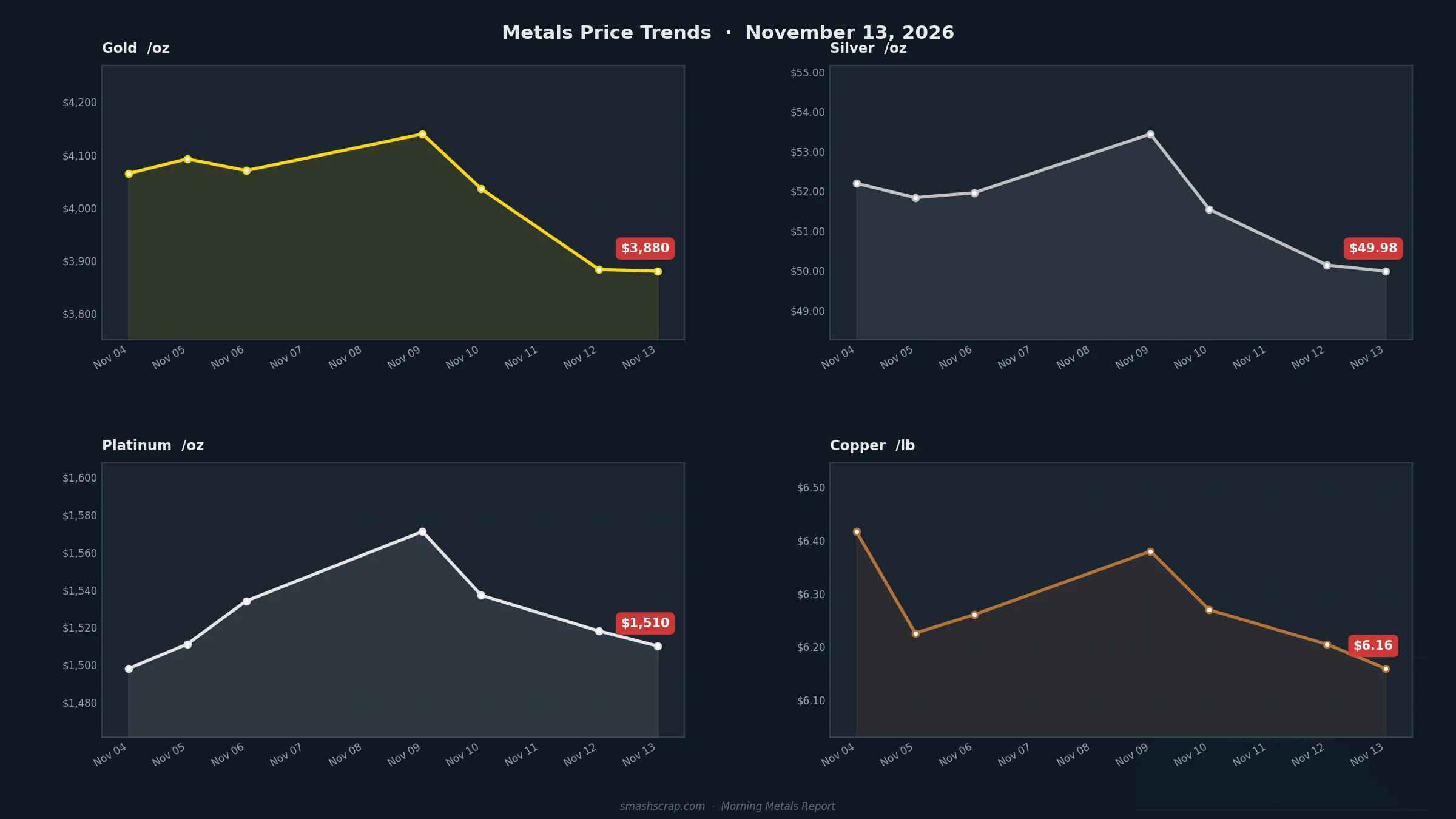
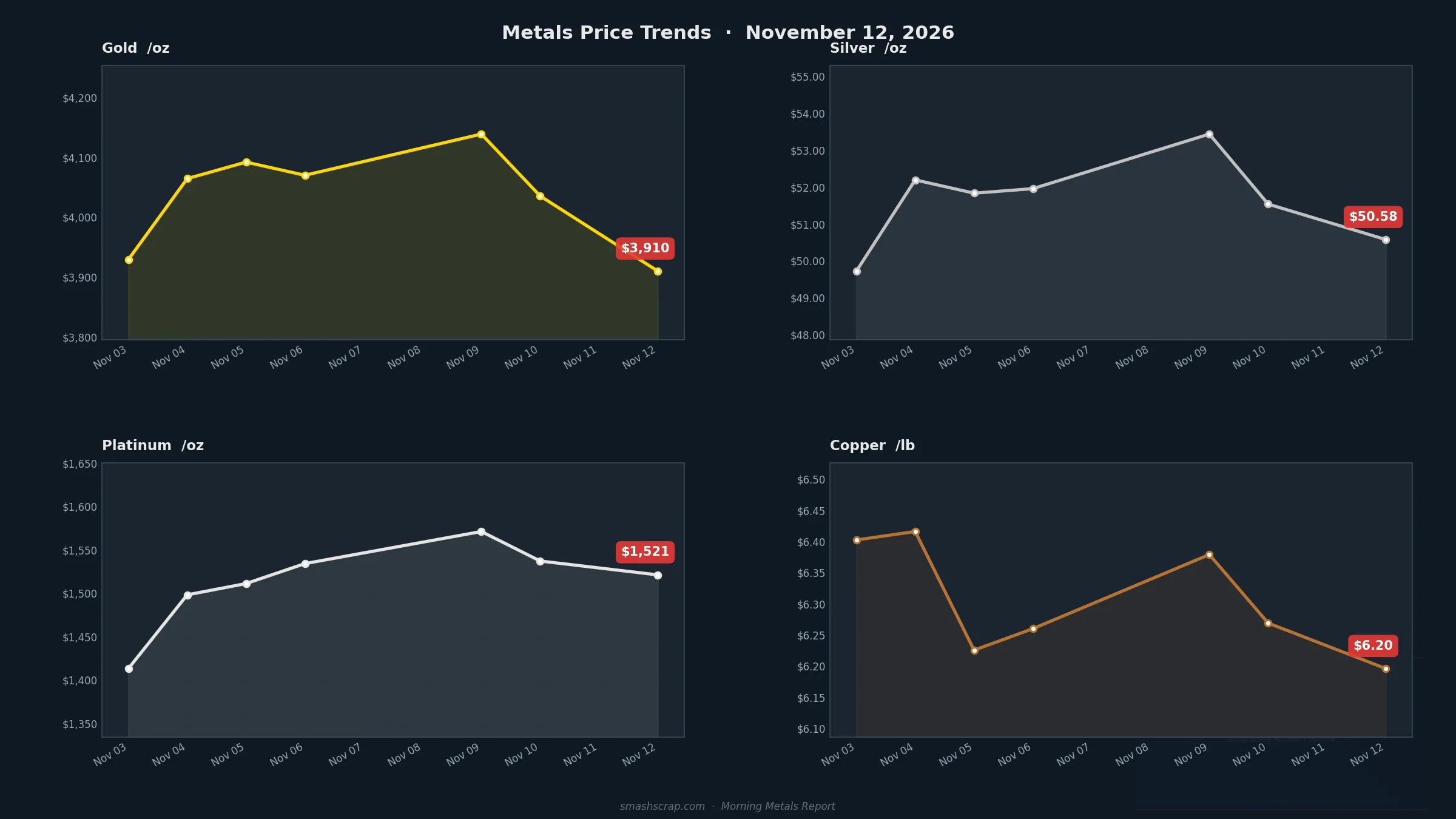
The PGM market — platinum, palladium, and rhodium — continues to shape pricing across every catalytic converter transaction in Canada. These three metals are the reason a single cat can be worth anywhere from a few dollars to several hundred. Rhodium, the rarest of the three, has been the most volatile over the past several years, and 2026 is no exception. Palladium remains a critical target metal, with ongoing demand driven by gasoline-engine emissions systems. Platinum has seen steadier movement, often tied to diesel applications and emerging hydrogen fuel cell tech.
Canadian scrap metal prices are always influenced by what's happening globally — and right now, global industrial output, currency exchange between CAD and USD, and shifts in EV adoption rates all factor into what a buyer will pay for your load of cats. The key takeaway: the spread between a low-ball offer and a fair market offer on PGMs is significant. That gap is exactly where transparent, competitive auctions do their job. For Thunder Bay scrap metal services, understanding that gap is the first step to closing it.
- Platinum: Watch diesel vehicle decommissioning rates — older fleet equipment in northern Ontario continues to feed supply.
- Palladium: Gasoline engine dominance keeps demand steady. Hybrid vehicles carry double converters in some configurations.
- Rhodium: Thin market, big swings. A few large industrial moves can shift spot pricing meaningfully week to week.
- Copper scrap prices: Relevant to overall non-ferrous loads. Watch industrial output indicators out of Asia for signals.
Bottom line: if you're not tracking PGM spot prices weekly — or at minimum biweekly — you're negotiating blind. And negotiating blind benefits your buyer, not you.
---How the Old Way of Selling Cats Is Costing Ontario Yards Real Money
Here's the old-way playbook that most automotive recyclers Thunder Bay and across Ontario still run: a buyer calls, quotes a price, picks up the load, and you move on. It's simple. It's also a one-sided information advantage held entirely by the buyer. They know the assay data. They know what your load will yield at the smelter. You don't.
This isn't a small problem. When a single buyer has exclusive access to your inventory, the offer they make is determined by what they need to pay — not what your load is actually worth. No external pressure exists to push that number up. That's not how competitive markets price anything, and it's not how SMASH Scrap — where verified buyers bid on your metal is designed to work.
The organizations setting standards for professional recycling practice — including the Ontario Automotive Recyclers Association (OARA) and the Automotive Recyclers of Canada (ARC) — both emphasize documentation, traceability, and professional handling. Those standards exist for good reason. But a recycler who meets every professional standard can still get undercut on price if they're only talking to one buyer. Good operations deserve a fair market.
- No serial tracking = buyers discount for uncertainty
- No photo documentation = no way to dispute grading disputes after pickup
- No competitive auction = one offer, take it or leave it
- No vetted buyer network = unknown counterparties with unknown intentions
What SMASH Does Differently for Catalytic Converter Recycling Canada-Wide
SMASH is an auction platform built for the scrap trade. Not a broker. Not a middleman taking margin. An auction that puts your documented inventory in front of multiple verified buyers at once and lets competition determine the price. That's it. No subscription fees. SMASH only earns when you sell — meaning the platform's interests are aligned with yours, not with a buyer's margin.
When you list catalytic converters through SMASH, you're not making one phone call. You're opening your load to a vetted buyer network across North America. Join Canada's B2B scrap marketplace on SMASH Recycling and your cats get documented with photos, serial tracking, and quantity verification before they hit the auction. Buyers bid on what they can see and verify. That documentation reduces buyer-side uncertainty — which translates directly into more confident, higher bids. More buyers means better price discovery. That's not a slogan; it's how competitive markets function.
Key platform features that matter for cat sellers:
- Inventory tool: Log your cats by type, quantity, and condition before auction listing
- VIN lookup: Confirm vehicle sourcing for high-value converters — especially relevant under OARA compliance standards in Ontario
- Serial tracking: Critical for cats, where individual units vary significantly in PGM yield
- Photo documentation: Buyers see exactly what they're bidding on. No surprises at pickup, no disputes after the fact
- Auto-invoicing: GST/HST handled cleanly. No chasing paperwork after the sale
- Vetted buyers only: Every buyer on SMASH is verified. You're not dealing with unknown walk-ins
For yards in Thunder Bay, Ontario — where you may have fewer local buyer options than a yard in the GTA — the ability to reach a broader buyer pool across the country is a material advantage. Distance used to mean fewer options. On SMASH, it doesn't.
---Sell Catalytic Converters Online: Why Documentation Is Your Best Pricing Tool
The single biggest lever a recycler has when they sell catalytic converters online isn't the platform they use — it's the quality of their documentation. Buyers discount uncertainty. If they can't verify what they're buying, they build that risk into their offer. Good documentation eliminates that discount.
Think about what a buyer needs to price a lot of cats confidently: quantity, type (OEM, aftermarket, substrate condition), vehicle source where applicable, photos of both ends, serial numbers for high-value units. If you can provide all of that upfront, you've removed every reason for a buyer to bid conservatively. The documentation isn't just compliance — it's your pricing tool.
This is where explore SMASH Recycling's auction platform to see how the inventory system is built to make that documentation process straightforward. Photo uploads, serial entry, type categorization — all organized before the auction goes live. The result: buyers come in with confidence, and confident buyers bid more aggressively. Competition can help reveal the market. But only if buyers trust what they're seeing.
---Canadian Scrap Metal Prices This Week: What to Watch
It's a weekly roundup, so let's talk about what's moving. Note: Specific prices fluctuate daily. Always verify current rates with a live market source before making selling decisions.
As of mid-November 2026, the factors worth tracking for automotive recyclers in Ontario and across Canada include:
- CAD/USD exchange rate: PGMs trade in USD globally. A stronger Canadian dollar compresses realized value for Canadian sellers. Watch the spread.
- Palladium spot: Still relevant despite EV headlines. The transition away from internal combustion is slower than predicted, and catalytic demand from gasoline engines remains a real floor under palladium pricing.
- Platinum spot: Hydrogen economy development continues to generate interest, but near-term pricing remains tied to diesel emissions systems. Fleet operators retiring older trucks in northern Ontario are a source of supply.
- Rhodium: The most volatile PGM. Industrial demand shifts can move price dramatically. If you're holding significant rhodium content, timing matters.
- Copper scrap prices: Relevant to any yards running mixed non-ferrous loads alongside cats. Watch construction output data for demand signals.
- Steel and ferrous: Slower market, but volume yards in Thunder Bay dealing in auto bodies alongside cats need to track ferrous pricing for load optimization.
The smartest yards in Ontario aren't just tracking one metal — they're managing a portfolio. And they're using platforms like SMASH to bring competitive pricing to each category rather than taking single-buyer offers on the whole load. Read the latest from SMASH Recycling for ongoing market commentary and platform updates.
---Why Verified Buyers Matter More Than Volume Buyers
Not every buyer in the scrap market is operating with the same level of compliance, documentation, or long-term accountability. This is especially true in the catalytic converter space, where theft and fraudulent sourcing have led to tightened regulations across Canadian provinces. Ontario has specific requirements around documentation for cat purchases — requirements that OARA has been vocal about supporting. Working with unverified buyers puts a yard's compliance record at risk, regardless of the seller's own sourcing practices.
SMASH vets every buyer on the platform. That's not a marketing line — it's a structural protection for sellers. When a buyer wins your auction, you know they've passed verification. BOLs and packing lists are part of the transaction flow. Traceability isn't optional. This matters for yards in Thunder Bay, Ontario, and anywhere across Canada where regulatory scrutiny on catalytic converter transactions has increased over the past few years.
Automotive Recyclers of Canada (ARC) members are increasingly expected to demonstrate documentation trails for high-value non-ferrous material. SMASH is built around exactly that standard. The platform's documentation requirements aren't friction — they're protection for the seller.
---Frequently Asked Questions
Q: How does catalytic converter recycling work in Canada, and what affects the price I get?
Catalytic converters contain platinum, palladium, and rhodium — PGMs recovered during smelting. The price you receive depends on the type of converter, the specific vehicle it came from, substrate condition, and current PGM spot prices. Because prices fluctuate with global markets, the best time to sell is when you have documented inventory and competitive buyers. Always check current rates before committing to a sale.
Q: Can I sell catalytic converters online as a Canadian recycling yard?
Yes. Platforms like SMASH allow Canadian yards to list documented catalytic converter inventory for auction to a verified buyer network. The key is proper documentation — photos, serial numbers, quantity, and condition — which allows remote buyers to bid with confidence. GST/HST is handled through the platform's auto-invoicing system.
Q: Are there specific regulations for buying and selling catalytic converters in Ontario?
Yes. Ontario has regulations around scrap metal transactions, including documentation requirements for catalytic converters, which are considered high-theft-risk material. The Ontario Automotive Recyclers Association (OARA) provides guidance for yards operating in compliance. Working with a verified buyer network like SMASH adds an additional layer of traceability that supports compliance.
Q: What do automotive recyclers in Thunder Bay need to know about selling cats through an auction platform?
Thunder Bay yards may have fewer local buyer options than yards in larger Ontario markets. An auction platform like SMASH expands your buyer pool nationally, which means more competition for your load regardless of geography. Document your inventory well, understand current PGM spot pricing, and let verified buyers compete for what you're selling.
Q: Does SMASH charge a subscription fee to list scrap for auction?
No. SMASH does not charge subscription fees. The platform earns only when a sale is completed, which means the incentive is aligned with the seller getting the best possible outcome, not with generating monthly fees regardless of results.
---The scrap market rewards the informed and the organized. If your cats are documented, your buyers are verified, and your auctions are competitive, you're running a tighter operation than most. That's the standard SMASH is built for. If you're ready to move beyond single-buyer offers and bring real competition to your catalytic converter loads, join Canada's B2B scrap marketplace on SMASH Recycling and register today.
Stay current on Canadian scrap metal prices, platform updates, and industry news by following SMASH on LinkedIn: follow SMASH Recycling on LinkedIn.