Sudbury Catalytic Converter Auction: Compete for Better
Catalytic converter recycling in Canada is a guessing game for most yards — and that guessing is costing you money. If you're calling one buyer, taking their number, and moving on, you're not selling. You're settling. The yards winning on cats right now are the ones creating competition. Here's how to do it, and why the auction model is changing how Canadian recyclers approach every load.
Why Catalytic Converter Recycling Canada Is More Complex Than Most Scrap
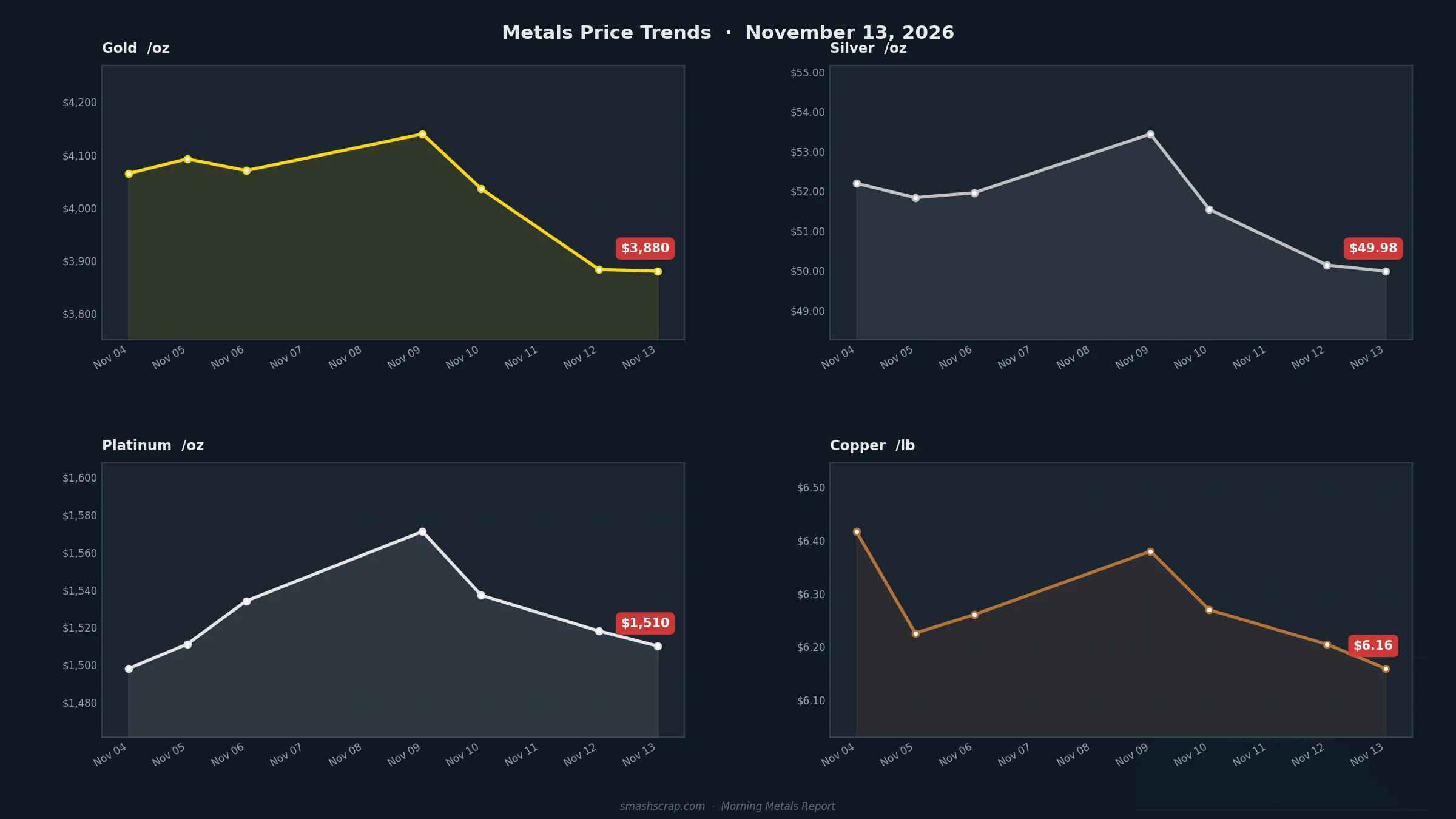
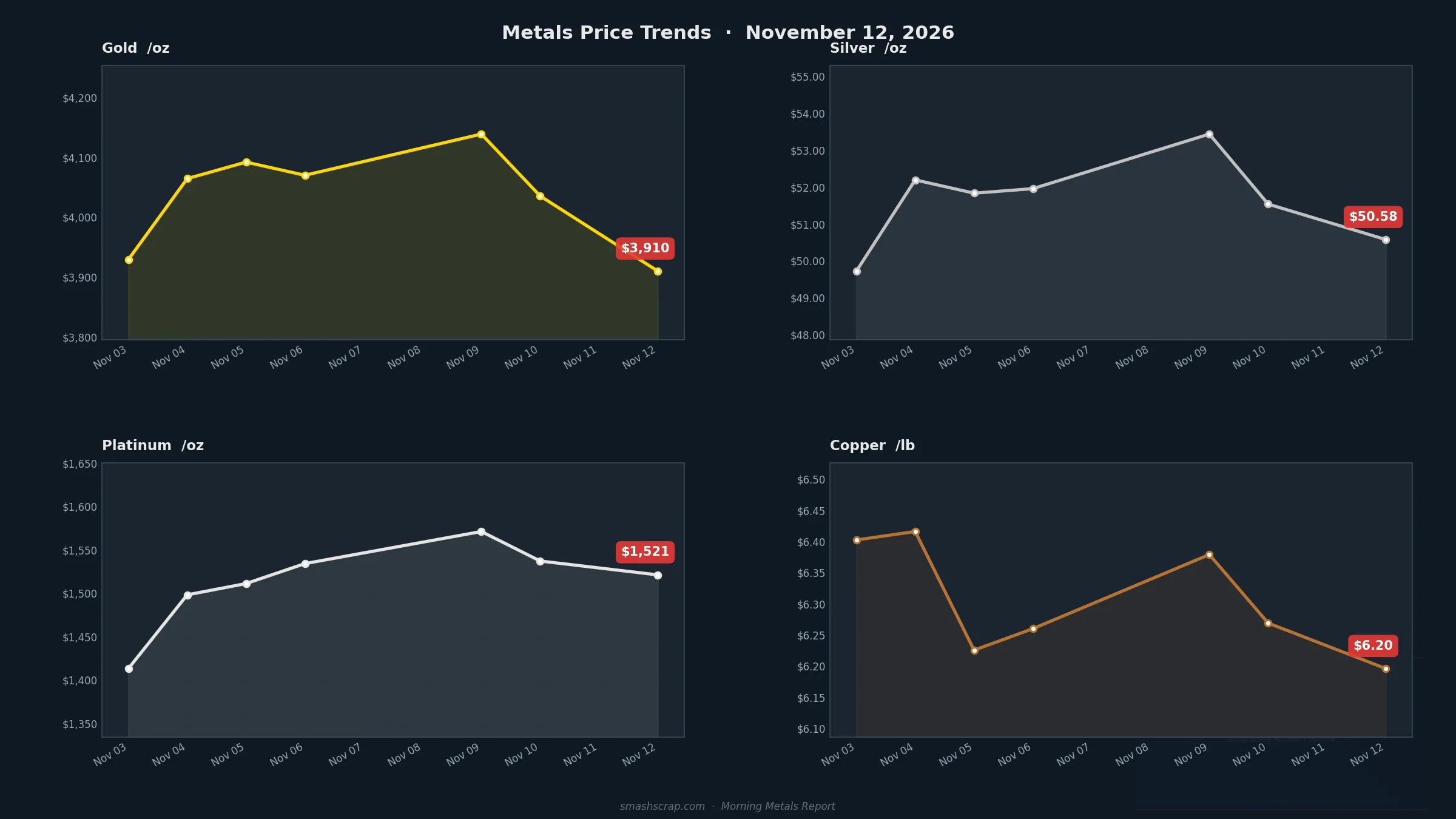
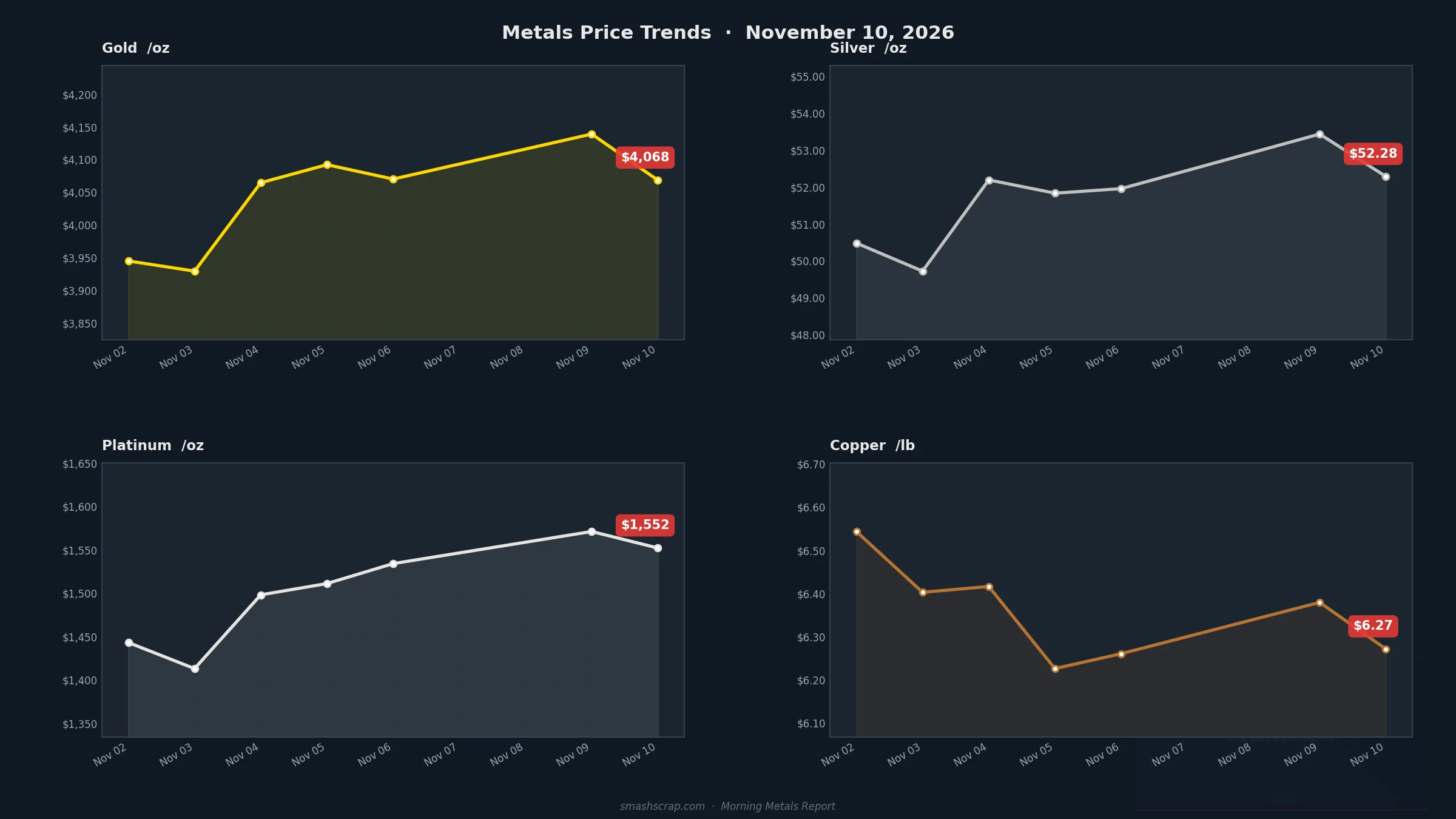
Cats aren't like shredded steel or bare copper. The value sits inside — in the platinum group metals (PGMs): platinum, palladium, and rhodium. Those three elements are traded on global commodity markets that move daily. What your cats were worth on Monday might not be what they're worth on Friday. That volatility cuts both ways.
The problem is that most Canadian recyclers don't have direct access to assay data or live PGM pricing. That information gap is exactly what a single buyer exploits. They know the numbers. You don't. The auction format closes that gap by forcing multiple buyers to compete, which means the market — not one buyer's margin target — sets your price.
In Ontario specifically, the volume of cats moving through yards has grown with the aging vehicle fleet. More old trucks, more SUVs with high-loading cats, more opportunity — if you're selling them right. Yards in Sudbury and across Northern Ontario sit on significant volumes of automotive scrap, including cats from mining and industrial equipment. That material has real value. Getting the right price for it starts with getting the right buyers in the room.
The Old Way vs. The Auction Way: A Direct Comparison
Let's be blunt about what the old approach looks like versus what an auction model delivers. This isn't theory — it's the structural difference between one data point and many.
Old Way: Single Buyer, One Call
- You call your usual cat buyer (or they call you)
- They quote you a price based on their assessment
- You have no benchmark to compare it against
- You accept, because what's the alternative?
- They make margin on the spread between your price and the actual PGM recovery value
SMASH Auction Way: Vetted Buyers, Open Competition
- You document your load — photos, serial numbers, counts, grades where possible
- Multiple vetted buyers see the same information simultaneously
- They bid against each other, not against your lack of information
- Price discovery happens in real time
- Auto-invoicing and documentation close the deal cleanly
More buyers means better price discovery. That's not a slogan — it's how markets work. When you explore SMASH Recycling's auction platform, you're looking at a system built specifically to put that dynamic to work for Canadian yards.
How to Document Your Cats for Maximum Buyer Confidence
Documentation is where most yards leave money on the table before the auction even starts. Buyers bid higher when they know exactly what they're buying. Uncertainty gets priced in as risk — and that risk comes off your number, not theirs.
Here's what strong cat documentation looks like on SMASH:
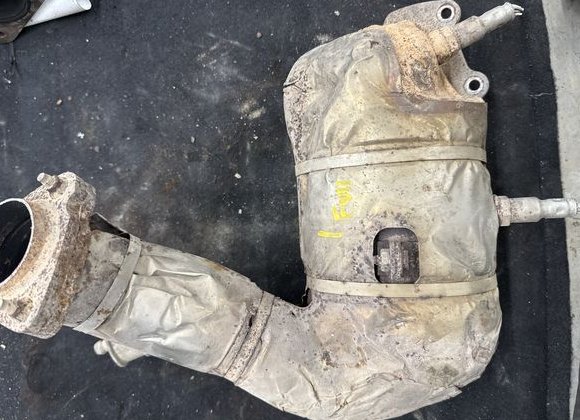
- Photo documentation: Clear photos of each unit, front and back. Show the substrate condition. Buyers need to see what they're assessing.
- Serial tracking: Cat serial numbers let experienced buyers identify the unit, the substrate loading, and the expected PGM yield. This is not optional if you want top bids.
- Accurate counts and grades: Separate your foil cats from your aftermarket units. Don't mix high-value OEM cats with low-loaders and expect buyers to pay for the average.
- VIN lookup where relevant: For cats still attached to vehicles or recently removed, VIN data gives buyers additional vehicle context.
- Weight and quantity: Total weight by category. Buyers on a B2B scrap metal marketplace expect professional-grade information.
SMASH's inventory tool is built to capture all of this. It's not a form you fill out for compliance — it's a sales asset. The more a buyer can see, the less they hedge. The less they hedge, the stronger the bid.
Catalytic Converter Prices Today: What's Actually Driving the Numbers
If you're watching catalytic converter prices today, you're watching three commodities: platinum, palladium, and rhodium. Each moves independently based on supply, demand, automotive production cycles, and macro factors.
Platinum and palladium are core to gasoline and diesel catalytic converters respectively, while rhodium is a rarer additive that can swing dramatically. Rhodium has historically been the most volatile of the three — it has seen multi-year highs and significant corrections within the same cycle. By November 2026, the PGM market continues to reflect pressure from EV transition timelines, mining output from South Africa and Zimbabwe, and industrial demand outside automotive. These are global variables. Your local buyer's quote reflects their read on these variables — and their margin.
Disclaimer: Metal prices fluctuate daily. The figures above reflect general market context, not current spot pricing. Always verify live PGM and scrap metal prices today before selling.
Ontario yards tracking metal recycling prices Ontario-wide know that regional factors — shipping costs, local buyer density, seasonal volume — all layer on top of commodity prices. The auction format accounts for this naturally: buyers bid what the market, their logistics, and their processing margins allow. That's a truer number than any single quote.
Canadian Recycling Standards and Why They Matter When You Sell Catalytic Converters Online
The Ontario Automotive Recyclers Association (OARA) and the Automotive Recyclers of Canada (ARC) have both pushed for better documentation, chain-of-custody tracking, and anti-theft compliance in the cat trade. That matters for two reasons: regulatory compliance and buyer confidence.
Theft-related legislation across Canada has tightened the documentation requirements around cat purchases and sales. Serious buyers — the kind who participate in vetted B2B platforms — expect compliant sellers. When you sell catalytic converters online through an audited marketplace like SMASH, your documentation trail is built into the transaction. That's not just good practice. It makes you a more attractive counterparty to serious buyers and keeps your yard on the right side of provincial and federal requirements.
For yards running Sudbury scrap metal services, compliance with OARA standards also signals professionalism to the broader buyer network. Buyers operating across Ontario want partners who document cleanly and sell transparently. That's the foundation of the SMASH model.
The ARC's national framework for responsible recycling aligns directly with what SMASH enables operationally — documented inventory, vetted counterparties, and clean transaction records. If you're not already familiar with both organizations, read the latest from SMASH Recycling for context on how Canadian recycling standards intersect with auction selling.
5 Reasons Sudbury Yards Should Be Auctioning Their Cats, Not Calling One Buyer
Sudbury is a mining city with a heavy industrial base. The vehicles and equipment moving through yards here aren't just standard passenger cars — they include heavy-duty trucks, industrial vehicles, and mining equipment with high-loading catalytic converters. That material commands attention from serious buyers across North America. Here's why the auction model fits this market specifically.
- Higher-value loads deserve more competition. If you're moving industrial cats, calling one local buyer is leaving money on the table. Specialized buyers across Ontario and beyond will bid harder for quality material they can't easily source elsewhere.
- Northern Ontario yards are underserved by traditional buyer networks. If your location limits who calls you, an online auction platform breaks that geography problem entirely.
- Documentation protects you from theft accusations. With provincial scrutiny on cat sales high across Ontario, clean documentation through a platform like SMASH is a business necessity, not a nice-to-have.
- No subscription fees mean zero risk to try. SMASH doesn't charge yards a monthly fee. You only pay when a sale closes. That's a model built for yards who want results, not overhead.
- Price discovery is real data, not a guess. After an auction, you know what multiple buyers were willing to pay. That data makes you smarter on every future load.
For automotive recyclers in Sudbury and across Northern Ontario, the question isn't whether the auction model works. It's how much you've left on the table by not using it yet. North America's B2B scrap metal auction platform is already running loads that used to go through one phone call. The yards calling in are the ones winning.
Frequently Asked Questions
Q: How does catalytic converter recycling in Canada work on an auction platform?
You document your cats using photos, serial numbers, and counts, then list them through SMASH's inventory tool. Vetted buyers across Canada and North America bid competitively on your load. The highest qualifying bid wins. Auto-invoicing handles the paperwork after the sale closes.
Q: What drives catalytic converter prices today in Canada?
Prices are primarily driven by the spot price of the three platinum group metals — platinum, palladium, and rhodium — on global commodity markets. Regional logistics costs, buyer competition, and the specific unit types in your load also affect what you receive. Prices move daily, so always check current rates before listing or selling.
Q: Can I sell catalytic converters online legally in Ontario?
Yes, but documentation requirements are strict and have tightened significantly in recent years under provincial and federal anti-theft legislation. Selling through a compliant B2B platform like SMASH — which supports serial tracking, photo documentation, and chain-of-custody records — keeps your yard compliant and builds buyer confidence at the same time.
Q: Are automotive recyclers in Sudbury able to access buyers outside of Northern Ontario?
Absolutely. That's one of the core advantages of an online auction platform. Geography limits your phone book — it doesn't limit who can bid on your material through SMASH. Serious buyers across Ontario and beyond participate in SMASH auctions regardless of where the load is located.
Q: Can you put scrap metal — including old catalytic converters — in a recycling bin?
No. Catalytic converters and scrap metal are not accepted in residential recycling bins. They require specialized processing through licensed metal recyclers or automotive recycling facilities. For B2B sellers, the right channel is a vetted scrap metal marketplace, not curbside collection.
If you're a Canadian recycler still selling cats off one call, the market is working against you. Competition is the fix — and it's closer than you think. Join Canada's B2B scrap marketplace on SMASH Recycling and start putting your loads in front of buyers who actually compete for them. Register at smashrecycling.ca and find out what your material is actually worth.
Stay current on PGM market moves, Canadian scrap regulations, and auction selling tips by following SMASH on LinkedIn — where we post industry updates and scrap metal market insights for Canadian recyclers.