Photo Verification in St. John's Scrap Metal Market
You can't shake hands through a screen. In the Canadian scrap metal market, that's always been the problem with selling online — buyers can't see what they're bidding on, and sellers have no way to prove what they've got. The result? Low offers, disputes, and deals that fall apart at the dock. Photo verification fixes that. Here's why it matters, and why yards across Canada — including operations in St. John's — are making it a non-negotiable part of their process.
The Old Way of Selling Scrap Was Built on Guesswork
One buyer. One phone call. A price pulled out of thin air based on a vague description and a relationship that may or may not be working in your favour. That's how scrap has been sold for decades. And for a long time, it worked — because there wasn't a better option.
But the Canadian scrap metal market has changed. Buyers are more sophisticated. Prices for non-ferrous metals fluctuate fast — platinum, palladium, and rhodium values can shift significantly week to week based on global demand. If you're selling without documentation, you're negotiating blind. The buyer knows that. They'll price your load accordingly.
For yards in Newfoundland and Labrador, this problem is amplified. You're not surrounded by a dense cluster of competing buyers. Your negotiating leverage depends entirely on how well you can demonstrate the value of what you're selling — and a phone description doesn't cut it anymore.
What Photo Verification Actually Does in a Scrap Metal Auction
Photo documentation isn't just about looking professional. It changes the economics of a scrap metal auction. When buyers can see exactly what they're bidding on — the condition of cores, the volume of a catalytic converter load, the quality of copper scrap — they bid with confidence. And confident buyers bid higher.
Here's what solid photo documentation covers in a live auction environment:
- Converter identity: Clear images tied to VIN lookup or serial tracking so buyers know exactly which cats are in the load
- Condition of cores: Cracked substrates, open units, and aftermarket converters documented upfront — no surprises at delivery
- Weight verification: Photos alongside certified scale tickets remove ambiguity about what's being sold
- Load composition: Non-ferrous breakdowns, packing lists, and BOLs matched to visual records
- Quantity confirmation: Counted and photographed lots reduce the risk of "I thought there were more" disputes post-sale
Each of these elements removes a reason for a buyer to discount their bid. That's the core value. Less uncertainty on the buyer's side means stronger price discovery on yours.
Why Catalytic Converter Auctions Demand Verified Documentation
If there's one category in the scrap world where documentation is non-negotiable, it's cats. Catalytic converter auction activity has grown significantly across North America because the spread between what an undocumented load sells for versus a fully verified load can be substantial. Platinum, palladium, and rhodium prices today are closely tracked by processors — they know exactly what a verified OEM unit is worth versus an aftermarket replacement. If you can't prove what you have, you're priced like the worst-case scenario.
Regulatory scrutiny around converter sales has also increased. Theft-related legislation across multiple Canadian provinces now requires documented chain of custody for converter transactions. Photo verification with serial tracking and VIN lookup isn't just a trust-building exercise — in many cases, it's a compliance requirement. Yards in St. John's and across Newfoundland and Labrador selling converters need to be ahead of this, not reacting to it.
Organizations like the Ontario Automotive Recyclers Association (OARA) and the Automotive Recyclers of Canada (ARC) have both emphasized documentation standards as a core part of responsible converter handling. Their guidance reflects what the market already knows: verified inventory moves faster and commands better prices. If you want to sell catalytic converters online at real market value, the documentation has to be there before the auction opens.
How SMASH Builds Verification Into Every Listing
SMASH didn't bolt photo verification on as an afterthought. It's built into the listing workflow. When you submit a load — whether it's a pallet of cats, a bin of copper scrap, or an e-waste lot — the platform walks you through photo documentation, serial tracking, and inventory confirmation before the auction goes live.
Buyers on the platform are vetted. They've agreed to transaction terms and have buying history tied to their accounts. When they see a fully documented load from a St. John's yard, they're not wondering if the photos are accurate — the platform's structure creates accountability on both sides. That's how you get real competition, not lowball bids from buyers hedging against the unknown.
If you're searching for a scrap metal warehouse near me or trying to figure out where to move a load of non-ferrous material without calling the same three buyers you've always used, explore SMASH Recycling's auction platform and see how verified listings change the conversation. No subscription fees. We only win when you win.
Photo Verification and the Weekly Market Reality
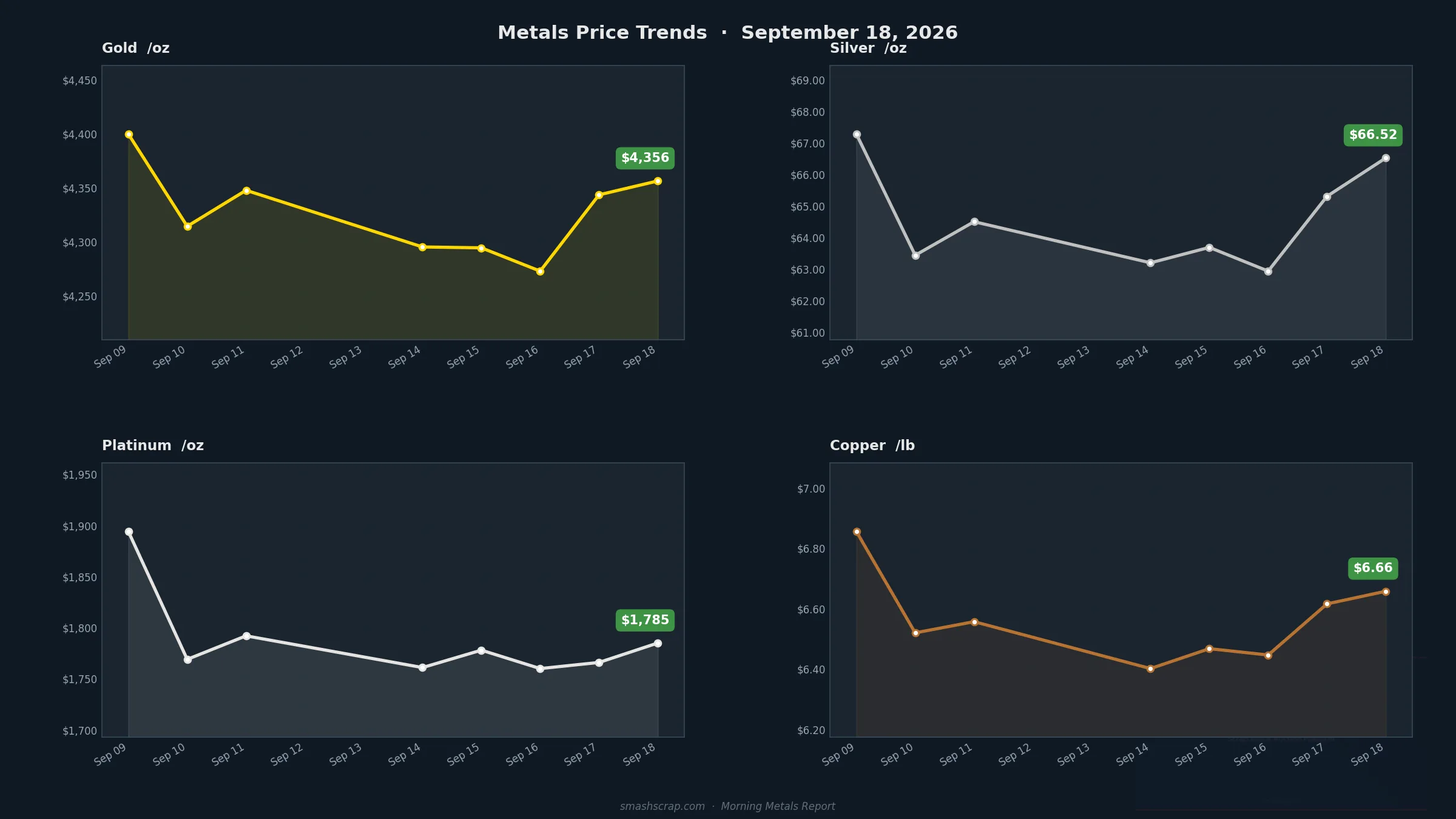
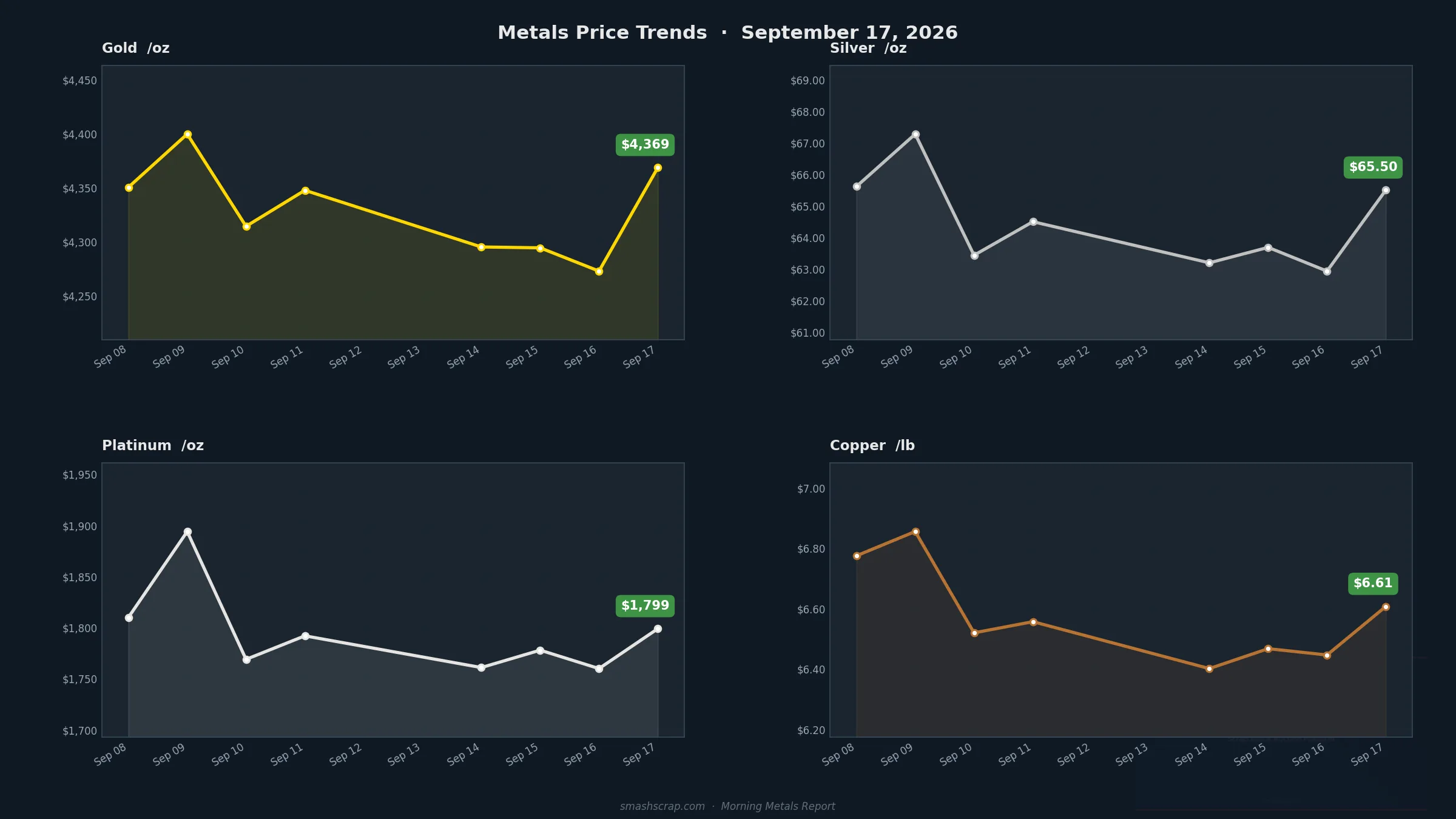
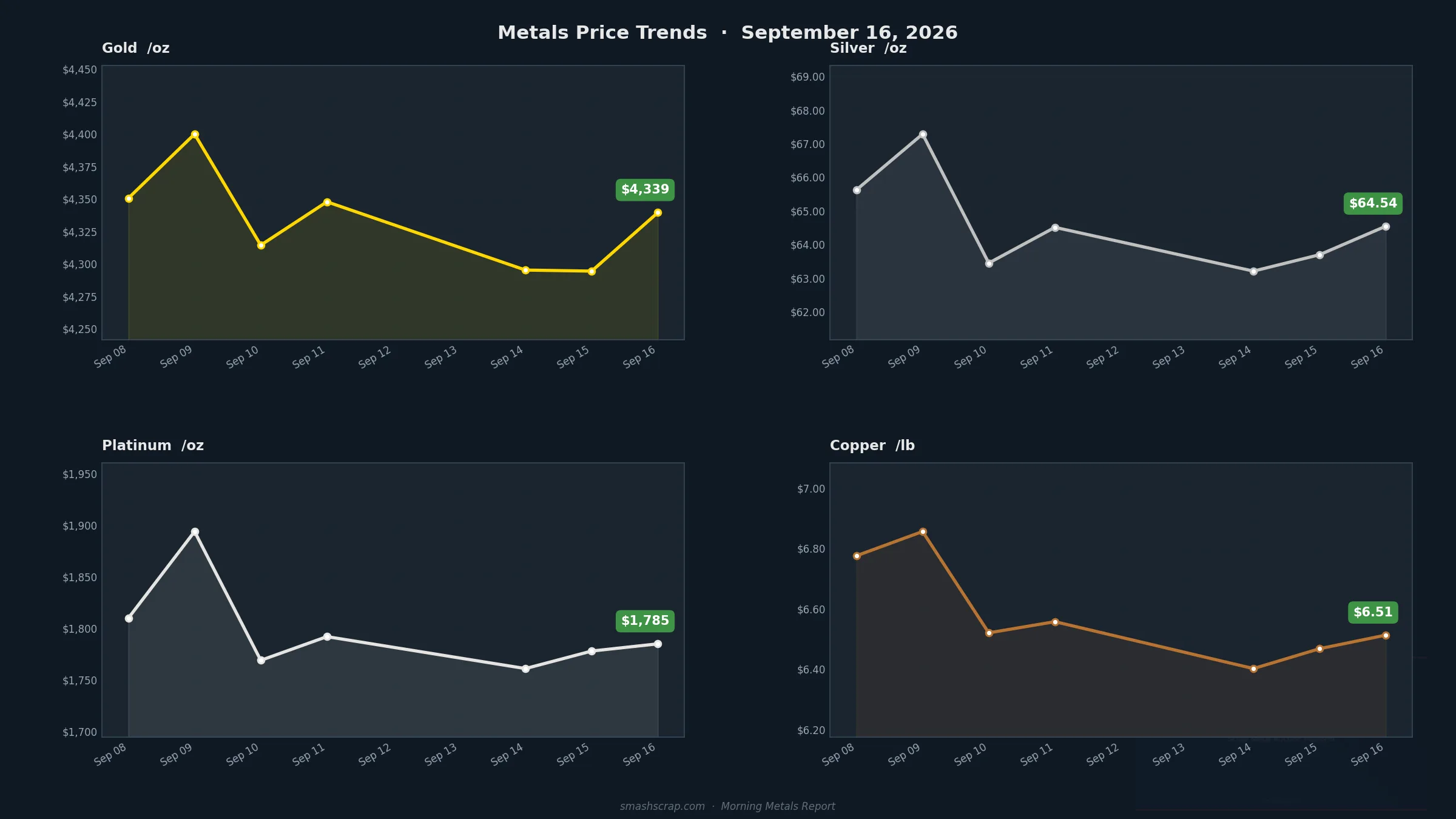
This week in the Canadian scrap metal market, price discovery remains a moving target. Copper scrap prices, platinum prices, palladium prices, and rhodium prices are all responding to shifting industrial demand and global supply chain signals. In a market that moves this fast, the difference between a documented load and an undocumented one isn't just about trust — it's about timing.
A fully verified load can go to auction quickly. Buyers review the documentation, confirm the lot matches what's listed, and bid competitively because they're not building in a discount for uncertainty. An undocumented load sits. Buyers want to see it in person, ask more questions, or simply skip it for something they understand better.
For yards in St. John's dealing with the added complexity of geography — shipping costs, logistics, BOL requirements — verified documentation isn't optional. When a buyer in Toronto or Vancouver is evaluating your load remotely, your photos and inventory records are your handshake. Make them count.
On the e-waste side, e-waste recycling in St. John's is a growing category with its own documentation demands. Circuit boards, stripped wire, and recovered metals all benefit from photo verification when moving through a B2B scrap metal marketplace. Buyers want to know the material quality before they commit — especially on loads traveling any distance. Read the latest from SMASH Recycling for ongoing coverage of market movements and platform updates.
What Verified Listings Mean for Scrap Metal Recycling in Newfoundland and Labrador
Geography creates friction. That's a fact for anyone running a yard in Newfoundland and Labrador. You're not driving a pallet of cats to a processor an hour away. Loads move by freight, and every step of that process requires documentation — weight tickets, packing lists, BOLs, and now increasingly, photo records that confirm what was loaded matches what arrives.
SMASH's inventory tool and photo documentation workflow were built with exactly this kind of operation in mind. When you document a load properly before it ships, you reduce disputes at the receiving end. When buyers have already reviewed verified photos and confirmed the lot details, the delivery is a confirmation — not a negotiation.
This is also where scrap metal recycling in Newfoundland and Labrador can compete on the same level as larger markets. A well-documented load from St. John's competes directly with a load from any other Canadian market when buyers are bidding blind on specs alone. Sell your scrap metal on the SMASH marketplace and let the documentation do the selling.
If you're ready to stop guessing and start getting real market competition on every load, join Canada's B2B scrap marketplace on SMASH Recycling — register at smashrecycling.ca, submit your first verified listing, and see what competitive bidding actually looks like.
Frequently Asked Questions
Q: Can you recycle catalytic converters in St. John's, Newfoundland and Labrador?
Yes. Catalytic converters are recyclable and contain valuable platinum group metals (PGMs) — platinum, palladium, and rhodium. Yards in St. John's can sell converters through a B2B scrap metal marketplace like SMASH, where verified listings reach vetted buyers across Canada. Documentation requirements around converter sales are increasing, so having serial tracking and photo records in place before you sell is important.
Q: How does photo verification affect catalytic converter prices today?
Documented converters command stronger bids because buyers can confirm unit identity, condition, and quantity before the auction closes. Undocumented loads introduce uncertainty — and buyers price that uncertainty into their offers. Photo verification tied to VIN lookup or serial tracking removes that discount and supports better price discovery.
Q: What is a B2B scrap metal marketplace and how does it work?
A B2B scrap metal marketplace connects yards and sellers directly with vetted industrial buyers through a structured auction format. Instead of calling one buyer and accepting whatever price they offer, you list your verified inventory, open it to competitive bidding, and let the market set the price. SMASH operates on this model with no subscription fees — transaction-based only.
Q: How do I sell catalytic converters online safely in Canada?
Use a platform that requires buyer vetting, photo documentation, and serial or VIN tracking. This protects you legally and commercially. Platforms like SMASH build these requirements into the listing process, ensuring your loads meet chain-of-custody standards before they go to auction. Organizations like OARA and the Automotive Recyclers of Canada (ARC) provide additional guidance on compliant converter handling.
Q: Why do scrap metal prices today vary so much between sellers?
Price variation comes down to documentation, competition, and buyer access. A seller with one buyer and no documentation will always get a worse price than a seller with verified inventory open to competitive bidding. The Canadian scrap metal market rewards preparation — accurate weights, clear photos, and proper inventory records consistently support stronger price discovery than verbal descriptions alone.
Prices referenced in this article are for general context only. Scrap metal prices — including copper, platinum, palladium, and rhodium — fluctuate daily based on market conditions. Always check current rates before making buying or selling decisions.
Stay ahead of market shifts and platform updates — follow SMASH on LinkedIn for weekly scrap metal market insights and industry news.