E-Waste Recycling Kelowna: Auction Pricing vs Single Buyers
How a Kelowna Recycling Yard Stopped Leaving Money on the Table
Most scrap yards across Canada are sitting on more value than they realize. Not because they're bad at the business — but because they've never had a real market to sell into. One phone call, one buyer, one price. That's not a market. That's a negotiation where only one side knows the number.
This is a story about what happens when a mid-sized recycling operation in Kelowna, British Columbia stopped guessing and started competing. It's also a look at where Canadian scrap metal market trends are heading in 2026 — and why regional pricing gaps are becoming impossible to ignore.
Whether you're moving copper, aluminum, catalytic converters, or e-waste recycling in Kelowna, the dynamics are shifting. Buyers are more active. Documentation standards are higher. And platforms like SMASH Recycling's auction platform are changing what price discovery actually looks like in the Canadian market.
The Problem With Regional Pricing in Canada's Scrap Metal Market
Canada's scrap metal landscape is not uniform. Metal recycling prices in Canada vary significantly by region — and that gap hits interior British Columbia yards harder than most. A yard in Vancouver or Calgary sits closer to major smelters and export terminals. A yard in Kelowna or Prince George doesn't have that luxury. Historically, that meant accepting lower offers, paying more for outbound freight, and having fewer buyers in the room.
The result? Interior yards often sold below market — not because the metal was worth less, but because they had less leverage. Fewer competing buyers equals lower prices. That's not opinion. That's math.
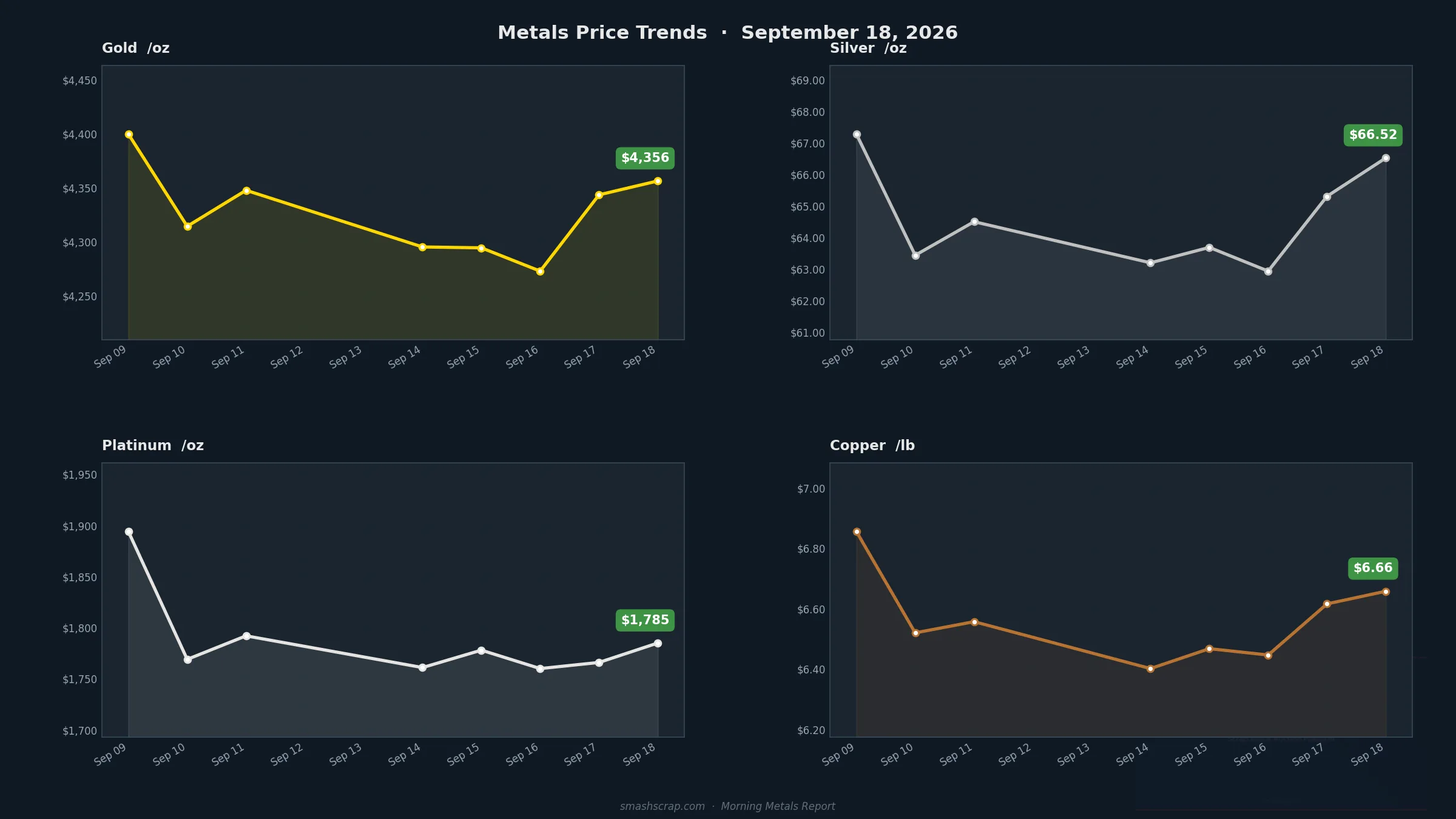
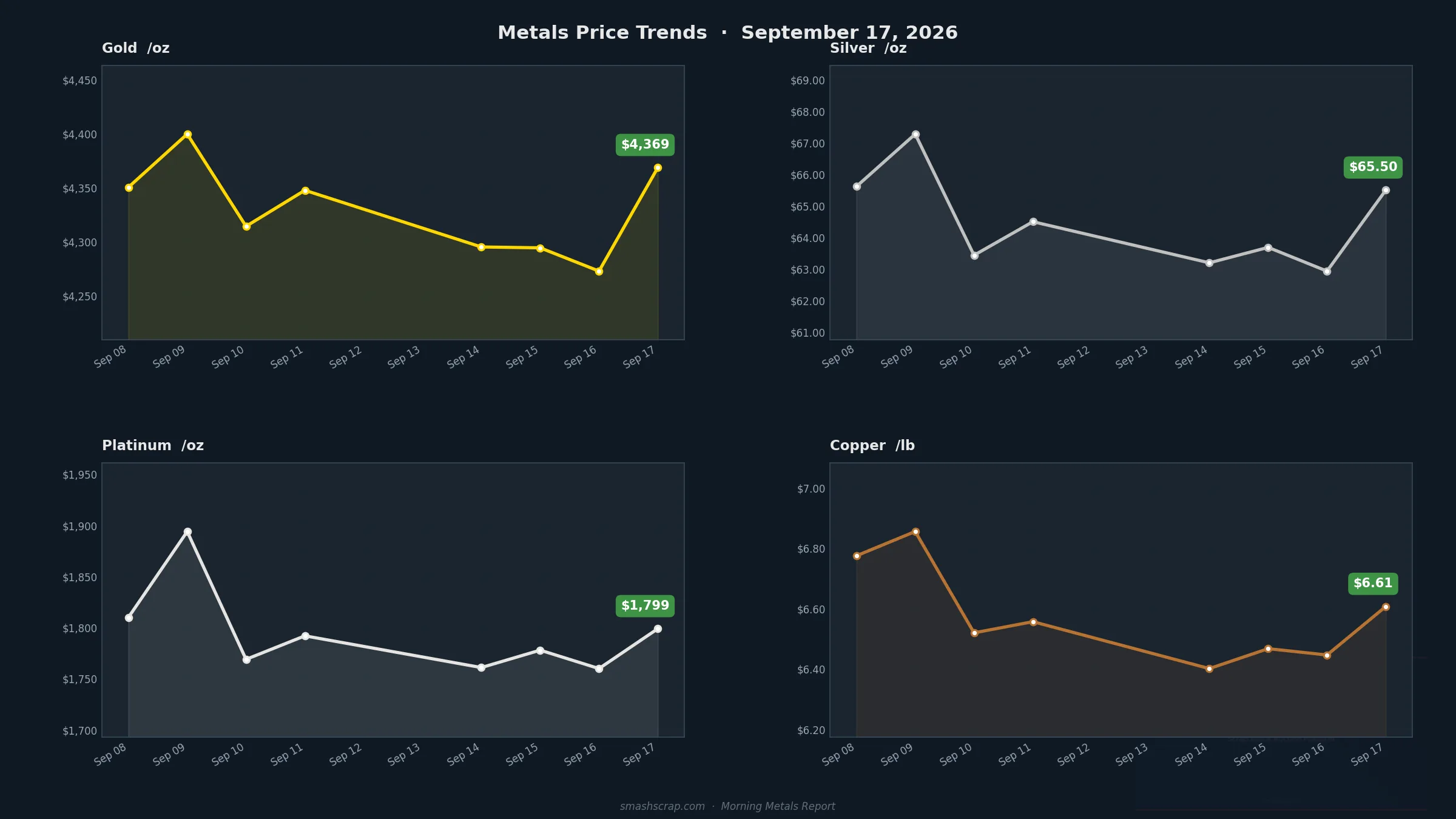
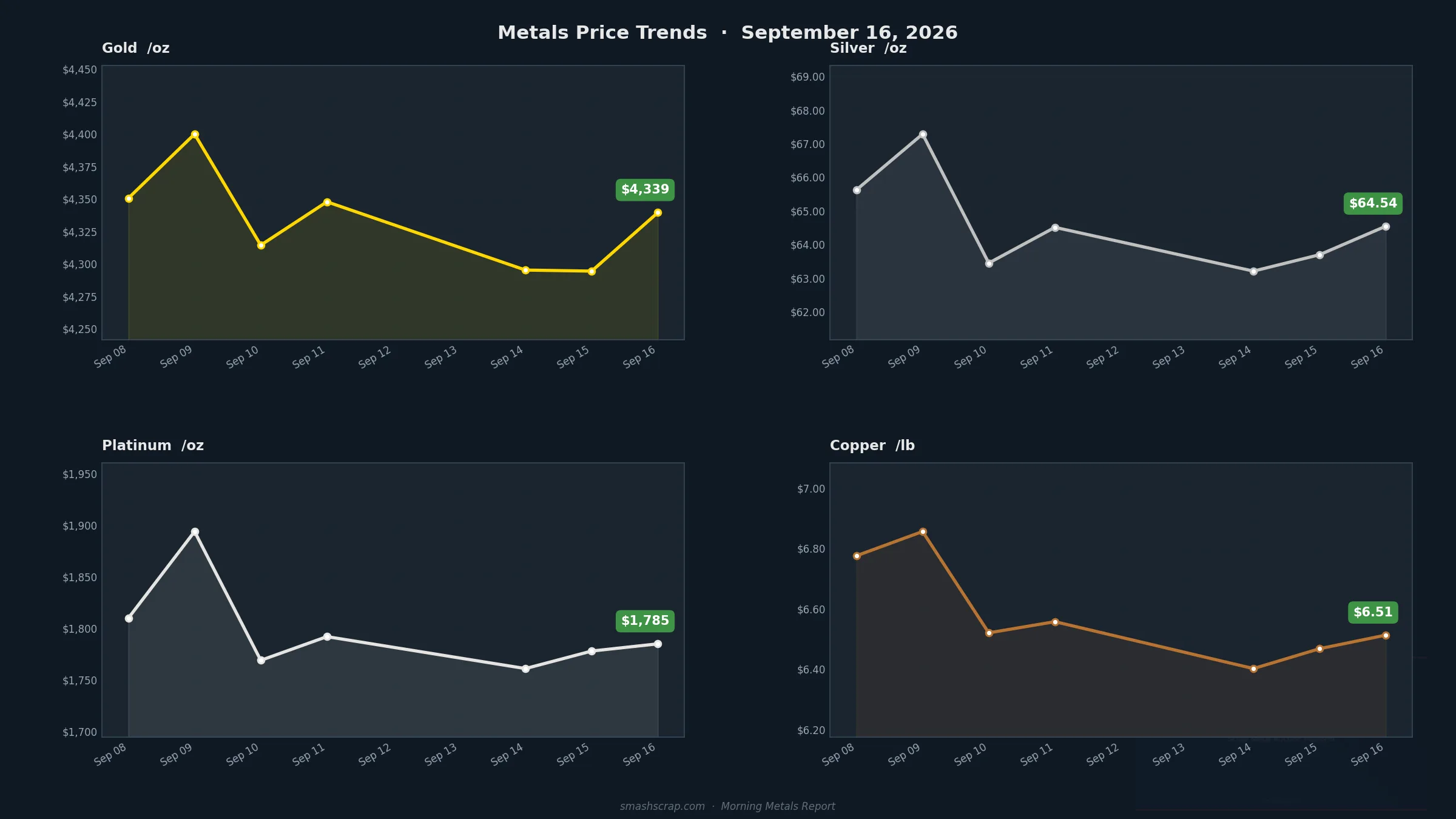
In 2026, the metals market has added complexity to this picture. Platinum, palladium, and rhodium prices — the three PGMs (platinum group metals) inside catalytic converters — have experienced volatility tied to global EV adoption rates, South African mining output, and North American emissions policy. Copper scrap prices remain sensitive to housing starts and grid infrastructure spending. Aluminum pricing reacts to energy costs at smelters. None of these factors care about your postal code, but your buyer pool absolutely does.
For British Columbia yards outside the Lower Mainland, that gap between what a load is worth on the open market and what a single local buyer will offer can be significant. That's the problem worth solving.
What the Kelowna Yard Was Dealing With
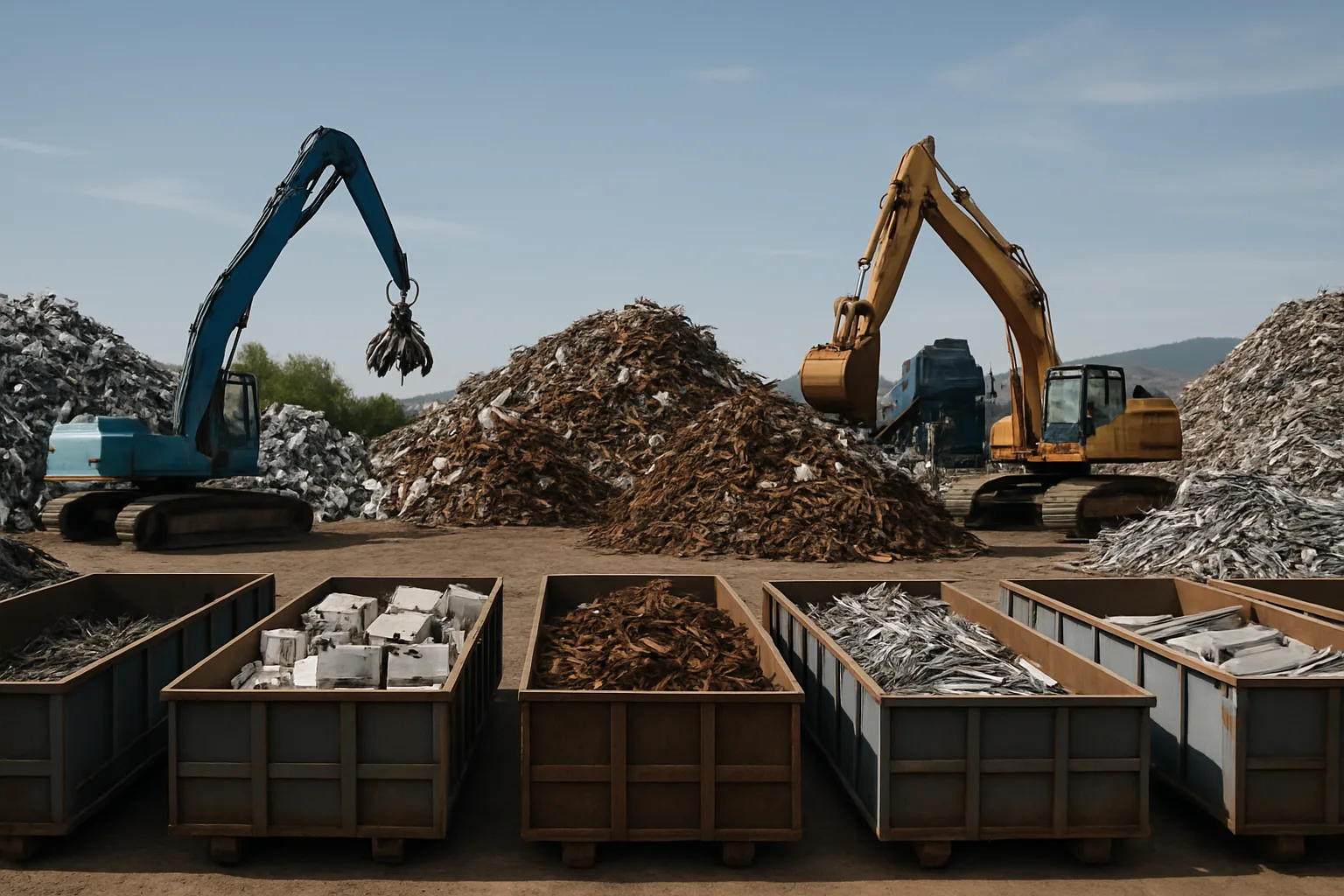
The operation this case study is based on processes a mix of ferrous and non-ferrous material — automotive cores, catalytic converters, copper wire, aluminum extrusion, and a growing stream of e-waste recycling from commercial and municipal contracts in the Kelowna area. Not a tiny operation. Not a massive one either. A mid-sized yard doing serious volume with a lean staff.
Their challenge was consistent: they had good material and no way to prove it to buyers who weren't local. Out-of-region buyers wouldn't bid blind. Local buyers knew they had limited competition. The yard was doing everything right operationally and still walking away from deals feeling like they'd left money behind.
They were also carrying more administrative weight than they needed to — manually tracking loads, chasing invoices, managing packing lists and BOLs by hand. Every load that moved created paperwork friction. And when it came to catalytic converter pricing — where platinum price, palladium price, and rhodium price can move daily — they had no reliable way to communicate grade and value to buyers who weren't standing in their yard.
This is where SMASH Recycling came into the picture. Not as a magic fix. As a structured process that replaced guesswork with documented listings and single-buyer relationships with competitive auctions.
How the SMASH Auction Format Changed Their Price Discovery
The first thing SMASH changed was documentation. Before listing anything on the platform, the yard used SMASH's inventory tool to build proper load records — photo documentation, weights, grades, serial tracking on catalytic converters, VIN lookup on automotive cores. Material that had always existed in a spreadsheet (or someone's memory) now had a verifiable record attached to it.
That documentation isn't just administrative housekeeping. It's the thing that gets out-of-region buyers to bid with confidence. A vetted buyer in Toronto or Edmonton won't bid on a Kelowna load they can't assess. Give them photos, grades, weights, and serial data — and suddenly that geographic barrier shrinks.
When the yard's first catalytic converter lot went live on SMASH, they had multiple vetted buyers participating in the auction. Not one phone call to one local contact. An actual competitive process. More buyers means better price discovery — and documented inventory gives buyers the confidence to participate.
For their copper wire and aluminum loads, the same principle applied. The scrap metal auction format surfaced buyers whose regular purchase prices aligned with current copper scrap prices and aluminum recycling benchmarks — buyers the yard had never had access to through their existing network.
Auto-invoicing handled the back end. GST/HST was calculated automatically. BOLs were generated through the platform. The administrative friction that used to eat hours per load got compressed into a process the yard's admin team could handle without adding headcount.
You can explore how this works for your own loads at Kelowna scrap metal services — or smashscrap.com if you want to see the full platform overview.
Canadian Scrap Metal Market Trends Shaping 2026
What happened in Kelowna isn't an isolated story. It reflects broader Canadian scrap metal market trends that are reshaping how yards and buyers interact across the country.
1. E-waste volumes are climbing. Provincial e-waste recycling programs have expanded across British Columbia and beyond. Commercial clients — office buildings, school districts, municipal departments — are generating more regulated electronic scrap than recycling yards have historically processed. Yards with the infrastructure and documentation to handle e-waste are seeing that stream grow. E-waste recycling in Kelowna and the surrounding Okanagan region reflects this trend directly.
2. Catalytic converter documentation requirements are tightening. Provincial and federal efforts to crack down on converter theft have raised the bar on chain-of-custody records. Buyers want serial numbers. They want photos. They want paper. Yards that already have documentation built into their workflow have a competitive advantage when they sell — and a cleaner record if they're ever audited. SMASH's serial tracking and photo documentation tools were built specifically for this environment.
3. PGM price volatility is making guessing dangerous. If you're selling catalytic converters today based on last month's platinum price or palladium price estimates, you're flying blind. The spread between a well-documented, competitively auctioned cat lot and a quietly negotiated local sale can be meaningful — especially when rhodium price swings are involved. Competition can help reveal the market. That's not a pitch. That's how price discovery works.
4. Buyers are going digital. The old way of buying — cold calls, relationship networks, regional monopolies — is losing ground to platforms where vetted buyers can see documented inventory and bid competitively. This is good for sellers. It's also raising the documentation standard for everyone in the chain.
Organizations like the Automotive Recyclers of Canada (ARC) and the Ontario Automotive Recyclers Association (OARA) have been consistent voices on documentation standards, responsible dismantling practices, and professional development in the recycling sector. Their guidelines shape what best-practice looks like across Canadian automotive recycling — and they align closely with what platforms like SMASH are building toward operationally.
What Scrap Metal Sellers in Kelowna Should Take Away From This
The Kelowna yard's experience isn't a testimonial with a specific number attached. It's a process story. They changed how they documented material, changed who they sold to, and changed how those sales happened. The outcome was a more competitive selling environment — which is what every yard deserves.
If you're selling scrap metal in British Columbia and still relying on one or two local buyers, ask yourself an honest question: Do you actually know what your loads are worth on the open market? Or are you accepting what someone tells you they're worth?
Scrap metal auction format exists to answer that question. It doesn't guarantee a higher price on every load — nothing honest does. But it puts vetted buyers in competition with each other, with documented material in front of them, and it generates a market price instead of a negotiated concession.
No subscription fees. SMASH only makes money when you sell. That alignment matters.
If you're ready to see what your loads actually bring in a competitive market, join Canada's B2B scrap marketplace on SMASH Recycling and find out. Email jeff@smashscrap.com directly if you're ready to talk about buying or selling — he'll get back to you fast.
Prices for all metals — copper, aluminum, platinum, palladium, rhodium, and all PGMs — fluctuate with market conditions. Always verify current rates before making sell decisions.
Frequently Asked Questions
Q: How do I sell catalytic converters online in Canada?
You can list catalytic converter lots on a B2B scrap metal marketplace like SMASH, which uses an auction format to connect you with vetted buyers across Canada. Proper documentation — serial numbers, photos, weights, and grades — increases buyer confidence and typically results in more competitive bids. The platform handles invoicing and GST/HST automatically once a sale is completed.
Q: How much is a catalytic converter recycled for in Canada?
Catalytic converter recycling values vary significantly based on the vehicle make, model, converter grade, and current platinum, palladium, and rhodium prices — all of which fluctuate daily. There's no single answer that stays accurate for long. The best way to understand current market value is to document your inventory properly and let vetted buyers bid on it competitively. Always check current PGM spot prices before selling.
Q: What is e-waste recycling in Kelowna and how does it connect to scrap metal?
E-waste recycling in Kelowna refers to the processing of end-of-life electronics — computers, servers, circuit boards, and other devices — which contain recoverable metals including copper, aluminum, and precious metals. British Columbia's e-waste programs regulate how these materials are collected and processed. Recycling yards that handle e-waste streams can often sell recovered non-ferrous metals through the same B2B auction channels they use for conventional scrap.
Q: Are scrap metal prices in Canada different by region?
Yes. Metal recycling prices in Canada vary by region based on proximity to smelters, export terminals, transportation costs, and local buyer competition. Interior British Columbia yards, including those in and around Kelowna, have historically had fewer competing buyers than yards near major urban centres. A B2B auction platform that connects you with vetted buyers across Canada helps close that gap through competitive price discovery.
Q: Does SMASH charge a monthly subscription fee to list scrap metal?
No. SMASH operates on a no-subscription model — there are no monthly fees to use the platform. SMASH earns when you complete a successful sale, which means the platform's interests are aligned with yours as a seller. You can register and start documenting inventory without an upfront financial commitment.
Stay current on Canadian scrap metal market trends, catalytic converter pricing updates, and B2B recycling industry news by following SMASH on LinkedIn: follow SMASH Recycling on LinkedIn.