Auto Recycling Sherbrooke: Auction vs Single-Buyer Model
One phone call. One buyer. One price — take it or leave it. If that sounds familiar, you already know the problem.
Across Canada, recycling yards and auto recyclers are quietly moving away from that model. Not because they got burned once — because they got tired of never knowing if they left money on the table. The shift to online scrap auctions isn't a trend. It's a correction. And yards doing auto recycling in Sherbrooke and across Quebec are part of it.
Here's why it's happening, what it actually looks like in practice, and how a B2B scrap metal marketplace like SMASH changes the math for Canadian recyclers.
The Old Way Was Broken Before You Noticed
Most yards built their selling process around relationships. Call your guy, he makes an offer, you load the truck. It worked — until you started wondering what your guy's buyer was paying downstream.
That gap between what you accepted and what the market would have paid? That's the problem. It's not always fraud. It's not always a bad actor. It's just what happens when price discovery is replaced by habit. One buyer means one data point. One data point isn't a market price — it's a guess.
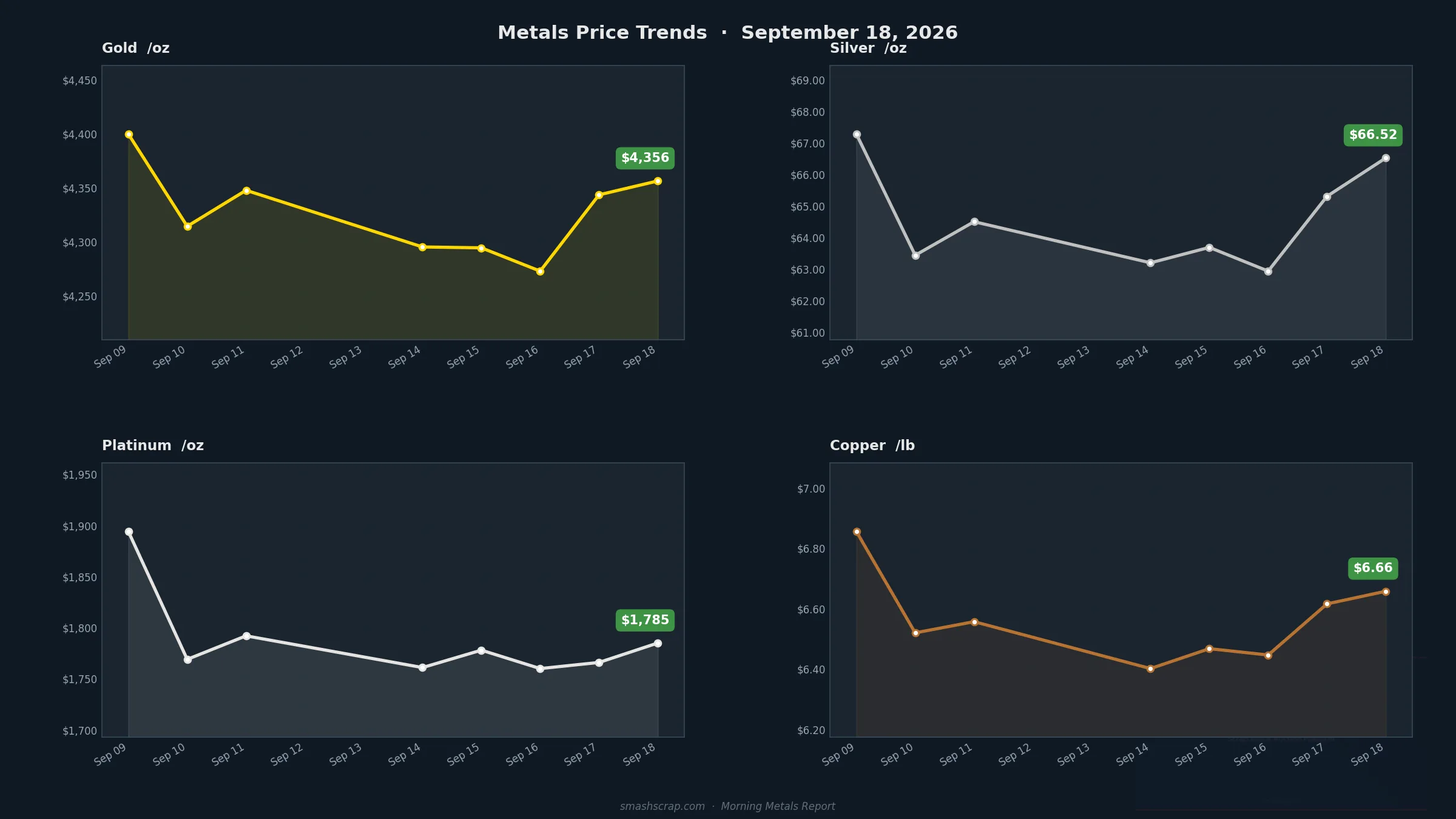
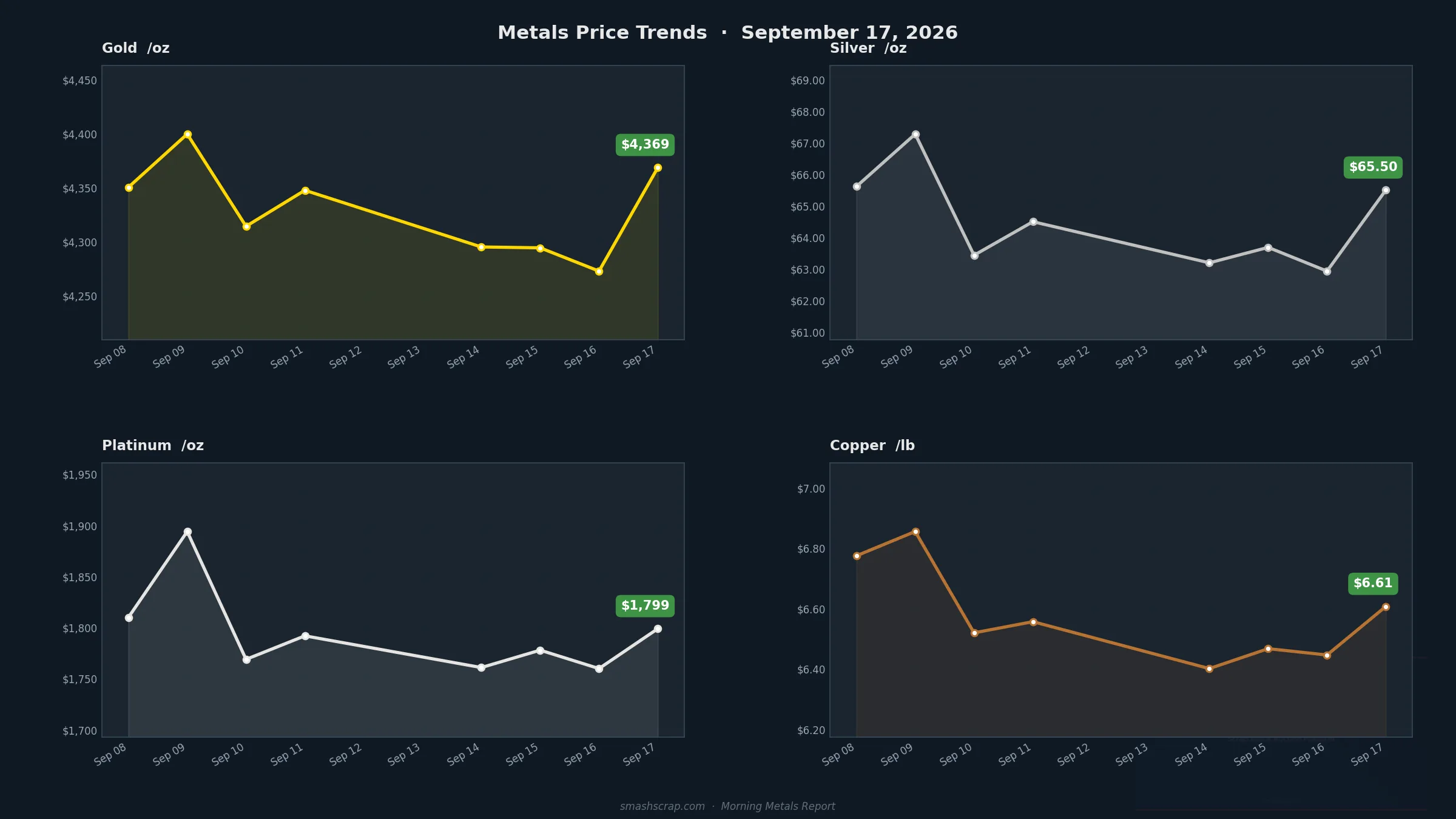
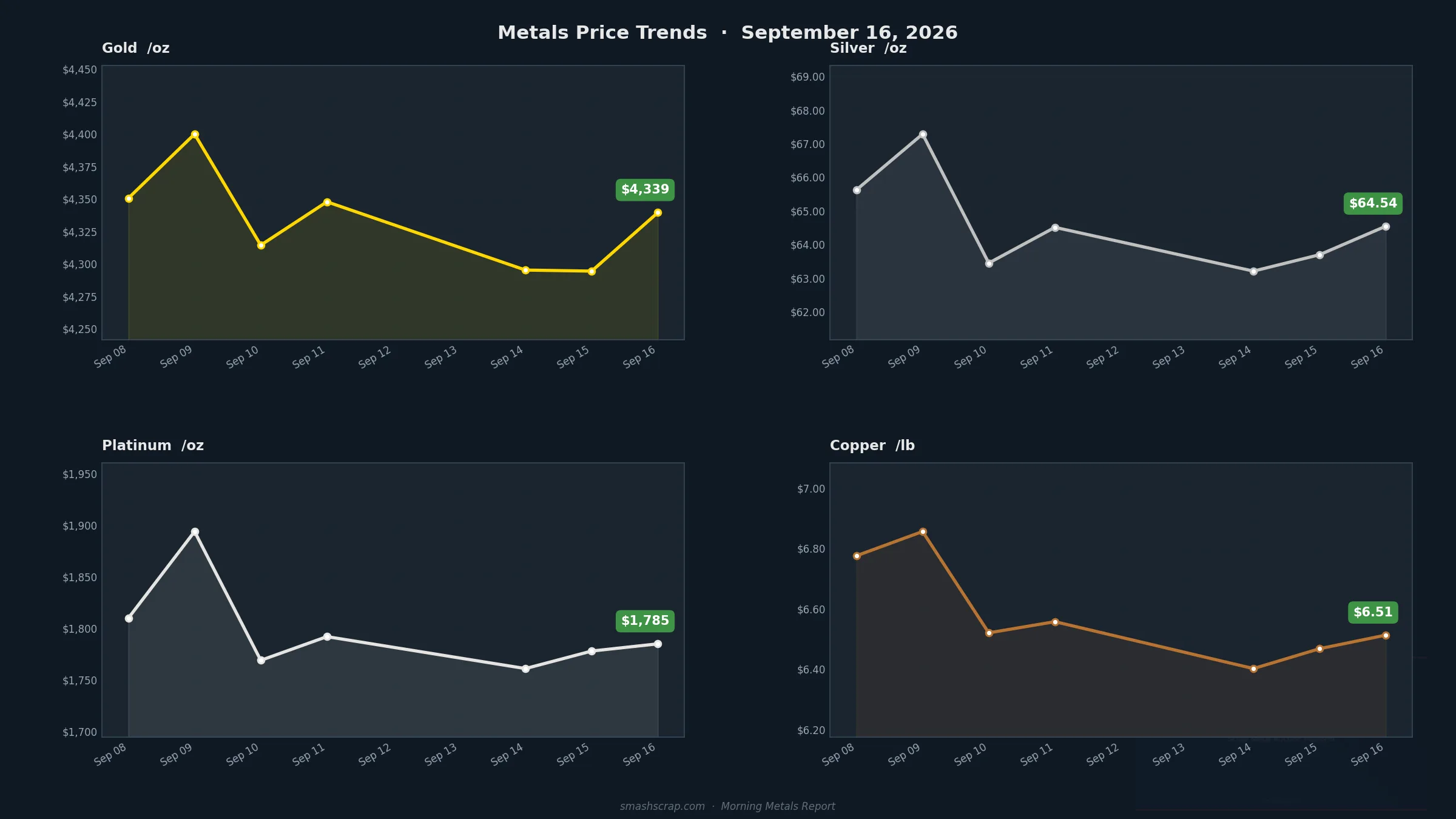
The materials where this hurts most are the ones with the highest volatility: non-ferrous metals, catalytic converters, copper, and specialty alloys. Platinum, palladium, and rhodium prices shift daily. Copper scrap prices move with global demand. When you sell on a handshake and a phone call, you're pricing yesterday's market on today's load.
What Online Auctions Actually Do for Scrap Sellers
A scrap auction doesn't guarantee you a higher price. What it does is expose your load to competition. More vetted buyers, bidding against each other, on documented inventory — that's how price discovery actually works.
On a platform like SMASH, the process is straightforward:
- You build your inventory using the platform's inventory tool — photo documentation, serial tracking, VIN lookup for automotive cores, packing lists for non-ferrous loads.
- That documented load goes to vetted buyers who can see exactly what they're bidding on.
- Buyers compete. You see real bids, not a number someone decided to offer you over the phone.
- Auto-invoicing handles the paperwork once a deal closes. No scrambling for BOLs after the fact.
The transparency cuts both ways. Buyers get accurate documentation so they can bid with confidence. Sellers get a real market signal instead of a single opinion. That's a better outcome for both sides — and it's exactly what's missing from the old model.
For yards handling catalytic converters, this matters even more. If you're trying to sell catalytic converters online, the value difference between a well-documented lot and a "miscellaneous cats" pile can be significant. Documented serial numbers, photos, and assay data give buyers the confidence to bid higher. Guesswork gets discounted every time.
Why Copper and Non-Ferrous Loads Are Leading the Switch
Non-ferrous metal is where the margin lives — and where the most money gets left behind. Copper recycling in Sherbrooke and across Quebec follows the same pricing pressures as anywhere else in Canada: global commodity benchmarks, exchange rates, and buyer demand all move the number.
When you're asking about copper recycling prices in Canada or checking aluminum recycling prices today, you're already doing the right thing. You're treating your scrap like a commodity with a real market value, not a fixed rate your buyer set six months ago. The next step is selling into a process that reflects that.
Copper — whether it's #1 bare bright, #2 wire, or insulated — has a wide spread between grades. The same is true for aluminum: clean cast, MLC, painted siding, and extrusion all move differently. A buyer who can see exactly what grade they're getting will price it accurately. A buyer working off a vague description over the phone will protect themselves with a discount.
Better documentation means better bids. That's the entire logic behind moving non-ferrous loads through an auction platform.
Auto Recycling in Sherbrooke: The Local Picture
Sherbrooke sits in the Eastern Townships, well-connected to both Montreal and the Quebec market. Yards doing auto recycling in Sherbrooke handle the same materials as yards anywhere in the country — end-of-life vehicles, cores, catalytic converters, steel, non-ferrous — but they operate in a specific regional context.
Quebec's automotive recycling sector is accountable to national standards set by organizations like the Automotive Recyclers of Canada (ARC) and the Ontario Automotive Recyclers Association (OARA). While OARA is Ontario-based, its influence on best practices around fluid handling, parts documentation, and depollution standards shapes how professional recyclers across Canada operate. ARC connects those provincial operations to a national framework.
Those standards matter because they reinforce what a well-run auction platform already demands: documented inventory, accurate material descriptions, and traceable transactions. A yard already meeting ARC or OARA standards is already doing most of the work an auction platform requires. The systems align.
For Sherbrooke scrap metal services, connecting into a national buyer network through SMASH means your loads aren't limited to whoever's operating in your immediate market. Your documented inventory reaches vetted buyers across Canada — which is how you get real competition on a load instead of whoever's available locally that week.
Catalytic Converter Prices and Why Transparency Pays
Catalytic converters are the single most price-volatile material most yards handle. Platinum price, palladium price, and rhodium price move on precious metal exchanges. A lot that was worth one number on Monday might be worth a different number by Thursday.
Checking catalytic converter prices today is a habit most experienced converters buyers already have. The question is whether your selling process matches that reality. If you're selling cats on a standing arrangement at a flat rate, you're insulated from the downside — but also from the upside.
An auction format doesn't lock you into either. You list your documented lot, buyers who track platinum, palladium, and rhodium daily place their bids, and the market sets the number. That's not a guarantee of the highest possible outcome on every load. But it's a guarantee that you're not systematically underselling when the market moves in your favor.
Serial tracking and photo documentation are the foundation of a strong cat lot listing. Buyers bidding on a documented assay-ready lot with clear photos bid differently than buyers bidding blind. The data supports the price. That's why platforms like find the best price for your scrap on SMASH — the documentation infrastructure is built into the platform, not an afterthought.
No Subscription Fees, No Lock-In — Here's How It Works
One of the reasons yards hesitate to try an auction platform is the assumption that there's a monthly fee, a platform cost, or some kind of subscription sitting between them and their money. SMASH doesn't work that way.
There are no subscription fees. SMASH only wins when the seller wins. That alignment matters — it means the platform has a direct incentive to put your load in front of buyers who will bid competitively, not to charge you for access and walk away.
Getting started means registering, documenting your first load using the inventory tool, and listing it. The platform handles GST/HST and auto-invoicing on completed transactions. You get documentation without manual paperwork. Buyers get confidence. You get competition.
If you're ready to move beyond the single-buyer model, join Canada's B2B scrap marketplace on SMASH Recycling and see what your next load actually brings in a competitive environment.
Want to dig deeper into how the platform works before you commit? Read the latest from SMASH Recycling — the blog covers market movements, platform updates, and practical guidance for Canadian recyclers navigating a shifting market.
The yards switching to online auctions in 2026 aren't doing it because it's new. They're doing it because they ran the numbers and got tired of guessing. If you're handling non-ferrous loads, catalytic converters, or automotive cores in Quebec, the market for your material is bigger than one phone call. Explore SMASH Recycling's auction platform and give your next load the audience it deserves.
Frequently Asked Questions
Q: How does an online scrap metal auction work for Canadian recyclers?
You document your load — using photos, weights, serial numbers, and grade descriptions — and list it on the platform. Vetted buyers review the inventory and place competitive bids within the auction window. Once the auction closes, the platform handles invoicing and documentation. It's the same principle as any competitive sale, applied to scrap metal loads.
Q: Is auto recycling in Sherbrooke eligible for SMASH's auction platform?
Yes. SMASH serves yards and buyers across Canada, including Quebec. Yards doing auto recycling in Sherbrooke can list catalytic converters, non-ferrous loads, cores, and other materials through the platform. The buyer network is national, so your load isn't limited to local demand.
Q: How are copper recycling prices in Canada determined on an auction platform?
Buyers bid based on current commodity benchmarks, the grade and condition of the material, and the quality of the documentation provided. Better-documented loads — clear photos, accurate grade descriptions, clean weights — give buyers more confidence and typically result in stronger bids. Copper recycling prices in Canada fluctuate with global markets, and an auction format lets those real-time conditions reflect in your sale price.
Q: Do I need to pay a subscription fee to use SMASH?
No. SMASH does not charge subscription fees. The platform is structured so that SMASH only wins when the seller wins — there's no monthly cost sitting between you and your revenue.
Q: How do catalytic converter prices affect what I should list on an auction platform?
Catalytic converter values are tied directly to platinum, palladium, and rhodium prices, which move daily on precious metal exchanges. Listing a documented cat lot on an auction platform means buyers who track those prices in real time are the ones setting your sale price — not a standing arrangement made when the market was in a different position. Document your serial numbers and photos carefully. That documentation directly supports the bids you receive.
Stay current on Canadian scrap metal market movements and platform updates — follow SMASH on LinkedIn for industry insights worth reading.