Guelph Auto Recyclers: Freight Logistics & Deal Success
Why Logistics Can Make or Break Your B2B Scrap Metal Deal
You negotiated a strong price. The load is ready. And then the deal falls apart because nobody sorted out the freight. This happens more than most yards want to admit. For automotive recyclers in Guelph and across Ontario, logistics isn't an afterthought — it's half the trade. Getting the metal priced right means nothing if you can't move it efficiently, document it properly, and hand it off to a buyer who's ready to receive it.
The B2B scrap metal market runs on trust and documentation. Miss a step in the shipping process and you're looking at disputes, delays, and buyers who won't come back. This guide breaks down how logistics actually works in scrap metal trading — and why the platform connecting buyers and sellers matters as much as the truck doing the hauling.
What "Logistics" Actually Means in Scrap Metal Trading
In scrap, logistics covers everything that happens between "deal agreed" and "payment cleared." That includes freight booking, carrier vetting, Bill of Lading (BOL) preparation, weight tickets, load photography, packing lists, and in some cases, cross-border customs paperwork. For non-ferrous loads — copper, aluminum, catalytic converters, cores — documentation carries extra weight because these materials move through tightly regulated channels.
Automotive recyclers in Guelph deal with this constantly. A load of cats going to a processor in the GTA or further west needs a clear chain of custody. Who picked it up? What was the weight at origin? What did the receiving scale say? Gaps in this chain create disputes. Disputes kill relationships. And in B2B scrap, your buyer relationships are your business.
- BOLs: Required for every commercial freight movement. They identify the shipper, consignee, material, and weight.
- Weight tickets: Origin and destination weights should match within acceptable variance. Large discrepancies trigger disputes.
- Photo documentation: Load photos before pickup protect the seller. They show condition and quantity at point of origin.
- Packing lists: Essential for complex loads — especially mixed non-ferrous or graded catalytic converters.
- Serial tracking: For high-value items like cats and cores, serial or VIN-level tracking adds an extra layer of accountability.
How Guelph's Location Shapes Scrap Metal Logistics
Guelph sits at a useful crossroads in Ontario's industrial corridor. It's close enough to the GTA to access major processors and buyers, but it also serves as a hub for yards pulling material from Wellington County and the surrounding region. That geographic position creates real logistics advantages — shorter haul distances, competitive freight rates, and access to multiple buyer markets without the overhead of operating inside Toronto.
For scrap metal recycling in Guelph, this means yards can realistically quote loads to buyers in Hamilton, Kitchener-Waterloo, the GTA, and beyond without blowing their margin on freight. The challenge is knowing which buyers are actually vetted, which are offering competitive prices, and which are just fishing. That's where the trading platform matters — not just for price discovery, but for reducing the friction in every step that follows.
Local Guelph scrap metal services operate in a competitive environment. Copper scrap prices, aluminum grades, catalytic converter prices — these all move. A yard that locked in a single buyer relationship two years ago may be leaving real money on the table today without even knowing it.
The Old Way vs. The SMASH Way: Freight and Transparency
The traditional B2B scrap transaction looks like this: one phone call, one buyer, one price — and you hope the receiving weight comes back close to your origin weight. You don't always know if that buyer is offering you market rate or just what they think they can get away with. And when there's a dispute on the back end, you're negotiating blind.
The SMASH scrap metal auction model is built differently. When a load goes to auction on join Canada's B2B scrap marketplace on SMASH Recycling, vetted buyers compete. That competition creates price discovery — you find out what the market actually values your material at, not just what one buyer decides to tell you. And because SMASH's platform integrates photo documentation, packing lists, and inventory tools, the buyer walks into the deal with full information. Fewer surprises at the receiving end means fewer disputes.
Auto-invoicing and transparent documentation also reduce the administrative drag that eats into yard margins. Less back-and-forth. Cleaner paperwork. Faster payment cycles. For yards managing dozens of loads per month, that operational efficiency compounds fast.
Canadian Scrap Metal Prices and Why Documentation Affects What You Get Paid
Here's something most sellers don't think about until it costs them: the quality of your documentation directly affects your effective price. A buyer receiving a load with clean packing lists, verified weights, and load photos is a buyer who's confident. Confident buyers bid more aggressively. They also dispute less on the back end.
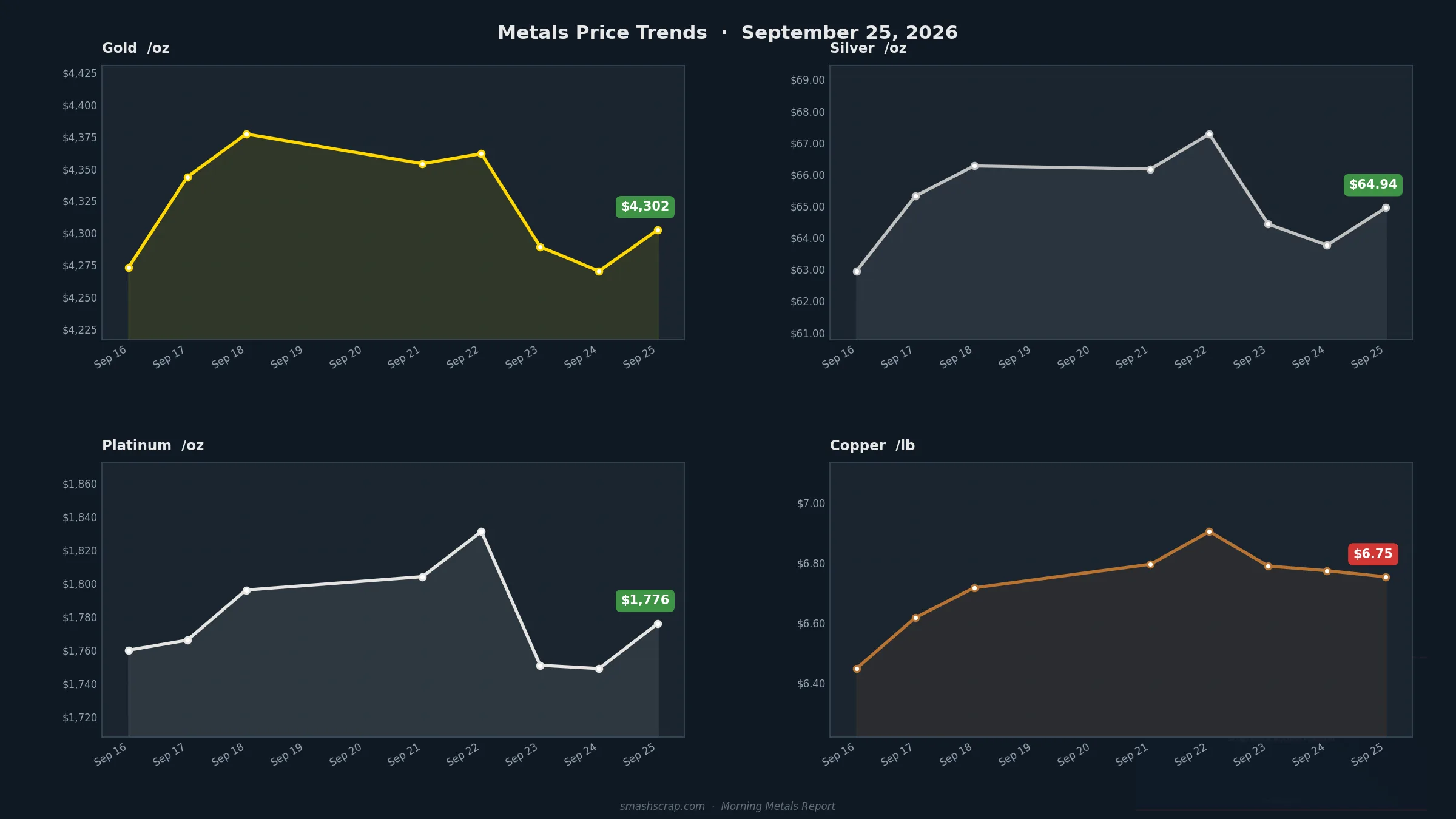
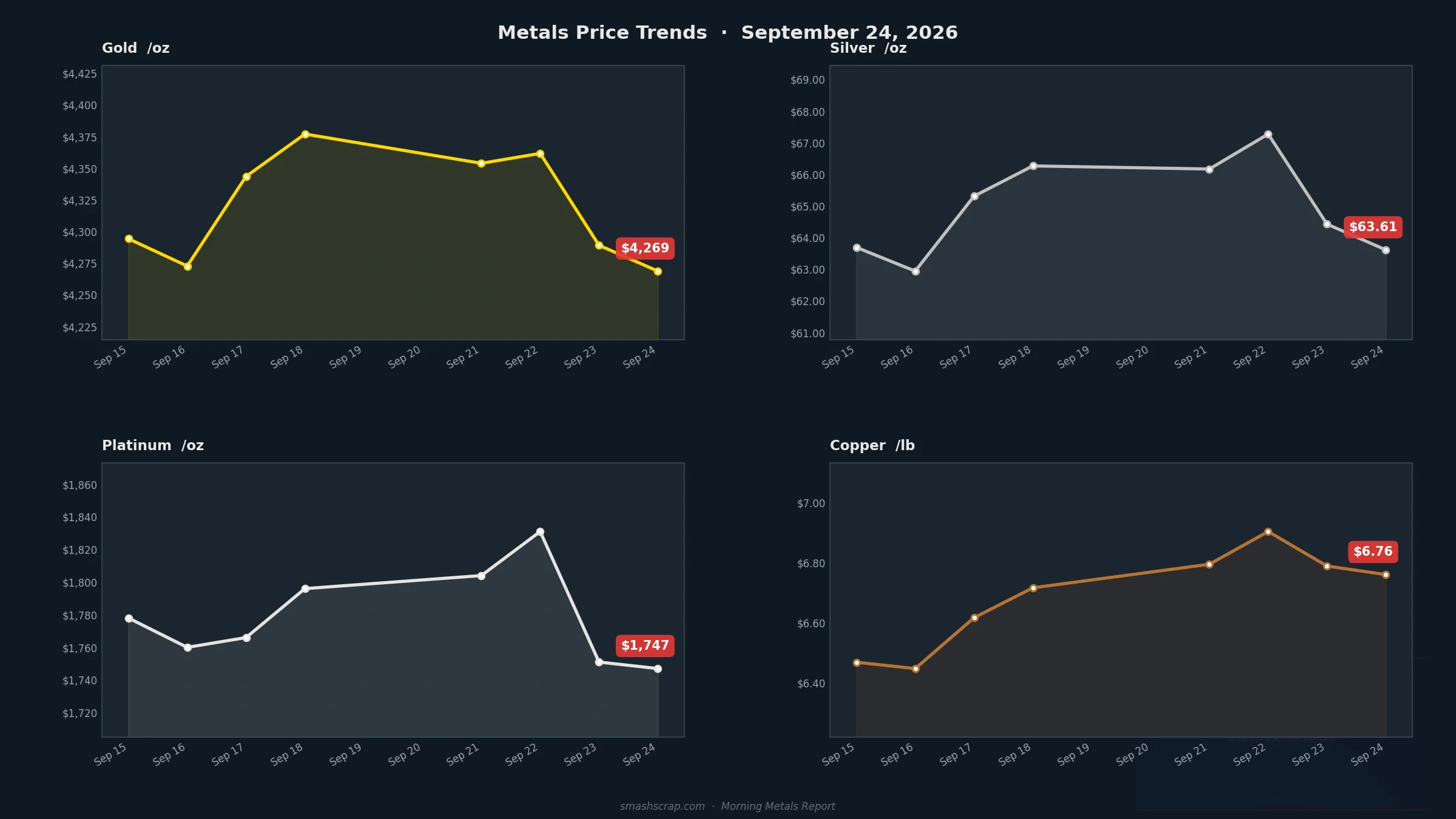
When you're trading non-ferrous — copper, stainless, catalytic converters — the stakes are higher. Canadian scrap metal prices for cats fluctuate based on platinum, palladium, and rhodium spot prices, which move daily. A load documented at the right grade and verified by serial or VIN lookup is worth more than an undocumented load of the same material. Processors price in the risk of uncertainty. Cut the uncertainty, and you capture more of the value.
Buyers using the explore SMASH Recycling's auction platform see exactly what they're bidding on. That's the point. A B2B scrap metal marketplace built on documentation isn't just good practice — it's a pricing advantage for sellers who put the work in.
Disclaimer: Scrap metal prices — including copper, platinum, palladium, and rhodium — fluctuate daily based on global commodity markets. Always verify current rates before finalizing any transaction.
Industry Standards and What Ontario Automotive Recyclers Should Know
The Ontario Automotive Recyclers Association (OARA) and the Automotive Recyclers of Canada (ARC) both emphasize traceability and responsible handling as core operating standards. For automotive recyclers in Guelph, this isn't abstract — it affects how you document incoming vehicles, track parts and scrap output, and demonstrate compliance to buyers who increasingly require it.
Buyers in the B2B market — especially processors and exporters — are asking harder questions about material sourcing. Where did the cats come from? Can you trace this copper back to a specific vehicle or batch? These aren't just ethical questions. They're due diligence questions that affect whether a buyer will do business with you at all. OARA and ARC membership signals that you operate to a recognized standard. Pairing that credibility with a documented auction trail gives you a real competitive edge.
Logistics and documentation aren't separate from compliance — they're how compliance shows up in your day-to-day operations. Every load photo, every BOL, every weight ticket is proof that your yard runs clean. In a market where trust is the real currency, that documentation is money.
Common Logistics Mistakes That Cost Scrap Yards Real Money
Most logistics problems in scrap aren't dramatic. They're small process gaps that compound over time. Here are the ones that hit yards hardest:
- No origin weight ticket: If you don't have a certified weight at pickup, you're accepting the buyer's number. That's their advantage, not yours.
- Undocumented load condition: Without load photos, a dispute about material quality becomes a he-said/she-said conversation. Photos protect you.
- Vague packing lists: "Mixed non-ferrous" tells a buyer almost nothing. Grade your material. Identify it specifically. It affects what you get paid.
- Single-buyer dependence: One buyer relationship means one price and no leverage. Competition reveals the market. Without competition, you're guessing.
- Skipping VIN or serial tracking on high-value items: For catalytic converters, cores, and other traceable parts, serial-level documentation protects both parties and speeds up resolution if something goes wrong.
- Slow invoicing cycles: Manual invoicing delays cash flow. Auto-invoicing through a platform cuts the lag and removes human error.
For yards doing serious volume — whether you're moving ferrous tonnage or non-ferrous loads — plugging these gaps isn't optional. It's the difference between a business that scales and one that stays stuck at the same revenue ceiling year after year.
If you want a deeper look at how the auction model works in practice, read the latest from SMASH Recycling for market insights, platform updates, and yard-level strategy.
Making Logistics Work for Your Yard — Starting Now
You don't need to overhaul your entire operation overnight. Start with the highest-value loads. Document them completely. Put them in front of multiple buyers. See what competition does to your price discovery. Then build from there.
Automotive recyclers in Guelph and across Ontario are operating in a tighter margin environment than five years ago. Fuel costs, labor, regulatory requirements — it all compresses margin. The yards that hold their ground are the ones that extract full value from every load. That means better documentation, more buyers, and a platform built for how B2B scrap actually moves.
SMASH is built by people who understand the yard side of this business. No subscription fees. No guessing. Sell your scrap metal on the SMASH marketplace and let vetted buyers compete for your loads. If you're ready to stop leaving money on the table, join Canada's B2B scrap marketplace and register at smashrecycling.ca.
Frequently Asked Questions
Q: Can automotive recyclers in Guelph use SMASH to sell scrap metal loads?
Yes. SMASH is a B2B marketplace built for yards and recyclers across Canada, including Guelph and the broader Ontario region. Sellers list loads — ferrous, non-ferrous, catalytic converters, cores — and vetted buyers compete through an auction format. No subscription fees. You only pay when a deal closes.
Q: Can you put scrap metal in your recycling bin?
No. Scrap metal — including automotive parts, catalytic converters, wire, and structural steel — does not belong in residential recycling bins. These materials require specialized handling through licensed scrap yards or B2B recycling channels. For commercial volumes, a platform like SMASH connects sellers directly to vetted industrial buyers.
Q: How do Canadian scrap metal prices affect what I get paid for a load?
Scrap metal prices fluctuate daily based on global commodity markets — especially for non-ferrous metals like copper, and precious metals like platinum, palladium, and rhodium (which drive catalytic converter values). The better your load is documented, the less risk a buyer prices in — which typically means a stronger offer. Always check current rates before finalizing a deal.
Q: What documentation do I need to sell scrap metal through a B2B marketplace?
At minimum, you need a Bill of Lading (BOL), origin weight ticket, and load photos. For non-ferrous or high-value materials like catalytic converters or cores, packing lists and serial or VIN tracking are strongly recommended. Strong documentation reduces disputes and increases buyer confidence — both of which affect your final price.
Q: How does a scrap metal auction work for sellers?
On SMASH, you document your load — photos, weights, packing list — and list it on the platform. Vetted buyers review the listing and place competing bids. That competition creates real price discovery instead of a single-buyer quote you have to take or leave. When the auction closes, auto-invoicing handles the paperwork. You know what you're getting and who you're selling to.
Stay current on scrap metal market trends, platform updates, and industry insights — follow SMASH on LinkedIn for regular updates built for the Canadian recycling industry.