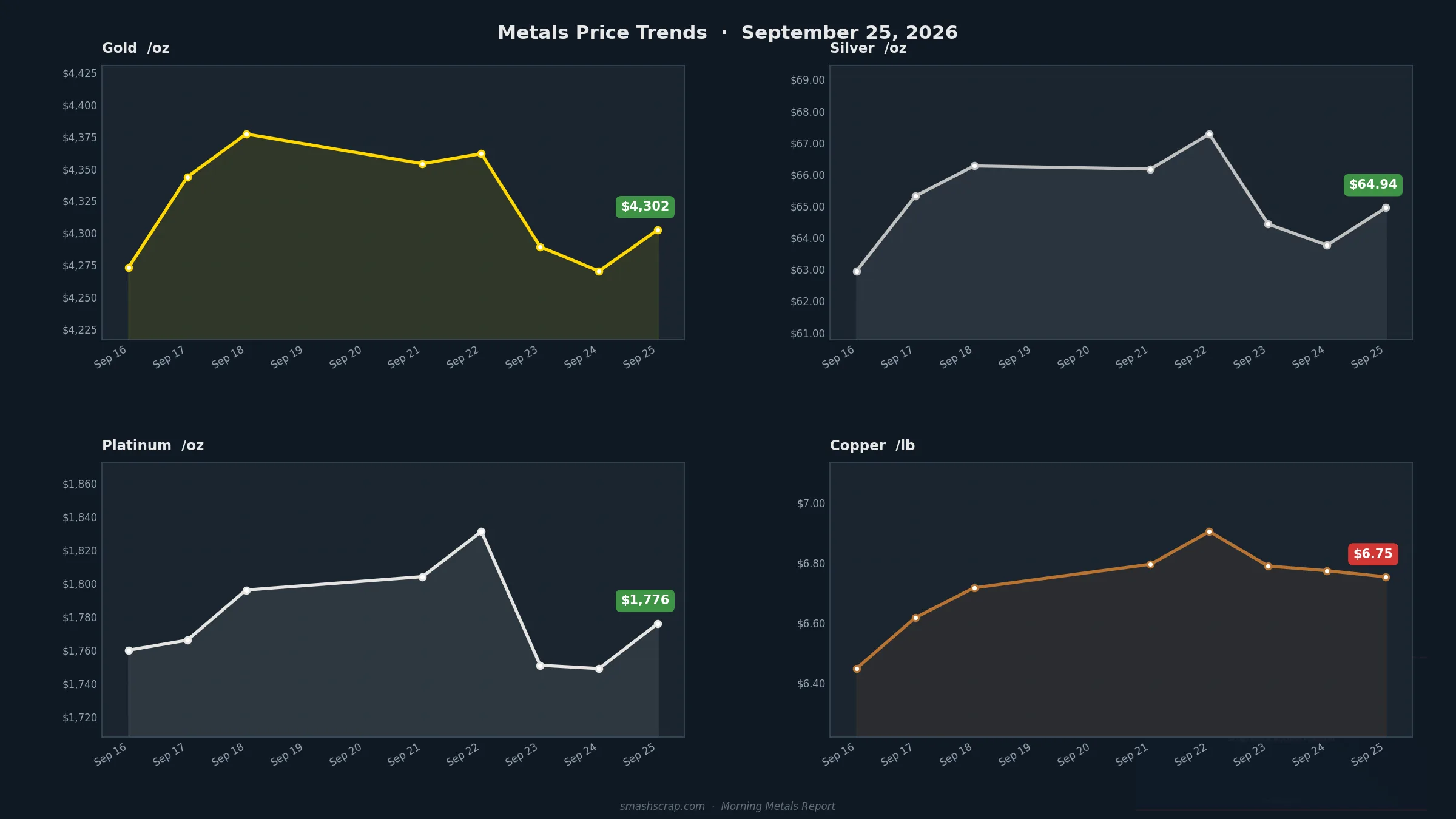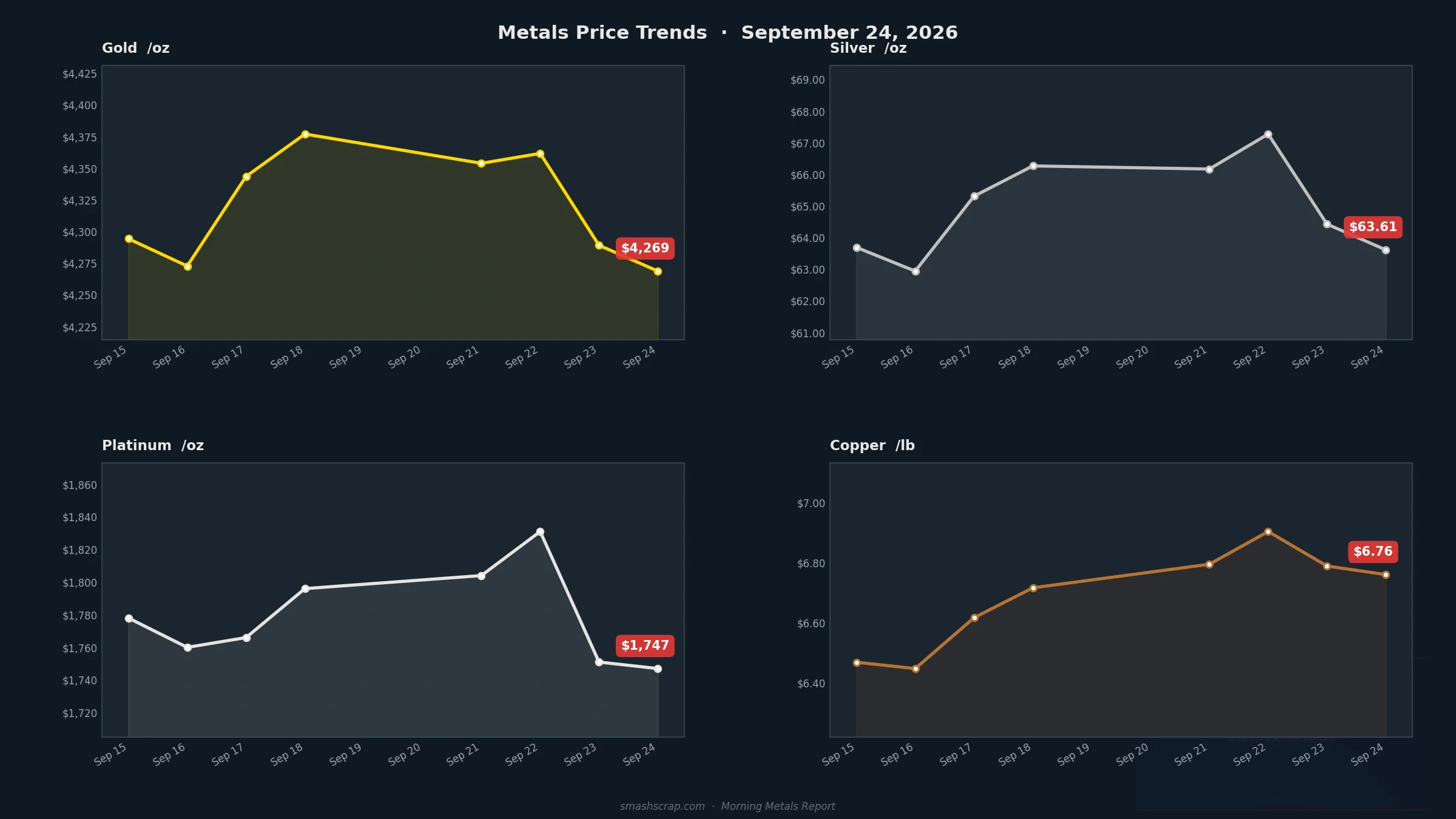
Copper Supply Shifts Drive London Metal Recycling Prices
Copper Supply Shifts Are Rewriting Metal Recycling Prices Canada-Wide — Here's What That Means for Your Yard
Global copper supply doesn't move quietly. When it shifts, it sends ripples through every scrap category — aluminum, catalytic converters, non-ferrous loads, all of it. And right now, in August 2026, those ripples are hitting Canadian scrap markets hard. If you're running a recycling yard in London, selling loads to buyers in Ontario, or trying to figure out whether to hold or move inventory, you need to understand what's driving the market before you make your next call.
This isn't a commodities lecture. It's a practical breakdown of how copper supply changes affect metal recycling prices Canada-wide — and how to position your operation to benefit from the volatility instead of getting burned by it.
Why Copper Supply Changes Hit Canada Differently
Canada sources copper scrap from a mix of industrial demolition, electrical recycling, plumbing pulls, and secondary smelter material. When primary copper production slows — whether from mine output issues, shipping bottlenecks, or refinery disruptions — domestic demand for secondary copper (that's your scrap) increases. The spread between primary and secondary copper tightens, and buyers get competitive.
But here's what most yard operators miss: the impact isn't uniform. It hits regions with strong manufacturing and construction demand hardest. Southwestern Ontario — including yards serving London scrap metal services — sits close to auto assembly, light manufacturing, and infrastructure buildout. That proximity to demand means price discovery matters more, not less, when markets move.
When copper moves, buyers who were comfortable calling one yard and offering a flat rate suddenly have to compete. That's your window.
The Comparison: Old Way vs. SMASH Way When Copper Prices Shift
Here's the honest comparison. When copper supply tightens and prices move, here's what happens under two different selling models:
Old Way: One Buyer, One Call, One Price
- You call your regular buyer. They quote you a rate.
- You have no idea if that rate reflects current market conditions.
- You either take it or spend hours making more calls.
- If the buyer knows you're not shopping, the number stays low.
- You accept the load moved. You never know what you left on the table.
SMASH Way: Documented Load, Vetted Buyers, Competitive Auction
- You document your copper load — photos, weights, grade breakdown, BOL.
- Your inventory hits vetted buyers across the network simultaneously.
- Buyers bid. Competition drives price discovery toward actual market value.
- You see what the market will bear — not what one buyer decides to offer.
- Auto-invoicing handles the paperwork. You move metal and get paid.
More buyers means better price discovery. That's not a slogan — it's math. When copper supply tightens and buyer demand increases, compare scrap metal bids from verified buyers instead of trusting a single phone quote.
How Copper Shifts Affect Catalytic Converter Prices and Other Non-Ferrous Loads
Copper doesn't operate in isolation. When copper supply tightens, the broader non-ferrous market reacts. Aluminum, brass, and catalytic converter pricing all feel the pressure — sometimes in competing directions.
Catalytic converter prices are driven by platinum group metals (PGMs) — platinum, palladium, and rhodium. Those markets run on their own supply and demand curves, largely tied to automotive production and emissions regulation. But when copper drives buyers to get more aggressive on non-ferrous purchasing generally, the catalytic converter category benefits from increased buyer attention and tighter bid spreads.
If you're sitting on cats and wondering how much is a recycled catalytic converter worth right now, the honest answer is: it depends on the unit, the PGM assay, and who's bidding. Platinum, palladium, and rhodium prices fluctuate daily. A converter that looked average six months ago might carry serious value today depending on PGM movement. SMASH's serial tracking and VIN lookup tools let you document cats properly — which gives processors more confidence to bid higher, not less.
Proper documentation doesn't just protect you legally. It generates better bids. Buyers pay more for loads they can verify. That's especially true for cats, where the spread between a documented load and an undocumented pile can be significant.
Note: All precious metal prices — including platinum, palladium, and rhodium — fluctuate based on global market conditions. Always verify current rates before pricing your inventory.
5 Ways Copper Supply Shifts Affect Metal Recycling Prices Ontario Yards Need to Watch
If you're operating in Ontario — whether you're in London, Hamilton, Windsor, or anywhere in between — here's your practical watchlist when copper supply tightens:
- Bare bright vs. #1 copper spread narrows. When supply is tight, buyers chase higher-grade material. If you're sorting and cleaning copper properly, that becomes more valuable relative to dirty or insulated wire. Your grading discipline pays off.
- Aluminum buyers get more competitive. Copper and aluminum compete in some end-use applications. When copper prices spike, downstream buyers look harder at aluminum alternatives. That can push aluminum recycling prices up. London yards with strong aluminum inventory should watch this category closely.
- Buyer behavior changes — they reach out more. When the market moves, buyers who sat quiet start calling. If you're already listed on a platform like SMASH, that increased buyer activity works in your favour automatically. If you're not, you're waiting for calls that may not come.
- Holding inventory becomes a calculated risk. Some operators hold loads waiting for a peak. That strategy only works if you understand the trend direction and your cash flow can absorb the wait. Transparent, live auction data helps you make that call with information instead of instinct.
- Documentation becomes a differentiator. In a competitive buyer market, loads that come with photos, packing lists, weights, and grade breakdowns get bid on more aggressively. Sloppy loads get discounted. SMASH's inventory tool makes this systematic, not time-consuming.
Industry organizations like the Ontario Automotive Recyclers Association (OARA) and the Automotive Recyclers of Canada (ARC) both stress documentation and compliance as foundational to sustainable operations. They're right — and in a volatile market, that documentation directly protects your margins.
How to Sell Scrap Metal Online When the Market Is Moving Fast
Volatile markets reward preparation. If you're trying to sell scrap metal online during a copper supply swing, here's what separates yards that capture value from yards that watch it pass:
Get Your Load Documentation Ready Before Prices Move
Weight tickets, photos, grade segregation, and packing lists should be ready before you list, not after. Buyers move fast in active markets. If your documentation lags, your listing gets passed over for loads that are easier to evaluate and bid on.
List to Multiple Buyers Simultaneously
This is the core mechanic that changes outcomes. Single-buyer negotiation in a rising market is the worst possible approach. When copper is moving and buyers are competing, the difference between one bid and five bids can be material. join Canada's B2B scrap marketplace on SMASH Recycling and your inventory is visible to vetted buyers across the network — not just the one who picks up the phone first.
Use Price History to Inform Timing Decisions
SMASH gives you visibility into bid data across loads. That historical context helps you decide whether the current market is near a peak or still climbing. You're never making timing decisions in the dark.
Don't Confuse Activity for Movement
Buyers calling more doesn't always mean prices are up. Sometimes they're fishing for bargains during uncertainty. Auction-format selling removes the guesswork — the final bid reflects actual market demand, not a buyer's opening offer strategy.
What London and Ontario Yards Should Do Right Now
If you're running a yard in London or anywhere across Ontario, the copper supply situation in 2026 is a market moment worth taking seriously. Prices across copper grades, aluminum, and PGM-bearing material like catalytic converters are all in motion. That motion is an opportunity — but only if you're positioned to capture it.
The yards that win in a volatile market aren't necessarily the biggest. They're the ones with the best buyer access, the best documentation, and the discipline to let competition work for them instead of accepting the first number they hear.
explore SMASH Recycling's auction platform and see what competitive bidding looks like in a real market. No subscription fees. No lock-in. We only win when you do. read the latest from SMASH Recycling for ongoing market commentary and platform updates — and if you're ready to start listing loads, email jeff@smashscrap.com directly.
The copper market is moving. Your pricing strategy should be too. Join Canada's B2B scrap marketplace — register at smashrecycling.ca.
Frequently Asked Questions
Q: How do copper supply changes affect metal recycling prices Canada-wide?
When primary copper supply tightens, demand for secondary copper scrap increases. This pushes buyers to compete more aggressively for available scrap inventory, which can improve price discovery for sellers. The effect isn't limited to copper — it ripples into aluminum, brass, and even catalytic converter categories where buyers are competing for non-ferrous material broadly.
Q: What are scrap metal prices today for copper in Ontario?
Scrap copper prices vary by grade, market conditions, and buyer demand. Categories like bare bright, #1 copper, and insulated wire all trade at different rates that change daily. Always verify current rates directly with buyers or through a live auction platform. Disclaimer: Prices fluctuate — check current market rates before making buying or selling decisions.
Q: How much is a recycled catalytic converter worth in Canada?
Catalytic converter values depend on the specific unit, the platinum, palladium, and rhodium content, and current PGM market pricing. Values vary significantly between makes, models, and converter types. Proper documentation — including VIN lookup, serial tracking, and photos — helps buyers bid with confidence, which typically results in stronger offers. Always verify current PGM prices before pricing your inventory.
Q: Where can I sell catalytic converters online in Canada?
SMASH Recycling operates a vetted B2B auction platform where yards can list catalytic converters with full documentation and receive competitive bids from verified processors. The platform handles serial tracking, photo documentation, and auto-invoicing. Visit smashrecycling.ca or email jeff@smashscrap.com to get started.
Q: Are there aluminum recycling options in London, Ontario for B2B sellers?
Yes. London-area yards can list aluminum loads — along with other non-ferrous and ferrous material — through SMASH's auction platform. Aluminum recycling in London benefits from the region's proximity to manufacturing demand, which means active buyers with real purchasing interest. Proper grade segregation and documentation improves bid outcomes significantly.
Stay current on copper market trends, scrap metal prices Canada updates, and platform news by following SMASH Recycling on LinkedIn — the fastest way to keep your finger on the pulse of Canadian scrap markets.