Seasonal Aluminum Recycling St. Catharines Pricing
Canadian winters don't just slow down traffic — they reshape the entire scrap metal market. If you run a recycling yard or manage inventory in St. Catharines, you already know this. But knowing it and being ready for it are two different things.
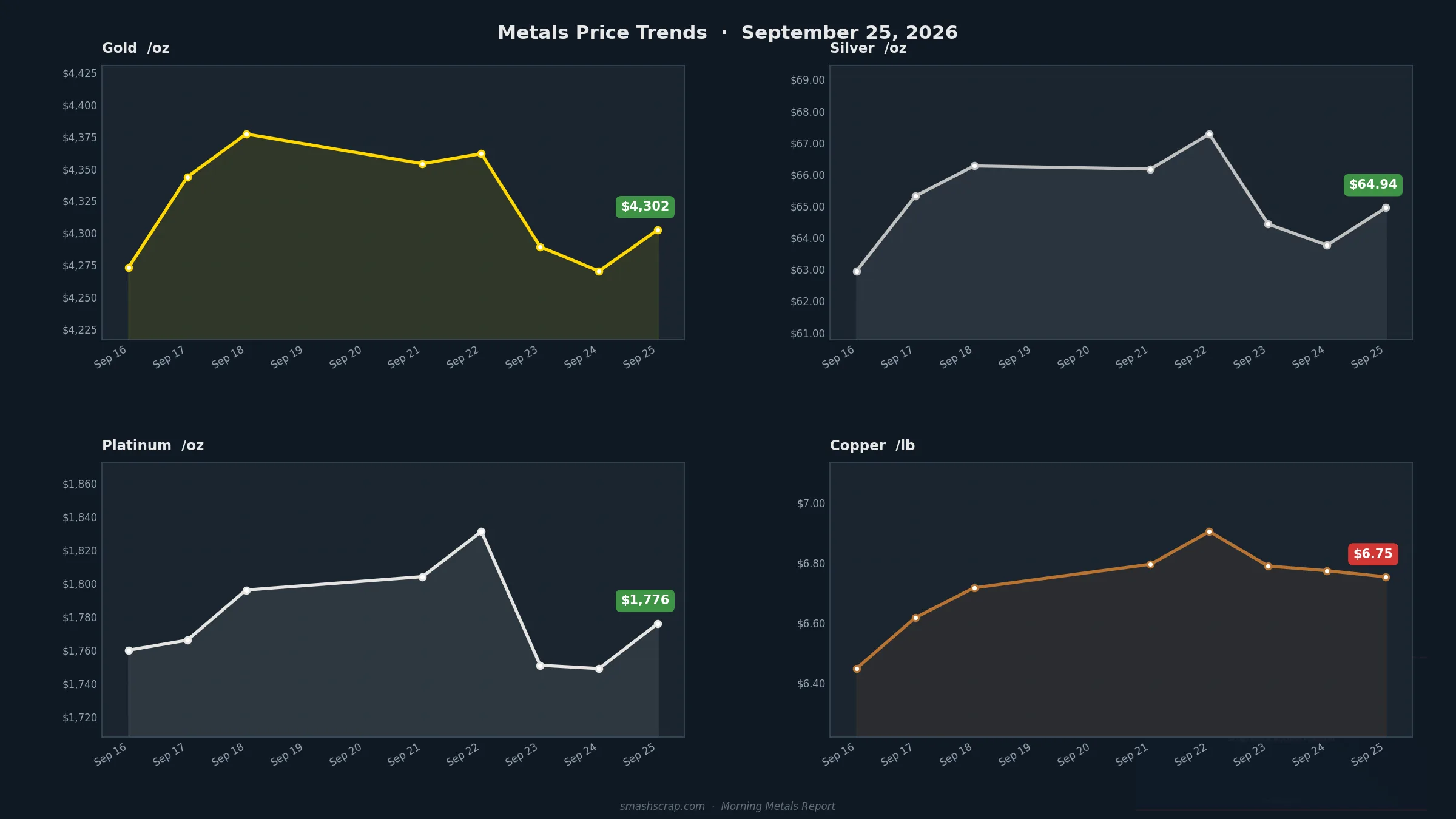
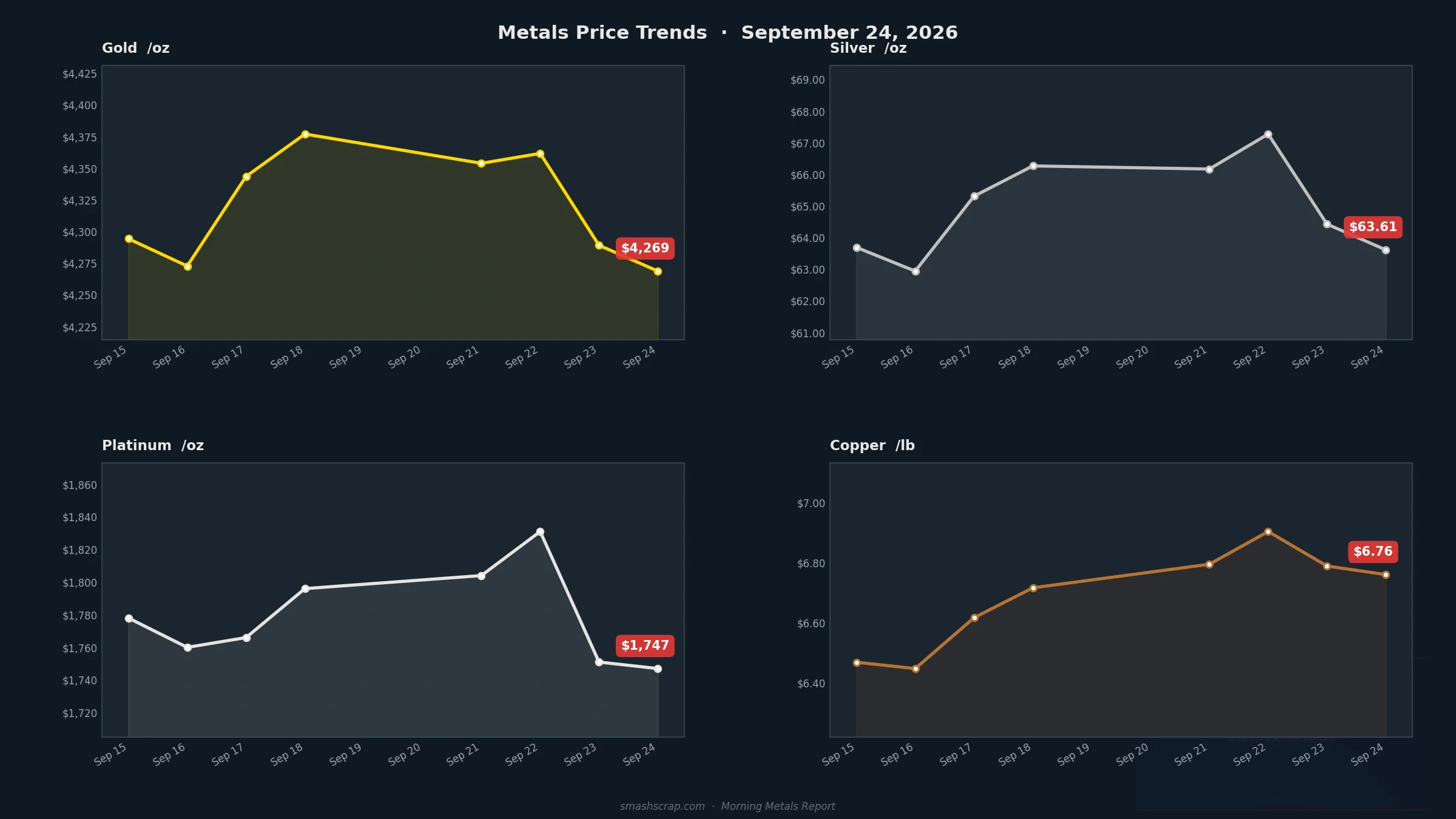
Seasonal demand swings hit the Canadian scrap metal market harder than most industries acknowledge. Aluminum recycling slows in Q1. Demolition scrap dries up. Auto salvage volumes spike after ice storms. Catalytic converter volumes shift with vehicle turnover cycles. And through all of it, pricing moves — sometimes fast, sometimes quietly — while yards that aren't watching lose margin they never recover.
This article breaks down how winter and seasonal cycles affect scrap pricing across Ontario, what it means for aluminum recycling in St. Catharines specifically, and how auction-based selling gives you better price discovery when the market is moving.
How Canadian Winters Compress Scrap Metal Supply — and Why That Matters for Pricing
Winter in Ontario is not just weather. It's a logistics event. Roads get icy, yards get buried, and the cost of moving metal goes up. Trucking capacity tightens. Shredder throughput drops at some facilities. And buyers who were aggressive in October start watching their own inventory levels before committing to new loads.
What that compression does to pricing is nuanced. On one hand, reduced supply should push prices up. On the other hand, demand from end buyers — mills, smelters, foundries — doesn't disappear but does shift. Domestic demand patterns change when construction halts. Export demand can fill gaps, but currency and shipping costs factor in too. The result is a market that's harder to read from a single buyer's phone call, which is exactly the moment when competitive auctions earn their value.
- Ferrous scrap: Steel mill buying can soften in winter as construction slows, but automotive shredder volumes sometimes tick up post-storm season
- Non-ferrous metals: Aluminum, copper, and brass are less tied to construction cycles but still affected by smelter schedules and logistics
- Catalytic converters: Platinum, palladium, and rhodium prices move on global commodity exchanges — winter driving conditions in Canada directly contribute to converter wear and increased salvage volumes by spring
- Copper scrap: Often the bellwether — copper scrap prices tend to track global industrial demand more than seasonality, but winter collection volumes drop in colder regions
The takeaway: winter doesn't eliminate the market. It distorts it. Yards that understand the distortion position themselves better going into Q2, when the market typically opens back up.
Aluminum Recycling in St. Catharines: Seasonal Patterns Worth Knowing
St. Catharines sits in the heart of the Niagara Region — a manufacturing corridor with deep roots in auto parts, steel fabrication, and industrial production. That industrial base means aluminum scrap flows year-round, but the quality and source of that flow shifts by season.
In summer and fall, you tend to see heavier aluminum volumes from demolition, renovation, and manufacturing cleanouts. In winter, the focus shifts more toward auto salvage — wheels, radiators, transmission housings, and other cast aluminum components pulled from vehicles. Spring brings another wave as yards clear backlog and buyers get more aggressive again.
For yards handling aluminum recycling in St. Catharines, that seasonal rhythm creates real inventory management decisions. Do you hold through winter expecting better Q2 prices? Do you move loads aggressively in October before logistics costs climb? Do you have enough documented, photo-verified inventory to attract out-of-region buyers when your local buyer goes quiet?
Those aren't hypothetical questions. They're operational ones. And platforms like SMASH Recycling's auction platform are built to give you more options than a single-buyer phone call can offer.
Auto Salvage Ontario: Why Winter Collision Season Changes the Math
Ontario averages thousands of weather-related collisions every winter. That's not a scare stat — it's a supply signal. For auto salvage in Ontario, winter means increased vehicle write-offs, more total losses entering the salvage pipeline, and a surge in parts and cores moving through yards across the province.
The vehicles that come in after January and February tend to be heavily salt-damaged. That matters for scrap pricing. Heavily corroded vehicles yield less usable non-ferrous content and often require more sorting labor before they're shredder-ready. Catalytic converters on those vehicles may still carry strong value — platinum, palladium, and rhodium prices don't discount for rust — but the overall per-vehicle yield changes.
Industry organizations like the Ontario Automotive Recyclers Association (OARA) and the Automotive Recyclers of Canada (ARC) have both emphasized the importance of accurate vehicle documentation and parts grading — practices that become even more critical when you're managing high-volume seasonal intake. Good documentation isn't just compliance. It's what allows you to sell online with confidence and attract buyers who aren't physically at your yard.
SMASH supports that workflow directly. Serial tracking, photo documentation, and VIN lookup tools mean your inventory is described accurately before it hits an auction — and buyers bid accordingly.
Scrap Metal Inventory Management Through the Seasonal Cycle
The yards that get hurt most in winter aren't the ones with bad inventory — they're the ones with good inventory they can't move because their buyer network is too thin. One buyer goes quiet in December, and suddenly a load of sorted non-ferrous sits because you don't have a backup option.
Effective scrap metal inventory management in a seasonal market means thinking about liquidity, not just quantity. A yard full of aluminum is not the same as a yard with access to competitive offers on that aluminum. The difference is your ability to reach multiple vetted buyers simultaneously — which is what an auction format is designed to do.
Here's what well-managed seasonal inventory looks like in practice:
- Document everything at intake. Photos, weights, grades, VINs on vehicles. The more information buyers have, the more confident their bids.
- Know your hold costs. Storing metal through winter isn't free. Yard space, insurance, and handling time all add up. That changes the break-even math on holding vs. selling now.
- Separate catalytic converters from shredder loads. Cats should move through a dedicated channel — their value is driven by PGM content, not scrap weight.
- Use auction timing strategically. Running a load in late October vs. early February can produce different results depending on buyer demand cycles.
- Build your buyer network before you need it. Auctions work better when more vetted buyers are watching. Register on Canada's B2B scrap marketplace on SMASH Recycling before the slow season, not during it.
Yards in St. Catharines have access to a dense buyer market — proximity to the Greater Toronto Area and cross-border access through Niagara are real advantages. But those advantages only translate to better prices when buyers can actually find and evaluate your inventory. That's the gap SMASH closes.
What Seasonal Price Swings Mean for Scrap Metal Auctions
Price volatility is not your enemy. Opacity is. When copper scrap prices drop in January or aluminum spot weakens heading into Q1, the real risk isn't the market — it's not knowing whether the offer you're getting is fair for that moment in time.
A single buyer quoting you a number in February is giving you one data point. An auction with multiple vetted bidders gives you market discovery. Those are fundamentally different things, and the difference compounds over time. More buyers means better price discovery — that's not a pitch, it's how competitive markets work.
The same applies to catalytic converter prices. PGM markets — platinum, palladium, rhodium — move on global commodity exchanges and don't follow Canadian weather calendars. But your ability to sell into that market at the right moment depends on documentation, buyer access, and a transaction process that closes cleanly. Auto-invoicing, packing lists, and BOL support aren't administrative extras — they're what makes the transaction happen at the price you quoted.
For yards wondering where to find a scrap metal recycling depot near them that understands both local market dynamics and national pricing trends, the answer isn't always geographic. Sometimes it's about which platform connects you to the right buyer at the right moment — regardless of where they're located. North America's B2B scrap metal auction platform operates exactly that way.
Getting Ready for the Next Seasonal Shift
We're in August 2026. The fall slowdown is coming. Then winter. Yards that act on their inventory and buyer strategy now are in a better position when conditions tighten. That means getting documentation systems in order, understanding which material categories will be hardest to move in Q1, and making sure your auction access is set up before you need it.
The latest from SMASH Recycling's blog covers market updates, inventory strategies, and platform features that help yards stay ahead of seasonal shifts — not react to them after the fact.
If you're running St. Catharines scrap metal services and want to compete for better pricing year-round, the move is straightforward: more buyers, better documentation, auction-based selling. No subscription fees. SMASH only wins when you do.
The old way — one buyer, one phone call, hoping the number is fair — gets harder to defend every winter. Join Canada's B2B scrap marketplace and put competition to work for you. Register at smashrecycling.ca.
Frequently Asked Questions
Q: Does aluminum recycling in St. Catharines slow down during winter?
It depends on the source material. Auto salvage aluminum tends to stay active through winter as vehicle turnover increases after storms. Demolition and renovation aluminum drops significantly from November through March. Understanding which categories you hold helps you plan your selling strategy around seasonal demand.
Q: How do Canadian winters affect scrap metal prices in Ontario?
Winter compresses supply by slowing collection, increasing logistics costs, and tightening trucking capacity. That can support pricing in some categories while softening demand in others — particularly metals tied to construction. Price discovery through competitive auctions is more valuable in volatile seasonal windows than in stable markets.
Q: Can I sell catalytic converters online from a Canadian yard?
Yes. Platforms like SMASH support online catalytic converter sales with serial tracking, photo documentation, and vetted buyer access. PGM pricing — platinum, palladium, rhodium — moves on global markets, so your ability to reach multiple buyers matters more than geography.
Q: What is the best way to manage scrap metal inventory through a slow season?
Document at intake, know your hold costs, and separate high-value categories like cats from bulk shredder loads. Access to an auction platform with multiple vetted buyers gives you flexibility to move material when pricing is right — rather than waiting on a single buyer to make an offer.
Q: Is there a B2B scrap metal marketplace that serves St. Catharines and Ontario?
SMASH Recycling operates across Canada and connects yards to vetted buyers through a competitive auction format. There are no subscription fees — SMASH earns only when a transaction closes. Yards in St. Catharines and across Ontario can register at smashrecycling.ca to list inventory and access the buyer network.
Scrap metal prices fluctuate based on global commodity markets, local supply and demand, and seasonal conditions. Always check current rates before making buying or selling decisions.
Follow SMASH on LinkedIn for scrap metal market updates, industry news, and platform insights — straight from the yard floor, not a marketing department.