Online Cat Auctions Montreal: End Single-Buyer Deals
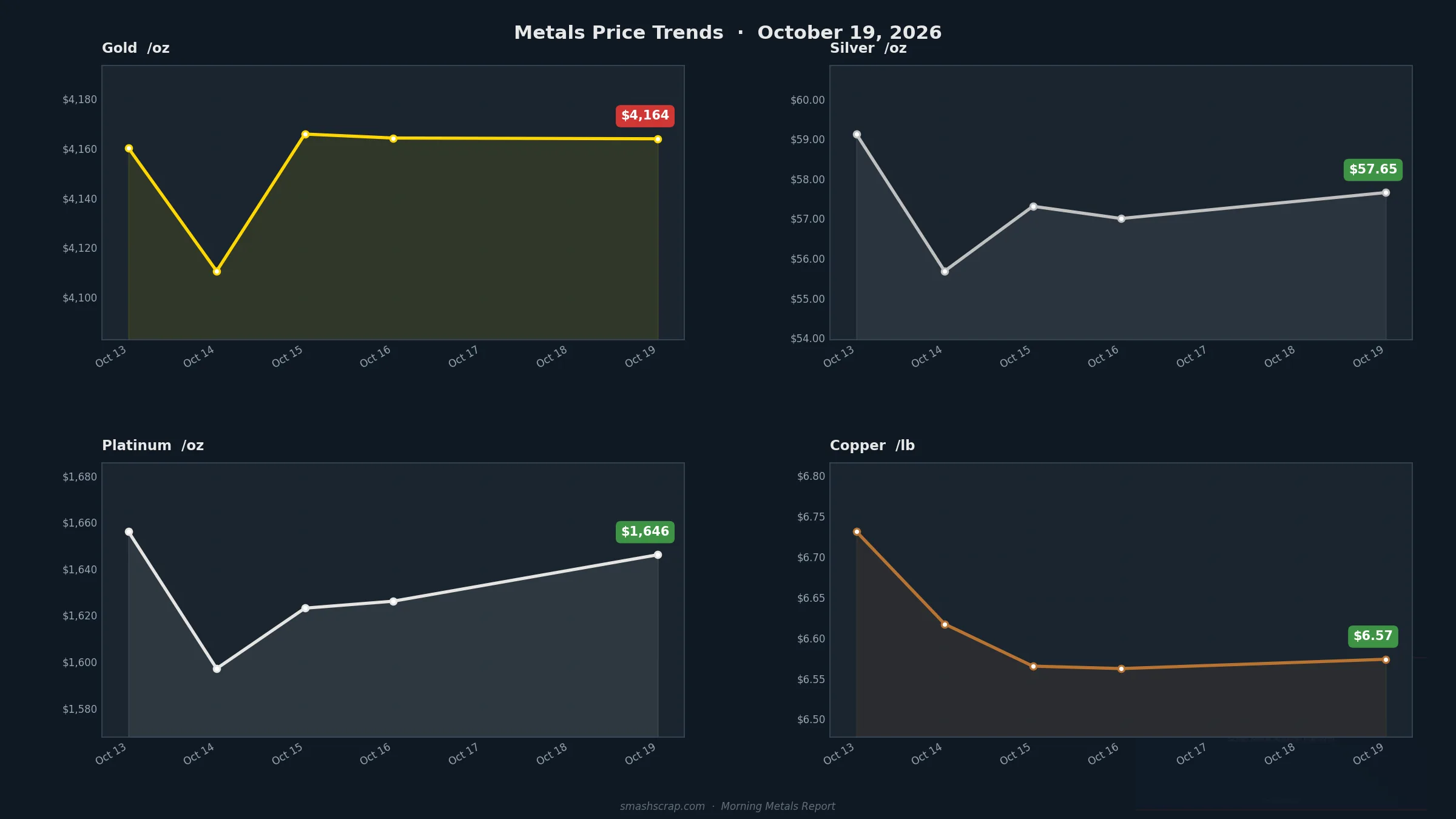
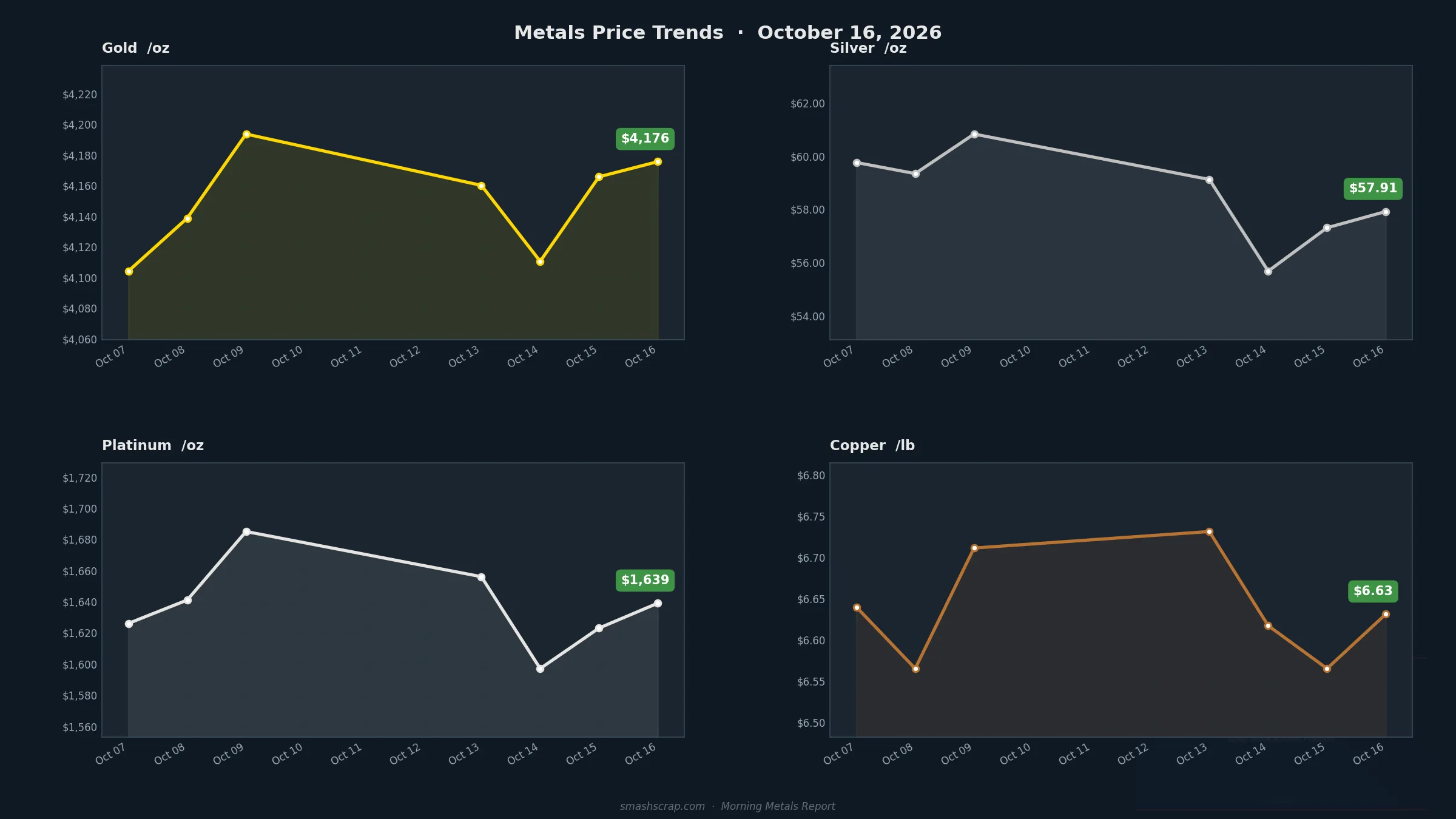
One phone call. One buyer. One price — take it or leave it. That's how catalytic converter recycling Canada-wide has worked for decades. But the math on that model never made sense for sellers. Platinum, palladium, and rhodium prices swing hard and fast. Locking yourself into a single buyer's quote means you're gambling blind — and the house always wins.
That's changing. Yards from Montreal to Vancouver are moving their loads online, and the shift isn't driven by novelty. It's driven by a simple realization: competition reveals the real market price. When more buyers see your inventory, you stop guessing what your cats are worth.
This is the story of why Canadian recyclers are ditching the old single-buyer model — and what happens when you put a load of cores in front of vetted buyers who actually have to compete for it.
---The Old Way of Selling Cats Was Built for Buyers, Not Sellers
Let's be direct. The traditional process for catalytic converter recycling Canada favoured the buyer at every step. You'd call your contact, describe the load, maybe text a few photos, and wait for a number. You had no idea what the market was actually paying that week. You had no leverage. You either accepted the offer or started the whole process over with someone else.
For yards processing dozens of cats a week — pulled from trade-ins, insurance write-offs, or end-of-life vehicles — that adds up to significant lost revenue over a quarter. And in a market where platinum prices, palladium prices, and rhodium prices can move meaningfully in a single week, being tied to a stale quote from one buyer is a real problem.
The information gap was the core issue. Buyers knew exactly what the PGMs (platinum group metals) were trading at. Most sellers didn't — or didn't have the time to track it daily. That asymmetry built margin into every transaction, and it came out of the seller's pocket.
What Online Auctions Actually Fix for Automotive Recyclers
Moving to an auction model doesn't just change how you sell — it changes your entire position in the transaction. Instead of calling one buyer and hoping, you're presenting documented inventory to a pool of vetted buyers who are competing against each other. That's a fundamentally different dynamic.
Here's what shifts when you auction your cats through a platform like SMASH Recycling's auction platform:
- Price discovery becomes real. Multiple bids on the same load tell you what the market actually values your inventory at — not what one buyer decided to offer.
- Documentation protects you. Photo documentation, serial tracking, and detailed inventory listings give buyers confidence and reduce disputes after the sale.
- Your time shrinks. No more cold calls, no more chasing quotes. You list, buyers bid, auto-invoicing handles the paperwork.
- You know who you're dealing with. Vetted buyers only. No random contacts, no wondering if the payment will clear.
- No subscription fees. SMASH only makes money when the seller completes a sale. That alignment matters.
For automotive recyclers in Montreal and across Quebec, this model removes the friction that made selling cats feel like a gamble every single time.
---Montreal Recyclers and the Case for Transparent Pricing
Montreal is one of Canada's most active automotive recycling markets. The volume of end-of-life vehicles processed in and around the city means yards are pulling significant quantities of catalytic converters on a regular basis. Yet many of those yards were still operating on relationship-based pricing with a handful of familiar buyers — a system built on trust but short on transparency.
The Montreal scrap metal services landscape has evolved sharply over the past few years. Younger yard operators and procurement managers are less loyal to legacy buying relationships when those relationships aren't returning fair value. They're running the numbers. When you can document a load, post it to a vetted marketplace, and have multiple buyers respond within a defined window — the comparison to the old phone-call process is stark.
Quebec's density of automotive dismantlers also creates competitive pressure. Yards in the greater Montreal area aren't just competing with each other for vehicles — they're competing for margin. Squeezing more value out of the back end of the recycling process, including the cats pulled from every unit, is how the math improves.
Organizations like the Automotive Recyclers of Canada (ARC) and the Ontario Automotive Recyclers Association (OARA) have been pushing for greater transparency and professionalism across the sector for years. The shift to documented, auction-based selling aligns directly with that direction — standardized inventory practices, traceable transactions, and data-backed pricing instead of gut-feel negotiation.
---How the SMASH Platform Works for Selling Catalytic Converters Online
If you've never sold through an online auction before, the process is more straightforward than it sounds. SMASH Scrap — where verified buyers bid on your metal — is built specifically for yards and recyclers who deal in real volume, not casual sellers moving one or two units.
Here's how a typical cat load moves through the platform:
- Build your inventory listing. Use the inventory tool to document your cats — quantity, type, photos, serial numbers where applicable. More documentation equals more buyer confidence.
- Set the auction parameters. Define your load and let the platform handle the bidding window.
- Vetted buyers compete. Only verified buyers see and bid on your lot. You're not dealing with strangers off a classified ad.
- Accept the winning bid. You're in control. If the bids don't meet your expectations, you're not forced to sell.
- Auto-invoicing handles the paperwork. BOLs, packing lists, GST/HST handling — the platform manages the documentation side so you're not doing it manually.
For yards processing regular volumes of cats — whether they're standard three-way converters from domestic vehicles or the high-value units pulled from diesel trucks and heavy equipment — this process replaces a fragmented, time-consuming sales workflow with something systematic and repeatable.
And because metal recycling prices in Quebec and across Canada fluctuate with global PGM markets, having a documented auction history also gives you data over time. You start to understand how your specific mix of cats performs in the market — not just what one buyer told you it was worth on one Tuesday afternoon.
---The Shift in Ontario and Beyond — Auto Recycling Going Digital
The trend isn't isolated to Quebec. Auto recycling in Ontario — the largest automotive dismantling market in Canada — has seen the same movement toward digital, documented selling. Yards in the GTA, Hamilton, London, and across southern Ontario are recognizing that the volume of cats they process each month represents a significant revenue line, and that line deserves the same scrutiny they apply to their ferrous and non-ferrous scrap.
Metal recycling in Ontario has been shaped by decades of strong buyer relationships. Those relationships aren't worthless — they're the backbone of the industry. But relationships shouldn't come at the cost of price visibility. The best buyers in any market don't fear competition. They show up and bid. If your current buyer is resistant to a competitive process, that tells you something worth knowing.
OARA's ongoing work to professionalize the automotive recycling sector — standards for inventory, documentation, environmental compliance — maps closely to what platforms like Canada's B2B scrap marketplace on SMASH Recycling are building on the commercial side. The industry is growing up. The transactional infrastructure is catching up.
For yards that process consistent monthly volumes of cats, the online auction model isn't a disruption. It's a natural next step. You already document your vehicles. You already photograph condition. Extending that practice to your converter sales is a small operational shift with meaningful financial upside — especially when catalytic converter prices today are driven by metals markets that don't wait for anyone.
---Why Switching Isn't as Complicated as You Think
The most common hesitation recyclers express about switching to online auctions is operational. "We don't have time to learn a new system." "Our buyers have been reliable for years." "What if we list and nothing sells?"
These are fair questions. Let's answer them directly.
Learning a new system is a one-time investment. The inventory tool on SMASH is built for yards — not for tech departments. If you can photograph a load and describe what you have, you can list it. The platform handles the rest.
Reliable buyers are valuable. But reliable doesn't mean optimal. If your most reliable buyer has been the only buyer, you have no idea whether their bids reflect the market. Running a competitive process doesn't mean abandoning existing relationships — it means testing them.
The "what if nothing sells" concern misunderstands how the platform works. Vetted buyers are active because they need inventory. A well-documented load from a yard with a track record moves. The goal of documentation — photos, serials, accurate descriptions — is to give buyers the confidence to bid competitively. Documented inventory gives buyers more confidence. Full stop.
If you're ready to stop guessing and start selling with visibility, read the latest from SMASH Recycling for market context and platform updates. The shift to online auctions isn't coming — it's already here. The yards making the move now are building a data advantage that compounds over time.
Join Canada's B2B scrap marketplace — register at smashrecycling.ca and start selling your cats the way they should have always been sold: with competition, documentation, and full transparency.
---Frequently Asked Questions
Q: How does catalytic converter recycling in Canada work through an online auction?
You document your load using the platform's inventory tool — photos, quantities, serial numbers where available — then post it to a vetted buyer pool. Buyers compete during a defined auction window, you review bids, and accept the one that meets your expectations. Auto-invoicing and GST/HST handling are built into the process, so the paperwork side is managed for you.
Q: What affects catalytic converter prices in Canada today?
Catalytic converter values are driven primarily by the platinum group metals (PGMs) they contain — platinum, palladium, and rhodium. These metals trade globally, so prices fluctuate based on commodity markets, not just domestic demand. The make, model, and condition of the converter also affect its assay value. Always check current rates before committing to a sale — prices can shift significantly week to week.
Q: Can automotive recyclers in Montreal sell cats through SMASH?
Yes. SMASH serves recycling yards and sellers across Canada, including Montreal and the broader Quebec market. The platform handles French-language business contexts and Canadian tax documentation including GST/QST requirements. If you're processing cats from end-of-life vehicles in the Montreal area, the platform is built to handle that volume.
Q: Is there a subscription fee to sell on SMASH?
No. SMASH doesn't charge subscription fees. The platform operates on a success basis — you only pay when a sale completes. That structure keeps SMASH's incentives aligned with the seller's, which is the way it should work.
Q: How do I know the buyers on SMASH are legitimate?
All buyers on the SMASH platform go through a vetting process before they can bid. You're not dealing with anonymous contacts or unverified buyers. This matters in the cat market specifically, where the high value of PGMs has historically attracted unreliable actors. Vetted buyers mean cleaner transactions and more reliable payment.
---Stay current on scrap metal market conditions, PGM price movements, and platform updates by following SMASH on LinkedIn: follow SMASH on LinkedIn for industry news and Canadian scrap market insights.