Auto Recycling Montreal: Competitive Bidding Platform
Most Montreal Scrap Yards Are Still Selling the Old Way — Here's What That's Costing You
One buyer. One phone call. One price — take it or leave it. If that sounds familiar, you already know the problem with how auto recycling Montreal has worked for decades. You pull a load of non-ferrous, strip the cats, bundle the copper, and then you call your guy. Maybe he's fair. Maybe he's not. You won't know either way, because there's no competition in the room.
B2B scrap metal auctions change that dynamic completely. More buyers. Real bids. Documented inventory. The market tells you what your material is worth — not one buyer with a margin to protect. This guide breaks down exactly how it works, why it matters for yards and recyclers across Quebec, and how platforms like SMASH are built specifically for this trade.
What a B2B Scrap Metal Auction Actually Looks Like
Forget the image of a gavel and a crowded room. A modern B2B scrap metal marketplace runs digitally. You list your material — a load of cats, a pallet of copper wire, a batch of cores — with photos, weights, grades, and documentation. Vetted buyers across Canada review the listing and place competitive bids within a defined window. You see every bid. You accept the best offer or set a reserve.
That's the structure. But the details matter:
- Inventory documentation: Photos, weights, serial tracking for catalytic converters, grade descriptions for copper and non-ferrous. Buyers bid with confidence when they know what they're getting.
- Vetted buyer network: Not just anyone joins. Buyers are screened, which filters out bad actors and keeps the bidding serious.
- Auto-invoicing: Once a deal closes, the paperwork generates automatically — BOLs, packing lists, GST/HST documentation. Less admin, fewer errors.
- VIN lookup and serial tracking: For automotive loads and catalytic converters, this adds a layer of traceability that single-buyer phone deals simply don't have.
The process is transparent at every step. That transparency is what drives better price discovery. When multiple buyers compete for your load, the price reflects actual market demand — not one buyer's best guess at what you'll accept.
Why Auto Recycling Montreal Yards Have the Most to Gain
Montreal is one of the largest vehicle markets in Canada. The volume of end-of-life vehicles moving through Quebec each year is substantial, and the non-ferrous material in those vehicles — copper wiring, aluminum, and especially catalytic converters — carries real value. The platinum, palladium, and rhodium inside a single cat can swing significantly based on daily PGM prices. Yet most yards are still pricing cats off a printed sheet or a phone call from a single smelter contact.
That gap between what a cat is worth on the open market and what a yard gets for it is exactly the problem a competitive auction solves. Platforms like explore SMASH Recycling's auction platform to see how documented cat loads with serial tracking consistently attract more serious bids from buyers who can actually verify the material before committing.
Montreal yards also deal with high volumes of copper recycling. Copper scrap prices fluctuate with global demand, and a single buyer relationship rarely gives you access to the full range of buyers who might be actively looking for your grade of material on any given week. That's where the copper recycling Montreal yards that list on a competitive platform have a structural advantage over those still working one contact at a time.
For local options and logistics support specific to your region, check out Montreal scrap metal services — it covers what's available for yards and buyers operating in the city.
Catalytic Converter Pricing and Why Transparency Matters
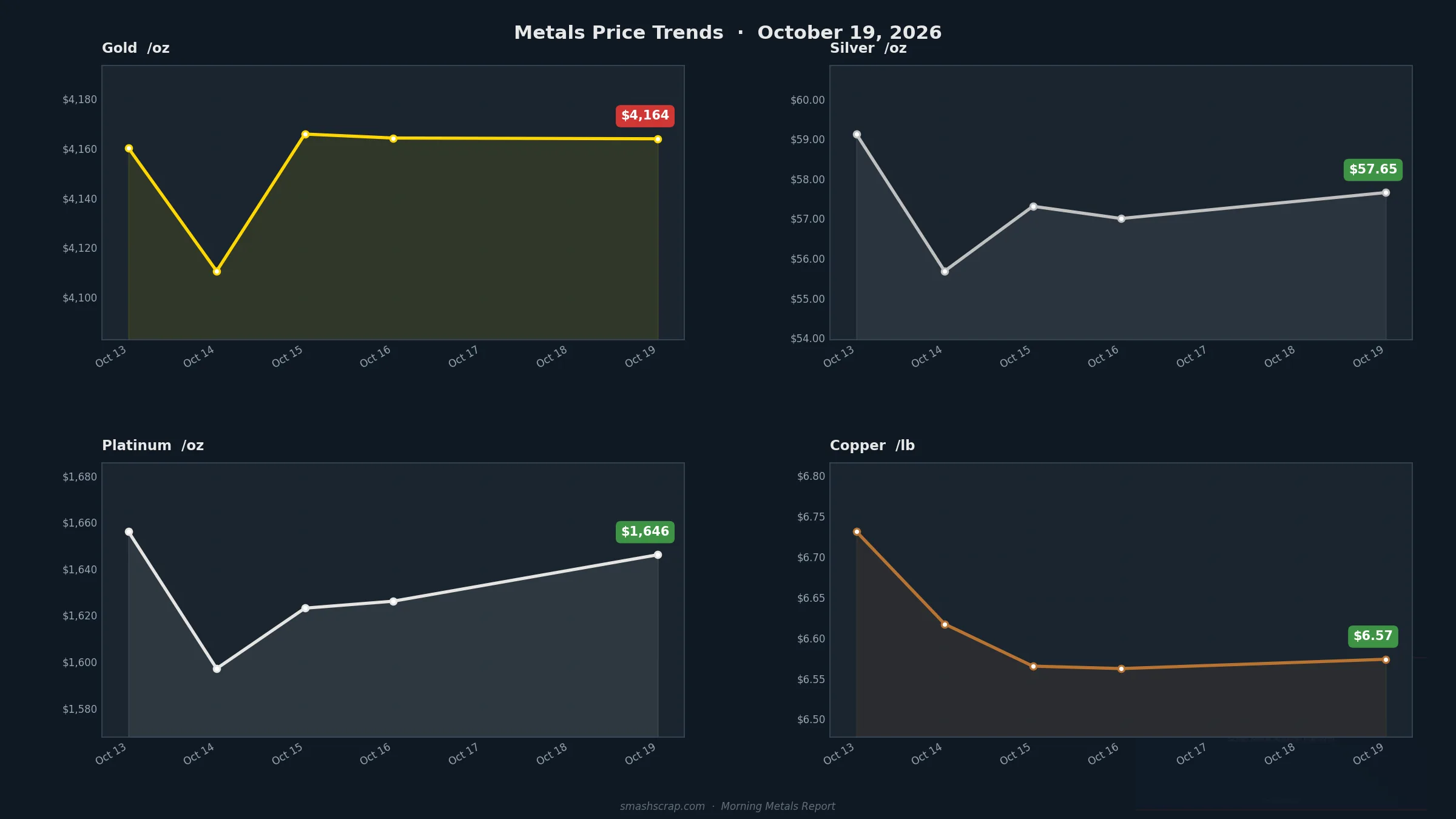
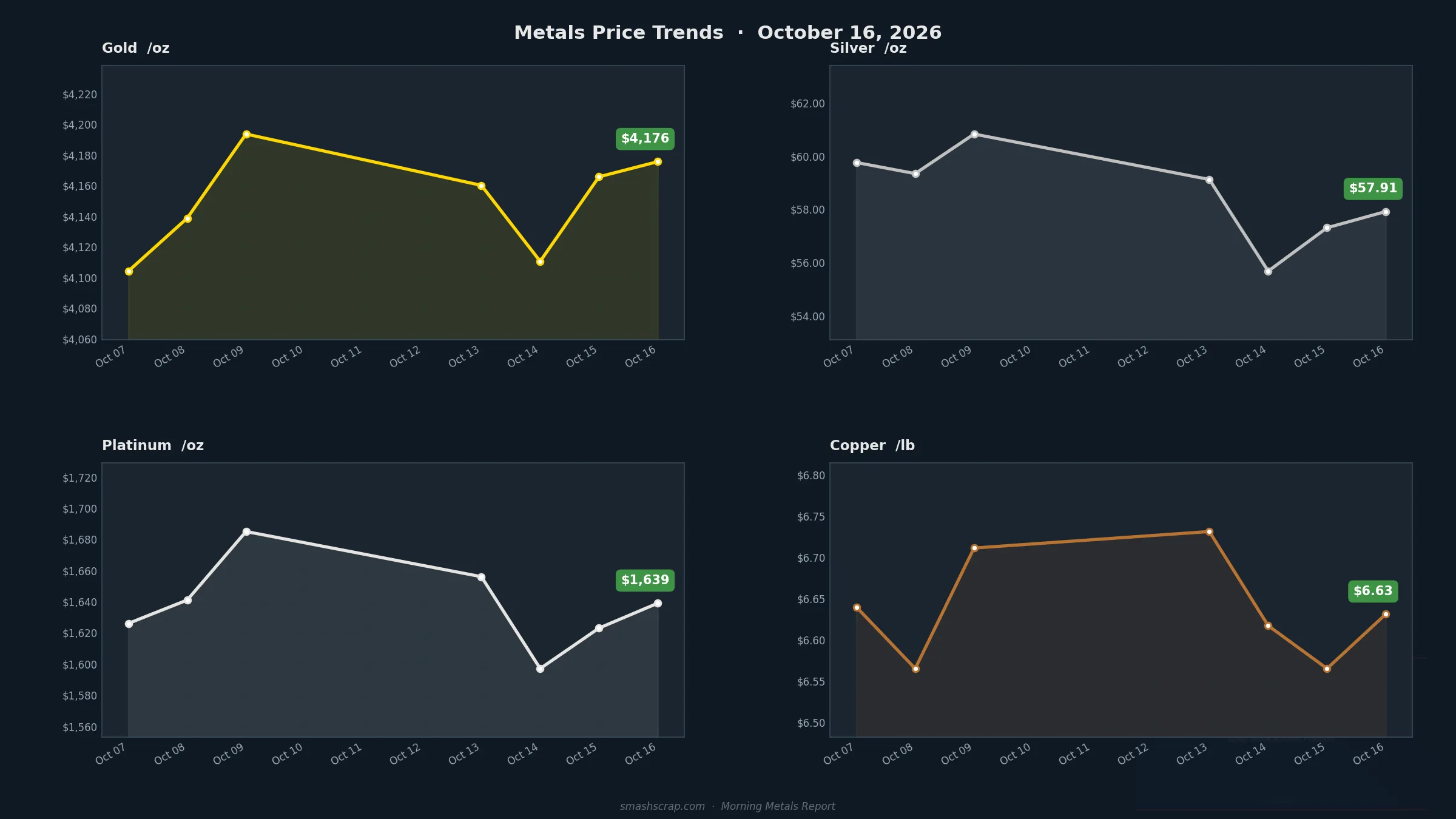
Catalytic converter prices are volatile. Platinum, palladium, and rhodium prices shift daily based on global commodity markets, automotive production trends, and supply chain pressures. In 2026, the PGM market continues to reflect tightening supply from South African and Russian sources, alongside evolving demand signals from the EV transition. That volatility cuts both ways — and if you're pricing your cats off a static sheet, you're almost certainly leaving money on the table during high-price windows.
A documented auction listing changes the equation. When you photograph each cat, record the serial number, and list the load with accurate counts and grades, buyers can apply their own assay models to your material. That means bids reflect real-time PGM values rather than a buyer's conservative buffer against uncertainty. More information equals more buyer confidence equals stronger bids.
The Automotive Recyclers of Canada (ARC) and the Ontario Automotive Recyclers Association (OARA) have both emphasized traceability and documentation as best practices for the industry — not just for regulatory compliance, but because documented material commands better prices and reduces disputes. Serial tracking on cat loads is exactly the kind of practice these organizations have pushed the industry toward, and it's built directly into how SMASH handles automotive inventory.
Note: Catalytic converter prices fluctuate daily based on PGM commodity markets. Always check current rates before listing or pricing your loads.
How Canadian Scrap Regulations and Documentation Affect Your Sale
Selling scrap in Quebec — and across Canada broadly — comes with real administrative requirements. GST/HST handling, packing lists, BOLs, and proper material documentation aren't optional. They're the baseline for doing business with serious buyers. The challenge is that pulling these documents together manually for every transaction is time-consuming and error-prone.
Auto-invoicing built into the auction workflow eliminates most of that friction. When a load sells, the platform generates the necessary documentation automatically — including GST/HST treatment — so you're not chasing paperwork after the fact. For a busy Montreal yard moving multiple loads per week, that time saving compounds quickly.
This also matters for buyers. A scrap metal recycling depot near me that lists material with proper documentation and photos is simply easier to buy from than a yard that sends a vague verbal description over the phone. The documentation reduces risk on both sides of the transaction, which is why vetted buyers on competitive platforms tend to bid more aggressively on well-documented loads.
For yards already aligned with ARC and OARA standards, the transition to an auction-based workflow is straightforward. The documentation requirements are largely the same — the platform just automates the assembly and delivery of those documents at the point of sale.
The Real Difference Between One Buyer and Many
Here's the practical reality: your single buyer has overhead, margin requirements, and a network of their own. When they quote you a price, they're pricing in their uncertainty about what they'll get when they resell or process your material. That uncertainty is your loss.
When ten vetted buyers look at the same load — the same photos, the same weights, the same serial numbers — and compete against each other in real time, the price that emerges is a function of actual market demand for your specific material. Competition can help reveal the market. More buyers means better price discovery. That's not a pitch — it's basic economics, applied to scrap.
Whether you're running an automotive recyclers Ontario-style operation or a non-ferrous yard in the heart of Montreal, the math works the same way. The only variable is whether you're giving yourself access to the full market or just a slice of it. Join Canada's B2B scrap marketplace on SMASH Recycling and see the difference a competitive buyer pool makes to your price discovery.
No subscription fees. SMASH only wins when you do. North America's B2B scrap metal auction platform is built around that alignment — if your material doesn't sell at a price you accept, there's no cost.
Getting Started: What Montreal Yards Need to List Their First Load
The barrier to entry is lower than most yards expect. You don't need a full tech stack or a dedicated admin team. Here's what a typical first listing looks like:
- Register your yard — Basic business details, location, material types you handle. The vetting process is straightforward for established operations.
- Document your load — Photos from multiple angles, accurate weights, grades, and for cats, serial numbers. Use SMASH's inventory tool to organize this before you go live.
- Set your terms — Reserve price if you want one, auction window, pickup logistics. You control the parameters.
- Let buyers bid — Vetted buyers across Canada review your listing and compete. You watch the bids come in and accept the best offer.
- Close and document — Auto-invoicing handles the BOL, packing list, and GST/HST paperwork. You coordinate pickup with the winning buyer.
The whole process is designed for yard operators, not software engineers. If you can take a photo and record a weight, you can list on SMASH. Read the latest from SMASH Recycling for detailed guides on specific material types and how to get the most out of each listing.
The scrap market in Quebec isn't slowing down. End-of-life vehicles keep coming, copper stays in demand, and PGM prices will keep moving with global commodity markets. The question is whether you're selling into one relationship or an actual market. If you're ready to find out what your loads are really worth, join Canada's B2B scrap marketplace on SMASH Recycling and get your first load listed.
Frequently Asked Questions
Q: How does auto recycling in Montreal connect to a B2B scrap auction platform?
Montreal yards generate significant volumes of end-of-life vehicle material — catalytic converters, copper wiring, aluminum, and ferrous — that can be listed directly on a B2B auction platform. Instead of calling one buyer, you list documented loads for multiple vetted buyers to bid on competitively. The platform handles the documentation, invoicing, and GST/HST paperwork automatically.
Q: What are catalytic converter prices today in Canada?
Catalytic converter prices fluctuate daily based on the underlying PGM commodity markets — platinum, palladium, and rhodium prices all affect cat values. There is no single fixed price. For current rates, check live PGM spot prices and consult your buyer or platform listing. Documented loads with serial tracking tend to attract more competitive bids because buyers can apply accurate assay models to your specific material.
Q: Is SMASH available for scrap yards in Quebec specifically?
Yes. SMASH serves yards and buyers across Canada, including Quebec. Montreal and surrounding areas are part of the active buyer and seller network. GST/HST documentation is handled automatically within the platform's invoicing workflow, which is relevant for Quebec-based transactions.
Q: What's the difference between a scrap metal recycling depot and a B2B auction platform?
A local scrap metal recycling depot is a physical drop-off or purchase point — one buyer, one price. A B2B auction platform is a marketplace where multiple vetted buyers compete for your documented loads online. The auction format creates competition that can improve price discovery compared to a single-buyer transaction.
Q: Do I need to be a large operation to use SMASH for copper recycling in Montreal?
No. SMASH works for established recycling yards of varying sizes. What matters is that you can document your loads accurately — photos, weights, grades — and that you're a legitimate business operation. There are no subscription fees, so there's no ongoing cost to maintain access to the platform.
Stay current on scrap metal market movements, pricing trends, and platform updates by following SMASH on LinkedIn — it's where the industry conversation is happening.