Toronto Scrap Metal Regulations: Stay Compliant, Win Auction
Scrap metal recycling Toronto operators face a regulatory landscape that changes faster than most buyers update their price sheets. Provincial rules around documentation, scrap car recycling Toronto requirements, and catalytic converter tracking have tightened considerably heading into the second half of 2026. The yards winning right now aren't just adapting — they're using compliance as a competitive edge. This is the story of how that shift is playing out across Canada, and why the smarter operators are pairing regulatory readiness with transparent auction infrastructure.
Why Canadian Scrap Metal Regulations Vary So Much by Province
Canada doesn't have a single national scrap metal framework. What flies in Saskatchewan won't necessarily satisfy Ontario's record-keeping requirements. That gap creates real operational friction — especially for yards that buy from or sell to buyers across provincial lines.
At the federal level, Environment and Climate Change Canada sets baseline standards around hazardous materials in end-of-life vehicles, including fluid drainage and CFC handling. But the enforcement teeth? Those live provincially. Ontario's Ministry of the Environment, Conservation and Parks runs a tighter ship than several other provinces, requiring documented chain of custody on non-ferrous metals, particularly for high-value materials like copper, aluminum, and catalytic converters.
Key regulatory differences across provinces include:
- Ontario: Mandatory seller identification for most non-ferrous transactions; Retire Your Ride legacy framework still shapes depollution standards; photo documentation increasingly expected by buyers
- British Columbia: Extended producer responsibility programs that affect how automotive recyclers handle scrap car cores and fluids
- Alberta: Relatively lighter transaction documentation requirements, but growing pressure following catalytic converter theft spikes in 2024–2025
- Quebec: Stricter enforcement on illegal dismantling; recyclers must register with the Autorité des marchés financiers for certain transaction thresholds
- Atlantic provinces: Smaller markets, but Nova Scotia and New Brunswick have both updated their used goods dealer regulations to capture scrap metal transactions
The Ontario Automotive Recyclers Association (OARA) has been instrumental in helping Ontario yards navigate these requirements. Their certification programs set a practical baseline that many insurance carriers and large buyers now expect. The Automotive Recyclers of Canada (ARC) plays a parallel role nationally — establishing best practices that provincial associations then adapt to local law.
The Catalytic Converter Crackdown and What It Means for Auction Pricing
If you've been in the yard business through 2024 and 2025, you watched catalytic converter theft become a national headline problem. The regulatory response has been significant. Several provinces moved to require VIN-linked documentation for cat sales, and Ontario tightened its requirements on who can legally sell converters and under what conditions.
For legitimate yards, this is actually good news — if you're set up correctly. Documented inventory creates buyer confidence. When a buyer knows a cat came from a properly dismantled vehicle with a full paper trail, they're not discounting for risk. That's exactly the environment where a catalytic converter auction format outperforms a single-buyer phone call.
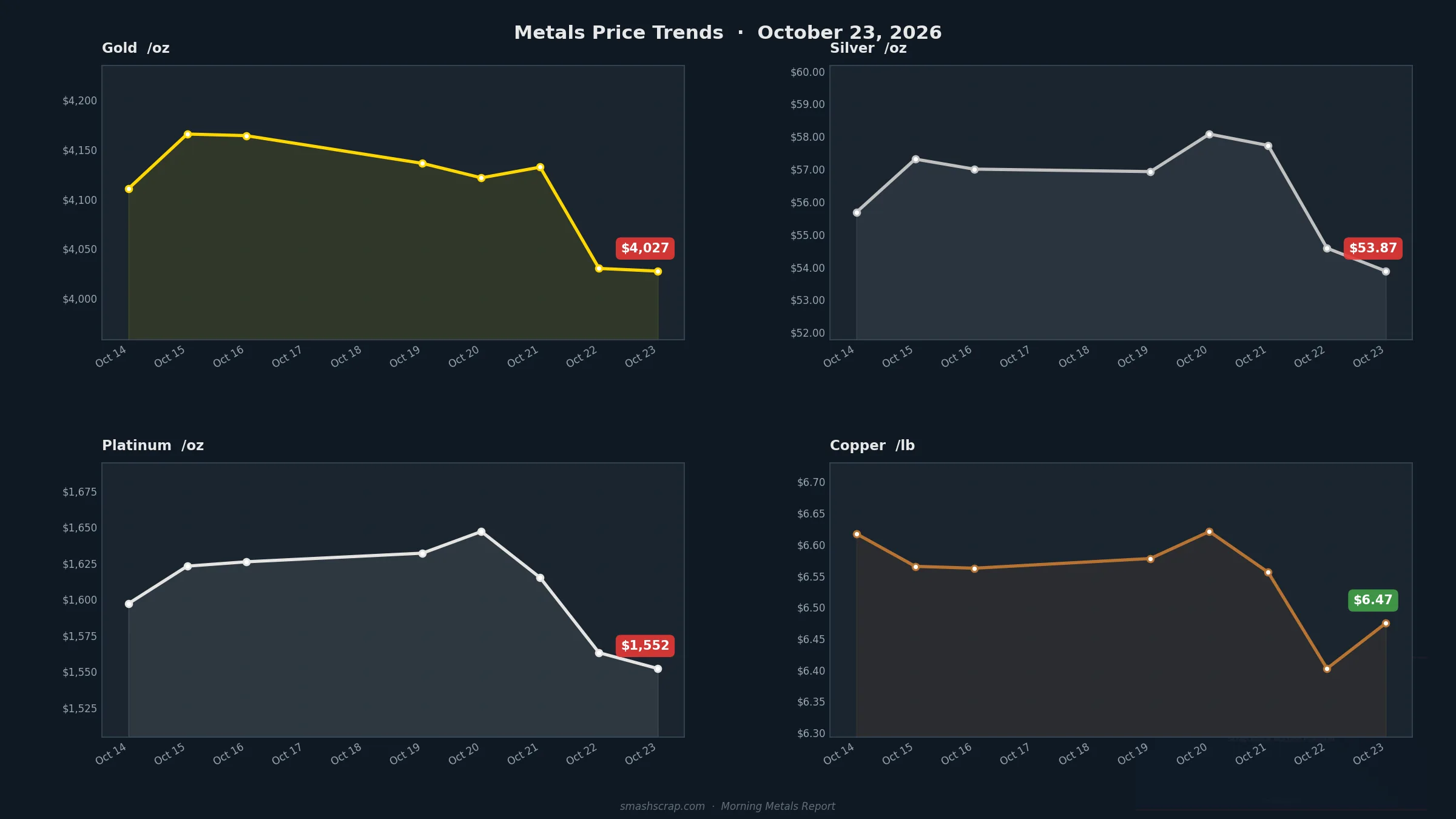
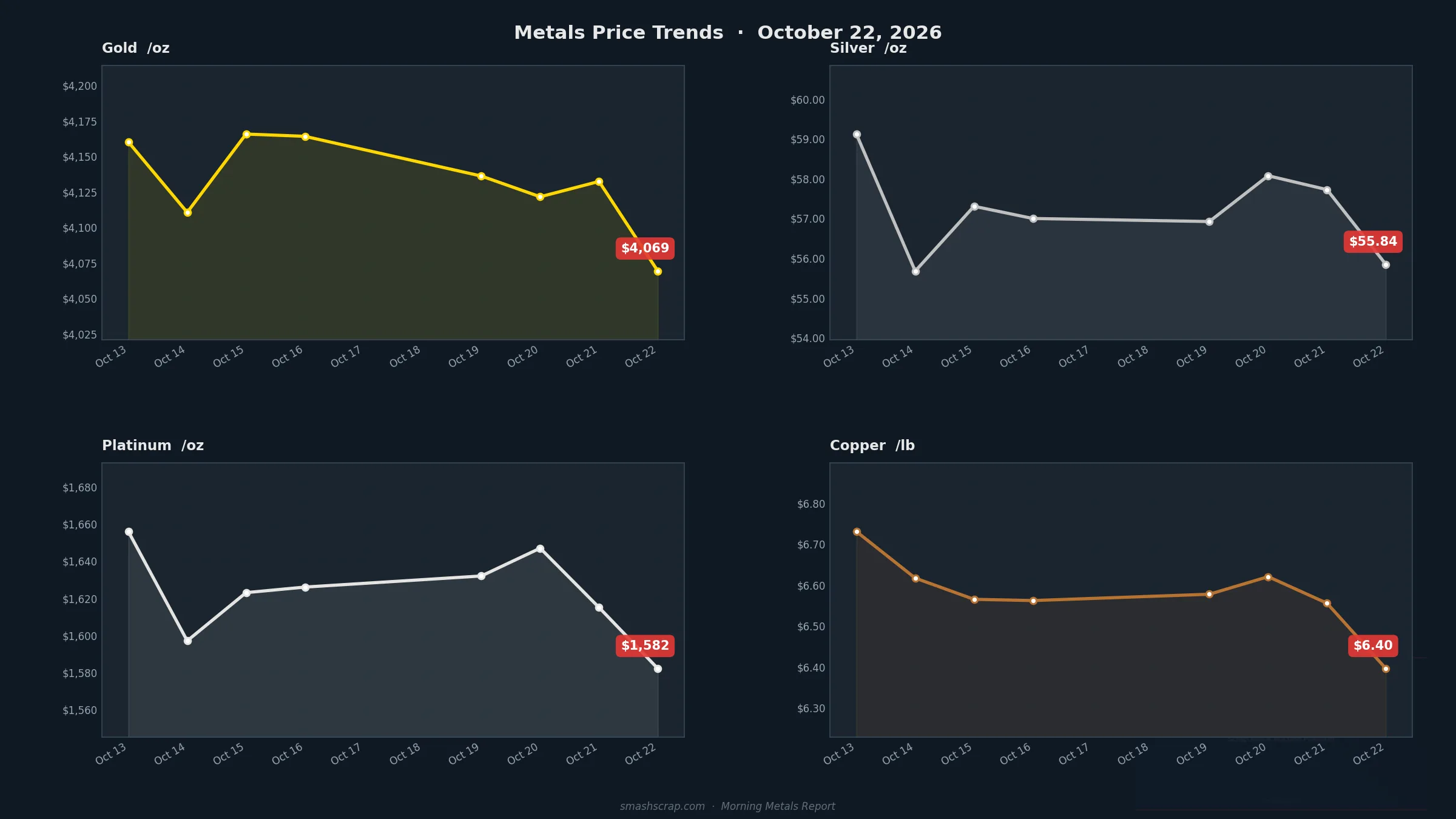
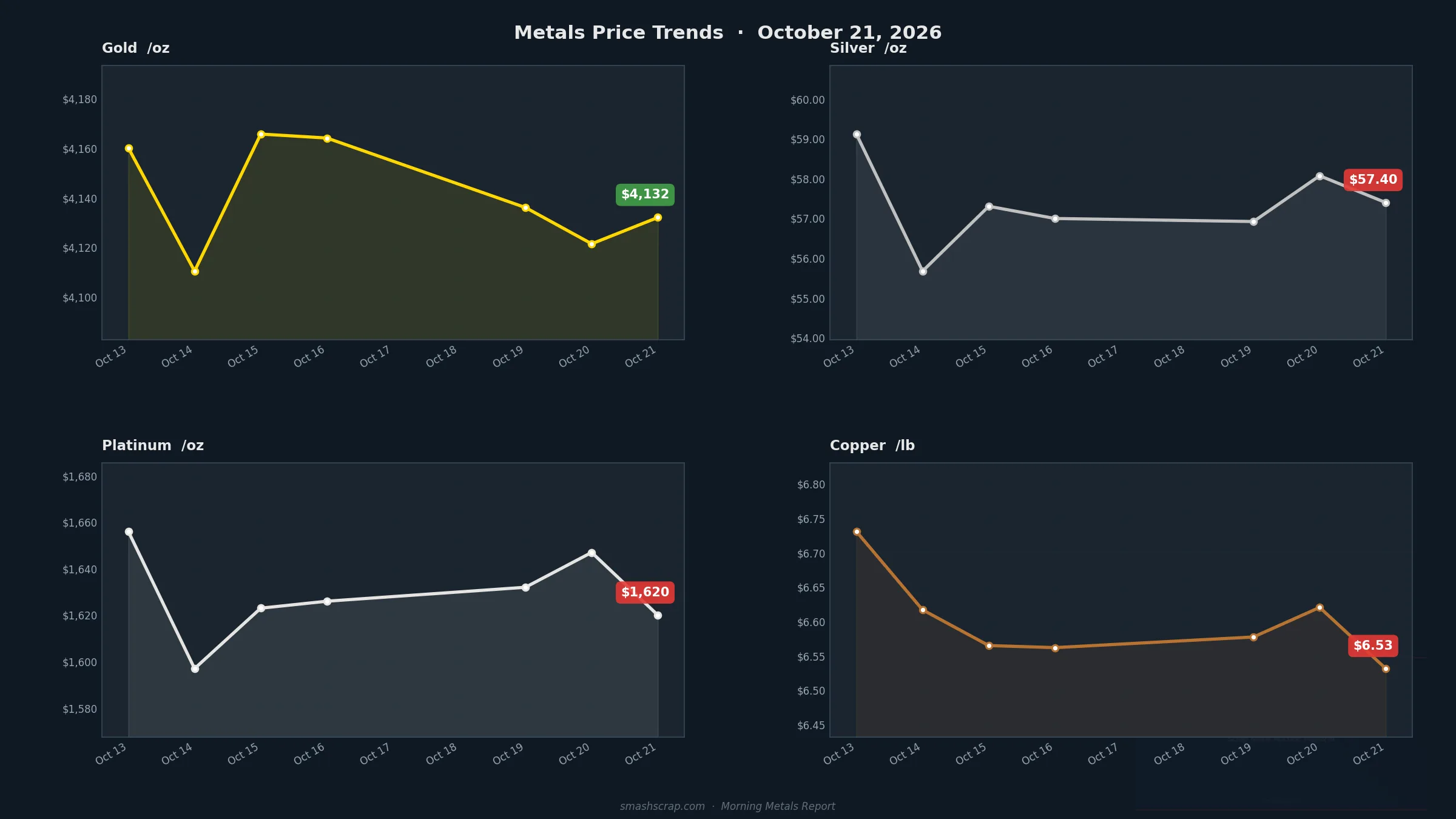
Platinum, palladium, and rhodium prices remain the primary drivers of converter value in 2026. These PGM (platinum group metal) prices are volatile — rhodium in particular has swung dramatically over the past few years. Spot prices for platinum, palladium, and rhodium shift daily based on global demand from automotive manufacturers and the secondary recovery market. Platforms that explore SMASH Recycling's auction platform connect sellers to vetted buyers who understand PGM pricing and aren't guessing on their bids.
VIN lookup and serial tracking aren't optional anymore if you want top-tier buyers to take your loads seriously. They're table stakes for the catalytic converter market in 2026.
Ontario's Documentation Requirements: What Toronto Yards Need to Know Right Now
For Toronto scrap metal services, the compliance burden is real — but manageable with the right systems. Ontario requires scrap dealers to collect and retain seller identification for non-ferrous metal purchases. That means name, address, and government-issued ID at minimum. For automotive cores, including cats, the expectation is increasingly VIN-linked documentation that ties the part to a specific vehicle.
The City of Toronto has its own municipal overlay on top of provincial requirements. Yards operating within city limits have faced periodic enforcement campaigns targeting undocumented transactions. That's not scare tactics — it's operational reality for anyone running a licensed yard in the GTA.
Here's what best-practice documentation looks like for Ontario yards in 2026:
- Photo documentation of materials at intake — time-stamped, tied to the seller record
- VIN lookup for any catalytic converters or drivetrain cores
- Seller ID capture stored for the provincial-required retention period
- Packing lists and BOLs that accurately describe loads before they go to market
- Weight documentation from a certified scale, especially for copper scrap and non-ferrous loads
OARA-certified yards have built most of this into their intake workflow. The challenge is that documentation captured at intake often doesn't translate to the sales side — sellers prepare a load for market and the supporting paperwork gets left in a filing cabinet. That's the gap that creates friction with buyers and suppresses bids on what should be premium inventory.
How SMASH Scrap Turns Compliance Into Price Discovery
Here's the case study framing that matters: yards running documented inventory through a competitive auction format are seeing meaningfully different buyer engagement than yards that send out blurry photos and a rough weight estimate via text message.
SMASH scrap infrastructure is built around exactly this dynamic. The inventory tool captures what you have, in what condition, with supporting photos and serial or VIN data where applicable. That information travels with the listing to every vetted buyer in the network. Buyers aren't discounting for uncertainty — they're bidding on a known quantity.
The old way: one buyer, one phone call, one price you either take or walk away from. You have no idea if that price reflects the market or reflects that buyer's margin target for the week.
The SMASH way: documented inventory, competitive auction, multiple vetted buyers placing real bids. More buyers means better price discovery. That's not a marketing line — it's how markets function. If you want to sell your scrap metal on the SMASH marketplace, the process is designed to put competition to work for you.
For Toronto yards dealing with the compliance overhead that Ontario requires, the documentation you're already doing for regulatory reasons becomes the documentation that drives buyer confidence. You're not doing extra work — you're monetizing the work you're already doing.
Scrap Metal Prices and Regulatory Timing: Why Documentation Matters More Than You Think
Copper scrap prices, aluminum prices, and catalytic converter values are all moving targets. Disclaimer: scrap metal prices fluctuate daily based on global commodity markets. Always verify current rates before committing to a sale.
What documentation does is protect your position regardless of where prices land. A well-documented load of Number 1 copper moves faster and draws more bids than an undocumented load, even when copper prices are strong. When prices soften, documented inventory is even more important — buyers tighten their criteria and undocumented loads get cut first.
This is especially relevant for scrap metal recycling Canada-wide: yards that built documentation systems during the regulatory push of 2024–2025 are now operating faster than competitors who dragged their feet. The compliance cost has become a structural advantage.
Auto-invoicing through SMASH also closes another gap that trips up yards at scale. When a load sells, documentation flows through the transaction automatically — no chasing paper, no manual reconciliation. For yards running multiple loads per week across non-ferrous, cats, and scrap cars, that operational efficiency compounds quickly.
To stay current on how Canadian scrap metal markets and regulations are evolving, read the latest from SMASH Recycling — the blog covers pricing trends, compliance updates, and platform news for yards across the country.
The B2B Scrap Metal Marketplace Advantage for Canadian Recyclers
Regulatory compliance isn't going to get lighter across Canadian provinces. If anything, the direction of travel — nationally and at the provincial level — is toward more documentation, more traceability, and more accountability in the scrap metal supply chain. Catalytic converter tracking, copper scrap documentation, and end-of-life vehicle records are all moving in that direction.
For yards in Toronto and across Ontario, the question isn't whether to build compliance infrastructure. It's whether that infrastructure is connected to a sales channel that rewards you for it.
That's the core argument for a B2B scrap metal marketplace built around auction dynamics and documented inventory. You do the compliance work once. The platform puts it in front of every qualified buyer in the network. Competition does the rest.
Organizations like OARA and ARC have been pushing this direction for years — better documentation, better standards, better outcomes for legitimate operators. A platform like SMASH is the commercial infrastructure that makes that work pay off. If you're ready to connect documented inventory to competitive buyers, join Canada's B2B scrap marketplace on SMASH Recycling and see what your loads are actually worth on the open market.
Frequently Asked Questions
Q: Can I recycle scrap metal in Toronto without seller identification?
For ferrous metals like steel, many transactions proceed without formal ID, but Ontario's non-ferrous rules require seller identification for metals like copper, aluminum, and catalytic converters. Licensed scrap dealers in Toronto are required to collect and retain this information. Check current Ontario Ministry requirements and your municipal licence conditions for specifics.
Q: What documentation do I need to sell catalytic converters in Ontario in 2026?
Ontario requires that catalytic converters be accompanied by documentation linking them to a specific vehicle, typically via VIN. Photo documentation and seller ID are also expected. Buyers on legitimate platforms like SMASH require this documentation before accepting converter listings — it protects both sides of the transaction.
Q: How do scrap metal recycling regulations differ between Ontario and other Canadian provinces?
Ontario generally has more stringent non-ferrous documentation requirements than most western provinces, though Alberta and BC have been tightening rules around catalytic converters specifically. Quebec has its own enforcement framework for licensed dealers. The Automotive Recyclers of Canada (ARC) publishes guidance that covers national baseline expectations for automotive recyclers.
Q: What are catalytic converter prices today in Canada?
Catalytic converter values are driven by platinum, palladium, and rhodium spot prices, which change daily. There's no fixed "today's price" — values vary significantly by make, model, and converter type. Disclaimer: always verify current PGM spot prices and converter-specific values before selling. A competitive auction format helps ensure you're seeing real market pricing rather than a single buyer's estimate.
Q: Is SMASH available for scrap metal recycling across Canada, not just Toronto?
Yes. SMASH serves recycling yards and buyers across North America, including Ontario, BC, Alberta, Quebec, and beyond. The platform's vetted buyer network and auction format work regardless of where your yard is located. Toronto and Ontario-based yards represent a significant part of the user base, but the platform is built for the full Canadian market and cross-border transactions.
If you're building a better operation — documented, compliant, and connected to real buyers — the next step is straightforward. Register at smashrecycling.ca and put your inventory in front of the market it deserves.
Follow SMASH on LinkedIn for ongoing updates on Canadian scrap metal market conditions, regulatory changes, and platform news.