Photo Verification Boosts Burnaby Automotive Recycler Bids
Most online scrap deals fall apart for one reason: the buyer never trusted what they were buying. A phone description of a load of cats or a pallet of copper isn't a price signal — it's a guess. And in 2026, guessing is costing Canadian yards real money.
Photo verification changes that equation entirely. For automotive recyclers in Burnaby and across British Columbia, documented inventory isn't just good housekeeping — it's the difference between a competitive bid and a low-ball offer from a buyer who's covering their risk. This is the market reality right now, and it's reshaping how serious B2B scrap transactions happen.
Why Undocumented Loads Destroy Price Discovery
Here's what actually happens when a yard calls a single buyer with a verbal description of their inventory. The buyer has no way to verify condition, grade, or quantity. So they price in uncertainty. They build a margin cushion to protect themselves against surprises on delivery. That cushion comes directly out of your settlement.
This isn't the buyer being dishonest — it's rational behaviour. If you tell a buyer you have two pallets of mixed non-ferrous, they're going to assume the worst-case version of "mixed." If you show them photos with clear separation, weight estimates, and condition details, you've just transferred that risk off the table. explore SMASH Recycling's auction platform to see exactly how photo documentation changes the bidding dynamic in a live auction environment.
The downstream effect matters too. When buyers can't verify what they're buying, fewer of them bid. Fewer bids means less competition. Less competition means the market price never gets discovered — you just get whatever one buyer decided your load was worth that morning.
What Photo Verification Actually Looks Like in a SMASH Scrap Metal Auction
Good photo documentation in a SMASH scrap metal auction isn't about snapping a quick cell phone picture of a pile. It follows a structure that gives buyers the information they need to bid with confidence.
For catalytic converter loads — one of the highest-value categories in automotive recycling — that means:
- Serial number photos for each unit, matched to the inventory listing
- VIN lookup verification where applicable, confirming the cat matches a specific vehicle record
- Condition documentation — showing whether a unit is intact, partially damaged, or de-canned
- Quantity confirmation shots — photos that show the full lot so buyers can verify count
- Grade separation evidence — different piles or bins clearly separated so there's no dispute about mixing
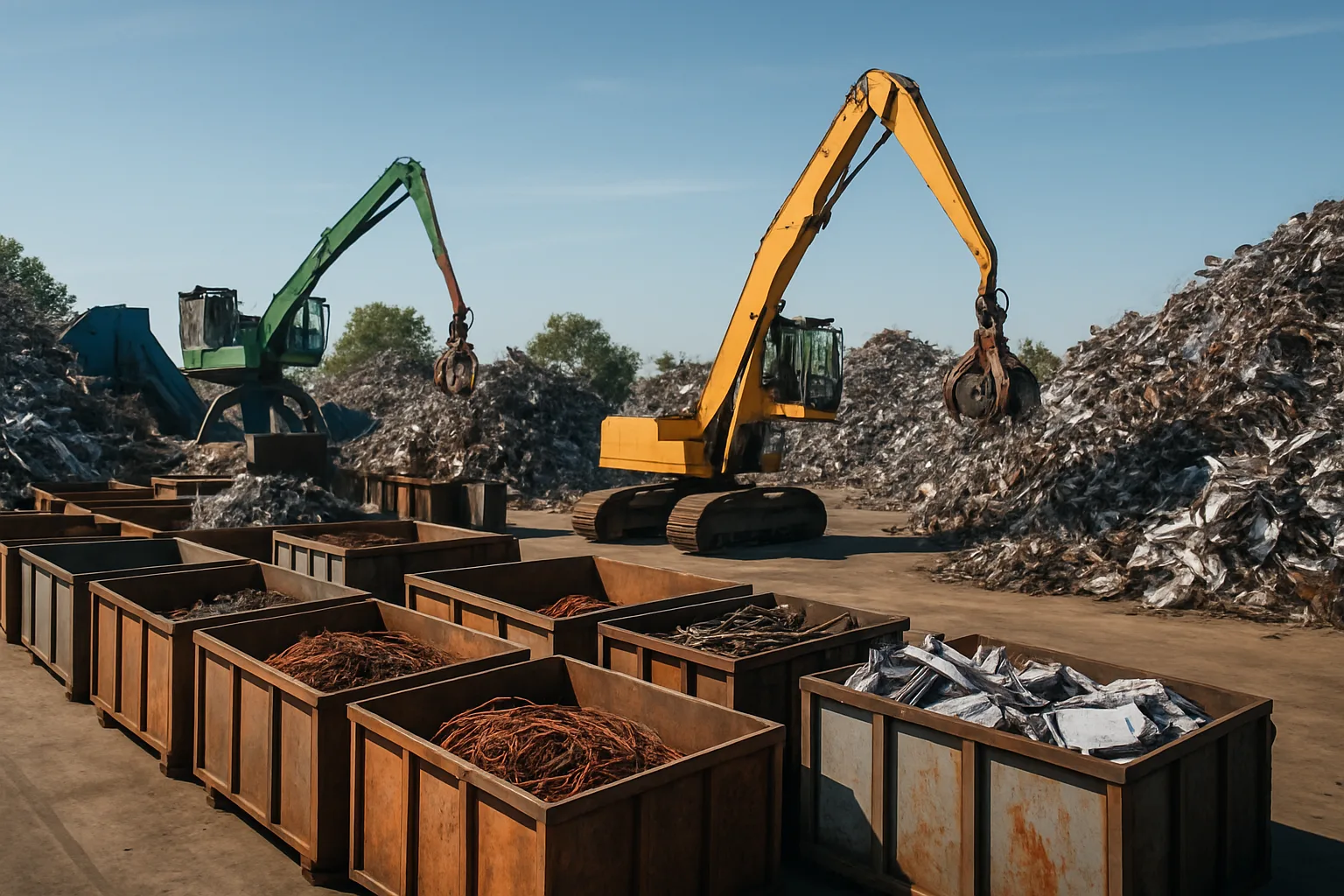
The same logic applies to copper scrap, cores, and other non-ferrous material. A buyer looking at copper pricing right now wants to know: is this bare bright, #1, #2, or insulated wire? A photo answers that question before the auction starts. Guesswork is eliminated. That's when real competitive bidding happens — and when sellers start seeing what their material is actually worth on the open market.
How Photo Documentation Connects to Scrap Metal Inventory Management
There's a longer-term benefit that yards often overlook. Strong scrap metal inventory management isn't just about selling better today — it creates a data record that makes every future transaction faster and more credible.
When your inventory is photographed, serialized, and logged before every sale, you build an operational history. That history is useful in three specific ways:
- Dispute resolution: If a buyer raises a question about what was delivered versus what was listed, your photos are the record. No phone-call argument, no "he said she said." The documentation speaks.
- Regulatory compliance: British Columbia has regulatory requirements around automotive parts and scrap documentation. Yards that already photograph and track their inventory are ahead of compliance demands, not scrambling to catch up.
- Internal accountability: Photo logs tied to BOLs and packing lists create a paper trail inside your own operation. Staff know every unit gets documented. That changes how inventory gets handled before it ever hits the auction floor.
For yards operating at scale in Burnaby or anywhere across the Lower Mainland, the volume of units moving through a facility makes this documentation discipline even more critical. SMASH's inventory tool supports this process — it's built for the way scrap yards actually work, not for a software demo.
The Trust Gap Between Sellers and Buyers in Online Scrap Markets
Online B2B scrap transactions have a structural trust problem that's different from in-person deals. When a buyer walks your yard, they can see the material, ask questions, and make a judgment call. Online, all they have is what you give them.
This trust gap is why vetted buyer networks matter alongside photo verification. SMASH operates with vetted buyers — not anonymous accounts — which means both sides of the transaction have accountability. But even within a vetted network, buyers differentiate between sellers. The sellers who document their loads consistently, photograph their cats properly, and maintain clean inventory records get more bidders on their auctions. More bidders means better price discovery for scrap metal — not a guarantee of higher prices, but a genuine shot at the actual market rate rather than one buyer's comfortable margin.
Organizations like the Automotive Recyclers of Canada (ARC) and the Ontario Automotive Recyclers Association (OARA) have long emphasized documentation and traceability as core standards for professional automotive recyclers. The move toward photo-verified online auctions is a direct extension of those principles into the digital marketplace. If your yard is already operating to ARC standards, you're closer to auction-ready than you think.
Catalytic Converter Prices and Why Documentation Matters More Now
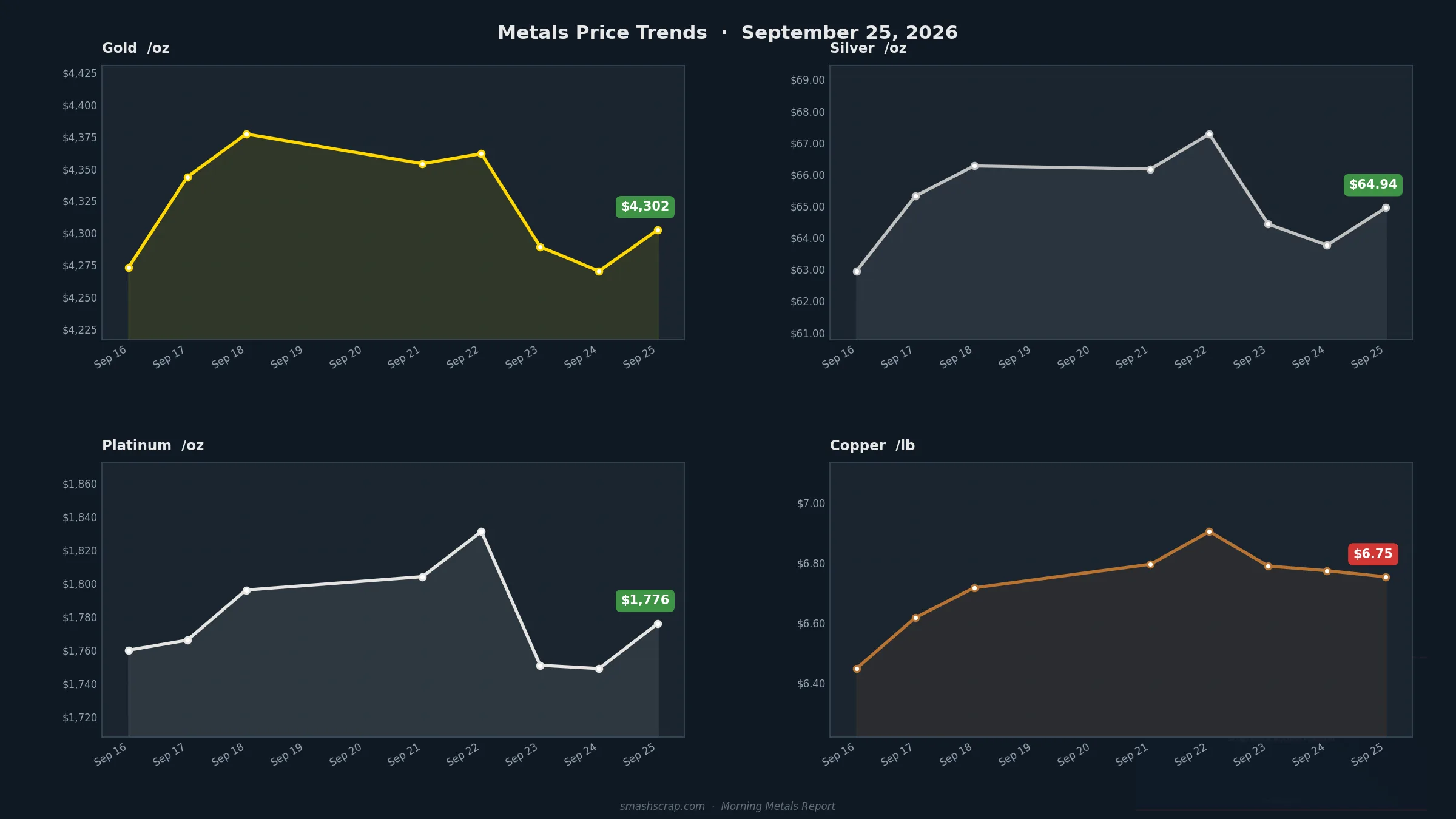
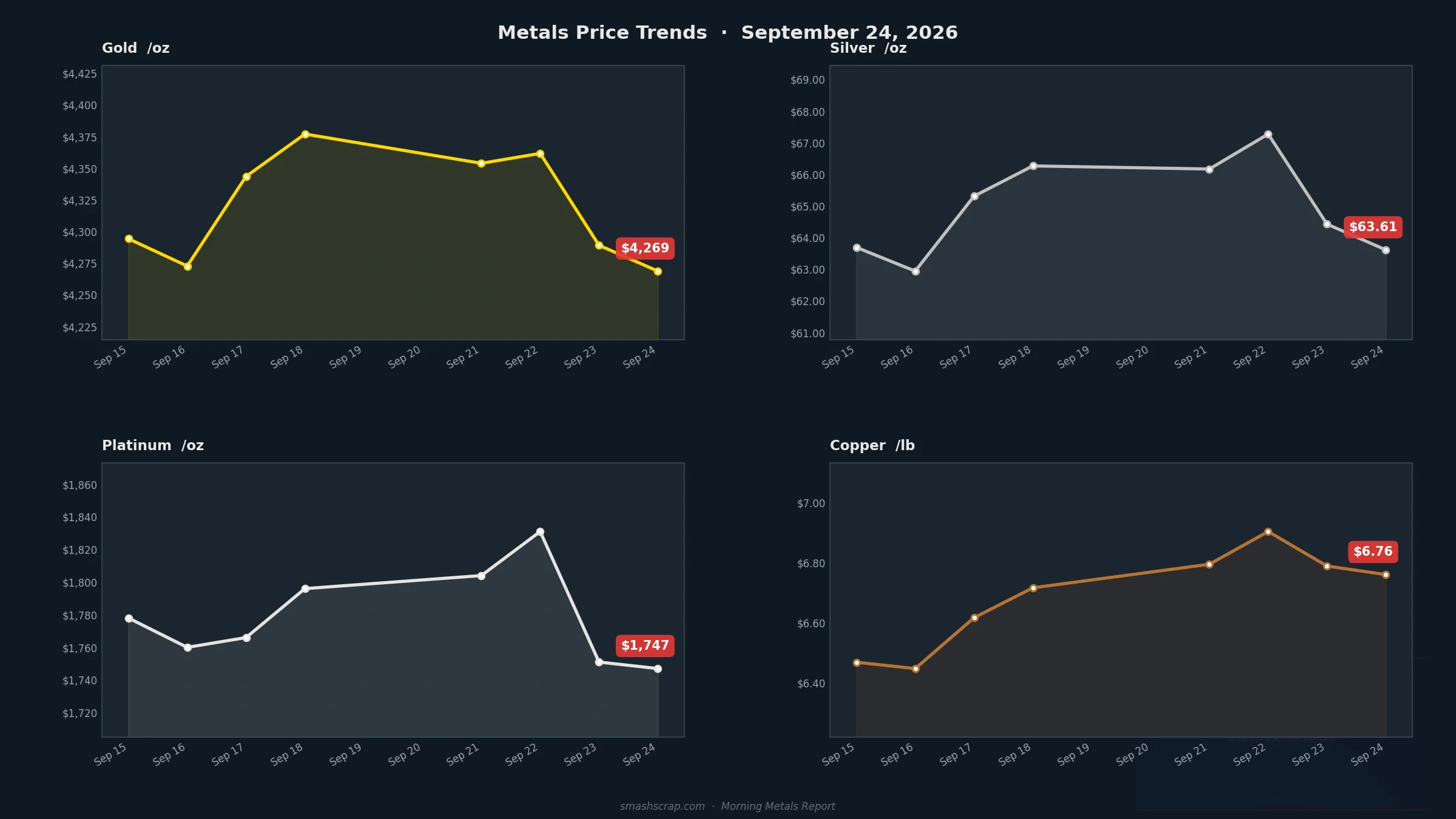
Platinum, palladium, and rhodium prices in 2026 remain volatile — the PGM market doesn't sit still, and that volatility flows directly into catalytic converter valuations. When metal prices are moving, buyers are especially cautious about undocumented loads. They don't know if you're selling them yesterday's cats or this week's material. They don't know if the serials have been run against a theft database. They're pricing in that uncertainty.
Photo verification with serial tracking gives buyers the confidence that a load has been properly sourced, documented, and is what the seller says it is. In a PGM market where a single high-grade cat can carry significant value, that documentation isn't optional — it's the price of admission for getting real bids.
Note: Catalytic converter prices fluctuate daily based on platinum, palladium, and rhodium spot prices. Always check current market rates before listing or selling.
For automotive recyclers in Burnaby dealing in cats regularly, the difference between a documented lot and an undocumented one at auction can be substantial — not because the metal changed, but because buyer confidence changed. compare scrap metal bids from verified buyers to see how documented lots perform against unverified ones in a competitive format.
Getting Your Yard Ready for Photo-Verified Auctions
The operational lift of photo documentation is smaller than most yards expect. The barrier isn't technology — it's process. Here's what a practical starting point looks like for a yard new to documented auctions:
- Designate a documentation station: A consistent background, good overhead lighting, and a mounted phone or tablet holder. Takes twenty minutes to set up.
- Assign serial tracking as a receiving task: Every cat that comes in gets photographed and logged before it goes into storage. This is a receiving workflow, not a separate admin task.
- Use SMASH's inventory tool to build your listings before the auction opens. The platform is designed to make photo uploads and serial entry part of the standard listing process — not an afterthought.
- Separate your grades before shooting: Mixed grades photographed together still look mixed to a buyer. If you've sorted your material, show the separation in the photos.
- Include a scale or reference object in photos for non-ferrous lots where weight estimation matters — a visible scale readout or a gloved hand for size reference tells buyers more than a standalone pile shot.
Yards that read the latest from SMASH Recycling consistently report that the documentation process becomes faster as it becomes habit. The first few lots take adjustment. After that, it's just how the yard runs.
If you're in Burnaby or anywhere across British Columbia and you're still selling based on phone calls and handshake pricing, the market is moving past you. The buyers who pay best are going to platforms where they can see what they're buying. join Canada's B2B scrap marketplace on SMASH Recycling and start putting your documented inventory in front of vetted buyers who compete for it — that's how price discovery actually works.
Frequently Asked Questions
Q: Do automotive recyclers in Burnaby need special equipment to do photo verification for online auctions?
No specialized equipment is required. A smartphone with a decent camera, consistent lighting, and a clean surface for photographing units is enough to get started. The key is process consistency — taking photos the same way every time so buyers get reliable, comparable information across your listings.
Q: How does photo documentation affect the bids I receive on the SMASH scrap metal auction platform?
Documented lots give buyers more confidence to bid aggressively because they're not pricing in uncertainty about condition or grade. More buyer confidence generally means more competitive bidding — which is how you get closer to the actual market price for your material rather than one buyer's protected estimate.
Q: What types of scrap material benefit most from photo verification?
Catalytic converters benefit significantly because serial numbers, condition, and grade all affect value directly. Non-ferrous materials like copper scrap also benefit because grade separation — bare bright versus #1 versus insulated wire — is visible in photos and directly impacts pricing. Cores and other automotive parts also photograph well and document condition clearly.
Q: How does the Automotive Recyclers of Canada (ARC) connect to documentation standards for online scrap sales?
ARC promotes traceability and professional standards across Canadian automotive recycling operations. Photo verification and serial tracking in online auctions align directly with those standards — they extend the documentation practices professional yards already use into the digital sales environment. Yards operating to ARC standards are typically well-positioned for documented online auctions.
Q: Where can scrap metal sellers in Burnaby find vetted buyers for documented loads?
SMASH Recycling operates a B2B auction platform connecting Canadian scrap sellers with vetted buyers across North America. Sellers list their documented inventory — photos, serials, grades — and buyers compete through the auction format. Register at smashrecycling.ca to access the platform and connect with buyers who are looking for exactly what you're selling.
Stay current on scrap metal market trends, auction insights, and Canadian recycling industry news — follow SMASH on LinkedIn for regular updates from inside the industry.