Scrap Metal Recycling London: Auction vs Handshake Deals
The Old Way of Selling Scrap Is Dying — Here's What Replaces It
Most scrap yards in Canada still run on the same playbook they used twenty years ago: call your buyer, agree on a number, load the truck. No competition. No documentation trail. No way to know if you left money on the table. For high-value loads — non-ferrous metals, catalytic converters, copper, cores — that approach costs you. The future of B2B scrap trading in Canada looks nothing like that, and yards doing scrap metal recycling London and across Ontario are already feeling the pressure to adapt.
This article breaks down where the industry is heading, what it means for Canadian yards and buyers, and how platforms built specifically for the trade are changing the economics of every load you move.
Why the Single-Buyer Model Is Breaking Down
The single-buyer relationship feels comfortable. You know the guy. He answers his phone. But comfort has a cost. When one buyer sets the price with no competition, you are pricing by relationship, not by market. That gap between what you accepted and what the market would have paid — that's your loss, and it compounds with every load.
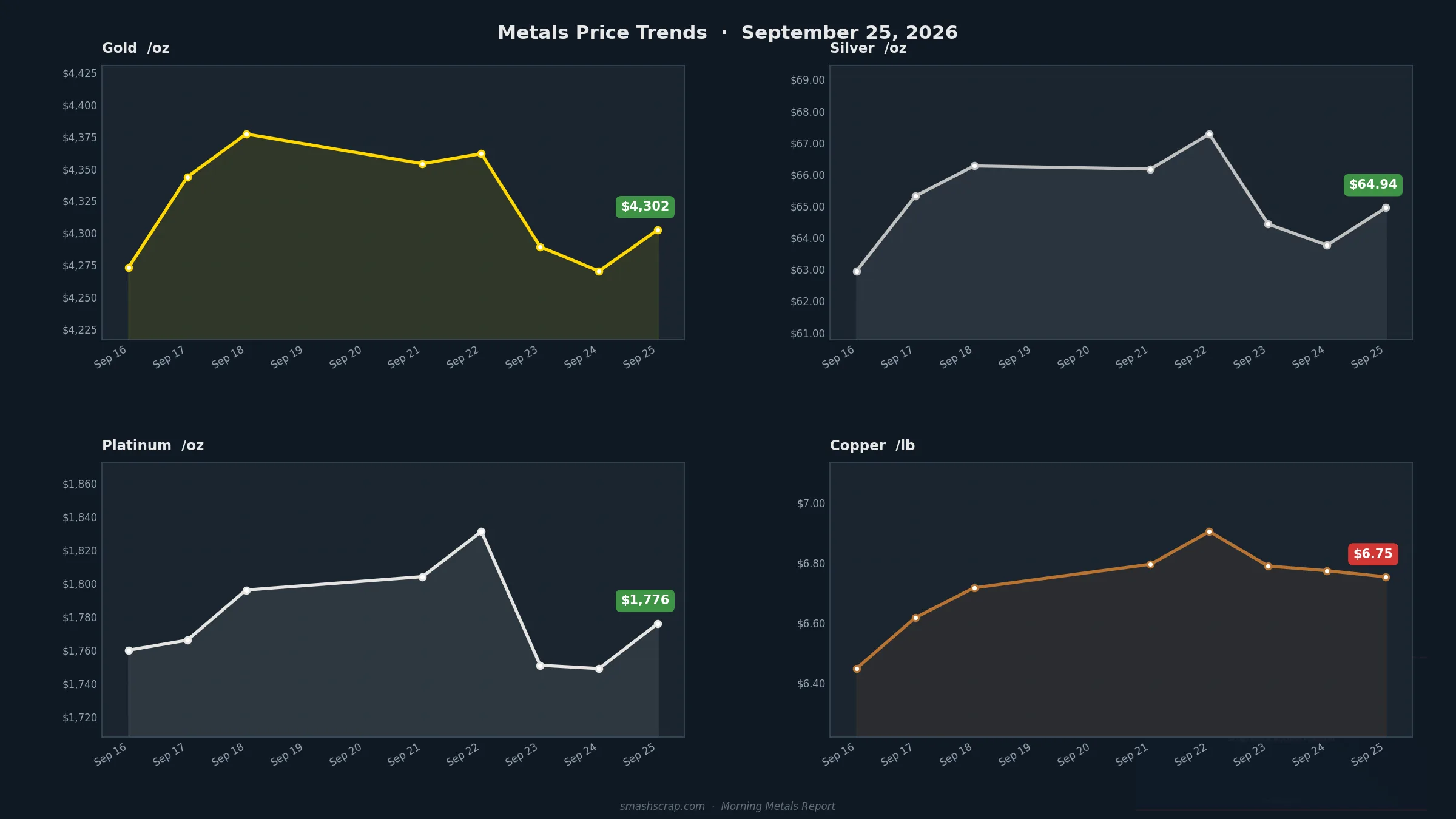
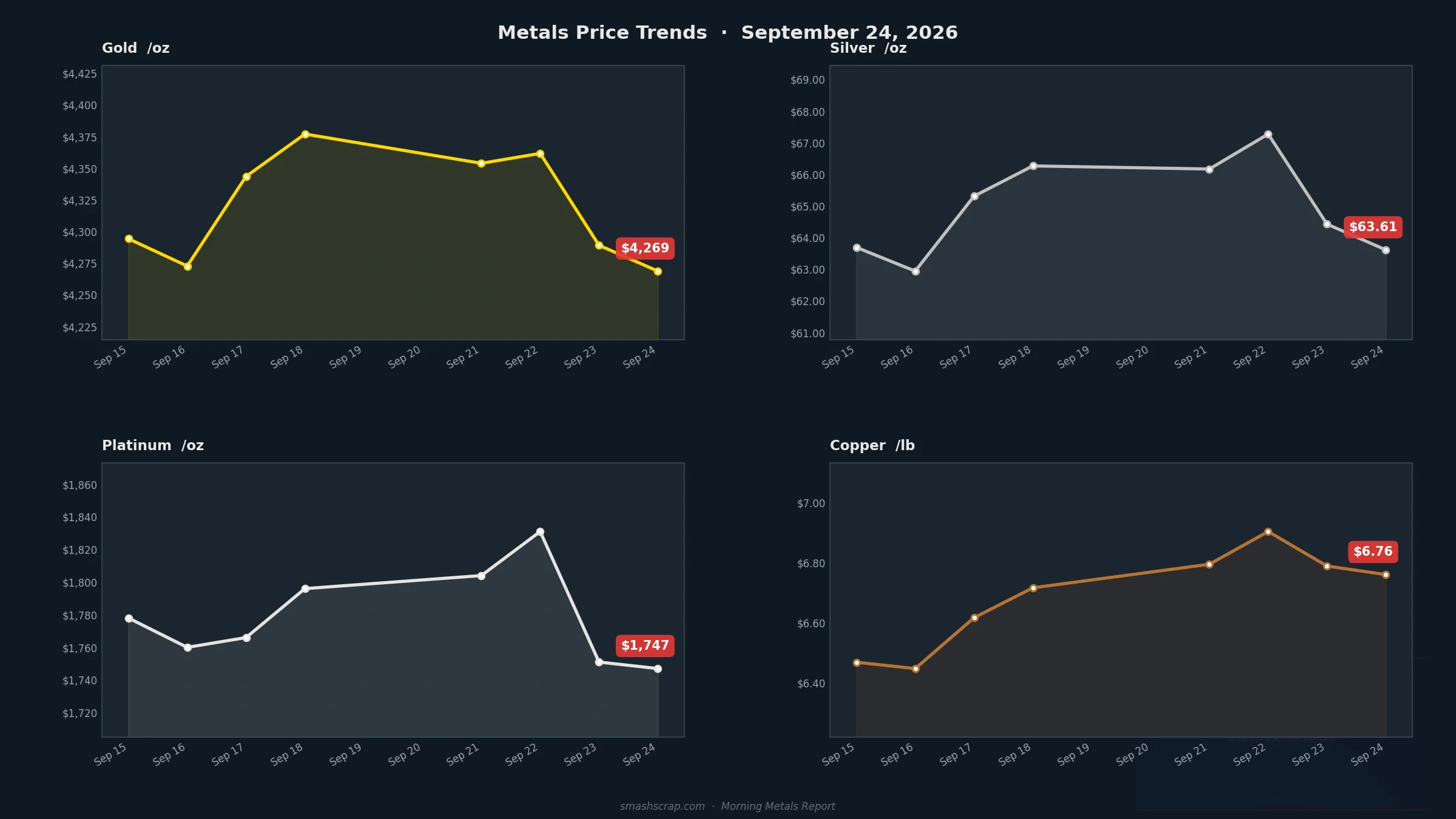
Canadian scrap markets have grown more volatile in 2026. Copper scrap prices, platinum price swings, palladium price movements, and rhodium price shifts can change the value of a single load by hundreds or thousands of dollars within a week. Locking yourself into a handshake price with one buyer in that environment is a risk, not a strategy.
The yards adapting fastest aren't necessarily the biggest. They're the ones treating each load as an asset to be priced properly — with documentation, verified buyers, and genuine price discovery instead of guesswork.
The Rise of the B2B Scrap Metal Auction Platform in Canada
Auction-based trading isn't new. It's how commodities have been priced for centuries. What's new is applying that model to scrap metal in a way that actually works for recycling yards — without subscription fees, without complexity, and without losing the speed that this business demands.
A scrap metal auction platform changes the dynamic in three ways. First, it introduces competition. More buyers means better price discovery. Second, it forces documentation — photos, BOLs, packing lists, VIN lookups, serial tracking — which builds buyer confidence and supports higher bids. Third, it creates a transaction record. Auto-invoicing, GST/HST handling, and documented loads protect both sides of the deal.
For yards running London scrap metal services, moving non-ferrous loads, or selling catalytic converters online to national buyers, the auction model opens the market beyond whoever happens to pick up the phone that morning. That's not a small upgrade. That's a structural shift in how you do business.
Platforms like explore SMASH Recycling's auction platform are built around exactly this model — vetted buyers, transparent bidding, and no subscription fees. SMASH only wins when the seller wins. That alignment matters.
Catalytic Converters, Copper, and High-Value Non-Ferrous: Where the Stakes Are Highest
Not every load has the same margin risk. Bulk steel? The price spread between buyers is usually tight. But catalytic converters? The difference between a poorly-documented sale to a single buyer and a properly-listed auction lot can be significant. Cats carry platinum, palladium, and rhodium — metals whose spot prices have been some of the most volatile in the non-ferrous market throughout 2025 and into 2026.
The question can you recycle catalytic converters gets searched by everyone from new yard operators to automotive dismantlers. The answer is yes — and the question you should actually be asking is whether you're getting full market value when you sell them. If you're calling one buyer with a count and a description, you're probably not.
The same logic applies to copper scrap. Copper scrap prices fluctuate with global demand — construction, EV battery infrastructure, electrical grid buildout across Canada. A load of number one copper wire that your single buyer prices at a flat rate might command a meaningfully different number in an open market with documented quality grading.
Proper photo documentation, accurate grading, and a vetted buyer pool give high-value loads the market exposure they deserve. That's not theory — it's how commodities markets work when they function correctly.
Disclaimer: Metal prices — including catalytic converter prices today, copper scrap prices, platinum price, palladium price, and rhodium price — change constantly. Always check current market rates before pricing or committing a load.
What Better B2B Scrap Trading Looks Like in Ontario Right Now
Ontario's recycling sector operates under a well-established framework. Industry organizations like the Ontario Automotive Recyclers Association (OARA) and the Automotive Recyclers of Canada (ARC) have long advocated for documentation standards, environmental compliance, and fair trade practices across the province. The shift toward digital, auction-based trading aligns naturally with those values — it creates paper trails, supports proper inventory management, and raises the bar for how loads are described and sold.
In practical terms, here's what better B2B scrap trading looks like for a yard operating in London or anywhere across Ontario in 2026:
- Inventory documented before the sale. Photos, weights, grades, and relevant identifiers — VINs on cores, serial numbers on high-value units — uploaded before buyers see the lot.
- Vetted buyers only. No tire-kickers, no time-wasters. Buyers who've been screened and have a track record in the market.
- Competitive bidding. Multiple buyers seeing the same lot at the same time creates the market tension that single-buyer calls never will.
- Auto-invoicing and GST/HST handling. The paperwork that used to eat hours gets handled automatically. That includes proper Canadian tax documentation — GST/HST, PST — depending on your province.
- No subscription fees. You shouldn't be paying a monthly fee to access buyers. The platform should earn on the transaction, not on your overhead.
This isn't a fantasy version of the industry. Yards running this model today are operating with more confidence — not because every load is guaranteed to sell at a premium, but because they know they're running a real market process, not a guess.
How Canadian Yards Can Start Trading Smarter Today
If you're running a recycling operation and you've never sold through an auction platform, the barrier to entry is lower than you think. The shift doesn't require replacing your entire operation. It means adding a channel that gives your loads market exposure you don't currently have.
Start with your highest-value, most price-sensitive loads — catalytic converters, copper, non-ferrous cores. These are the categories where the gap between single-buyer pricing and market pricing is widest. Document them properly. List them with photos and accurate descriptions. Let buyers compete. See what the market says.
For yards searching for a scrap metal recycling depot near me or looking to expand their buyer network beyond local contacts, the North America's B2B scrap metal auction platform model connects Canadian sellers with vetted buyers across the continent — not just whoever you already know.
SMASH scrap operates exactly this way. No subscriptions. Documented transactions. Real competition on real loads. Sellers in London, Ontario, and across Canada use it to move non-ferrous and catalytic converter inventory to buyers who've been vetted and who bid in real time. The platform handles the admin — invoicing, documentation, tax handling — so you stay focused on the yard.
To stay current on market conditions, industry news, and how Canadian scrap trading is evolving, read the latest from SMASH Recycling — it's built for yard operators, not marketing departments.
The Future Belongs to Yards That Treat Their Inventory Like Assets
Here's the shift that defines where this industry is going: scrap isn't waste. It's commodity inventory. The yards that win in the next decade will be the ones that treat it accordingly — pricing it with data, documenting it properly, and selling it to the market, not just to the nearest buyer with a truck.
That means platforms, not just phone calls. It means documentation, not just handshakes. It means price discovery based on competition, not relationships. None of this replaces the yard expertise you've spent years building — it amplifies it.
If you're serious about running a tighter, more profitable scrap operation in Ontario or anywhere in Canada, the next step is straightforward. Join Canada's B2B scrap marketplace on SMASH Recycling and see what your loads are actually worth when real buyers compete for them. Register at smashrecycling.ca — no subscription fee, no commitment required to get started. The market is already there. The question is whether you're in it.
Follow SMASH on LinkedIn for ongoing industry updates, scrap metal market insights, and news from Canada's B2B scrap trading community.
Frequently Asked Questions
Q: What is a B2B scrap metal auction platform and how does it work?
A B2B scrap metal auction platform connects vetted industrial sellers — recycling yards, dismantlers, metal processors — with qualified buyers through a competitive bidding process. Sellers document their loads (photos, weights, grades, BOLs), list them on the platform, and buyers bid in real time. This creates genuine price discovery instead of relying on a single buyer's offer. SMASH operates on this model with no subscription fees for sellers.
Q: Can you recycle catalytic converters through an online platform in Canada?
Yes. Catalytic converters are one of the highest-value scrap categories because they contain platinum, palladium, and rhodium. Selling them through a documented auction platform — with photo documentation and accurate grading — exposes them to multiple vetted buyers and typically produces better price discovery than a single-buyer phone call. Always check current catalytic converter prices, as platinum, palladium, and rhodium spot prices fluctuate significantly.
Q: How does scrap metal recycling in London, Ontario connect to national buyers?
Historically, London yards sold to regional buyers with limited market exposure. Digital auction platforms change that by connecting London-area yards with vetted buyers across Ontario and Canada. Proper documentation — VIN lookups, serial tracking, photo records — gives distant buyers enough confidence to bid competitively on loads they haven't seen in person.
Q: What scrap metal prices should I track as a Canadian yard operator in 2026?
The most price-sensitive categories for Canadian yards include copper scrap prices, catalytic converter values (driven by platinum price, palladium price, and rhodium price), aluminum, and stainless steel. These commodities trade on global markets and can shift meaningfully week to week. Check current rates regularly and avoid committing high-value loads to a single buyer before understanding where the market is sitting. Prices fluctuate — always verify current rates before selling.
Q: Are there industry standards for scrap trading in Ontario that I should follow?
Yes. The Ontario Automotive Recyclers Association (OARA) and the Automotive Recyclers of Canada (ARC) both provide guidelines around documentation, environmental compliance, and best practices for automotive and metal recyclers operating in Canada. Following these standards — proper recordkeeping, accurate grading, documented transactions — also aligns with what well-run auction platforms require from sellers, making compliance and better selling practices mutually reinforcing.