Kelowna Scrap Metal: Why Auctions Beat Brokers — May 28
Auction vs. Broker: Why Canadian Scrap Sellers Are Rethinking How They Move Metal
Most scrap sellers in Canada have used a broker at some point — and many have walked away wondering if they left money on the table. If you've ever handed over a load of copper, a catalytic converter, or a wrecked vehicle and felt uncertain about whether the price was fair, you're not alone. Across British Columbia and beyond, sellers are increasingly asking a sharper question: why rely on a middleman when a competitive auction can show you exactly what your scrap is worth?
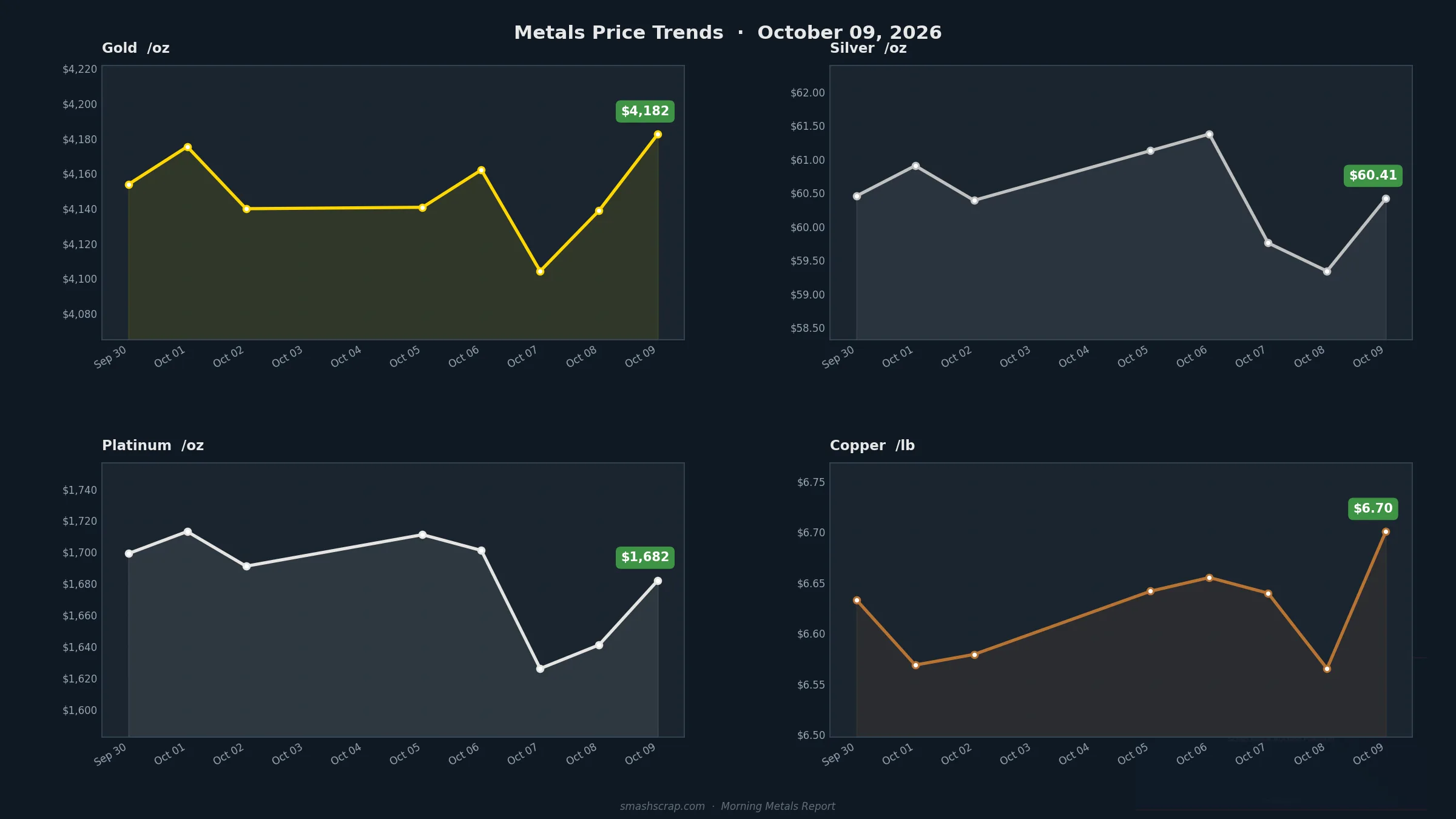
For those doing scrap metal recycling in Kelowna and surrounding areas of the Okanagan, this shift matters more than ever. With metal prices continuing to fluctuate in 2026 — copper hovering around multi-year highs, and precious metals like platinum, palladium, and rhodium seeing renewed demand from industrial buyers — getting the best possible return on your scrap isn't just nice to have. It's the difference between a profitable operation and one that's leaving significant revenue behind.
How the Traditional Broker Model Works — and Where It Falls Short
A broker's job is to connect buyers and sellers. In theory, that sounds useful. In practice, a broker controls the flow of information. They know what buyers are willing to pay. You often don't. That asymmetry is where sellers lose out.
Here's how the typical broker transaction plays out for a Canadian scrap seller:
- You contact a broker with your available material — whether that's shredded steel, copper wire, or a batch of catalytic converters.
- The broker contacts their network of buyers privately and collects offers.
- The broker presents you with a single number — usually after marking up the spread between buyer and seller.
- You accept or walk away, with no visibility into what buyers actually offered.
The problem isn't that brokers are dishonest. Many operate with integrity. The problem is structural: a single-offer model doesn't incentivize competition. Without competition, prices trend toward the floor, not the ceiling. For high-value materials like catalytic converters — which contain platinum, palladium, and rhodium and can fetch prices ranging widely depending on vehicle make, model, and current precious metal spot rates — leaving price discovery to a broker without market transparency is a real financial risk.
What a Scrap Metal Auction Platform Actually Delivers
An auction flips the model entirely. Instead of one buyer making a quiet offer, multiple qualified buyers compete openly for your material. That competition is the mechanism that drives prices toward fair market value — or above it, when demand is strong.
On the SMASH scrap metal auction marketplace, sellers list their material and let verified B2B buyers bid against each other in real time. The result is price transparency that a broker relationship simply cannot replicate. For a scrap yard in Kelowna handling regular volumes of catalytic converters, copper scrap, or end-of-life vehicles, that transparency compounds over time into significantly better returns.
Key advantages of using a scrap metal auction platform include:
- Competitive pricing: Multiple buyers bidding means the market sets the price, not a single gatekeeper.
- Price transparency: You see exactly where your material lands and why — no guesswork about what buyers paid.
- Faster transactions: Auctions have defined timelines. You know when the sale closes, when funds settle, and when to arrange pickup or shipment.
- Market intelligence: Repeated use of an auction platform gives sellers real data on how their material grades perform relative to the broader Canadian scrap metal market.
- Access to a wider buyer pool: Instead of a broker's personal network, you access a qualified national marketplace of industrial buyers.
For sellers asking how much is a catalytic converter recycled worth right now — the honest answer is that it depends heavily on the assay results and current platinum, palladium, and rhodium prices. But an auction ensures you're getting a price that reflects those live market conditions, not a broker's margin calculation.
Scrap Car Recycling in Kelowna: The Auction Advantage in a High-Volume Market
Scrap car recycling in Kelowna is a growing segment, particularly as older vehicles age out of service and end-of-life vehicle (ELV) regulations continue to tighten across British Columbia in 2026. Recyclers and dismantlers handling large volumes of ELV material — steel bodies, aluminum wheels, copper wiring harnesses, and catalytic converters — face a real challenge: moving diverse material streams efficiently at the best possible price.
A broker relationship for mixed ELV material often means either bundling everything at a blended rate (favouring the buyer) or negotiating material by material over multiple calls and emails. An auction platform lets sellers list individual lots cleanly, attracting specialists who pay premium prices for the specific materials they need most.
Organizations like the Automotive Recyclers of Canada (ARC) and the Ontario Automotive Recyclers Association (OARA) have long emphasized best practices around vehicle depollution, proper documentation, and ethical trading. These standards matter in an auction environment too — buyers on a reputable B2B platform expect material to be accurately described, compliant with provincial regulations, and ready to trade. Sellers who operate to ARC and OARA standards are well-positioned to build strong reputations on platforms like SMASH Recycling's auction platform and command consistently stronger prices.
Understanding Canadian Scrap Metal Prices in 2026
One of the most common frustrations for Canadian sellers — whether they're operating in Kelowna, Vancouver, or anywhere else in the country — is not knowing whether the price they're getting reflects the actual market. Scrap metal prices today are driven by global commodity markets, currency movements, and domestic demand from Canadian processors and manufacturers. That's a lot of moving parts for any individual seller to track independently.
In 2026, several factors are directly shaping metal scrap prices in Canada:
- Copper scrap prices remain elevated, driven by ongoing demand from electrification infrastructure, EV manufacturing, and grid expansion projects across North America.
- Platinum, palladium, and rhodium prices continue to influence catalytic converter recycling values significantly — and these prices can shift week to week based on mining supply and industrial demand.
- Steel and ferrous scrap pricing reflects both domestic Canadian steel production levels and export demand, particularly from overseas markets.
- Aluminum scrap is seeing strong demand from lightweight vehicle manufacturing and packaging industries.
A broker may or may not pass along improvements in market conditions to sellers. An auction market does — because buyers must outbid each other to win, meaning price increases translate directly into better returns for the seller. Join Canada's B2B scrap marketplace on SMASH Recycling and watch how competitive bidding responds to live market conditions in real time.
Disclaimer: Scrap metal prices fluctuate constantly based on market conditions. Always check current rates before making selling decisions.
Trust, Accountability, and the Future of B2B Scrap Trading in Canada
Beyond price, there's another dimension where auctions outperform the traditional broker model: accountability. On a reputable B2B scrap metal marketplace, both buyers and sellers build transaction histories, ratings, and reputations. That accountability layer changes behaviour in ways that benefit everyone in the market.
Buyers who consistently win lots and pay promptly build trust. Sellers who accurately describe material and deliver on time attract more competitive bids. Over time, this creates a healthier, more transparent ecosystem for the entire Canadian scrap industry — which is exactly what the market needs as volumes grow and regulatory oversight increases.
SMASH is built on this principle. Rather than replacing trust with bureaucracy, the platform rewards it. For recyclers and dismantlers doing business in Kelowna and across British Columbia, that means a marketplace where your reputation for quality and compliance is a genuine competitive advantage — not just a cost of doing business.
If you're ready to move beyond the single-offer broker model and start seeing what your material is actually worth in a competitive market, read the latest from SMASH Recycling to stay current on platform updates, market insights, and industry news.
The Canadian scrap industry is maturing. The sellers who adapt to transparent, competitive trading — whether they're handling catalytic converters, copper wire, or full loads of end-of-life vehicles — will be the ones building stronger, more profitable operations in 2026 and beyond. Register at smashrecycling.ca and put your material in front of Canada's most competitive B2B buyers.
Frequently Asked Questions
Q: Is a scrap metal auction platform better than using a broker for scrap metal recycling in Kelowna?
For most sellers, yes — an auction platform introduces competitive bidding, which drives prices toward true market value rather than a broker's negotiated margin. In Kelowna's active scrap metal market, access to a broader pool of qualified buyers means stronger returns, especially for high-value materials like catalytic converters and copper scrap.
Q: How much is a catalytic converter recycled for in Canada in 2026?
Catalytic converter values depend on the specific vehicle make and model, the precious metal content (platinum, palladium, and rhodium), and current spot prices for those metals. Values can range significantly — from under $100 for low-grade units to several hundred dollars or more for high-content converters. Always verify current precious metal prices before selling, and use a competitive auction platform to ensure you're getting market-rate offers.
Q: What types of scrap can I sell through a B2B scrap metal auction in Canada?
Most B2B scrap metal auction platforms, including SMASH, handle a wide range of material including ferrous and non-ferrous scrap, catalytic converters, copper wire and pipe, aluminum, stainless steel, and end-of-life vehicle components. Sellers should accurately describe material grade and condition to attract the strongest bids.
Q: How do Canadian scrap metal prices compare to broker offers?
Broker offers typically reflect market price minus the broker's spread or commission, which isn't always disclosed to sellers. Auction pricing reflects real competitive demand, meaning sellers often receive materially better prices — particularly for in-demand materials like copper scrap, catalytic converters, and aluminum during periods of strong industrial demand.
Q: Does scrap car recycling in Kelowna require specific provincial compliance steps?
Yes — end-of-life vehicles in British Columbia must be properly depolluted (fluids removed, hazardous materials handled per provincial standards) before processing. Organizations like the Automotive Recyclers of Canada (ARC) provide guidelines for compliant vehicle recycling practices. Operating to these standards not only keeps you on the right side of regulations but also strengthens your credibility with buyers on platforms like SMASH.
Stay ahead of the Canadian scrap metal market — follow SMASH on LinkedIn at linkedin.com/company/scrap-metal-auction-sales-hub for industry updates, pricing insights, and platform news.