Cat Recycling Brampton: PGM Markets & 2026 Pricing
Catalytic Converter Recycling in Canada: What's Actually Happening in 2026
Catalytic converter recycling Canada has changed fast. Theft rings, volatile PGM prices, and tighter provincial regulations have reshaped how yards handle cats — and how buyers value them. If you're still calling one buyer and taking whatever number they quote, you're leaving real money on the table.
This guide breaks down the current state of scrap metal recycling in Canada, with a sharp focus on cats, automotive cores, and what recyclers in Brampton and across Ontario need to know heading into the second half of 2026.
The PGM Market in 2026: Platinum, Palladium, and Rhodium
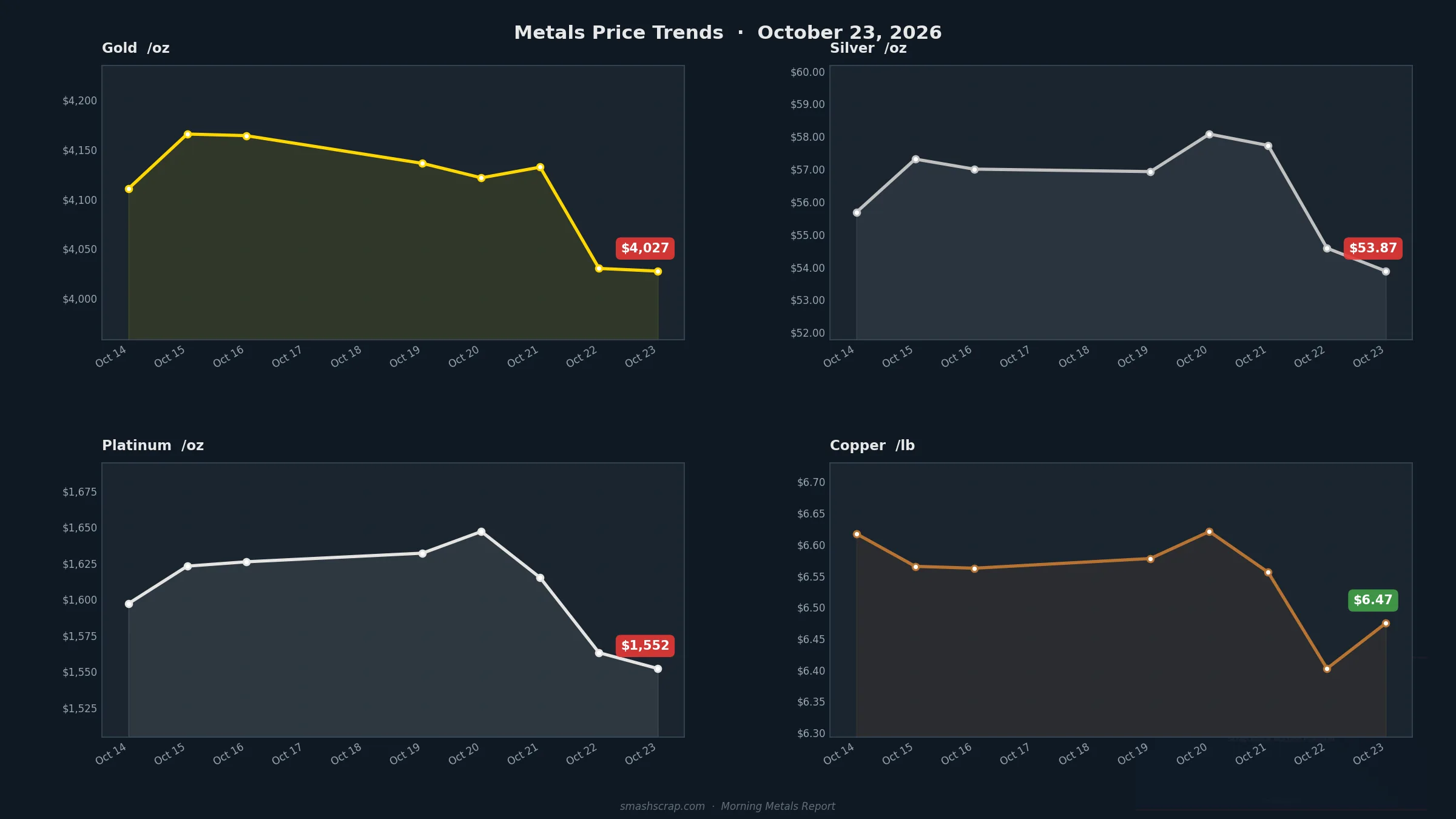
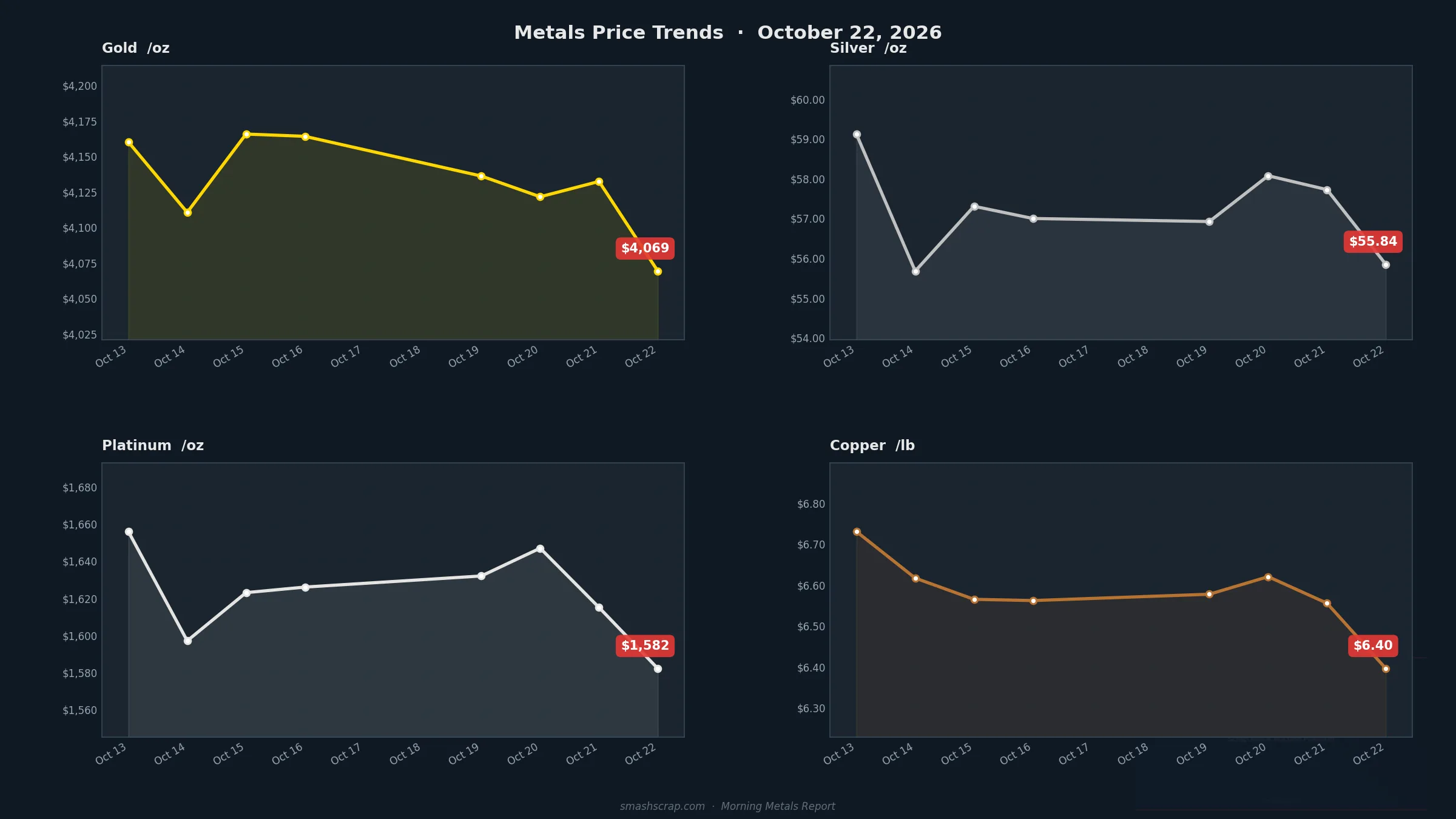
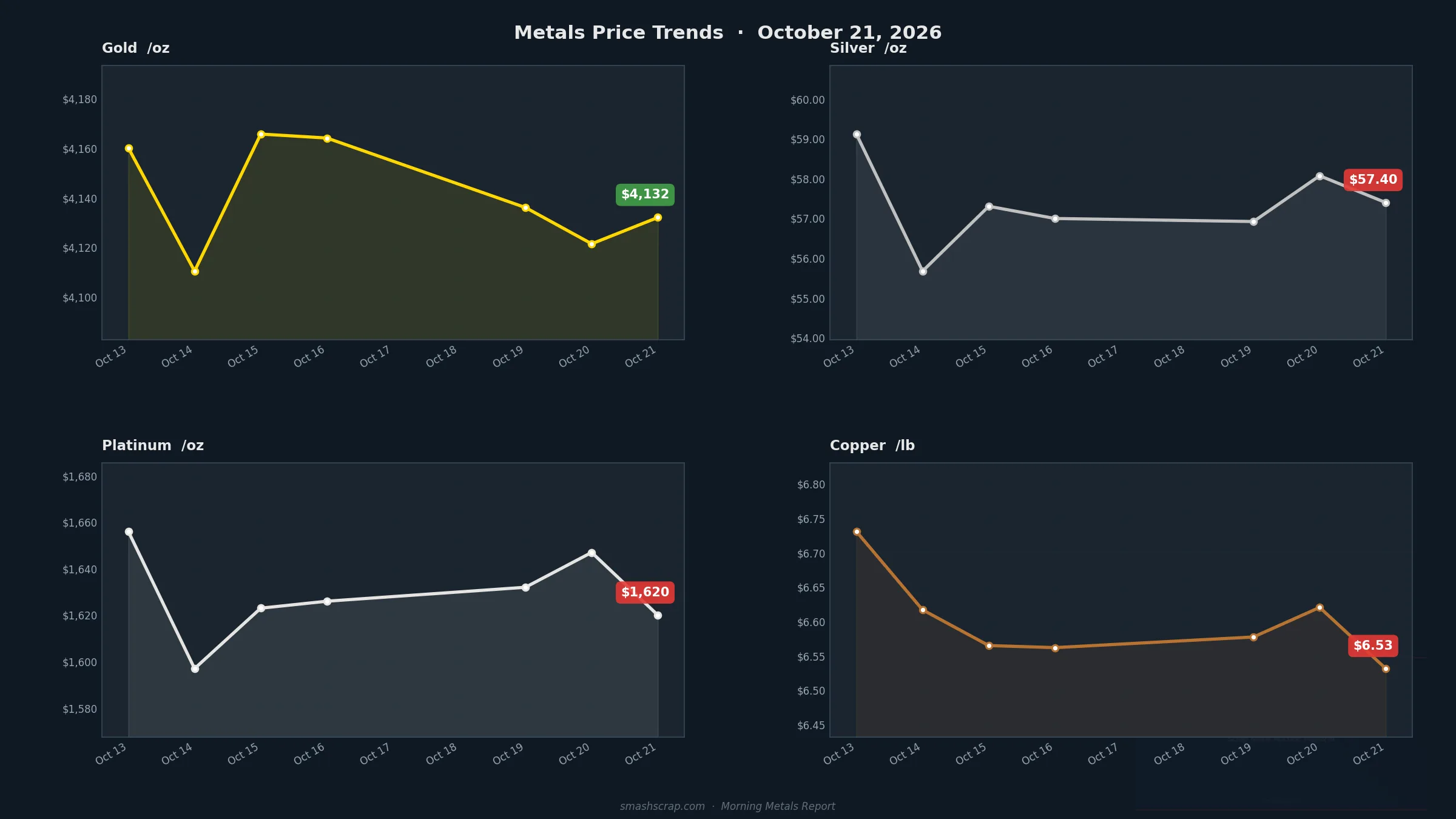
Three metals drive catalytic converter value: platinum, palladium, and rhodium. These platinum group metals (PGMs) are embedded in the catalyst substrate and recovered through smelting. Their market prices fluctuate constantly based on mining output, automotive demand, and global commodity flows.
In 2026, the PGM market continues to reflect pressure from the accelerating EV transition. Palladium demand from gasoline-engine catalysts has softened compared to its peak years, while platinum is seeing renewed interest tied to hydrogen fuel cell development. Rhodium remains the wild card — historically the most volatile of the three, with spreads that can shift a converter's value dramatically week to week.
What this means for recyclers:
- Cat values are not static. A quote from last Tuesday may not be accurate today.
- The spread between a low offer and a market-rate offer on a single load can be significant.
- Documented inventory — serial numbers, photos, VIN linkage — gives buyers more confidence and helps you command stronger prices.
If you want to compare scrap metal bids from verified buyers, you need a platform built for competition — not a single contact in your phone.
Why Automotive Recyclers in Brampton Are Rethinking How They Sell Cats
Brampton sits at the centre of one of Canada's most active automotive recycling corridors. The Greater Toronto Area generates an enormous volume of end-of-life vehicles every year, and the yards that process them — many clustered in and around Brampton and the surrounding Ontario industrial belt — handle thousands of catalytic converters annually.
For years, the process was the same: strip the cats, call your buyer, load the drums, ship. One relationship, one price, no visibility into whether you were getting market value. That model made sense when PGM prices were stable and buyers were few. Neither of those things is true anymore.
Automotive recyclers in Brampton are now dealing with:
- Increased regulatory scrutiny on cat documentation — Ontario yards are expected to maintain clear chain of custody records.
- More buyer options, including international processors, which creates pricing complexity most yard operators aren't equipped to navigate alone.
- Stolen converter claims, which have pushed OARA-member yards to tighten intake documentation and photo verification.
The Ontario Automotive Recyclers Association (OARA) and the Automotive Recyclers of Canada (ARC) have both emphasized documentation and ethical sourcing as pillars of responsible recycling practice. Platforms that support serial tracking, photo documentation, and vetted buyer networks align directly with where the industry is heading.
The Old Way to Sell Catalytic Converters — And Why It Fails
Most yards still sell cats the same way they did a decade ago. One buyer. One call. One price. No competition, no data, no leverage.
Here's the problem: catalytic converter prices today are not a fixed number. They're a function of PGM spot prices, converter grade, substrate condition, assay results, and buyer margin. When you sell to a single buyer with no competitive pressure, that buyer's margin comes directly out of your return.
The old way also lacks documentation discipline. Loads shipped without proper packing lists, photos, and serial records create disputes at assay. If the buyer says the load came in light or graded lower than expected, you have no data to push back with. You take the deduction. Every time.
This is why more Canadian recyclers are moving toward platforms that create structured competition and enforce documentation standards. When you sell catalytic converters online through an auction format, the market sets the price — not a single buyer's margin expectation.
How SMASH Changes the Equation for Canadian Scrap Sellers
SMASH was built around one idea: more buyers, better price discovery. That's it. No fluff. The platform connects Canadian yards — including automotive recyclers in Brampton and across Ontario — with a vetted network of buyers who bid competitively on your inventory.
Here's how the process works on SMASH:
- Build your inventory. Use the SMASH inventory tool to log your cats, cores, and non-ferrous material. Attach photos. Use the VIN lookup and serial tracking features to document each unit properly.
- List your load. Set your auction parameters. Your listing goes to vetted buyers who are actively looking for material.
- Let the buyers compete. Competition can help reveal the market. More buyers means better price discovery.
- Close the deal with documentation. Auto-invoicing and BOL/packing list generation mean your paperwork is clean before the truck rolls.
No subscription fees. SMASH only wins when the seller wins. That alignment matters.
If you're a yard operator tired of guessing whether your cat price is fair, join Canada's B2B scrap marketplace on SMASH Recycling and find out what your loads are actually worth in a competitive market.
Metal Recycling Prices in Ontario: What Drives the Numbers
Beyond cats, Ontario yards are navigating a broader scrap metal pricing environment shaped by global commodity demand, Canadian dollar fluctuations, and domestic processing capacity. Metal recycling prices in Ontario for non-ferrous materials like copper, aluminum, and stainless are tied directly to LME spot prices — but the spread between LME and what a local buyer offers you reflects their margin, logistics costs, and how badly they need the material.
Copper scrap prices in 2026 remain strong relative to historical averages, driven by infrastructure electrification and continued grid expansion. That's good news for yards processing wire, radiators, and electrical components. But capturing that value requires buyers who are actively competing for your material — not a single contact who knows you'll call them regardless.
Key factors that affect the price you receive on any scrap load:
- Material grade and prep — clean copper vs. mixed or contaminated grades carry very different values.
- Load size and consistency — larger, well-documented loads attract more buyer interest.
- Timing — listing during active buying periods increases competitive pressure.
- Documentation quality — documented inventory gives buyers more confidence, which reduces their pricing risk and can translate to better offers.
For yards looking to read the latest from SMASH Recycling on pricing trends and market conditions, the SMASH blog covers Canadian scrap market dynamics regularly.
Disclaimer: Scrap metal prices fluctuate based on global commodity markets, currency exchange rates, and local supply and demand. Always check current rates before making selling decisions.
What Good Cat Documentation Actually Looks Like
If you're selling catalytic converters in Canada — especially in Ontario where regulatory expectations are rising — documentation isn't optional. It's what separates a clean transaction from a dispute.
A properly documented cat lot should include:
- Serial numbers for each converter where present and legible
- Photos showing condition, substrate integrity, and any visible damage
- VIN linkage where the converter was removed from a specific vehicle being processed
- Packing list with accurate unit counts and weights
- Chain of custody records showing intake source and date
OARA and ARC both point to chain of custody documentation as a critical best practice, particularly given the ongoing issue of converter theft across Canada. Yards that can demonstrate clean sourcing are better positioned to work with reputable buyers — and to defend their inventory if questions arise.
SMASH's platform supports serial tracking and photo documentation at the inventory level, so this work happens before you list, not after a dispute starts. Explore SMASH Recycling's auction platform to see how the documentation workflow integrates with your listing process.
Frequently Asked Questions
Q: What affects catalytic converter recycling prices in Canada in 2026?
Catalytic converter value is driven primarily by the platinum group metals (PGMs) inside — platinum, palladium, and rhodium. Their spot prices fluctuate daily based on global commodity markets. Converter grade, substrate condition, load size, and documentation quality all influence what buyers will pay. Selling through a competitive auction format, rather than to a single buyer, gives you better visibility into actual market value.
Q: Is it legal to sell catalytic converters online in Canada?
Yes, selling catalytic converters is legal in Canada, including in Ontario, provided the material is properly sourced and documented. Yards should maintain chain of custody records, serial numbers where applicable, and intake documentation. OARA-member yards in Ontario are expected to follow ethical sourcing guidelines. Always ensure your inventory meets provincial requirements before listing.
Q: How do I find vetted catalytic converter buyers in Brampton or Ontario?
SMASH connects Canadian yards with a network of vetted buyers who bid competitively on listed inventory. Rather than relying on a single local contact, the auction format brings multiple buyers to your load. This is especially useful for Brampton and GTA-area yards processing high volumes of automotive material.
Q: What is the B2B scrap metal marketplace and how does it work?
A B2B scrap metal marketplace connects yards and industrial sellers directly with buyers through a structured platform. SMASH operates an auction-based model where sellers document and list their inventory, buyers compete with bids, and transactions close with auto-generated invoicing and documentation. No subscription fees — the platform earns only when a deal closes.
Q: Do I need to be a large yard to use SMASH for catalytic converter recycling in Canada?
No. SMASH works for yards of various sizes. Whether you're processing a few hundred cats a month or managing large multi-material loads, the platform's inventory tools and auction format are built to scale with your operation. The key is having documented, clean inventory ready to list.
The scrap metal recycling landscape in Canada is more competitive and more regulated than it was even two years ago. Yards that adapt — documenting properly, selling competitively, and using platforms built for this industry — will come out ahead. If you're ready to stop guessing and start competing, join Canada's B2B scrap marketplace on SMASH Recycling and put your next load in front of buyers who actually compete for it.
Stay current on Canadian scrap market trends, PGM pricing movement, and platform updates by following SMASH on LinkedIn.