Catalytic Converter Recycling Scarborough: Payment Protectio
Most scrap deals don't fall apart on price. They fall apart on payment. If you've been doing catalytic converter recycling in Canada for any length of time, you've felt the friction — a buyer who goes quiet after pickup, net-30 terms that stretch to net-60, or worse, a load of cats that ships before the funds are confirmed. The old way of doing B2B scrap transactions runs on trust and phone calls. That works fine until it doesn't.
This week's market recap takes a different angle. Instead of just talking about where platinum, palladium, and rhodium prices are sitting right now, we're digging into the deal structure underneath every transaction — because in August 2026, payment terms and escrow protection are becoming the conversation across recycling yards from Scarborough to Vancouver.
---Why Payment Terms Are Breaking B2B Scrap Deals in 2026
The precious metals market has been volatile. Palladium and rhodium have been swinging hard enough that a deal agreed to on Monday looks different by Friday. When a buyer locks in a price on a load of cats and then sits on payment while the market moves in their favour, that's not a relationship — that's a hedge at your expense.
Sellers in Ontario are increasingly aware of this dynamic. Recycling yards in Scarborough and across the GTA are tightening their transaction requirements, asking harder questions about buyer credibility, and looking for platforms that build payment protection directly into the deal flow. The informal handshake deal still exists, but it carries real risk when you're moving volume on precious metal-bearing material.
- Net-30 and net-60 terms leave sellers exposed to price movement and buyer default.
- Wire on pickup is cleaner but requires pre-established trust and verification.
- Escrow structures hold funds before the load ships, protecting both sides.
- Auction-based platforms like SMASH Recycling's auction platform move payment terms out of the grey zone and into the deal structure itself.
The problem isn't that buyers are dishonest. Most aren't. The problem is that informal terms create informal accountability — and in a market where a single load of catalytic converters can represent serious dollars, informal accountability is a liability.
---Catalytic Converter Prices Today: The PGM Backdrop That Makes Terms Matter
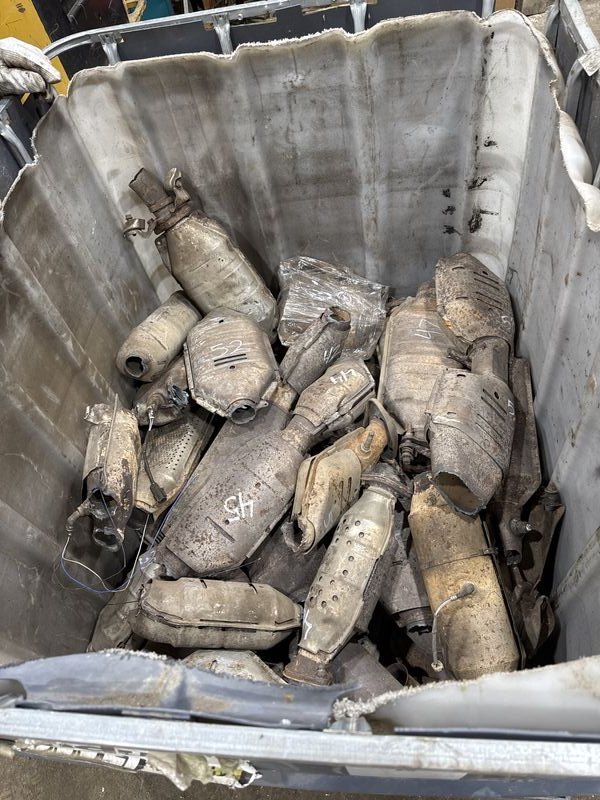
Let's put this in market context. Catalytic converter values are driven almost entirely by the platinum group metals inside them — platinum, palladium, and rhodium. As of late August 2026, PGM markets remain sensitive to global automotive production shifts, EV adoption curves, and ongoing supply pressure from South African and Russian mining output. Prices are not static. They move week to week, sometimes day to day.
That volatility is exactly why payment terms are critical in catalytic converter recycling Canada transactions. When you agree on a per-unit price for a pallet of cats on a Tuesday and don't get paid until two weeks later, you've essentially extended the buyer credit — and absorbed all the market risk in between. For yards processing high volumes, that exposure compounds fast.
A few reference points worth tracking right now:
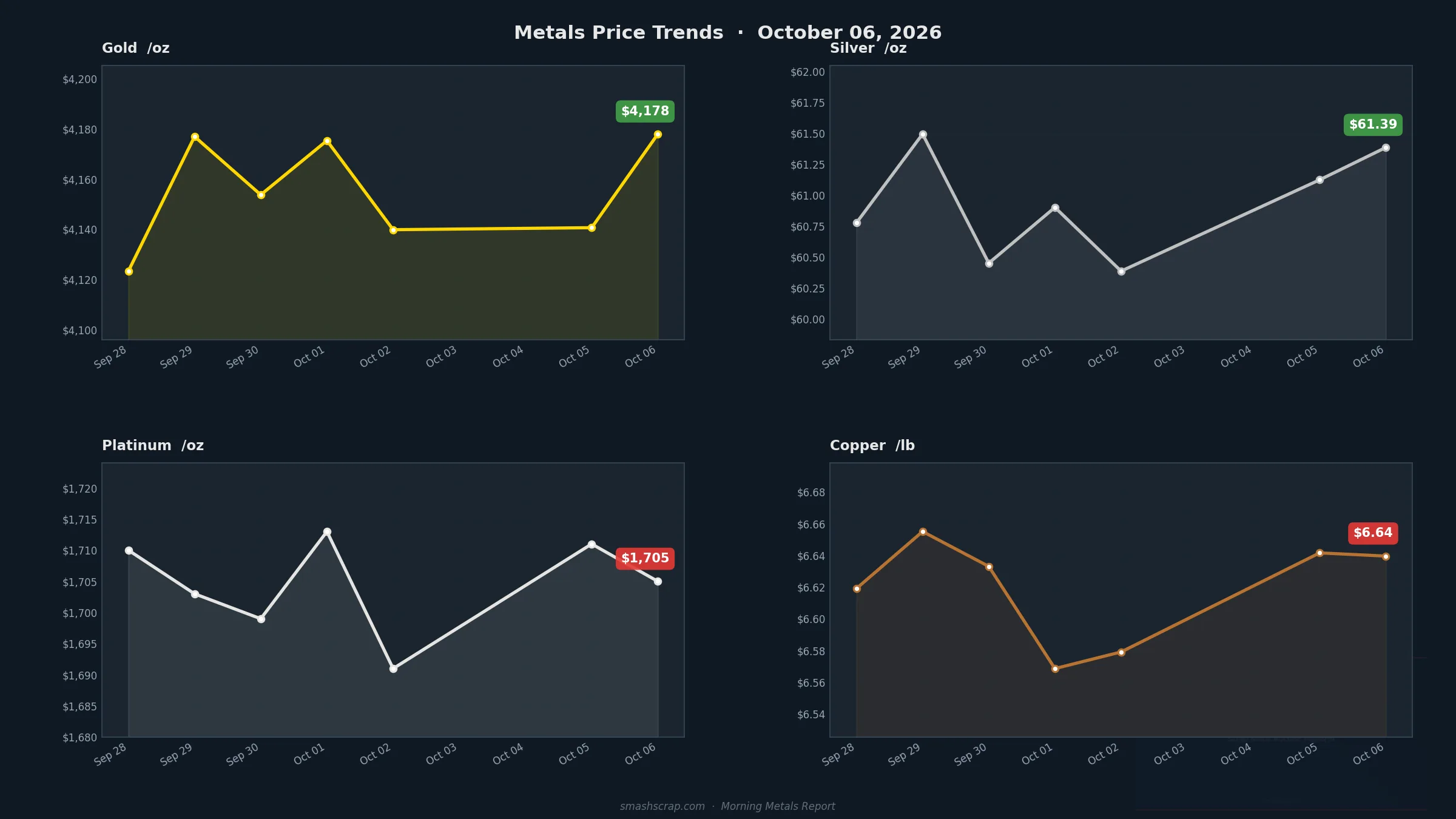
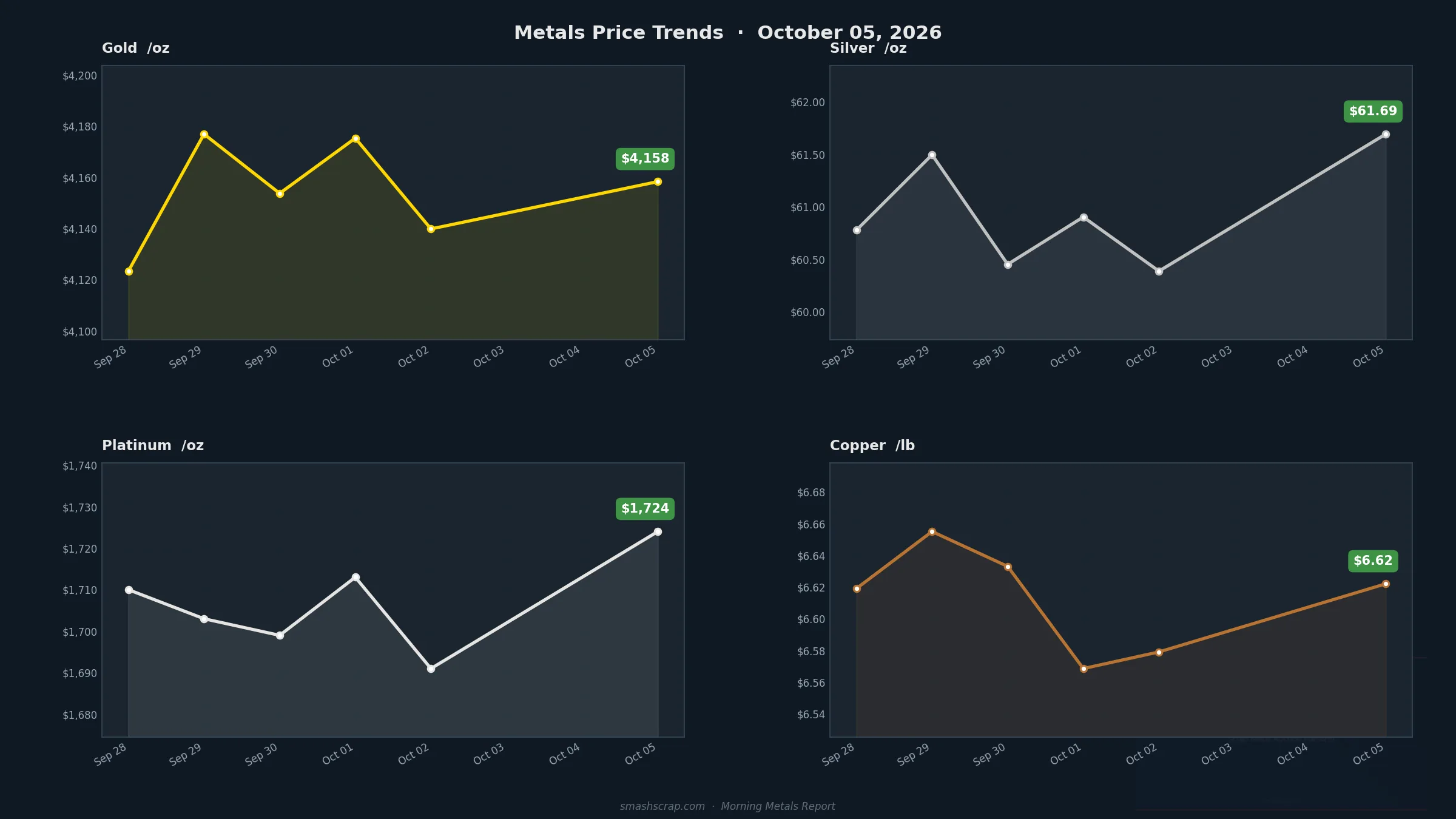
- Platinum: Prices have remained in a mid-range band in 2026, supported by industrial and hydrogen economy demand, but not back to historical highs. Check live rates before committing to any load price.
- Palladium: The palladium story is complicated by ongoing EV penetration reducing gasoline engine production. Demand from internal combustion converters has softened. Price risk is real.
- Rhodium: Rhodium remains the most volatile of the three. Small supply disruptions or demand spikes can create dramatic price movement. Locking in a price without locked-in payment terms is a gamble.
Disclaimer: Metal prices fluctuate daily. Never rely on general market commentary for pricing decisions — always verify current rates with your buyer or platform before finalizing any transaction.
For yards in Scarborough and across Ontario looking to sell catalytic converters online, the platform you choose determines how well your price discovery and payment security actually align. You want both happening in the same transaction, not separated by days and phone calls.
---How Escrow Works in a B2B Scrap Metal Marketplace
Escrow isn't a new concept, but its application to scrap metal transactions is still catching up to where the industry actually is. In a properly structured escrow arrangement for a scrap deal, the buyer deposits funds — or demonstrates verified payment capacity — before the load leaves the yard. The seller ships with confidence. The funds release on confirmed delivery and inspection.
That's the clean version. In practice, B2B scrap escrow can look different depending on the platform and the load type. Here's what to look for:
- Pre-verified buyer status: The buyer should be vetted before they're allowed to bid. Not self-reported — actually verified. This is where platforms matter. North America's B2B scrap metal auction platform has built buyer vetting into the foundation, not as an afterthought.
- Clear invoice and documentation trail: BOLs, packing lists, photo documentation, and serial tracking all matter. If there's a dispute, you need a paper trail that holds up.
- Defined payment trigger: What event releases the funds? Pickup confirmation? Delivery confirmation? Third-party assay results? For cats, assay-based settlement is common, but the timing and methodology need to be agreed before the load ships.
- Auto-invoicing: Platforms that generate invoices automatically reduce the back-and-forth and create a timestamped record of what was agreed and when.
The Automotive Recyclers of Canada (ARC) and the Ontario Automotive Recyclers Association (OARA) have both been consistent voices for professional standards in automotive recycling transactions. While their focus is broader than payment terms specifically, the frameworks they advocate for — documentation, accountability, professional buyer-seller relationships — align directly with what good escrow and payment structure looks like in practice. If you're not familiar with their resources, they're worth a look for any yard operating in the Ontario market.
---Scrap Metal Prices Today: What the Broader Market Is Telling Us This Week
Beyond cats, the broader metal recycling prices Ontario picture in late August 2026 is worth a quick scan. Summer typically softens scrap volumes as some yards run reduced hours, but buyer demand doesn't disappear — it concentrates. That compression can actually work in a seller's favour if you're on a platform that creates competition rather than relying on one buyer's offer.
A few metals to watch this week:
- Copper scrap prices: Copper has held relatively firm through mid-2026, supported by electrification infrastructure spending across North America. Clean copper wire and #1 copper continue to attract competitive bids. If you're moving copper loads, now is a reasonable time to test the auction market rather than defaulting to your regular buyer's posted price.
- Scrap iron and ferrous: If you've been searching for scrap iron recycling near me, you already know the ferrous market is thinner on margin but high on volume. Steel mill demand and export conditions are the primary drivers. Ontario yards are watching U.S. domestic steel prices and their downstream effect on regional scrap demand.
- Non-ferrous broadly: Aluminum, brass, and stainless are all moving. Seasonal construction slowdowns in Q3 can soften aluminum pricing, but industrial demand remains a floor.
The consistent theme across all of these metals: competition reveals price. One buyer telling you what your load is worth is not the same as five vetted buyers bidding on it. That gap — between a single quote and competitive price discovery — is exactly what Canada's B2B scrap marketplace on SMASH Recycling is built to close.
---What Automotive Recyclers in Scarborough Should Be Asking Their Buyers Right Now
If you're running a yard in Scarborough or anywhere in the GTA, you're operating in one of the most active automotive recycling markets in Canada. The volume of end-of-life vehicles, the density of buyers, and the proximity to major U.S. border crossings all create real opportunity — but they also create real risk if your transaction structure isn't solid.
Here are five questions worth asking any buyer before you commit a load:
- What are your exact payment terms — and will you put them in writing before pickup? Net-30 verbal agreements are not payment terms. They're intentions.
- Are you a registered, vetted buyer on a recognized platform, or are you operating independently? Verified buyers carry accountability. Anonymous buyers don't.
- What's your assay process for cats, and how are disputes handled? If you're selling on precious metal content, the assay methodology matters as much as the spot price.
- Can you provide references from Ontario or Canadian yards you've transacted with in the last 12 months? Real buyers have real track records.
- Do you use a documented invoice and BOL process, or do you operate informally? Documentation protects both parties.
These aren't adversarial questions. They're professional ones. Any serious catalytic converter buyer in Canada will answer them without hesitation. The ones who can't — or won't — are telling you something important.
Platforms like SMASH have already asked these questions on your behalf. Vetted buyers, auction format, photo documentation, auto-invoicing — the deal infrastructure is built in so you don't have to negotiate it from scratch every time. Read the latest from SMASH Recycling for ongoing market updates and platform news.
---Frequently Asked Questions
Q: How does escrow protect me when I sell catalytic converters online in Canada?
Escrow holds the buyer's funds — or confirms their payment capacity — before your load ships. This eliminates the risk of shipping a high-value load of cats and waiting weeks for payment while the market moves. For catalytic converter recycling in Canada, where PGM values can shift significantly, escrow-backed transactions reduce your exposure on both the payment and price-risk side.
Q: What payment terms are standard in B2B catalytic converter transactions in Ontario?
There's no single standard, which is part of the problem. Some buyers offer wire on pickup, others propose net-15 or net-30 after assay. For precious metal-bearing material like cats, payment tied to verified assay results is common, but the timeline and methodology should be agreed in writing before the load leaves your yard. Platforms with built-in invoicing and documentation reduce the ambiguity significantly.
Q: Are there specific regulations for catalytic converter recycling in Ontario?
Ontario has specific requirements around the purchase and sale of used catalytic converters, including documentation of source and seller identification. The Ontario Automotive Recyclers Association (OARA) and Automotive Recyclers of Canada (ARC) are good starting points for understanding current provincial and national standards. Always confirm you're operating within current regulatory requirements before transacting.
Q: How do I find vetted catalytic converter buyers in Canada without cold calling?
B2B auction platforms like SMASH connect sellers with pre-vetted buyers across Canada and North America without the cold-call cycle. You list your inventory with documentation — photos, serial tracking, packing lists — and buyers compete. You don't have to guess whether the buyer is credible because the platform has already confirmed it.
Q: How do scrap metal auction platforms handle price disputes on catalytic converter loads?
Reputable platforms resolve disputes using documented inventory records — photos, BOLs, packing lists, and assay reports — established at the time of listing and transaction. This is why documentation at the point of listing matters so much. The cleaner your inventory record going in, the less room there is for dispute on the back end.
---The scrap industry runs on relationships, but relationships need structure to hold up under pressure. Payment terms and escrow aren't paperwork for its own sake — they're the difference between a deal that closes cleanly and one that becomes a collections problem. If you're moving catalytic converter loads in Canada and still relying on informal terms, 2026 is the year to change that. Join Canada's B2B scrap marketplace on SMASH Recycling and start transacting with the documentation and buyer vetting your loads deserve.
Stay current on scrap metal market movements and platform updates by following SMASH on LinkedIn — it's where the industry conversation is happening.