Small Metal Recyclers Saint John: Beat Big Yards
Running a small recycling yard in a place like Saint John doesn't mean you're automatically at a disadvantage. But it can feel that way when you're watching larger operations lock up buyer relationships, move volume you can't match, and command prices you're struggling to hit. The metal recycling near me Saint John search is happening every day — from industrial sellers, auto dismantlers, and cleanup crews who want to move material fast. The question isn't whether the demand exists. It's whether your operation is positioned to capture it.
Here's the honest truth: most small yards lose money not because of volume, but because of information gaps and limited buyer access. One buyer. One price. No competition. That's the real problem. And in 2026, there's no good reason to keep operating that way.
---The Playing Field Is More Uneven Than You Think
Large recycling operations have advantages that compound over time. They have dedicated buyers on speed dial. They have volume that gives them leverage. They have staff who track scrap metal prices today and adjust accordingly. Small yards — especially those outside major metros — often don't have any of that. They take what one buyer offers and move on.
In New Brunswick, where the recycling ecosystem is tighter and buyer pools are smaller, this problem is amplified. A yard in Saint John might be sitting on a pallet of copper wire, a load of catalytic converters, and a pile of mixed non-ferrous — and they're calling the same two numbers they've always called. If both buyers are slow or low this week, the yard eats the difference.
The gap between what a small operation earns and what a large operation earns on the same material isn't always about the material. It's about access. Large yards have more buyers competing for their loads. That competition drives prices up. Small yards don't. That lack of competition holds prices down. It's not complicated — but fixing it requires a different approach than most small operators have tried.
---What Competitive Bidding Actually Does for Small Yards
When multiple vetted buyers bid on your load, something simple happens: you find out what the market actually thinks your material is worth. Not what one buyer thinks. Not what one buyer wants to pay today. The actual market. That's called price discovery, and large operations benefit from it constantly through their buyer networks. Small yards rarely do.
This is exactly where a B2B scrap metal marketplace like SMASH changes the math. Instead of calling your two regular buyers and accepting whatever they quote, you list your load — whether it's a pallet of copper, a container of cats, or a mixed non-ferrous lot — and buyers across North America see it. Vetted buyers. Real buyers who move volume and pay. They bid. You pick the best offer.
The result isn't magic. It's just competition doing what competition does. More buyers means better price discovery. That's true whether you're running a 10-acre yard in Toronto or a modest Saint John scrap metal services operation with three employees and a forklift. The platform doesn't care about your size. It cares about your material.
Consider what this looks like in practice for a small yard handling catalytic converter loads:
- You accumulate 50 cats over three months — a mix of domestic and import units
- You photograph each unit, log the serial numbers using SMASH's serial tracking tool
- You upload the load with documentation and set your auction window
- Buyers who specialize in cats — and who track platinum price, palladium price, and rhodium price daily — bid on your documented load
- You review offers, accept the best one, and auto-invoicing handles the paperwork
That's a different experience than guessing the assay and hoping your one cat buyer is having a good day. Documentation gives buyers confidence. Confidence drives bids. Bids reveal market value. That cycle works for any yard willing to put in the documentation work upfront.
---Documentation Is the Great Equalizer in Auto Recycling Saint John
Here's something the big operations figured out years ago: documented inventory moves faster and commands better prices. When a buyer can see photos, weights, serial numbers, and a proper packing list, they don't have to guess. They bid with confidence. When they bid with confidence, they bid higher.
Small yards typically skip this step — not out of laziness, but because they never had a system that made it worth doing. Writing up a packing list by hand, emailing photos separately, and tracking BOLs in a spreadsheet is painful. Most small operators just don't bother. They describe the load over the phone and hope the buyer trusts them.
SMASH's inventory tool removes that friction. You build your load documentation inside the platform — photos, weights, VIN lookups for vehicles, serial tracking for cats and cores. By the time your load goes to auction, buyers have what they need to bid confidently. For auto recycling Saint John operators specifically, this is significant: a well-documented load of cores or cats from a small Maritime yard competes directly with a load from a large Ontario operation. The documentation levels the field.
Organizations like the Ontario Automotive Recyclers Association (OARA) and the Automotive Recyclers of Canada (ARC) have long promoted documentation standards and best practices in the industry. The logic is consistent: documented materials build buyer trust. Buyer trust builds market efficiency. Small yards that adopt that discipline punch above their weight class.
---Understanding Your Material: Copper, Cats, and Non-Ferrous Pricing
Small operators often leave money on the table because they don't fully understand the value breakdown of what they're holding. The copper recycling process, for example, produces very different returns depending on grade — bare bright, #1 copper, #2 copper, and insulated wire all trade at different values. Selling mixed copper as one undifferentiated lot is a guaranteed way to get paid on the lowest grade in the pile.
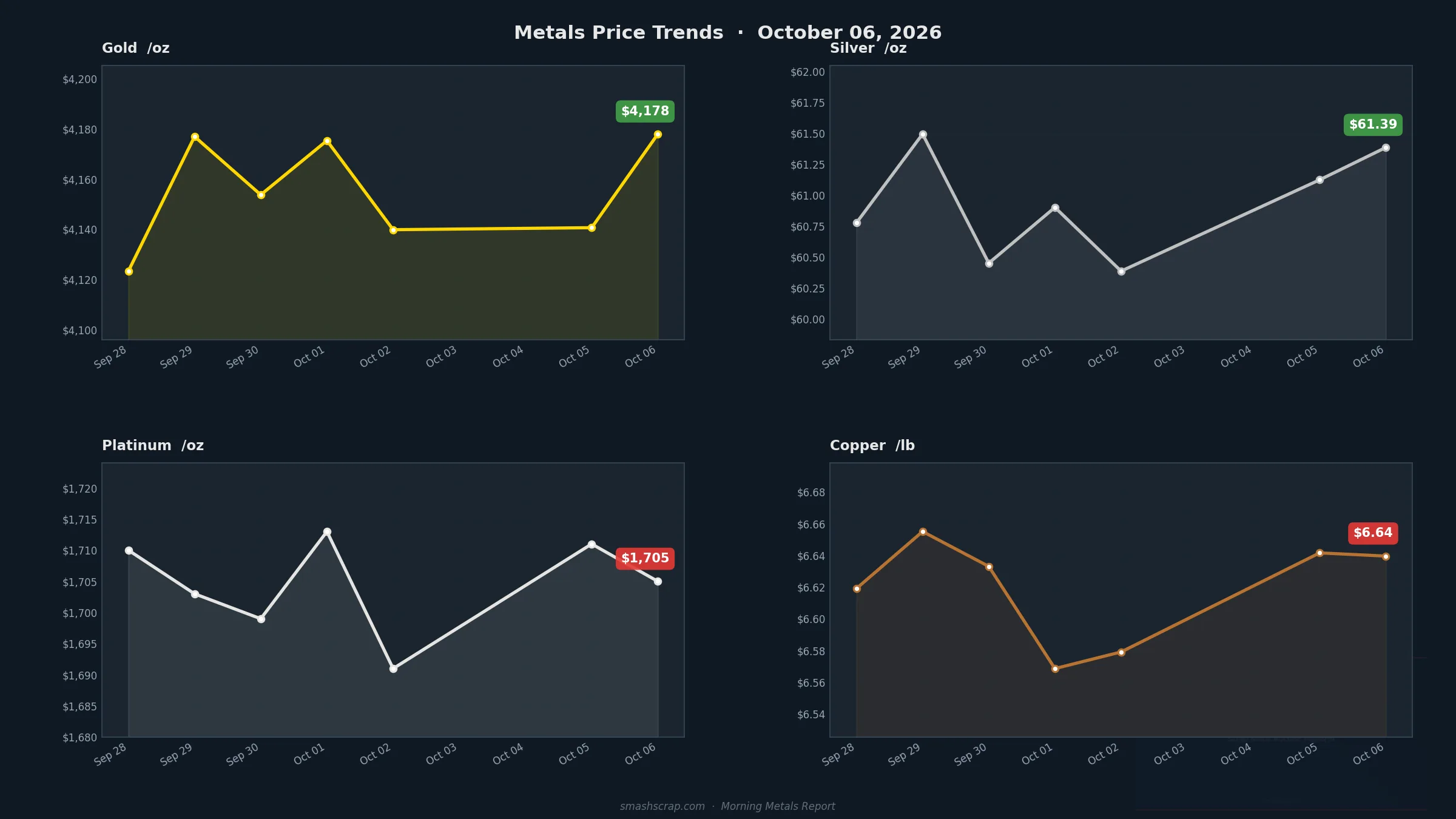
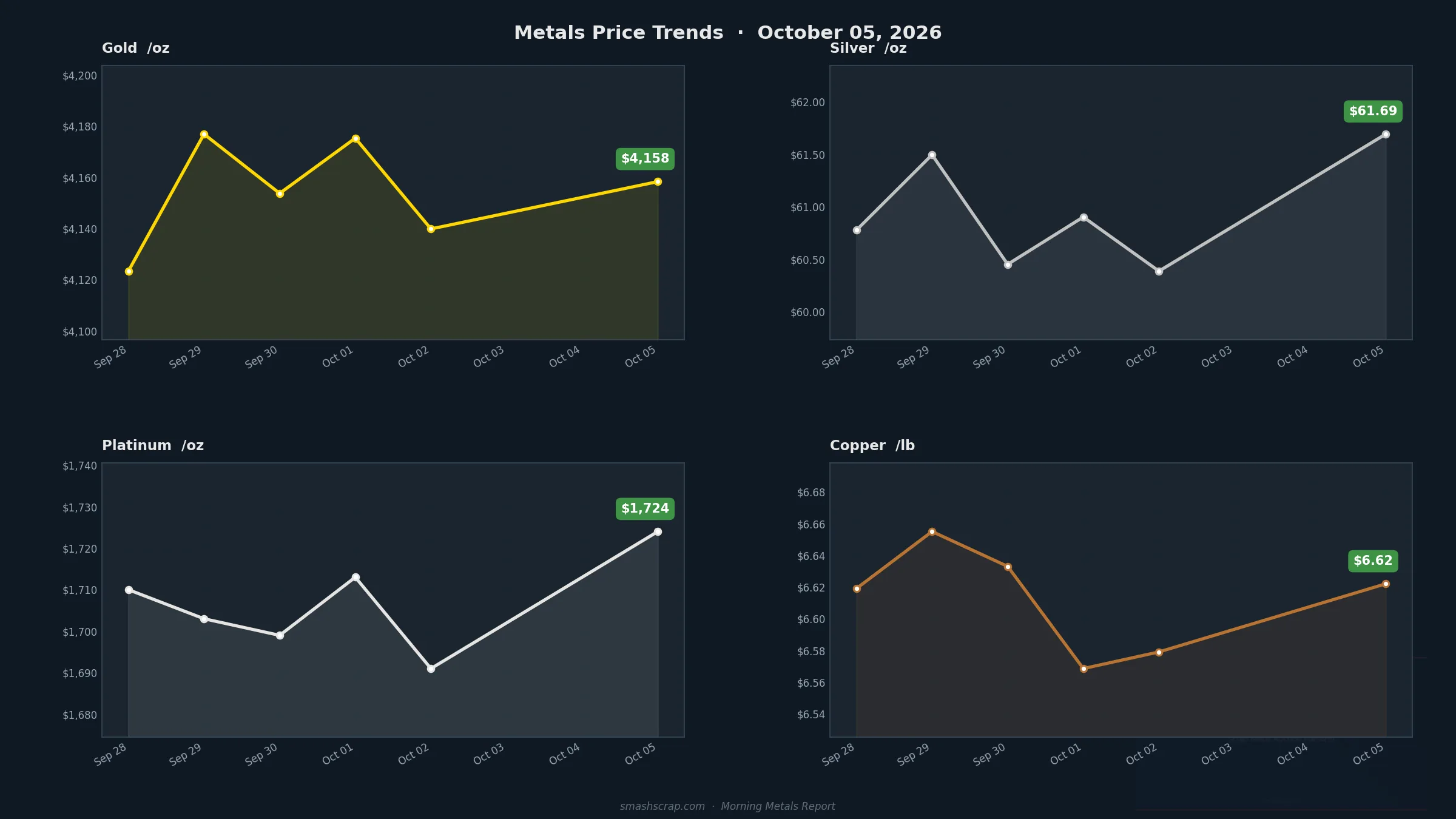
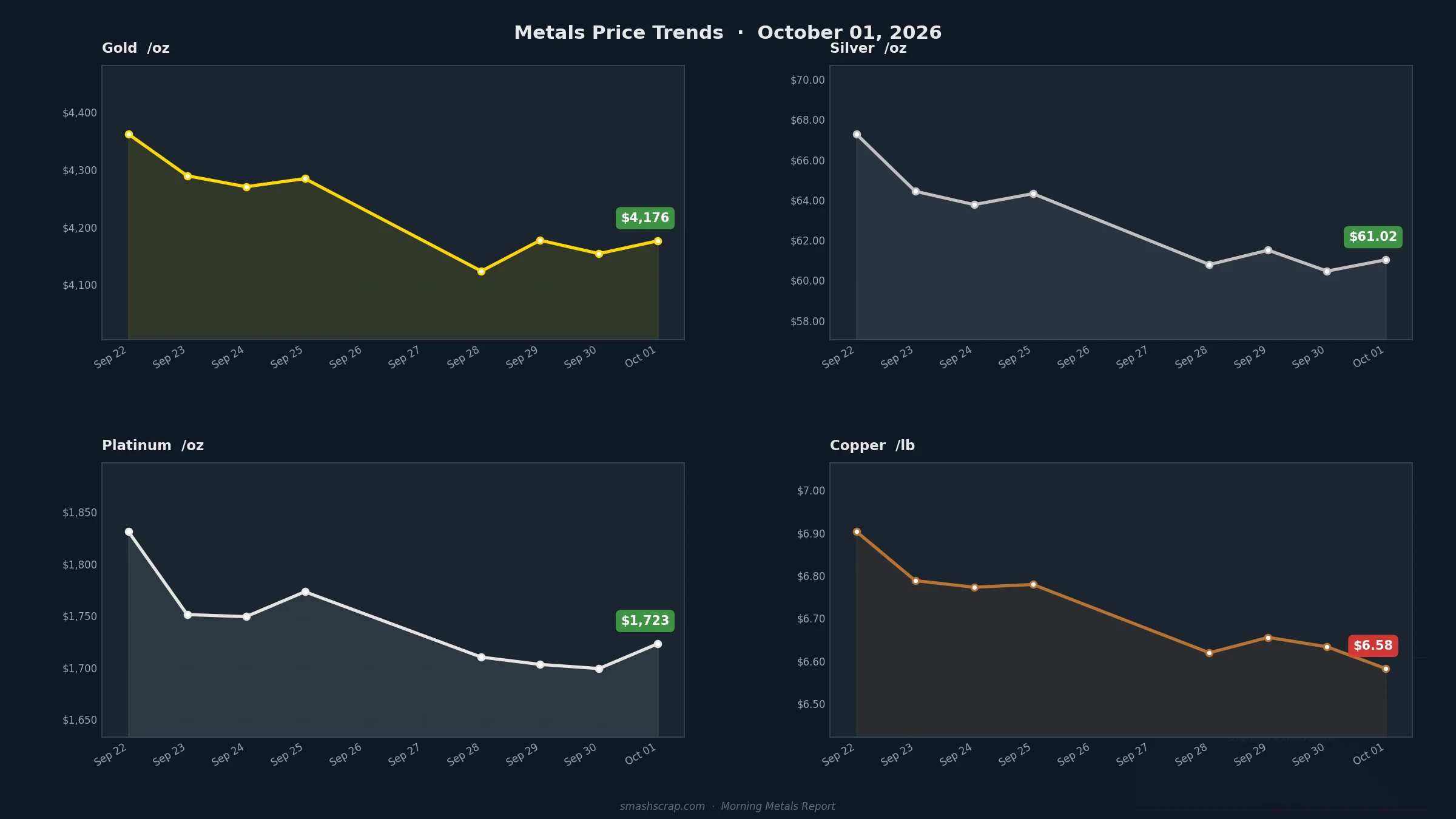
The same logic applies to catalytic converters. Catalytic converter prices today move based on platinum, palladium, and rhodium spot prices — metals that can swing significantly week to week. A load of cats sold without documentation or in a single-buyer transaction may be priced well below what assay and market competition would actually support. When you sell catalytic converters online through a platform where buyers specialize in this material and track PGM prices daily, the bids reflect real market knowledge — not one buyer's margin play.
For New Brunswick yards, understanding metal recycling prices New Brunswick also means understanding that freight and logistics affect what buyers will offer. Being transparent about your location, load weight, and packing details reduces friction and helps buyers factor in logistics accurately — which often results in better net offers than a vague phone description would generate.
Some practical material knowledge for small yard operators:
- Copper: Grade your loads before listing. Bare bright, #1, and #2 are not the same product. Buyers pay accordingly.
- Catalytic converters: Serial numbers matter. Documented cats with serials command better bids than unidentified units. PGM spot prices (platinum, palladium, rhodium) directly impact what buyers will offer on any given day.
- Cores and auto parts: VIN lookup helps buyers verify fitment and value. Use it.
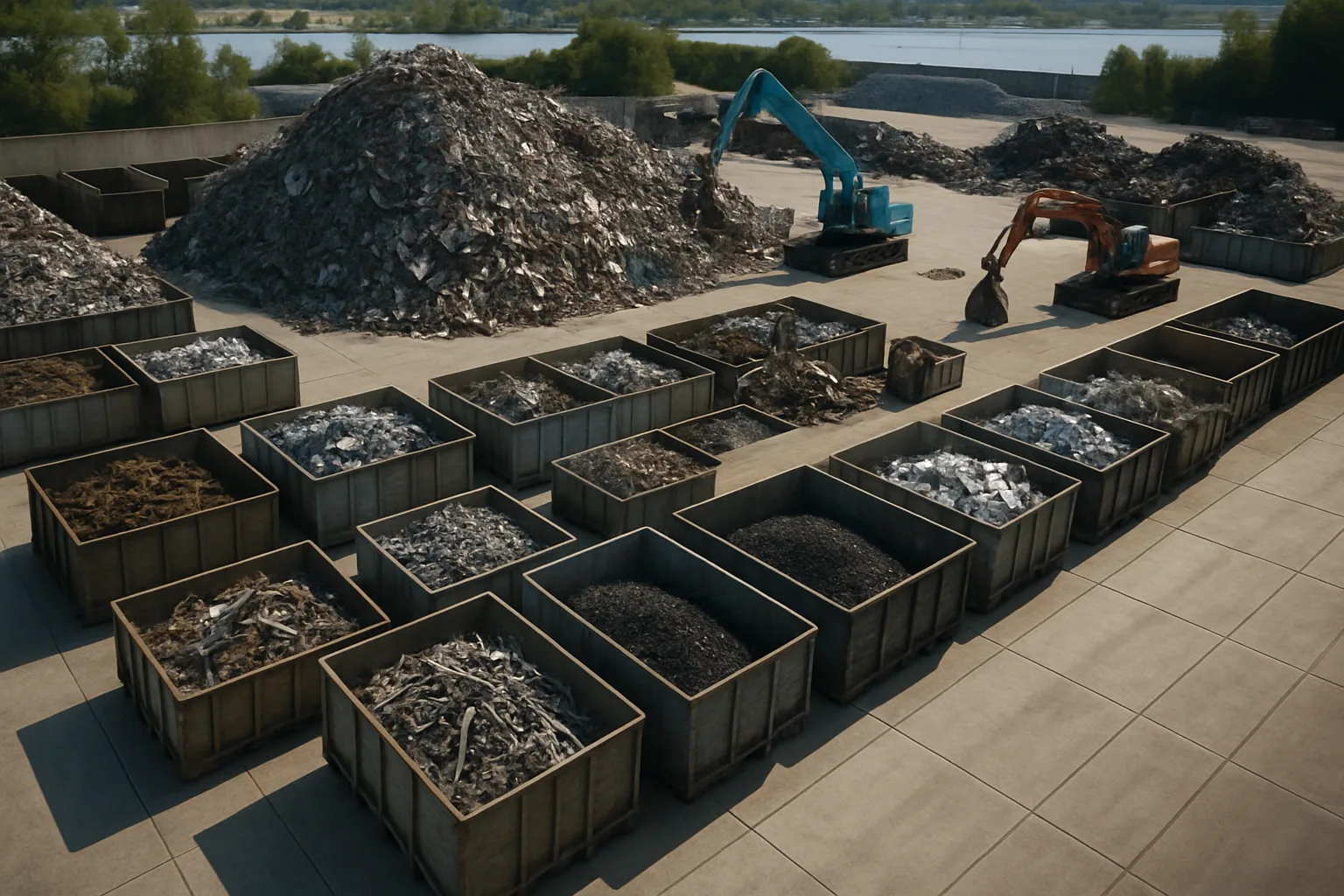
- Mixed non-ferrous: Separate where you can. Mixed loads get priced on the lowest-value component.
- Ferrous loads: Weight, cleanliness, and contamination level all affect bids. Document accurately.
Pricing fluctuates constantly. Always check current market rates before committing to a sale. Platforms like SMASH expose you to buyers who track these markets actively — that exposure itself is a form of market intelligence for your yard.
---No Subscription. No Upfront Risk. No Reason Not to Try.
One reason small yards hesitate to try new platforms is cost. Subscription fees on top of an already thin margin feel like a gamble. SMASH doesn't work that way. There are no subscription fees. The platform only wins when the seller wins. That's not a marketing line — it's the business model. If your load sells, SMASH earns. If it doesn't, you owe nothing.
That structure removes the main barrier for small operations. You're not paying to access buyers. You're not locked into a monthly commitment before you've seen a single bid. You list your load, buyers compete, and you evaluate the offers. If the best offer doesn't meet your floor, you don't have to take it. You stay in control.
For a small yard operator in Saint John trying to figure out whether a scrap metal recycling depot near me approach or a broader marketplace gives you better returns, the answer is: try both and let the data tell you. What you'll likely find is that competitive bids on documented loads — especially for higher-value non-ferrous material and cats — outperform the single-buyer phone call more often than not.
If you want to see what that looks like in practice, explore SMASH Recycling's auction platform and compare it to what you're doing today. The gap might surprise you. You can also read the latest from SMASH Recycling for ongoing market insights and platform updates relevant to Canadian yards.
---The Small Yard Advantage Nobody Talks About
Here's the contrarian take: small yards have an advantage that large operations struggle to replicate. Agility. A 500-tonne-per-month operation has logistics, staffing, and contracts that lock it into patterns. A small yard can pivot fast — shift focus to higher-value materials, tighten documentation practices, and adopt new tools without running the change through three layers of management.
The yards that are growing in 2026 aren't necessarily the ones with the most volume. They're the ones with the best information, the most buyers competing for their loads, and the discipline to document and present their material professionally. Those are learnable, adoptable practices — regardless of your size.
If you're running a small operation and you're ready to stop guessing what your material is worth, join Canada's B2B scrap marketplace on SMASH Recycling. List your first load, watch buyers compete, and find out what the market actually thinks your material is worth. That knowledge alone is worth the effort — and it costs you nothing to find out. SMASH is part of North America's B2B scrap metal auction platform, connecting vetted buyers and sellers from coast to coast. Register at smashrecycling.ca and put your yard on a level playing field.
---Frequently Asked Questions
Q: How can small recyclers find better prices for scrap metal near me in Saint John?
The most effective approach is expanding your buyer pool beyond your existing contacts. Using a B2B auction platform like SMASH puts your documented loads in front of vetted buyers across North America who compete for your material — which can reveal better market prices than a single local buyer quote. The more buyers see your load, the better your price discovery.
Q: What are the current metal recycling prices in New Brunswick?
Metal recycling prices in New Brunswick fluctuate based on global commodity markets, freight conditions, and buyer demand. Prices for copper, catalytic converters, and non-ferrous materials change regularly. Always check current market rates before committing to a sale, and use a competitive auction format to ensure you're seeing real market bids rather than a single buyer's estimate.
Q: Is it worth selling catalytic converters online instead of locally in Saint John?
For most small yards, yes. Catalytic converter values are driven by platinum, palladium, and rhodium spot prices — and buyers who specialize in cats track those markets closely. Selling cats online through a documented auction format gives you access to those specialized buyers, who typically bid more accurately on well-documented loads than a generalist local buyer might.
Q: Do I need to be a large operation to use SMASH Recycling?
No. SMASH is built for yards of all sizes. There are no subscription fees, so small operations aren't paying to access the platform before they've seen results. You list your load, buyers bid, and you evaluate the offers — the platform doesn't require volume minimums or long-term commitments to get started.
Q: What role do OARA and ARC play in Canadian auto recycling standards?
The Ontario Automotive Recyclers Association (OARA) and the Automotive Recyclers of Canada (ARC) are respected industry organizations that promote standards, best practices, and professional development for Canadian auto recyclers. Following their documentation and handling guidelines helps yards operate more professionally and can directly improve how buyers perceive and bid on your loads.
---Follow SMASH on LinkedIn for scrap metal market insights, platform updates, and industry news relevant to Canadian recyclers.