Catalytic Converter Recycling Thunder Bay: Data-Driven Prici
Catalytic converter recycling Canada is at an inflection point — and most yard operators haven't noticed yet.
The way scrap trades in this country is changing fast. Buyers are getting smarter. Data is more accessible. And the old model — one buyer, one phone call, one price you either take or leave — is cracking under its own weight. Yards that adapt will capture more value. Yards that don't will keep leaving money on the table, load after load.
This isn't speculation. It's where the market is already moving. Here's what the future of B2B scrap trading in Canada looks like, and how you can position your operation to benefit from it.
Why the Old Way of Selling Scrap No Longer Works
For decades, selling scrap metal in Canada meant relationships. You knew a buyer, you called them, they gave you a price, and you took it. Maybe you had two buyers you rotated between. That was price discovery — informal, opaque, and almost entirely in the buyer's favour.
The problem with that model isn't the relationship. Relationships matter in this industry. The problem is that a single price from a single buyer tells you nothing about the actual market. You don't know if that number is high, low, or somewhere in the middle. Platinum, palladium, and rhodium — the precious metals inside every catalytic converter — trade globally, in real time. But most sellers are negotiating based on gut feel and loyalty, not data.
In Ontario, where automotive recycling is a significant part of the provincial economy, this gap between market reality and what sellers actually receive has real consequences. Whether you're running a full-service auto salvage Ontario operation or a smaller independent yard in a northern community, the information asymmetry costs you every time a load moves.
Catalytic Converter Recycling Canada: Where the Value Actually Sits
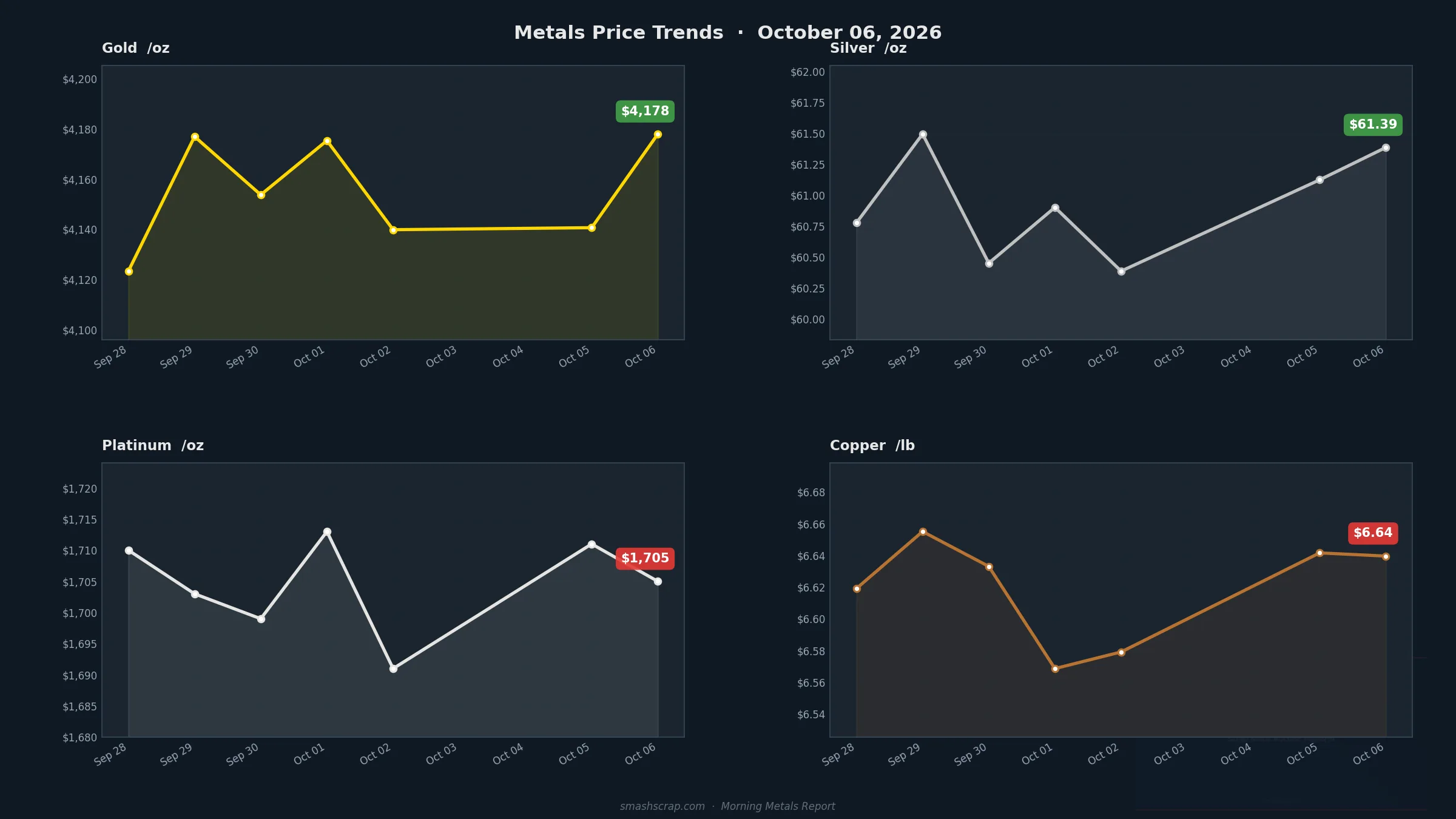
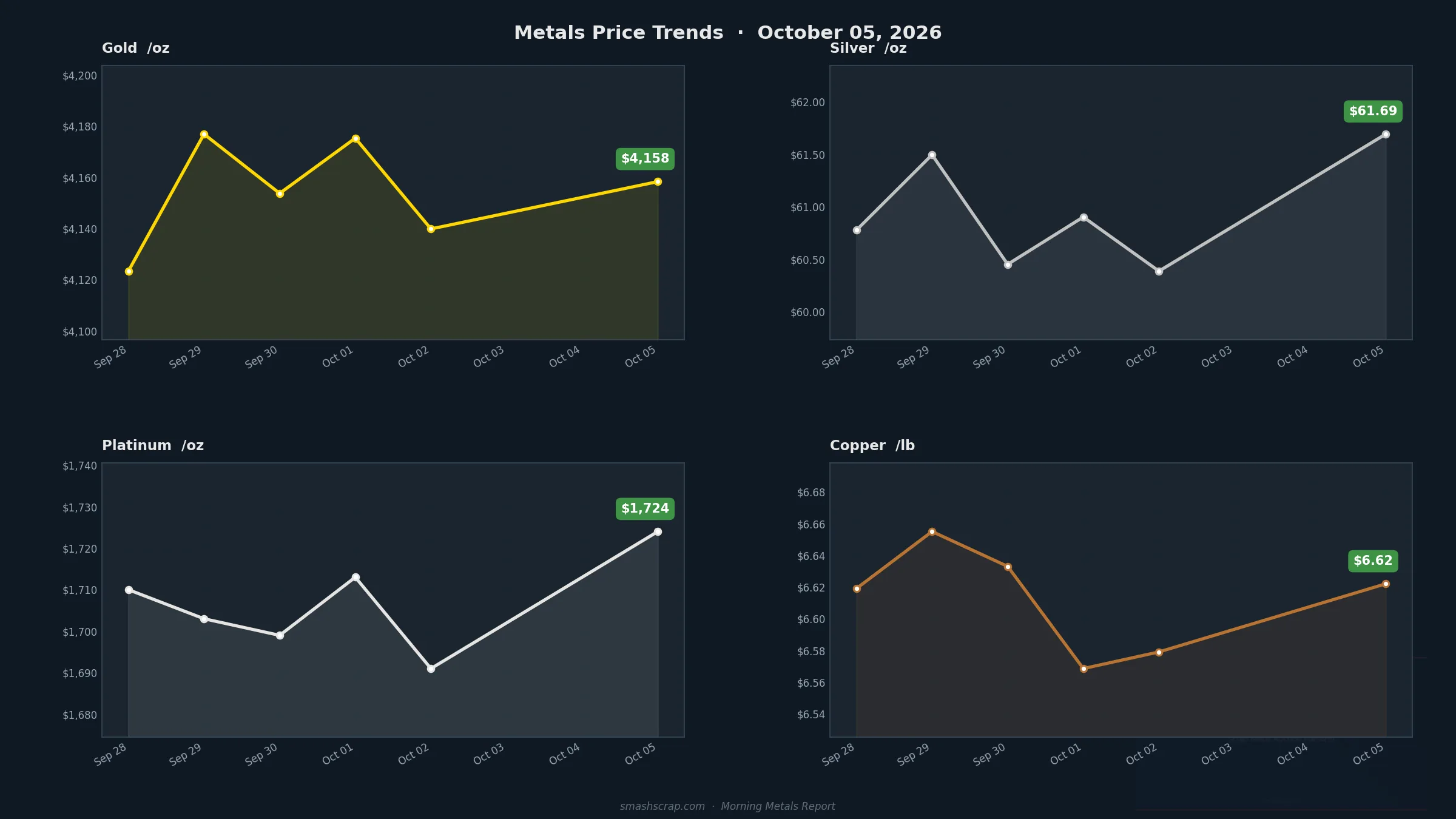
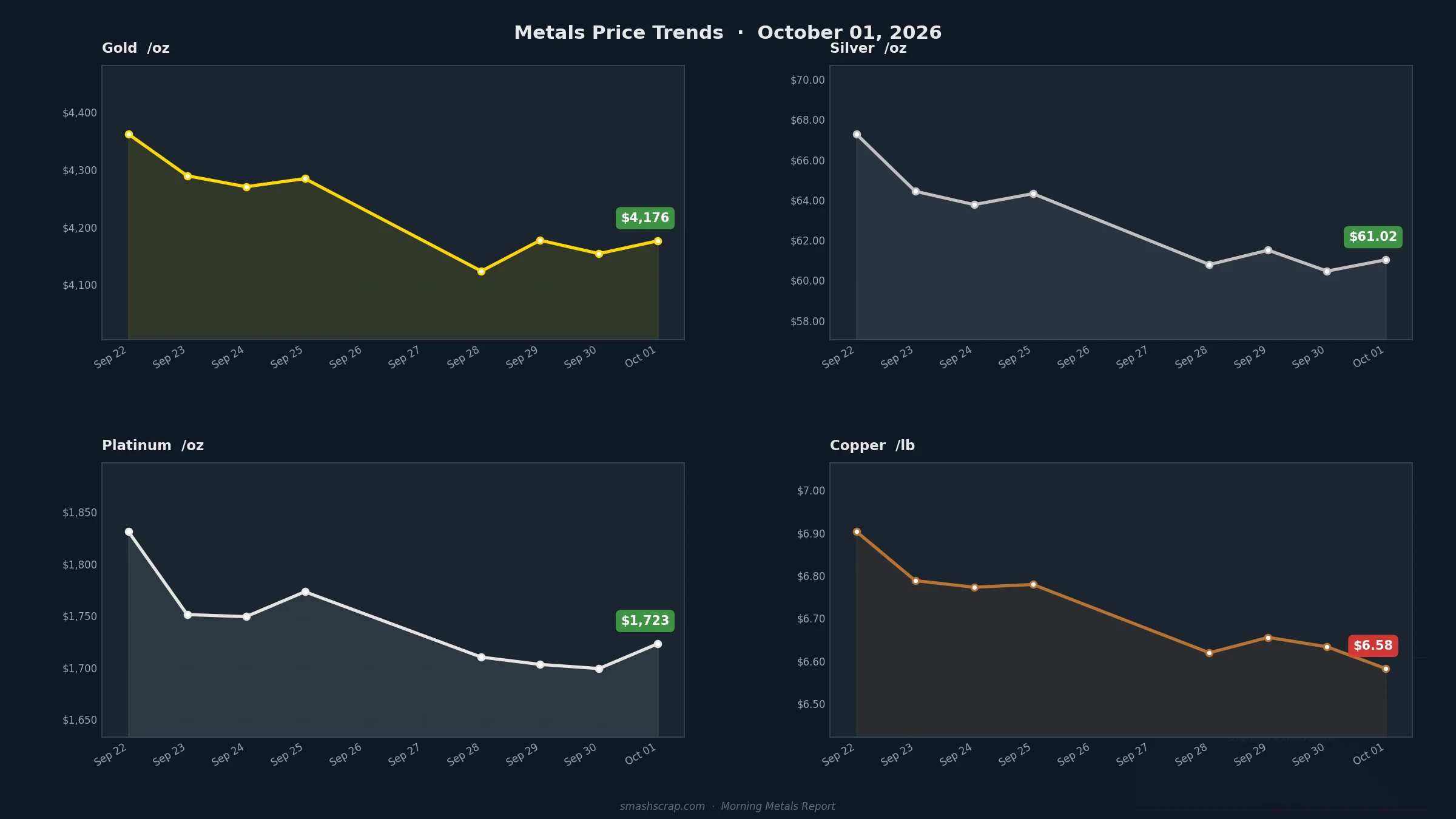
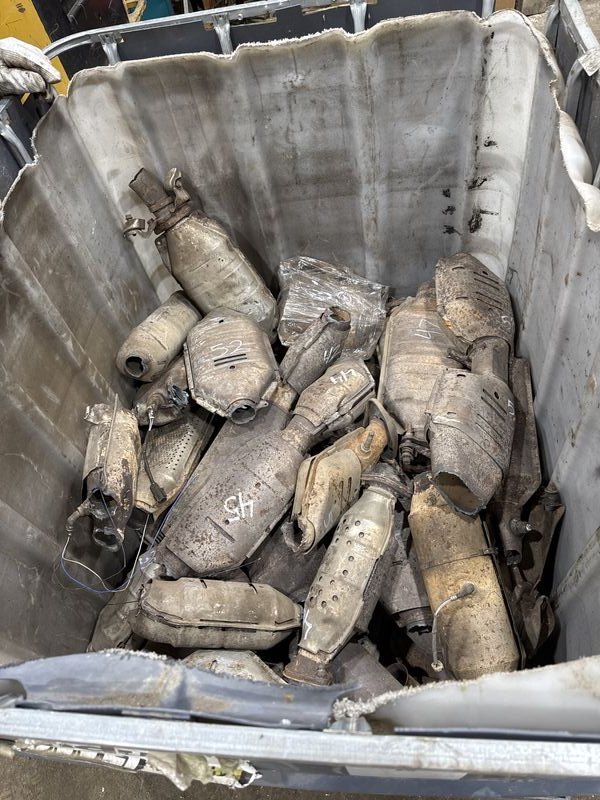
Let's be direct about cats. They are one of the highest-value items that move through a recycling yard, and they are also one of the most misunderstood. The price of a catalytic converter isn't about the steel shell — it's about what's inside: platinum, palladium, and rhodium. Those three metals trade on global commodity markets, and their prices shift daily.
Palladium and platinum prices have historically been volatile, driven by automotive production cycles, emissions regulation, and mining supply out of South Africa and Russia. Rhodium is even more extreme — it can move dramatically within a single quarter. If you're pricing your cats based on a weekly call with one buyer, you're essentially flying blind on a market that doesn't stand still.
Proper catalytic converter recycling in Canada requires three things: accurate assay data, serial tracking to identify unit types, and competitive buyers who are actively bidding against each other. VIN lookup and serial tracking tools — built into platforms like SMASH — let you document exactly what you have before a single bid comes in. That documentation builds buyer confidence and gives you a defensible position in any negotiation.
Buyers who are competing against each other for your load will price it more aggressively than a buyer who knows they're the only option. That's not a theory. That's how auctions work.
How Digital B2B Scrap Marketplaces Are Changing the Game in Ontario
The shift toward digital B2B scrap trading isn't a trend that's coming — it's already here. The question is whether your yard is participating or watching from the sidelines.
Sell scrap metal online used to mean posting on informal forums or emailing spreadsheets to a handful of contacts. That's not what modern B2B scrap marketplaces look like. Today's platforms handle inventory documentation, photo uploads, weight and grade verification, competitive bidding, and auto-invoicing — all in one workflow. The paperwork that used to take hours happens automatically. The price discovery that used to depend on who you knew now happens through open competition.
For automotive recyclers in Thunder Bay, this matters in a specific way. Thunder Bay is geographically isolated. Your buyer pool has historically been limited by distance and relationships. A digital marketplace removes that ceiling entirely. When you join Canada's B2B scrap marketplace on SMASH Recycling, your load is visible to vetted buyers across North America — not just the ones who happen to do business in northwestern Ontario.
Metal recycling prices Ontario sellers receive are directly influenced by how much competition exists for each load. More competition, better price discovery. It's that simple — and digital platforms create that competition at scale.
What Automotive Recyclers Thunder Bay Needs to Know About Market Transparency
Transparency is the word that keeps coming up in conversations about where the industry is headed. Buyers want better-documented inventory. Sellers want to know they're getting a fair market price. Regulators want paper trails. Nobody is well-served by the old system of verbal agreements and handshake deals with no documentation.
The Ontario Automotive Recyclers Association (OARA) and the Automotive Recyclers of Canada (ARC) have both pushed for higher professional standards in automotive recycling — better documentation, better environmental compliance, better tracking of high-value components like catalytic converters and cores. That professional push and the shift toward digital trading are moving in the same direction.
When you document your inventory properly — photos, serial numbers, weights, grades, VIN data where applicable — you're not just protecting yourself legally. You're making your load more attractive to buyers. A well-documented load of cats is easier to bid on than a vague description over the phone. Buyers will price ambiguity into their offer. Remove the ambiguity and you remove that discount.
For Thunder Bay scrap metal services, this shift toward documentation and digital trading is particularly meaningful. Northern yards have always operated with fewer local buyer options. Digital marketplaces and transparent inventory tools level the playing field significantly.
Copper, Non-Ferrous, and Why Price Transparency Matters Across Every Metal
Cats get a lot of attention because of the precious metals involved, but the same transparency problem affects every non-ferrous material you handle. Copper scrap prices move with the LME. Aluminum, brass, and stainless all have their own market dynamics. If you're asking how much is copper to recycle right now, the honest answer is: it depends on the day, the grade, and who's buying.
Bare bright copper trades very differently from #1 copper or insulated wire. The spread between grades matters. And if your buyer is quoting you a flat number without breaking down grade, you have no way of knowing where value is being captured — and by whom.
Digital platforms solve this by creating a transparent record of what was sold, at what grade, for what price. Over time, that data becomes genuinely useful. You can see how your prices compare to market benchmarks. You can identify which material types consistently generate strong bids. You can make better decisions about what to accumulate and when to sell.
That's not how most yards operate today. But it's exactly how the competitive ones will operate in five years. Sell your scrap metal on the SMASH marketplace and start building that transaction history now — before your competitors do.
The Future Is Competitive, Documented, and Digital — Here's How to Get Ready
If you're running a recycling yard in Ontario — whether you're in Thunder Bay, Sudbury, or anywhere else in the province — the single best thing you can do right now is modernize how you document and sell high-value material. The tools exist. The buyers are there. The market is ready for this.
Here's a practical starting point:
- Photograph everything. Every load of cats, every drum of copper, every pallet of cores. Visual documentation builds buyer confidence and protects you if disputes arise.
- Track serials and VINs. For catalytic converters especially, serial numbers determine unit type and value. Don't sell blind.
- Use competitive auctions. One buyer, one price is the old model. Competition reveals the market. Let buyers bid against each other for your material.
- Go paperless on BOLs and invoices. Auto-invoicing and digital packing lists reduce errors and speed up payment cycles.
- Vet your buyers. Not every buyer who shows up with a cheque is worth doing business with. Work with platforms that pre-screen buyers for legitimacy and payment reliability.
The shift is already underway. Explore SMASH Recycling's auction platform to see what a modern B2B scrap trading workflow looks like in practice. No subscription fees. You only pay when you sell — which means SMASH only wins when you do.
The yards that thrive in the next decade won't be the ones with the most material. They'll be the ones with the best information, the widest buyer reach, and the cleanest documentation. Start building that operation now. Read the latest from SMASH Recycling to stay current on market shifts, pricing context, and platform updates.
Canada's scrap market is evolving. The buyers are getting more sophisticated. The data is getting more accessible. And the yards that bring documented, competitively sold loads to market will consistently outperform the ones still relying on a single phone call. Register at smashrecycling.ca and put your material in front of the buyers who are ready to compete for it.
Frequently Asked Questions
Q: How does catalytic converter recycling work in Canada?
Catalytic converters contain platinum, palladium, and rhodium — precious metals recovered through a smelting and refining process. In Canada, recyclers collect cats from end-of-life vehicles, document them by serial number or unit type, and sell them to processors or refiners. Platforms like SMASH support serial tracking and competitive auctions so sellers get better price discovery on every load.
Q: What are catalytic converter prices today in Canada?
Catalytic converter prices fluctuate daily based on platinum, palladium, and rhodium spot prices on global commodity markets. There is no single fixed price — values vary by unit type, precious metal content, and current market conditions. Always check current rates with a processor or through a documented auction platform before selling. Prices referenced here are for general context only and are not a quote.
Q: Can automotive recyclers in Thunder Bay sell scrap metal online?
Yes. Digital B2B marketplaces like SMASH allow yards anywhere in Canada — including Thunder Bay and other northern Ontario communities — to list inventory and reach vetted buyers across North America. This removes the geographic limitations that have historically restricted buyer competition for northern yards.
Q: How much is copper worth to recycle in Ontario right now?
Copper scrap prices vary by grade — bare bright copper, #1 copper, #2 copper, and insulated wire all trade at different rates tied to the London Metal Exchange (LME). Prices shift daily. Contact a processor or check a live pricing platform for current rates. This article does not quote specific prices — always verify current market rates before selling.
Q: What is SMASH and how does it help scrap yards sell more effectively?
SMASH is a B2B scrap metal auction platform serving recycling yards and buyers across North America. It provides tools for inventory documentation, VIN lookup, serial tracking, photo uploads, competitive auctions, and auto-invoicing. There are no subscription fees — SMASH earns only when a sale closes, which aligns the platform's success with yours.
Stay current on scrap metal market trends, catalytic converter pricing, and B2B trading insights by following SMASH on LinkedIn: linkedin.com/company/scrap-metal-auction-sales-hub.