Catalytic Converter Auctions Barrie: Maximize Metal Recycling
Why Catalytic Converter Auctions Are Changing How Canadian Recyclers Get Paid
Most Canadian recyclers leave money on the table every single time they sell a catalytic converter. Not because they're careless — but because the traditional process is opaque, slow, and built to favour buyers, not sellers. If you're processing auto salvage in Ontario and still calling around for quotes, there's a better way to work in 2026.
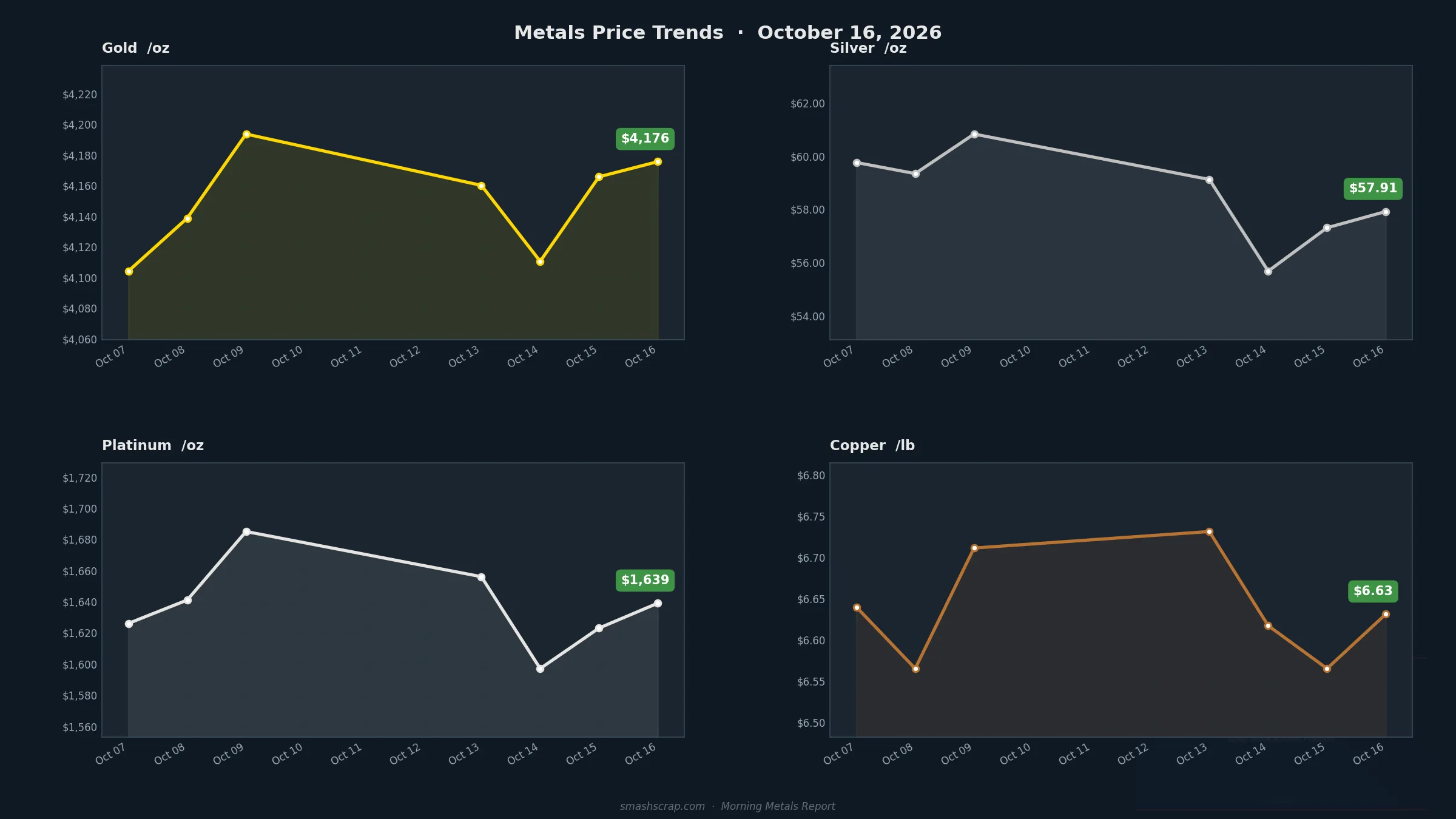
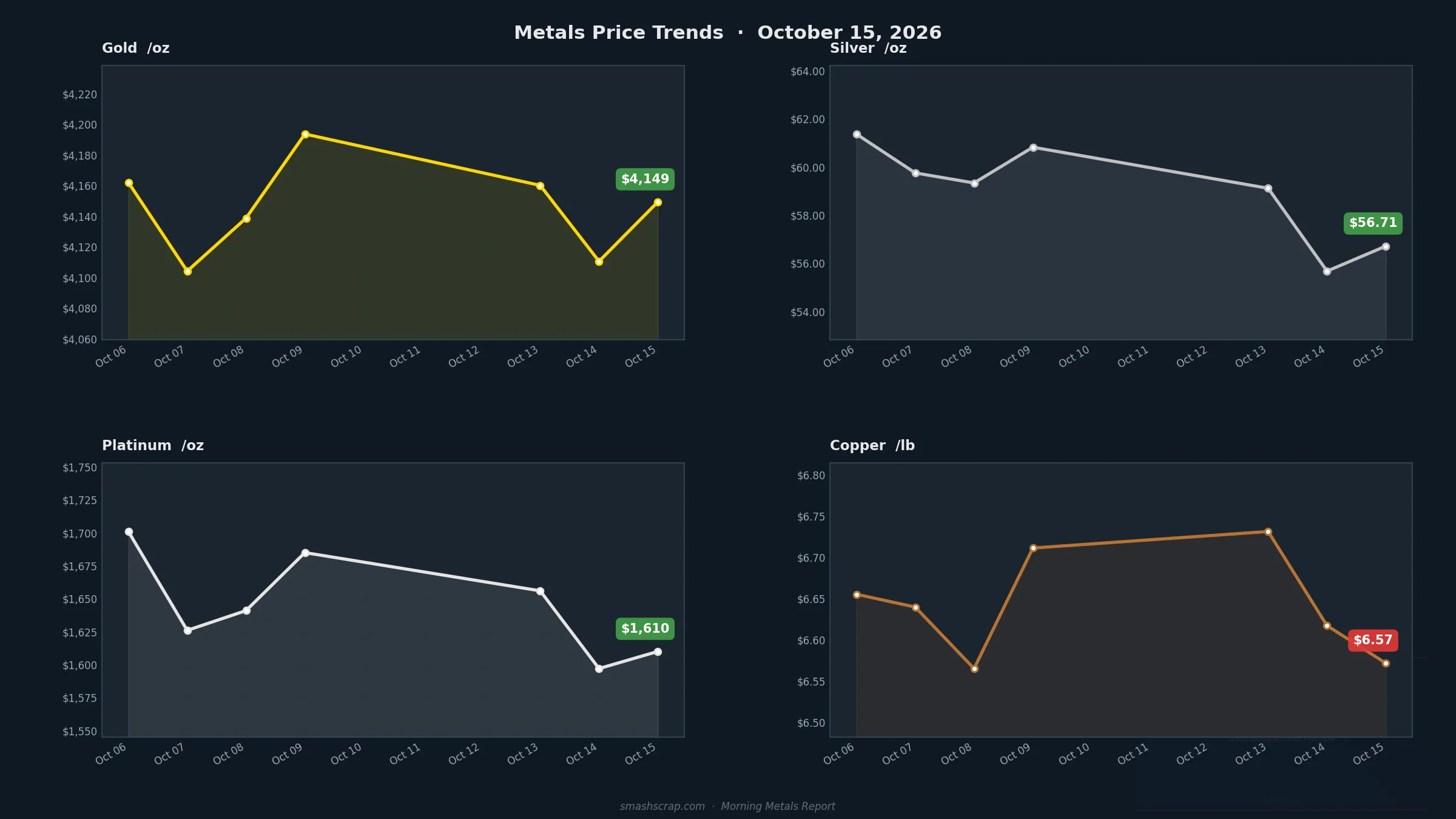
Catalytic converters contain three of the most valuable metals on earth: platinum, palladium, and rhodium. These platinum group metals (PGMs) are recovered through a smelting and assay process, and their spot prices shift daily on global commodity exchanges. That daily price volatility is exactly why a transparent auction model — like what SMASH Recycling's auction platform provides — consistently delivers stronger returns for Canadian sellers than a single verbal quote ever could.
Understanding What Drives Catalytic Converter Prices Today
Before you can sell catalytic converters online at the best possible price, you need to understand what's actually driving the number you get offered. Catalytic converter prices today are tied directly to three underlying metals:
- Platinum (Pt): Used heavily in diesel catalysts. Platinum prices fluctuate based on South African mining output, industrial demand, and green hydrogen applications — all of which remain active market forces in 2026.
- Palladium (Pd): Primarily found in gasoline catalysts. Palladium has seen significant volatility in recent years as EV adoption shifts combustion engine production volumes globally.
- Rhodium (Rh): The most volatile of the three. Rhodium prices can swing dramatically within weeks, making timing a major factor in your payout.
Beyond spot prices, the actual value of any individual converter depends on the substrate type (ceramic vs. foil), the vehicle make and model, the unit's condition, and which processor you're selling to. A domestic GM or Ford converter pays very differently from a foreign import unit. Recyclers in Barrie and across Ontario who don't account for these variables often settle for flat-rate payouts that don't reflect the true PGM content inside their units. That's a direct hit to your bottom line.
It's also worth noting that Canadian metal recycling prices in Ontario are influenced by the CAD/USD exchange rate, since PGM benchmarks are set in U.S. dollars. A stronger Canadian dollar can suppress your payout per unit even when platinum and palladium spot prices hold steady. Sophisticated buyers account for this — sellers need to as well.
How the Auction Model Unlocks Better Metal Recycling Prices in Canada
Here's the problem with the traditional phone-around approach: you're negotiating in isolation. One buyer gives you a number. You either take it or keep calling. You have no way to know whether that offer reflects fair market value or whether a competing buyer two provinces away would pay significantly more for the same lot.
The auction model flips this dynamic completely. When you list a lot of catalytic converters on a competitive B2B platform, multiple licensed buyers bid simultaneously. Competition drives the price up rather than down. Sellers who switch from negotiated quotes to competitive auctions routinely discover their previous deals were well below what the market would actually bear.
This is precisely the gap that Canada's B2B scrap marketplace on SMASH Recycling was built to close. By connecting sellers — auto salvage yards, dismantlers, recycling operations — directly with a network of vetted Canadian buyers, SMASH creates genuine price competition on every lot. The result is transparent, market-driven pricing rather than take-it-or-leave-it offers from a single contact.
For operations in Barrie and across Ontario, this matters particularly because the region supports a dense network of auto salvage and dismantling businesses. Having a centralized digital marketplace means your lot gets in front of serious buyers you'd never reach through local channels alone. You can explore Barrie scrap metal services to see how the platform supports local sellers specifically.
What Canadian Recyclers Should Know Before Listing Catalytic Converters
Getting the best return from a catalytic converter auction isn't just about showing up and listing units. Preparation makes a measurable difference in final sale price. Here's what experienced Canadian recyclers do before they list:
- Sort by type and origin: Domestic (North American) converters and foreign (import) units carry different PGM concentrations. Mixing them in a single lot makes accurate valuation harder and often drags your average price down. Sort before you list.
- Document the count clearly: Buyers need an accurate unit count. Misrepresented lot sizes damage trust and can disqualify bids.
- Photograph your lot: Clear images showing unit condition, substrate type, and quantity help buyers price confidently. Better documentation typically produces stronger bids.
- Understand minimum lot thresholds: Some processors work most efficiently with larger volume lots. Knowing the platform's buyer preferences helps you time your listings strategically — holding a small accumulation until you hit a volume sweet spot can improve your per-unit return.
- Know your current PGM benchmarks: Even a general awareness of where platinum, palladium, and rhodium are trading helps you evaluate whether an auction result is strong or weak relative to market conditions.
Industry organizations like the Ontario Automotive Recyclers Association (OARA) and the Automotive Recyclers of Canada (ARC) provide members with compliance guidance and best practice frameworks that help recyclers operate professionally in the Canadian market. Their standards around documentation and traceability directly support the kind of credible listings that attract stronger bids on auction platforms. If you're operating in Ontario and not already connected with these organizations, their resources are worth exploring.
Sell Catalytic Converters Online: What the Process Actually Looks Like
For recyclers who haven't yet used a digital B2B auction platform, the process is more straightforward than it sounds. Selling through SMASH is designed to fit into your existing operation without adding significant overhead. Here's a basic overview of how it works:
- Register your business: SMASH is a B2B platform — it's designed for legitimate recycling operations, not individual sellers. Verification keeps the marketplace credible and buyer-ready.
- Create your listing: Describe your lot, upload photos, confirm your unit count and type breakdown. The more detail you provide, the better the bids you attract.
- Let buyers compete: Registered buyers on the platform see your listing and bid competitively. You're not negotiating with one party — you're receiving market-driven offers.
- Accept the winning bid: Once the auction closes, you connect with the winning buyer to arrange logistics and payment. The platform facilitates the transaction, reducing friction on both sides.
For auto salvage Ontario Canada operations processing significant converter volume, this model can represent a meaningful improvement in annual revenue — not just on catalytic converters, but across other high-value scrap streams including copper scrap and aluminum. Read the latest from SMASH Recycling for ongoing insights into auction strategies, metal pricing, and platform updates.
You can also find additional Canadian market resources and industry connections through smashscrap.com, which complements the SMASH platform for sellers navigating the broader scrap metal landscape.
Beyond Catalytic Converters: Maximizing All Your Metal Recycling Prices in Ontario
Catalytic converters get attention because of the PGM content, but savvy recyclers in Barrie and across Ontario don't stop there. The same auction model that drives competitive pricing on converter lots applies to other high-value scrap streams.
Copper scrap prices remain among the most closely watched benchmarks in the industry. Copper wiring, plumbing material, and industrial copper all carry strong value — and like PGMs, copper pricing benefits from competitive bidding rather than single-buyer negotiation. Similarly, aluminum recycling in Barrie is a consistent revenue stream for auto dismantlers who accumulate engine blocks, transmission housings, and wheel stock. If you're sourcing aluminum scrap prices near me to benchmark your returns, a transparent marketplace gives you real data rather than one buyer's self-interested quote.
The principle is consistent across every metal category: price discovery happens through competition. Platforms like SMASH make it practical to run that competition efficiently, at scale, without requiring you to manage a dozen buyer relationships manually. That's time back in your operation and money back in your margin.
If you're ready to stop leaving value on every converter lot and start getting what the market actually offers, the next step is simple — join Canada's B2B scrap marketplace on SMASH Recycling and see what competitive bidding does for your returns.
Frequently Asked Questions
Q: What are catalytic converter prices today in Canada?
Catalytic converter prices in Canada depend on current platinum, palladium, and rhodium spot prices, plus the specific unit type and PGM content. Prices shift daily with commodity markets and CAD/USD exchange rates. Use a competitive auction platform like SMASH to ensure your lot is priced against live market demand rather than a single buyer's estimate. Note: All scrap metal and PGM prices fluctuate — always verify current rates before completing a transaction.
Q: How do I sell catalytic converters online as a Canadian recycling business?
Register your business on a B2B marketplace like SMASH Recycling, create a detailed listing with photos and unit counts, and allow verified buyers to bid competitively on your lot. The process is designed for licensed recycling operations and typically produces better per-unit returns than negotiating with a single buyer directly.
Q: What affects metal recycling prices in Ontario specifically?
Ontario metal recycling prices are influenced by global commodity spot prices, the CAD/USD exchange rate, local supply and demand, transportation costs to processing facilities, and the specific metal type and grade. Working through a competitive auction platform helps ensure you're receiving a market-reflective price rather than a locally suppressed offer.
Q: Are aluminum scrap prices near me competitive in Barrie, Ontario?
Aluminum prices in and around Barrie follow Ontario and national market conditions, which are tied to global aluminum benchmarks. Local pricing can vary between buyers, which is exactly why accessing a broader network of buyers through a digital platform like SMASH helps sellers capture stronger returns on aluminum and other non-ferrous metals.
Q: Do organizations like OARA or ARC affect how I can sell scrap in Ontario?
The Ontario Automotive Recyclers Association (OARA) and Automotive Recyclers of Canada (ARC) set industry standards and best practices for auto recyclers, including documentation, parts handling, and environmental compliance. While they don't directly set prices, operating in alignment with their guidelines helps your business maintain the credibility and compliance profile that serious buyers on platforms like SMASH expect.
Ready to get what your converter lots are actually worth? Join Canada's B2B scrap marketplace — register at smashrecycling.ca and start receiving competitive bids from verified buyers across the country.
Stay ahead of scrap metal market trends and auction platform updates by following SMASH on LinkedIn at Scrap Metal Auction Sales Hub — your source for Canadian industry insights, PGM market commentary, and platform news.