Aluminum Recycling Etobicoke: Why Market Auctions Win
Most scrap yards in Canada are still selling the old way — one phone call, one buyer, one price. And that price? You're just supposed to trust it. If you run a recycling operation in Etobicoke or anywhere else in Ontario, that model is costing you money every single day.
Transparent pricing isn't a nice-to-have. It's the difference between leaving money on the table and actually knowing what your aluminum, copper, or catalytic converters are worth in a competitive market. The Canadian scrap metal market has real demand. The problem is most sellers never see it — because the system isn't built to show them.
This is a story about what changes when you do.
---The Old Way: One Call, One Price, No Visibility
Picture a mid-sized recycling yard in Etobicoke. They're pulling non-ferrous loads every week — aluminum, copper, cats. They've got one buyer they've worked with for years. The buyer calls, names a number, and the yard takes it. Maybe they check a price sheet. Maybe they don't.
There's no auction. No competition. No way to know if the number the buyer quoted is close to what the load would actually fetch in a real market. The yard operator is experienced, capable, and completely in the dark on price discovery.
This isn't rare. It's how most of the Canadian scrap metal market still operates. Single-buyer relationships create comfort, but they also create information asymmetry. The buyer knows more than the seller. That imbalance has a dollar value — and it comes out of the seller's margin.
The Ontario Automotive Recyclers Association (OARA) and the Automotive Recyclers of Canada (ARC) have both pushed for better documentation standards and industry transparency over the years. The operational side of recycling has improved dramatically. The pricing side? Still catching up.
---What Transparent Pricing Actually Looks Like in a B2B Scrap Metal Marketplace
Transparency in scrap pricing doesn't mean posting a number on a website and calling it done. Real transparency means multiple vetted buyers see the same documented load, place competing bids, and the seller watches it happen. That's what a B2B scrap metal marketplace built around auctions actually does.
When you list a load on a competitive platform, a few things shift immediately:
- Documentation becomes an asset. Photos, weights, VIN lookups, serial tracking, packing lists — all of it gives buyers confidence to bid higher. A well-documented load of aluminum or a properly catalogued set of catalytic converter cores tells a serious buyer exactly what they're getting. That clarity has value.
- Competition reveals the market. More buyers bidding means better price discovery. You're not guessing what the market will bear — you're watching it in real time.
- You hold the information. Instead of waiting for a buyer's call, you know what every bid looks like. You see who's interested and at what number.
For a yard in Etobicoke processing weekly aluminum loads or running cats through auto recycling in Ontario, this shift from opaque to transparent isn't just philosophical. It changes the actual dollar amount deposited after every sale.
Platforms like SMASH Recycling's auction platform are built specifically for this. Vetted buyers, structured auctions, photo documentation, auto-invoicing — the whole process is designed so the seller always sees what's happening and why.
---Aluminum Recycling in Etobicoke: A Real-World Example of Pricing Opacity
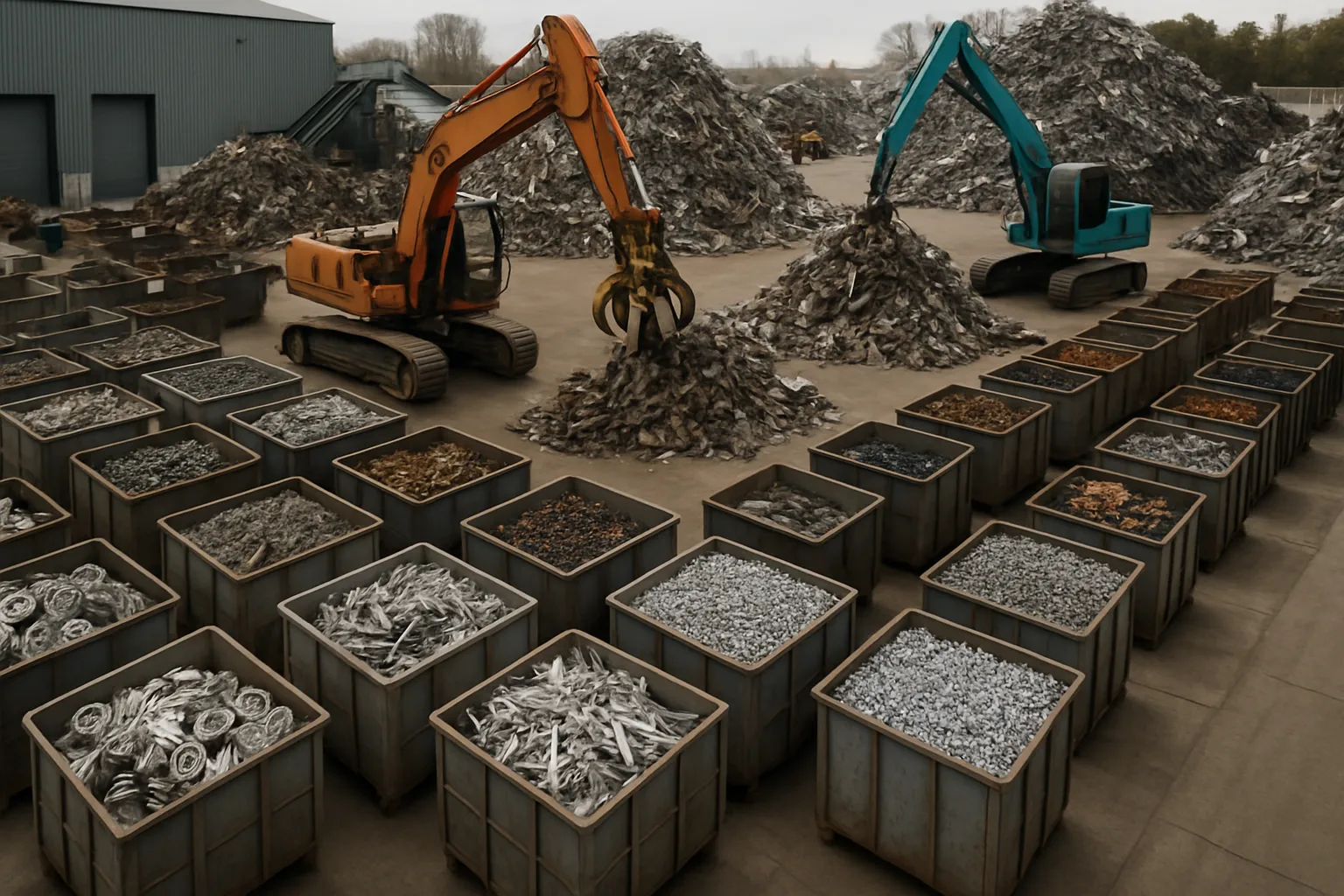
Aluminum is one of the most actively traded non-ferrous metals in the Canadian scrap metal market. It's consistent volume, relatively stable demand, and shows up in everything from auto bodies to extrusions to old window frames. For yards doing aluminum recycling in Etobicoke, it's a core part of weekly revenue.
Here's the problem. Aluminum scrap prices today aren't one number — they're a range, and that range moves. Cast versus extrusion versus sheet versus irony aluminum all price differently. Contamination levels matter. So do lot sizes, documentation quality, and which buyers are active in the market that week.
A single buyer quoting you today's price has no incentive to give you the top of the range. They have every incentive to give you the bottom. That's not malicious — it's just how single-buyer negotiations work. They're running a business too.
Now put that same load of aluminum through a competitive auction where five vetted buyers are looking at the same documented inventory. Suddenly the range compresses toward the top, not the bottom. You're not relying on one person's quote. You're seeing what the market actually thinks your load is worth. That's what SMASH Scrap — where verified buyers bid on your metal — makes possible.
And when you add in proper inventory documentation — photos, lot breakdowns, weights per grade — buyers can bid with confidence. Confident buyers bid higher. That's not a theory. It's market mechanics.
---Catalytic Converter Prices and the Transparency Problem
If aluminum pricing is opaque, catalytic converter pricing is practically a black box. Platinum, palladium, and rhodium prices shift daily. The spread between what a core is actually worth and what a single buyer quotes a yard can be significant — especially when those buyers are arbitraging against assay results the seller never sees.
For any yard doing auto recycling in Ontario and pulling cats from end-of-life vehicles, this is a real issue. You're sitting on cores that contain precious metals priced in real time on global markets. Palladium price moves. Rhodium price moves. Platinum price moves. But the guy on the phone giving you a number per unit? He's already calculated his margin before he dials.
Transparent pricing in the cat space means documented loads with serial tracking, clear photo documentation of each converter type, and a vetted buyer pool that's actually competing for the volume. It means knowing that the number you accepted reflects what buyers were genuinely willing to pay — not what one buyer wanted to pay.
This is also where industry standards matter. OARA and ARC have helped set documentation and tracking expectations for automotive recyclers in Canada. Proper serial tracking and photo documentation of cats isn't just good practice for compliance — it's the foundation of a defensible, transparent sale. When your inventory is documented correctly, buyers can bid on it with confidence. And competitive bids are how you find out what your cats are actually worth today.
---Can You Recycle Scrap Metal Through an Auction Platform? Here's How It Works
If you're asking can I recycle scrap metal through a platform like this, the short answer is yes — and the process is more straightforward than most sellers expect. You don't need to be a large operation. You need a documented load and access to vetted buyers.
Here's how a typical auction sale works through a B2B scrap metal marketplace:
- Prepare your inventory. Document your load — weights, grades, photos, any applicable VIN or serial data for automotive materials. The more complete the documentation, the stronger the buyer confidence.
- List your load. Submit your inventory to the platform. Buyers on the other side are already vetted. You're not posting to a public board — you're putting a documented load in front of serious purchasers.
- Watch the auction run. Vetted buyers place bids. You see the competition in real time. No guessing. No waiting by the phone.
- Accept the winning bid. Auto-invoicing handles the paperwork. GST/HST documentation is built into the process for Canadian transactions. You know who bought your load, at what price, and why.
- Get paid. The transaction closes cleanly. No chasing invoices. No ambiguity on terms.
For yards in Etobicoke processing aluminum, copper scrap, or catalytic converter cores, this process replaces the single-buyer phone call with something that actually works in your favour. You can read the latest from SMASH Recycling for more on how Canadian scrap sellers are using auction-based pricing to improve their margins and reduce guesswork.
No subscription fees. SMASH only wins when the seller wins. That alignment matters — it means the platform is incentivized to help you sell well, not just sell fast.
---Why the Canadian Scrap Metal Market Is Ready for This Shift
The Canadian scrap metal market is large, active, and increasingly connected to global commodity pricing. Copper scrap prices follow LME movements. Aluminum tracks global supply chain dynamics. Precious metals in catalytic converters respond to automotive production trends and emissions regulation changes worldwide.
Canadian sellers — especially yards in dense markets like Ontario — are already operating in a sophisticated commodity environment. The infrastructure around them has modernized. Regulatory expectations from bodies like OARA and ARC have pushed the industry toward better documentation and compliance practices. What hasn't kept pace is the pricing mechanism most sellers rely on.
That's the gap SMASH fills. A B2B scrap metal marketplace built for the Canadian market, with GST/HST handling, vetted Canadian and North American buyers, and an auction format that creates real competition on every load. Join Canada's B2B scrap marketplace on SMASH Recycling and see what your loads actually fetch when buyers compete for them.
The old way had its time. One buyer, one call, one number — it worked when information was scarce and relationships were everything. Information isn't scarce anymore. Your pricing model shouldn't be either.
If you're running a yard in Etobicoke, managing auto recycling in Ontario, or just wondering whether there's a better way to sell your non-ferrous volume, the answer is simple: put your loads in front of more buyers. See what competition actually does to your price discovery. Register at smashrecycling.ca and find out what your scrap is worth when the market decides — not just one buyer on a Tuesday morning call.
---Frequently Asked Questions
Q: What is aluminum recycling in Etobicoke and how do I sell it competitively?
Aluminum recycling in Etobicoke refers to collecting, sorting, and selling aluminum scrap from industrial, automotive, or commercial sources in the Etobicoke area of Ontario. To sell competitively, you need more than one buyer — a B2B auction platform like SMASH puts your documented aluminum loads in front of vetted buyers who compete for your volume, which helps reveal the true market price rather than relying on a single quote.
Q: Can I recycle scrap metal through an online B2B auction platform in Canada?
Yes. Canadian scrap sellers can list documented loads of non-ferrous metal — aluminum, copper, catalytic converter cores, and more — on a B2B scrap metal marketplace like SMASH. The process handles inventory documentation, vetted buyer auctions, auto-invoicing, and GST/HST compliance for Canadian transactions. You don't need to be a large yard to participate.
Q: How do catalytic converter prices today affect what I get paid for my cats?
Catalytic converter prices fluctuate based on the daily spot prices of platinum, palladium, and rhodium — all globally traded precious metals. A single buyer quoting you a per-unit price has already built their margin in before they call. A transparent auction where vetted buyers bid on your documented cores gives you better visibility into what the market is actually paying on any given day. Always check current rates before selling.
Q: What role do OARA and ARC play in Ontario scrap metal and auto recycling?
The Ontario Automotive Recyclers Association (OARA) and the Automotive Recyclers of Canada (ARC) set industry standards for automotive recycling operations across Ontario and Canada. They promote best practices around vehicle documentation, parts tracking, environmental compliance, and responsible metal recovery. Their standards align well with the kind of documented inventory practices that make auction-based scrap selling more effective.
Q: Are there subscription fees to sell scrap metal on SMASH?
No. SMASH operates on a no-subscription model — there are no upfront fees to list your loads. SMASH earns when the seller earns, which means the platform is aligned with getting you the best result on every sale, not just collecting a monthly fee regardless of outcome.
---Disclaimer: Scrap metal prices — including aluminum, copper, platinum, palladium, and rhodium — fluctuate based on global market conditions. Always verify current rates before making selling decisions.
Stay ahead of the Canadian scrap metal market — follow SMASH on LinkedIn for industry updates, pricing insights, and platform news.