Nanaimo Metal Recycling Prices: Auction vs Single Buyer
The Old Way of Selling Scrap Is Costing You Money — Here's the Better Model
Most yards in Canada still sell the same way they did twenty years ago. One buyer. One phone call. One price — take it or leave it. If you're running a recycling operation in Nanaimo or anywhere across British Columbia, that model is quietly bleeding margin out of every load you move. Metal recycling prices Canada-wide have become increasingly volatile — copper swings, aluminum shifts, catalytic converter values bounce with platinum, palladium, and rhodium markets. Guessing your price against a single buyer's offer is no longer a strategy. It's a gamble.
B2B scrap metal auctions change the equation. Instead of one buyer setting the price, multiple vetted buyers compete for your material. That competition is how real market value gets discovered — not by one party with an obvious interest in quoting low. This article breaks down exactly how B2B scrap auctions work in Canada, what makes them different from the traditional model, and why yards from Vancouver Island to the Maritimes are making the switch.
What Is a B2B Scrap Metal Auction and How Does It Work?
A B2B scrap metal auction is a structured sale where verified buyers bid competitively on lots of scrap material. Unlike consumer-facing platforms, these marketplaces are built for commercial operators — recycling yards, dismantlers, industrial facilities, and large-scale collectors. The buyers are pre-vetted. The sellers are legitimate businesses. The process is documented end to end.
Here's how a typical auction cycle works on a platform like SMASH:
- Inventory submission: You document your material using the platform's inventory tool. This includes photo documentation, weights, grades, and — for catalytic converter lots — VIN lookup and serial tracking to confirm OEM specs.
- Listing goes live: Your lot is listed to the buyer network. Buyers can review specs, photos, and documentation before placing bids.
- Competitive bidding: Multiple buyers bid against each other. More buyers means better price discovery. Competition works in your favour.
- Sale confirmation: The winning bid is confirmed. Auto-invoicing kicks in. Bills of lading and packing lists are generated through the platform.
- Settlement: Payment terms are clear upfront. No chasing invoices. No ambiguity on GST/HST handling.
The whole process replaces the informal, phone-based system that still dominates most of the Canadian scrap industry. If you've ever wondered whether you left money on the table after a load shipped — B2B auctions are built to answer that question with data instead of assumptions.
Metal Recycling Prices Canada: Why Transparency Actually Matters
Anyone running a yard knows that metal recycling prices in Canada aren't static. Copper scrap prices track global LME movements. Aluminum recycling prices per pound shift with energy costs and downstream demand. Catalytic converter prices today can look completely different from last week because platinum, palladium, and rhodium prices move on global supply signals — often tied to South African and Russian mining output, automotive production volumes, and emission regulation timelines.
The problem with the single-buyer model is structural. A buyer quoting you a price has every incentive to quote conservatively. They're managing their own margin. Without competing offers, you have no reference point. You don't know if the number they gave you reflects the actual market or their preferred spread.
Documented auctions solve this. When multiple buyers see the same lot description, the same photos, and the same material specs, and they bid independently — the result is a real-time price signal. It doesn't guarantee a higher number on every load. But it does mean the number you get reflects actual demand, not one buyer's best guess at what you'll accept. As the industry says: more buyers means better price discovery.
For yards in British Columbia dealing with non-ferrous volumes — aluminum, copper wire, radiators, mixed breakage — this transparency is especially valuable given how much variation exists in regional scrap metal prices across the province.
Selling Scrap Metal Online vs. Walking Into a Depot: 5 Key Differences
If you've been running loads to a scrap metal depot near you, you know the routine. You pull in, they weigh it, they offer a price, you take it or drive somewhere else. For small volumes of mixed metal, that still works. But for commercial quantities — a pallet of cats, a container of aluminum extrusion, a load of copper cores — the depot walk-in model has real limitations.
Here's a direct comparison:
- Price discovery: Depot gives you one offer. Auction gives you multiple competing bids. Competition can help reveal the true market.
- Documentation: Most depot transactions are minimal paper. Auctions generate full records — packing lists, BOLs, photo documentation, serial tracking on cats and cores.
- Buyer reach: A local depot is your only buyer. An online B2B platform like SMASH connects you to vetted buyers across North America.
- Fees: Depot pricing builds in their margin invisibly. SMASH charges no subscription fee — they only participate in the transaction when a sale happens.
- Audit trail: If you ever face a compliance question or need to track a transaction, depot receipts are thin. Auction platforms generate documented histories that hold up to scrutiny.
For Nanaimo yards shipping loads off Vancouver Island, the logistics already add complexity. Losing additional margin to an opaque single-buyer pricing model stacks inefficiency on top of transportation cost. Nanaimo scrap metal services through an auction platform give you broader buyer reach without requiring you to cold-call buyers on the mainland.
Organizations like the Automotive Recyclers of Canada (ARC) and the Ontario Automotive Recyclers Association (OARA) have long pushed for better documentation standards across the industry — particularly for catalytic converters and other high-value commodities. The shift to platform-based B2B transactions aligns directly with that direction. Better records. Better accountability. Better outcomes for legitimate operators.
Aluminum Recycling in Nanaimo and Across British Columbia: What the Auction Model Changes
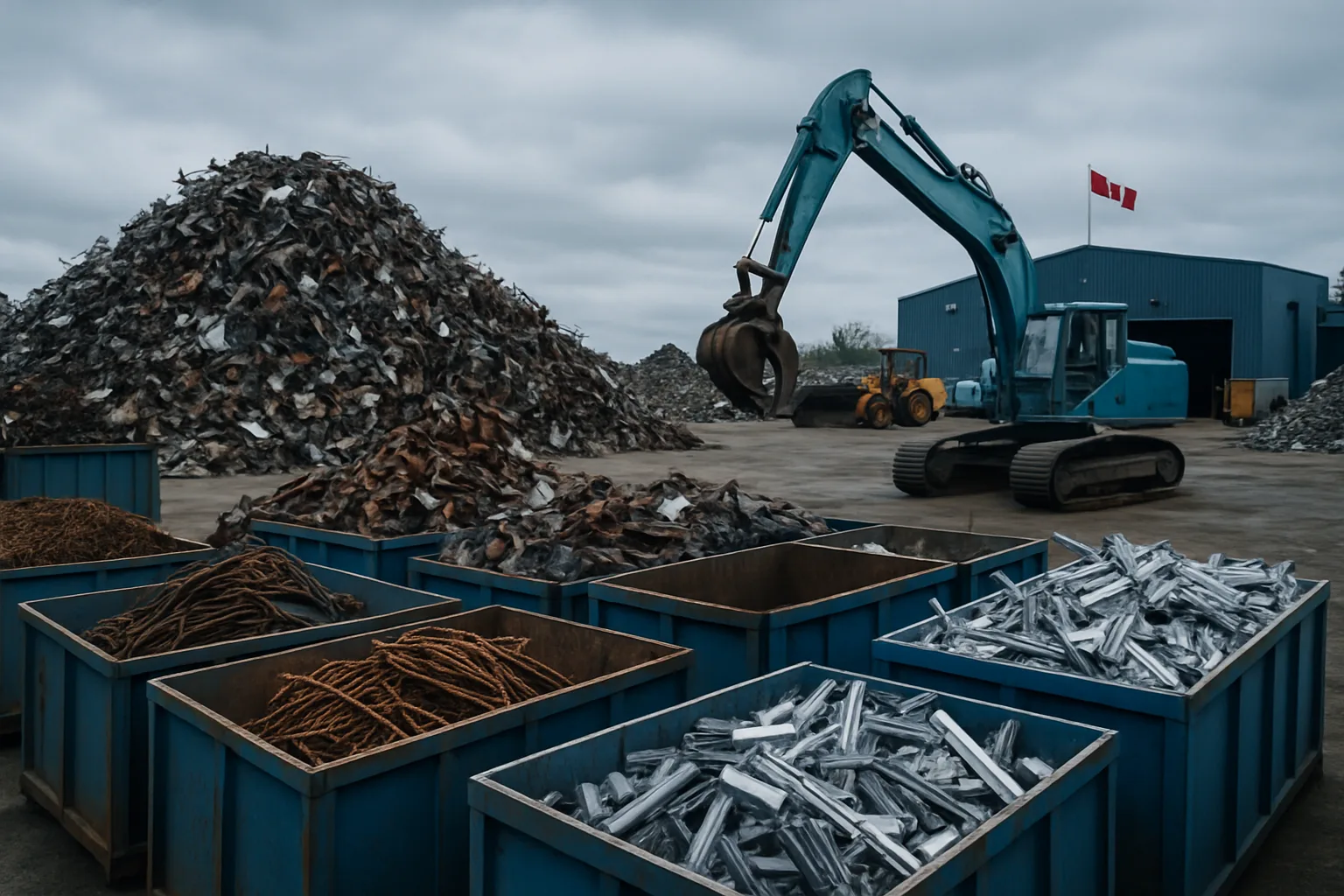
Aluminum is one of the most consistent non-ferrous metals moving through Canadian recycling operations. Aluminum recycling in Nanaimo — like most of the Island — tends to flow through a limited number of buyers, which means pricing is often compressed compared to what a competitive market would generate. Extrusion, cast, sheet, and mixed aluminum all carry different values, and a buyer quoting a blended rate across grades is almost always leaving something on the table — on your behalf.
On a B2B auction platform, you can separate your aluminum by grade and list accordingly. Buyers who specialize in specific alloys will bid more aggressively on clean material they actually want. That specificity — enabled by photo documentation and accurate inventory listing — is something no depot counter transaction can replicate. Aluminum recycling prices per pound vary significantly by grade, and auctions let the market reflect that difference instead of flattening it.
The same logic applies to copper wire, radiators, catalytic converters, and other non-ferrous commodities moving through British Columbia yards. When you explore SMASH Recycling's auction platform, you'll see how grade-specific documentation directly impacts buyer confidence — and bid quality.
How to Sell Scrap Metal Online Without the Guesswork
The barrier to selling scrap metal online through a B2B platform is lower than most yard operators expect. You don't need to rebuild your operation. You need accurate inventory documentation and access to a platform with real buyer demand.
Here's what good documentation looks like for a typical cat lot:
- Photos from multiple angles — top, bottom, end caps
- Serial number or VIN-matched identification where applicable
- Weight per unit or total lot weight
- Grade classification (domestic, aftermarket, foreign small/large, DPF, foil)
- Condition notes — any damaged, welded, or tampered units flagged
Platforms like SMASH handle the buyer vetting, the invoicing, and the GST/HST documentation. You focus on the material. The platform handles the transaction infrastructure. It's a cleaner process than managing it manually through email chains and verbal agreements.
For yards new to the format, you can read the latest from SMASH Recycling to get a clearer picture of how active sellers are using the platform day to day. And for buyers looking for consistent, documented supply, SMASH Scrap — where verified buyers bid on your metal — is the access point to live inventory from sellers across the country.
If you're ready to stop guessing and start letting competition work in your favour, join Canada's B2B scrap marketplace on SMASH Recycling and put your next load in front of buyers who actually compete for it.
Frequently Asked Questions
Q: How are metal recycling prices in Canada determined for auction lots?
Prices on B2B auction platforms are determined by competitive bidding among vetted buyers. The final price reflects actual market demand for your specific material, grade, and quantity — not a single buyer's internal margin target. Documented inventory with accurate grades and photos gives buyers the confidence to bid aggressively.
Q: What are aluminum recycling prices per pound in British Columbia right now?
Aluminum prices fluctuate based on global LME benchmarks, local demand, and grade. Extrusion, cast, and sheet aluminum all carry different values. We don't publish static prices because they change — check current rates through a live platform or contact a buyer directly. Always get multiple quotes before committing a large volume.
Q: Can Nanaimo scrap yards use an online B2B auction platform?
Yes. B2B scrap auction platforms operate across Canada, including Vancouver Island. Nanaimo yards benefit from expanded buyer reach beyond local depots — especially for high-value commodities like catalytic converters, copper, and clean aluminum grades that attract specialized buyers from across the country.
Q: How do catalytic converter prices work on a scrap auction platform?
Catalytic converter prices are driven by the platinum, palladium, and rhodium content inside the substrate — values that shift daily with precious metal markets. On a B2B platform, serial tracking and VIN lookup help accurately classify each unit by OEM grade, which directly affects buyer bids. Better documentation typically leads to better price discovery on cat lots.
Q: Is there a subscription fee to sell scrap metal through SMASH?
No. SMASH charges no subscription fees. The platform participates in the transaction when a sale is completed — meaning they only win when you win. That structure keeps the incentives aligned between the platform and the seller.
The scrap industry moves fast. Stay ahead of market shifts, pricing trends, and platform updates by following SMASH on LinkedIn — practical industry insights, no filler.