Transparent Pricing Wins: Auto Recycling Kamloops
When One Kamloops Yard Stopped Guessing on Price — and Started Winning
Here's a number that should stop any scrap seller in their tracks: industry surveys consistently show that a significant portion of Canadian scrap yards leave measurable revenue on the table every month simply because they don't have access to real-time, competitive pricing data. For auto recycling operations in Kamloops and across British Columbia, that gap between what you're getting and what you could be getting is often wider than it looks.
This article tells the story of what changes when a scrap operation commits to transparent pricing — and why the shift from opaque, relationship-based deals to an open B2B scrap metal marketplace can be the single most impactful business decision an auto recycler makes. Whether you're managing a mid-sized yard in the Interior or running a full-scale dismantling operation elsewhere in Canada, the lessons here are directly applicable to you.
The Hidden Cost of Opacity in Auto Recycling Kamloops and Beyond
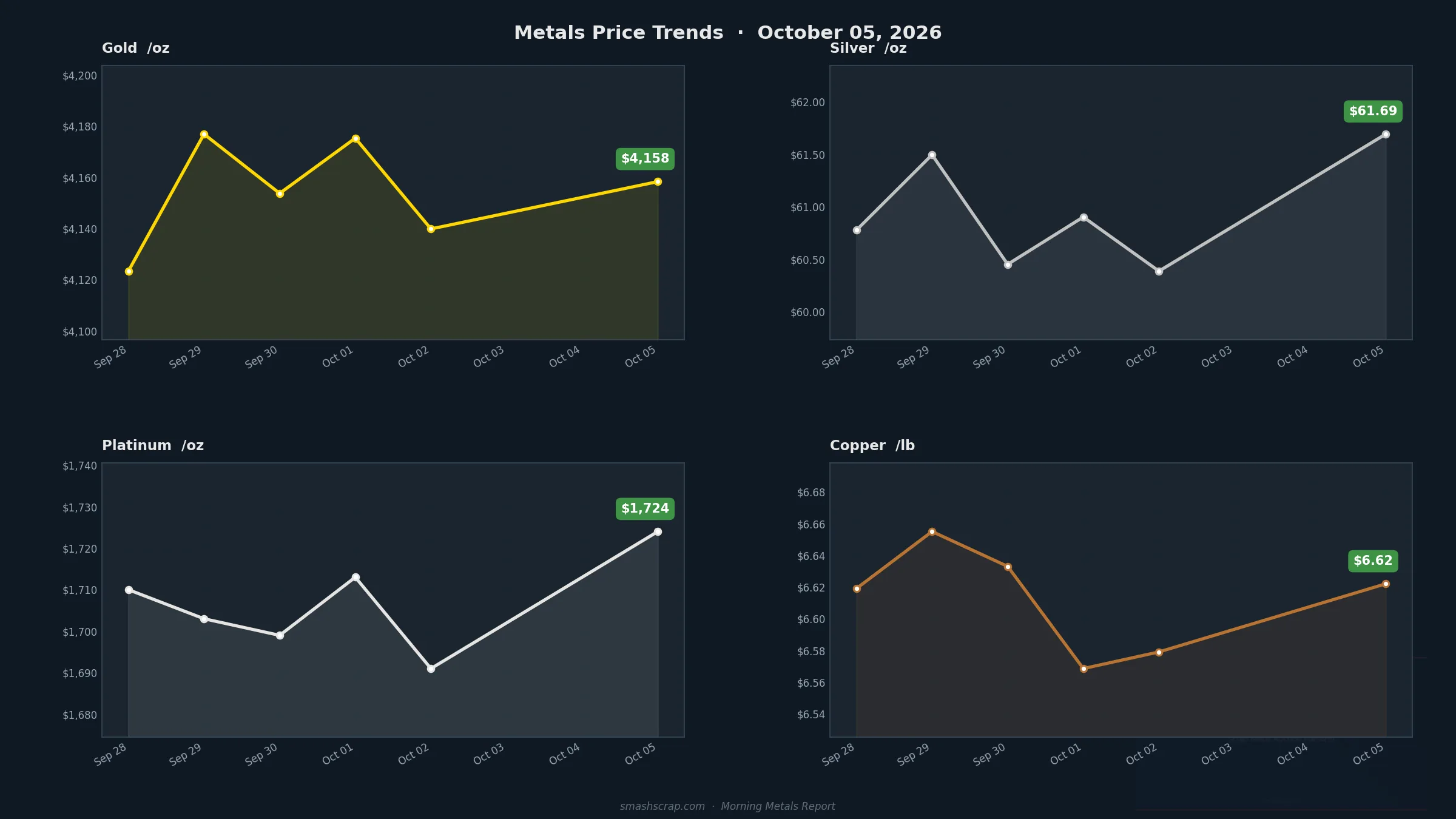
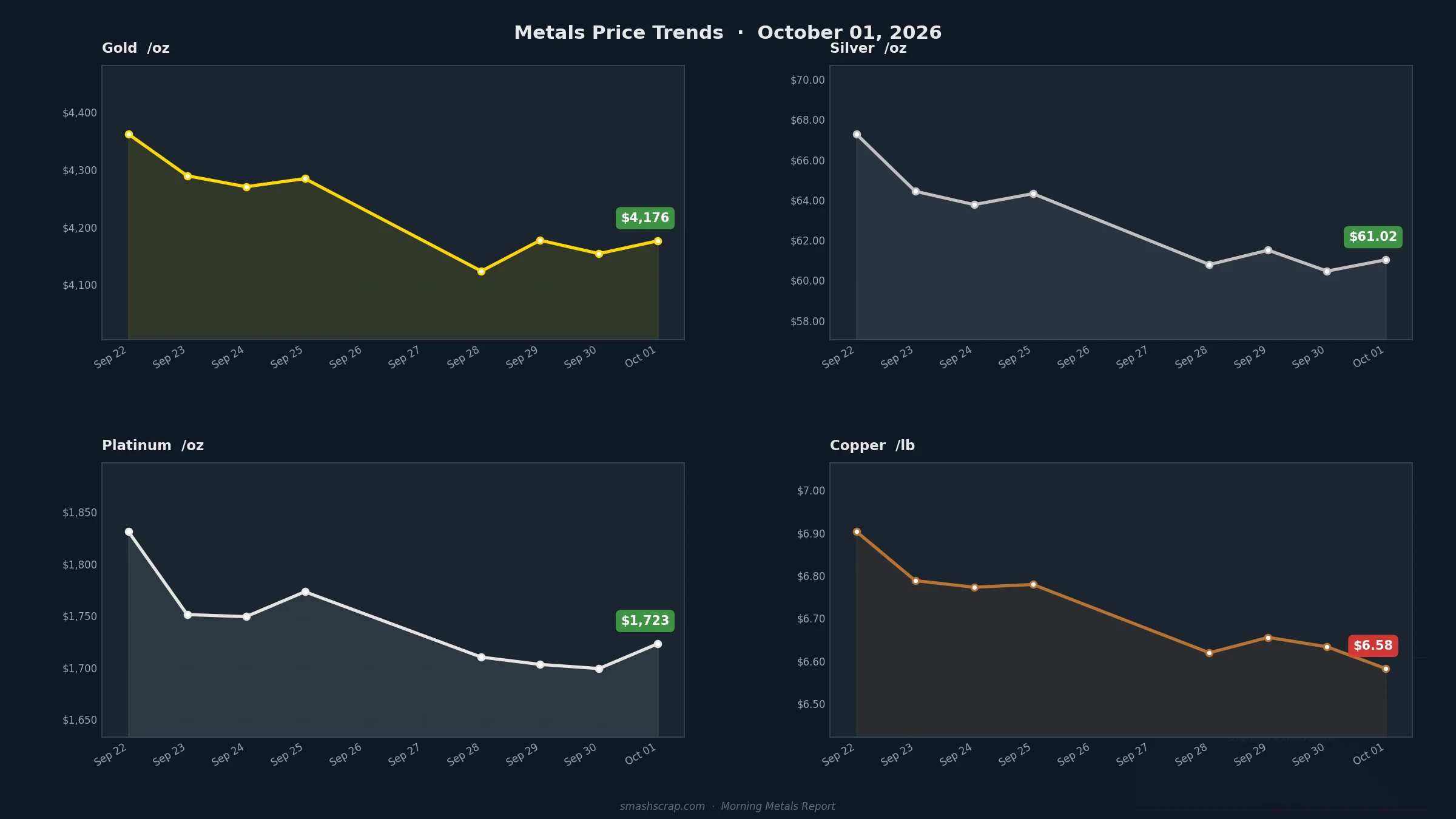
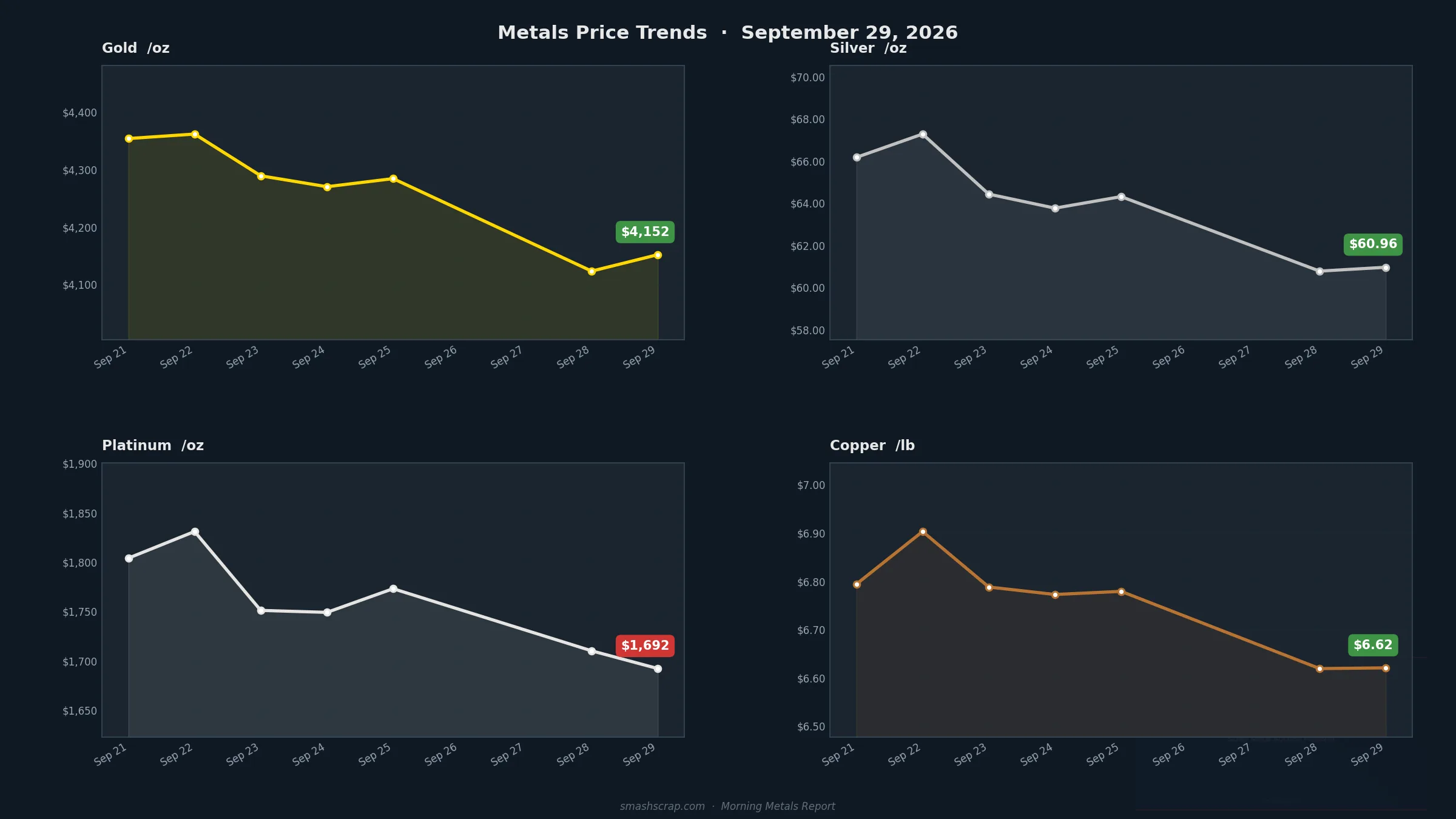
For decades, scrap metal pricing in Canada operated on handshake agreements and long-standing buyer relationships. A yard would call their usual buyer, get a quote, and accept it — because what else were they going to do? Drive metal across the province on a rumour? That model worked when margins were comfortable. It doesn't hold up in 2026's volatile commodities environment, where copper scrap prices, platinum prices, palladium prices, and rhodium prices can shift meaningfully week over week.
The problem with opacity is that it compounds. When a seller doesn't know what the market is actually paying, they can't negotiate effectively. They can't time their sales. They can't identify which materials in their inventory are currently commanding a premium. For auto recycling Kamloops operations specifically, geographic isolation from major urban centres has historically meant less access to competitive bidding — and therefore lower average payouts.
- Catalytic converters are a prime example: a single unit can contain meaningful quantities of platinum, palladium, and rhodium, all of which trade independently on global commodity markets. Without knowing current spot prices for each, a seller is negotiating blind.
- Copper wiring and radiators from dismantled vehicles fluctuate based on global demand — copper recycling Kamloops sellers who check live market data consistently outperform those who rely on static monthly price sheets.
- Ferrous grades like shredder-ready steel and cast iron follow their own cycles, often independent of non-ferrous swings.
The cost of not knowing isn't just a missed dollar here or there. Across a month of transactions, across a year of operations, it's the difference between a yard that grows and one that stagnates. Platforms like SMASH are built specifically to eliminate this information asymmetry.
A Case Study in Transparent Pricing: What Changes When You Can See the Market
Consider a composite scenario built from common experiences reported by Canadian scrap operators who've made the transition to auction-based selling. An auto recycler — operating in a mid-sized British Columbia market — had been selling catalytic converters through a single buyer for years. The relationship was comfortable. The cheques cleared on time. But the operator had no real sense of whether the pricing was competitive.
When they began listing converters through a transparent scrap metal auction platform, two things happened almost immediately:
- Multiple buyers competed for the same material. Instead of one offer, the seller received several. The auction format meant buyers had to show their best price to win the lot — not their most comfortable margin.
- The seller gained market intelligence. By seeing where bids came in and how they related to spot prices for platinum, palladium, and rhodium, the operator started understanding the real value of their inventory. They could now explore SMASH Recycling's auction platform and see live competitive data that simply wasn't available to them before.
The outcome wasn't a dramatic windfall overnight. Transparent pricing isn't a magic trick. What it delivered was consistency — consistently better prices, consistently better information, and consistently better decisions about when to sell and when to hold. Over a quarter, the improvement in net returns was significant enough to justify operational changes, including hiring an additional part-time dismantler to process more inventory.
That's the compounding effect of transparency. It doesn't just improve one transaction. It improves your entire operation's logic.
Scrap Metal Inventory Management: The Discipline That Unlocks Pricing Power
Transparent pricing only delivers its full benefit when it's paired with solid scrap metal inventory management. This is where many yards — including those in Kamloops and across British Columbia — still leave money behind. Knowing that catalytic converter prices today are strong doesn't help you if you don't know exactly how many converters you have, what grades they are, or where they're physically located in your yard.
Effective inventory management for Canadian auto recyclers in 2026 looks like this:
- Grade segregation at intake: Sorting copper, aluminum, and ferrous materials at the point of dismantling rather than later saves time and increases the accuracy of auction listings.
- Catalytic converter cataloguing: Logging converters by make, model, and year at dismantling allows sellers to accurately describe lots when listing on a B2B scrap metal marketplace — which directly improves bid quality.
- Regular inventory audits: Knowing what you're sitting on at any given moment lets you respond quickly when commodity prices spike. A well-catalogued yard can list within hours of a price movement.
- Weight verification: Accurate weights at intake prevent disputes at settlement and build your reputation as a reliable seller on any auction platform.
Organizations like the Automotive Recyclers of Canada (ARC) and the Ontario Automotive Recyclers Association (OARA) have long advocated for operational best practices among auto wreckers Canada-wide. Their guidelines on inventory tracking and parts documentation align closely with what modern auction platforms require from sellers — making compliance with industry standards and marketplace readiness essentially the same goal.
When you read the latest from SMASH Recycling, you'll find regular insights on how to structure your inventory for auction success — because the platform performs best when sellers bring organized, well-described material to market.
Why Competitive Bidding Specifically Matters for Automotive Recyclers Ontario and Across Canada
The transparent pricing conversation isn't unique to Kamloops or British Columbia. Automotive recyclers Ontario face the same structural challenge — a buyer-heavy market where sellers historically lacked the tools to pit buyers against each other in a fair, open format. The difference in Ontario is scale: with more yards operating in closer proximity, the inefficiency was sometimes masked by the sheer volume of activity. In smaller markets like the B.C. Interior, the gap between opaque and transparent pricing is even more pronounced.
What a competitive auction format does for any seller, regardless of geography:
- It removes the single-buyer dependency that suppresses prices over time.
- It creates a documented price history that sellers can use to benchmark future transactions.
- It shifts negotiating leverage away from buyers who've historically held it by default.
- It gives smaller yards access to a national buyer pool — the same buyers that large urban operations have always had relationships with.
For copper recycling Kamloops sellers, this national reach is especially valuable. Copper buyers in Toronto or Montreal may pay meaningfully more than local buyers simply because their processing economics are different. Without a platform that connects Canadian sellers to national buyers, that premium never materialises.
SMASH is built on the premise that every Canadian scrap seller — regardless of size or location — deserves access to the same competitive market. Find the best price for your scrap on SMASH and see what competitive bidding actually delivers for your specific materials and grades.
The 2026 Market Reality: Why Transparency Matters More Than Ever
Commodity markets in 2026 are not gentle. Platinum, palladium, and rhodium — the precious metals that make catalytic converter prices today so consequential for auto recyclers — have all experienced significant volatility driven by global supply chain dynamics, electrification trends in the automotive sector, and shifting industrial demand. Copper has followed its own volatile path, responding to infrastructure spending cycles and energy transition demand.
In this environment, the gap between an informed seller and an uninformed one grows wider, not narrower. A seller who checks live scrap metal prices today before accepting an offer will consistently outperform a seller who accepts the first number offered. A seller using a transparent auction platform will outperform both.
The good news is that the tools to be an informed seller have never been more accessible. Platforms like SMASH aggregate buyer demand, surface competitive bids, and provide sellers with the market visibility that was previously reserved for large-scale operations with dedicated purchasing staff. For a yard in Kamloops managing a mix of ferrous, non-ferrous, and catalytic converter inventory, that visibility is genuinely transformative.
If you're ready to stop guessing and start selling at market price, join Canada's B2B scrap marketplace on SMASH Recycling and see what a competitive, transparent auction platform delivers for your operation.
Disclaimer: Scrap metal prices fluctuate based on global commodity markets, local supply and demand, and material grade. Always check current rates before completing any transaction.
Frequently Asked Questions
Q: What is the benefit of using a scrap metal auction platform for auto recycling in Kamloops?
A scrap metal auction platform connects Kamloops sellers to a national pool of buyers who compete for your material — rather than relying on a single local buyer with no competitive pressure. This typically results in better prices, particularly for high-value materials like catalytic converters and copper. For yards in the B.C. Interior, access to national buyers can close the geographic pricing gap significantly.
Q: How do catalytic converter prices work, and how do I know if I'm getting a fair price?
Catalytic converter prices are primarily driven by the spot prices of the precious metals they contain — platinum, palladium, and rhodium. These metals trade daily on global commodity exchanges, so prices can change week to week. Using a transparent auction platform allows you to see what multiple buyers are willing to pay based on current spot prices, giving you a market-validated benchmark rather than a single buyer's margin-adjusted offer.
Q: Are organizations like ARC or OARA relevant to scrap yards in British Columbia?
Yes. The Automotive Recyclers of Canada (ARC) represents auto recyclers nationally, including operations in British Columbia. Their best practice standards — covering everything from parts documentation to environmental compliance — apply across the country. OARA is Ontario-specific but sets a recognized industry benchmark that many B.C. operators look to as a reference for operational standards.
Q: What should I know about scrap metal inventory management before joining an auction platform?
Good inventory management — accurate weights, grade segregation, and material cataloguing — directly improves your auction results. Buyers bid higher on clearly described, well-graded lots because it reduces their processing risk. Starting with basic intake tracking and converter cataloguing will give you the data you need to list confidently and attract competitive bids from day one.
Q: Can small auto wreckers in Canada compete on a B2B scrap metal marketplace?
Absolutely. A transparent B2B marketplace levels the playing field by giving smaller yards access to the same national buyer network that large operations use. You don't need high monthly volumes to benefit — even a single well-described catalytic converter lot or a sorted copper lot can attract multiple bids from qualified buyers across Canada.
Ready to see what transparent pricing does for your yard? Join Canada's B2B scrap marketplace and register at smashrecycling.ca today.
Follow SMASH on LinkedIn for ongoing industry updates, Canadian scrap metal price insights, and platform news delivered directly to your feed.