Scrap Car Recycling Dartmouth: Online Auctions Win
Why Canadian Scrap Businesses Are Abandoning Phone Calls for Online Auctions
Here's a number worth sitting with: Canadian metal recyclers who switch from traditional negotiated sales to competitive online auctions report significantly higher returns on the same material — simply because more buyers are bidding. That's not a marketing claim. That's basic supply and demand working in your favour. If you're running a scrap yard in Dartmouth, managing a fleet of end-of-life vehicles in Nova Scotia, or processing catalytic converters anywhere in Canada, the shift to B2B auction platforms is reshaping how deals get done in 2026.
This guide breaks down exactly how B2B scrap metal auctions work in Canada, compares them to traditional selling methods, and explains why platforms like SMASH Recycling's auction platform are giving Canadian scrap sellers a genuine competitive edge.
Traditional Scrap Selling vs. B2B Auction Platforms: A Direct Comparison
Most Canadian scrap sellers have spent years doing business the old way — calling three or four buyers, waiting on callbacks, accepting a price that felt reasonable but was never truly tested by the market. It works. But it consistently leaves money on the table. Here's how traditional selling stacks up against modern B2B auction platforms:
- Price discovery: Traditional sales rely on one buyer's offer at one moment in time. Auctions expose your lot to dozens of verified buyers simultaneously, driving prices toward true market value.
- Transparency: Phone-based deals are opaque — you rarely know if you're getting a fair rate. Auction platforms display live bids, giving sellers real-time visibility into scrap metal prices today.
- Speed: Waiting days for a buyer to call back costs you time and holding costs. Structured auctions run on defined timelines, so you know exactly when your metal moves.
- Buyer network: A local broker connects you to maybe a handful of buyers. A national B2B platform like SMASH connects you to verified processors, smelters, and exporters across Canada.
- Documentation: Informal deals often lack proper paper trails. Auction platforms generate transaction records automatically — critical for compliance with industry standards upheld by organizations like the Automotive Recyclers of Canada (ARC) and the Ontario Automotive Recyclers Association (OARA).
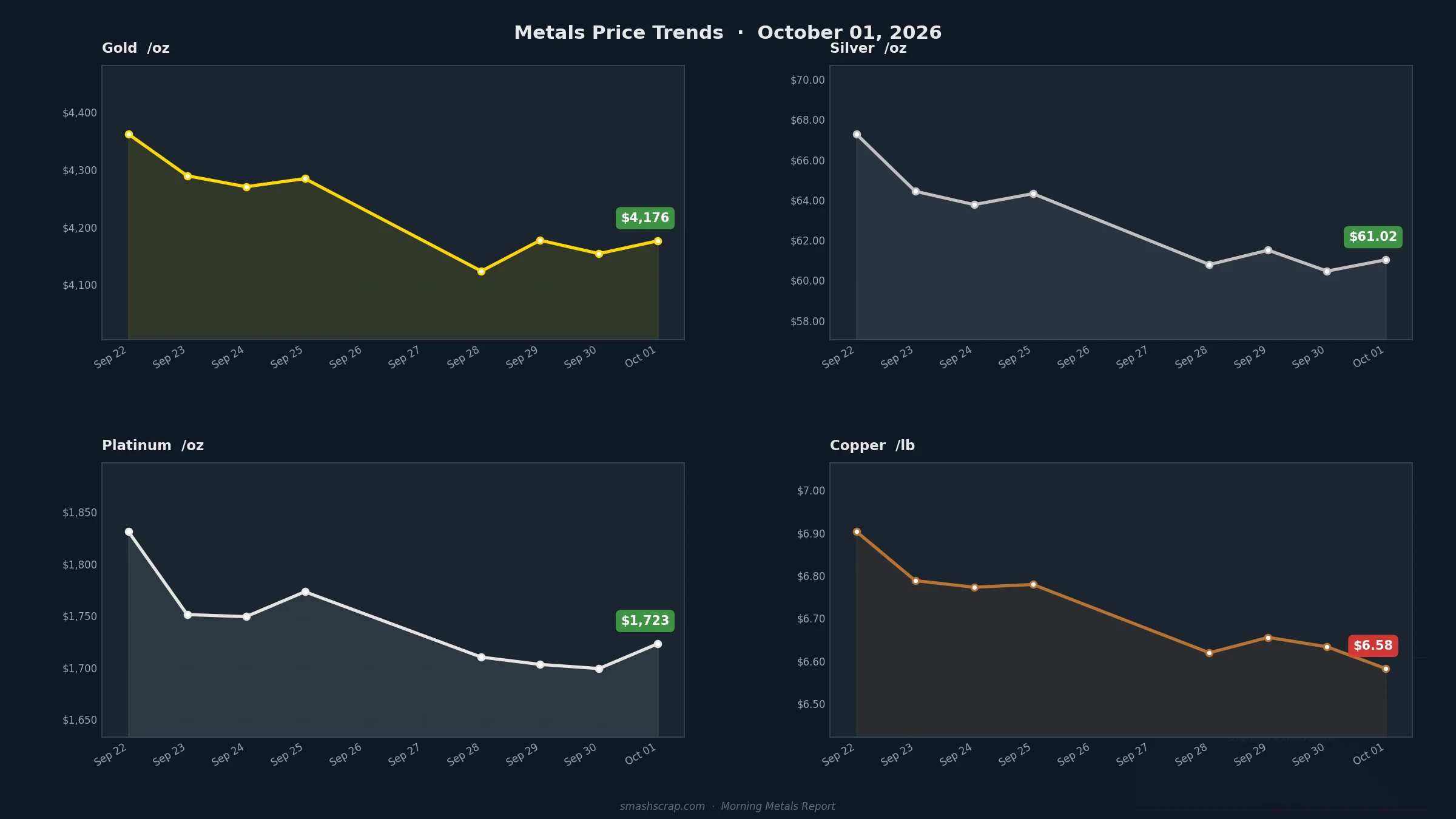
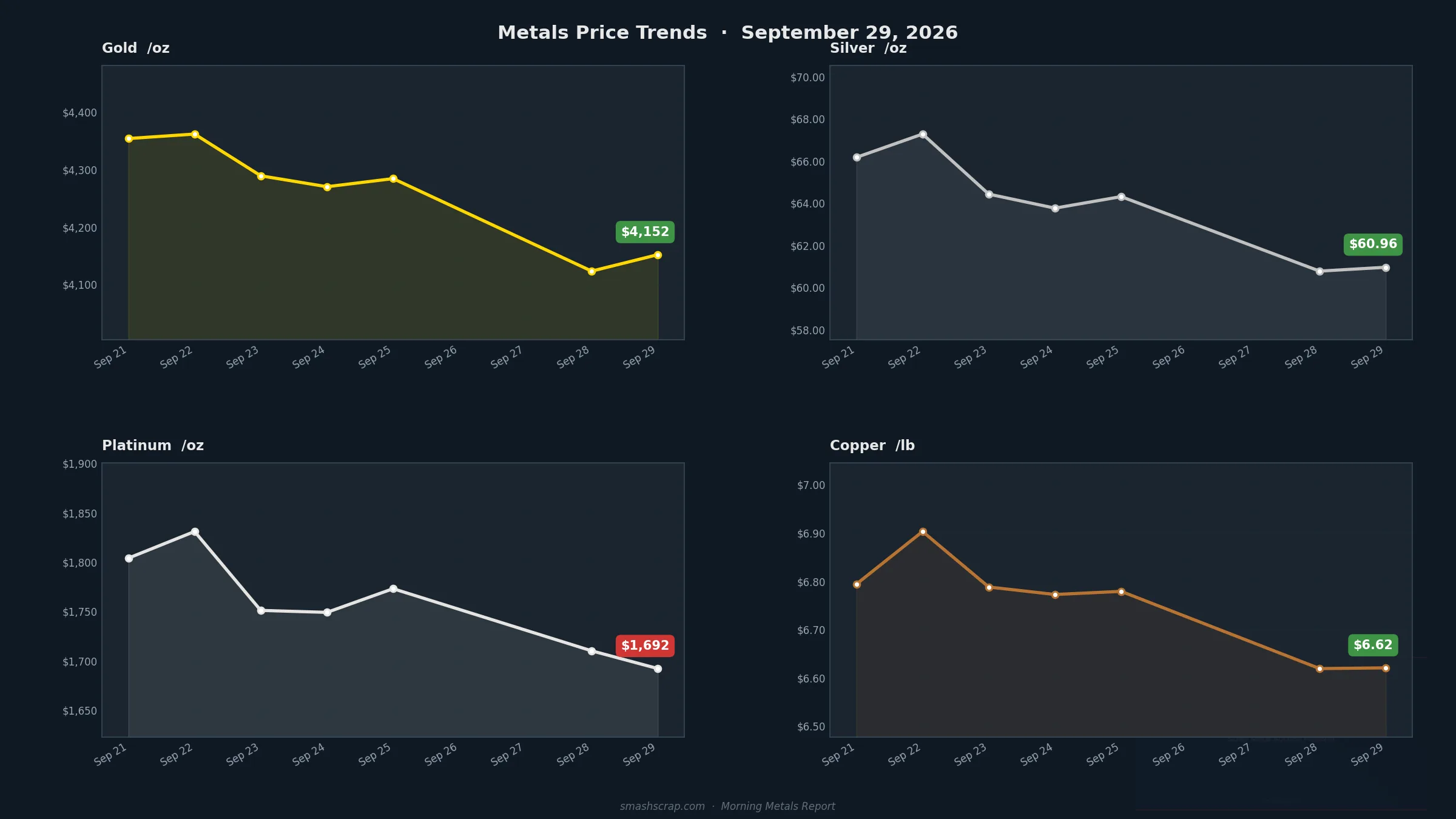
The gap is clearest when you're selling high-value material. Consider catalytic converter recycling Canada: converters contain platinum, palladium, and rhodium — precious metals whose spot prices swing daily. Selling a converter lot to a single buyer without competition means you're almost certainly undervaluing it. An auction where multiple smelters bid competitively against each other means your catalytic converter prices today reflect actual market demand, not one buyer's margin.
How B2B Scrap Metal Auctions Actually Work in Canada
If you've never used a B2B scrap metal auction platform, the process is more straightforward than most sellers expect. Here's a step-by-step breakdown of how a typical Canadian auction cycle works on a platform like SMASH Scrap — where verified buyers bid on your metal:
- Seller registration and verification: You create a seller account and go through a verification process. This protects buyers from fraudulent listings and signals to the market that you're a legitimate operation.
- Lot creation: You photograph and describe your material — whether that's a pallet of catalytic converters, a tonne of copper wire, a batch of end-of-life vehicles for scrap car recycling Dartmouth, or mixed ferrous loads. Accurate descriptions drive better bids.
- Lot grading or assay: For high-value material like catalytic converters, assay reports showing platinum, palladium, and rhodium content dramatically improve bid confidence — and therefore bid prices.
- Auction listing: Your lot goes live on the platform. Verified buyers receive notifications based on their material preferences and geographic scope.
- Competitive bidding: Multiple buyers bid in real time or over a set auction window. You watch bids climb — or set a reserve price to ensure you never sell below your floor.
- Award and settlement: The winning buyer is confirmed, payment terms are executed, and logistics are arranged. The entire process is documented for compliance and record-keeping purposes.
This structure eliminates the information asymmetry that has historically favoured buyers over sellers in Canadian scrap markets. When you join Canada's B2B scrap marketplace on SMASH Recycling, you're not just listing metal — you're accessing a transparent, competitive environment designed to maximize your return on every load.
What Material Types Benefit Most from Auction-Based Selling
Not every piece of metal benefits equally from an auction format. The highest gains tend to appear in material categories where price volatility is high, buyer competition is strong, or traditional buyers have the most room to undercut sellers. Based on current market dynamics in 2026, here are the categories where B2B auctions deliver the most value:
- Catalytic converters: With platinum, palladium, and rhodium prices fluctuating daily, converter lots are among the most auction-sensitive materials in Canadian scrap. A shift of even a few percentage points in palladium price or rhodium price can mean thousands of dollars on a single lot. Auctions ensure you capture that value.
- Copper scrap: Copper scrap prices track global commodity markets closely. Verified copper lots attract smelters and wire mills who compete aggressively for reliable supply — exactly the scenario where auction pricing outperforms negotiated deals.
- End-of-life vehicles (ELVs): Whether you're processing vehicles in Dartmouth or across Nova Scotia, ELV lots contain a mix of ferrous metal, aluminum, copper wiring, and catalytic converters. Auction buyers who specialize in automotive dismantling bid competitively for complete vehicle packages.
- Stainless steel and aluminum: Both materials have active buyer networks in Canada who track grade specifications closely. Well-documented auction lots attract premium bids from buyers who know exactly what they're getting.
- Mixed precious metal scrap: Circuit boards, industrial catalysts, and specialty alloys all benefit from the broader buyer network that auction platforms provide compared to local broker relationships.
For operations focused on scrap car recycling Dartmouth and the surrounding Maritime region, ELV auctions represent a particularly strong opportunity. Atlantic Canada has historically been underserved by national metal buyers — B2B auction platforms break down that geographic barrier entirely.
Can You Recycle Scrap Metal Through an Online Auction Platform?
This is one of the most common questions Canadian recyclers ask when they first encounter B2B auction platforms: can I recycle scrap metal this way, or is it just for large industrial operations? The honest answer is that B2B auctions are designed for businesses — scrap yards, auto recyclers, industrial facilities, and fleet operators — rather than individual homeowners with a bag of old pipes.
If you're running a legitimate scrap operation of any meaningful scale, the answer is a clear yes. Platforms like SMASH are built for exactly the kind of seller who processes material regularly, needs reliable price discovery, and wants to move lots efficiently without depending on a single buyer relationship. The SMASH scrap metal auction model works whether you're selling one pallet of catalytic converters or a multi-tonne load of prepared copper. The key is that you're operating as a business, not a one-time seller.
Industry organizations like the Ontario Automotive Recyclers Association (OARA) and Automotive Recyclers of Canada (ARC) have long emphasized transparency, documentation, and competitive pricing as pillars of professional recycling practice. B2B auction platforms are the natural infrastructure for meeting those standards at scale.
Scrap Metal Recycling Canada: Regional Pricing and Platform Advantages
One persistent challenge in scrap metal recycling Canada is that prices vary significantly by region. A processor in Dartmouth selling copper scrap may receive a materially different offer than a yard in Toronto or Vancouver — not because the copper is worth less, but because the local buyer network is smaller and competition is lower. That regional price gap is a direct tax on Maritime and rural Canadian scrap operators.
B2B auction platforms solve this by making geography largely irrelevant to price discovery. When a verified copper smelter in Ontario or a catalytic converter processor in Quebec can bid on your Dartmouth lot — and logistics are factored into their bid — you're suddenly competing in a national market rather than a local one. That's a structural shift that consistently closes regional price gaps.
For sellers wondering how to sell catalytic converters online, the auction model is particularly well-suited. Converter lots are small, high-value, and easy to ship — meaning buyers from across Canada will readily bid on them if the lot documentation is strong. A well-photographed, accurately described converter auction from a Nova Scotia yard can attract bids from processors in every major Canadian market.
Stay current on market movements and platform updates by visiting the latest from SMASH Recycling — useful reading for any Canadian scrap professional tracking commodity pricing in real time.
Frequently Asked Questions
Q: How does scrap car recycling in Dartmouth work through a B2B auction platform?
Dartmouth-based auto recyclers can list end-of-life vehicle lots on a B2B platform like SMASH, where verified buyers across Canada bid competitively. The process covers documentation, pricing, and logistics coordination — giving Dartmouth sellers access to a national buyer network rather than just local options.
Q: Can I sell catalytic converters through an online scrap auction in Canada?
Yes. Catalytic converters are among the best-performing materials in online B2B scrap auctions because they contain platinum, palladium, and rhodium — precious metals with active buyer networks. Providing assay documentation significantly improves bid results and reflects current catalytic converter prices today.
Q: What is the minimum lot size to use a B2B scrap metal auction platform?
Minimum lot sizes vary by platform, but most B2B scrap auctions are designed for commercial volumes — typically material worth several hundred dollars or more per lot. Individual homeowners with small quantities of metal are generally better served by local scrap yards rather than B2B platforms.
Q: Are B2B scrap metal auction prices better than negotiated deals in Canada?
In most cases, yes — particularly for high-value or commodity-sensitive material like copper, catalytic converters, and aluminum. Competitive bidding consistently drives prices closer to true market value than one-on-one negotiations where buyers control the information.
Q: How do Canadian scrap auction platforms handle compliance and documentation?
Reputable platforms generate automatic transaction records, seller verification documentation, and lot history — supporting compliance with standards promoted by industry bodies like ARC and OARA. This documentation is especially important for automotive recyclers in Nova Scotia and across Canada who need clean paper trails for regulatory purposes.
---The scrap market in Canada is more competitive than it has ever been — and that competition increasingly favours sellers who use the right tools. If you're processing vehicles, converters, or industrial metal anywhere from Dartmouth to the rest of Nova Scotia to British Columbia, moving your sales to a transparent B2B auction environment is one of the highest-leverage changes you can make to your business. Join Canada's B2B scrap marketplace on SMASH Recycling and start getting what your material is actually worth.
Follow SMASH on LinkedIn for ongoing scrap metal market insights, platform updates, and Canadian industry news worth staying ahead of.