St. John's Scrap Metal Market 2026: Margins & Pricing
The Canadian scrap metal market has never been simple. But in 2026, it's operating under more pressure than ever — tighter margins, shifting commodity prices, new e-waste regulations, and buyers who've gotten a lot more selective about what they'll take and at what price. If you're running a yard, managing a fleet of end-of-life vehicles, or sitting on a pile of non-ferrous material, you need a clear picture of what's actually happening right now.
This isn't a cheerleader piece. It's a straight look at the state of the market — the wins, the headaches, and the tools that are helping Canadian recyclers stop leaving money on the table.
---Where the Canadian Scrap Metal Market Stands in 2026
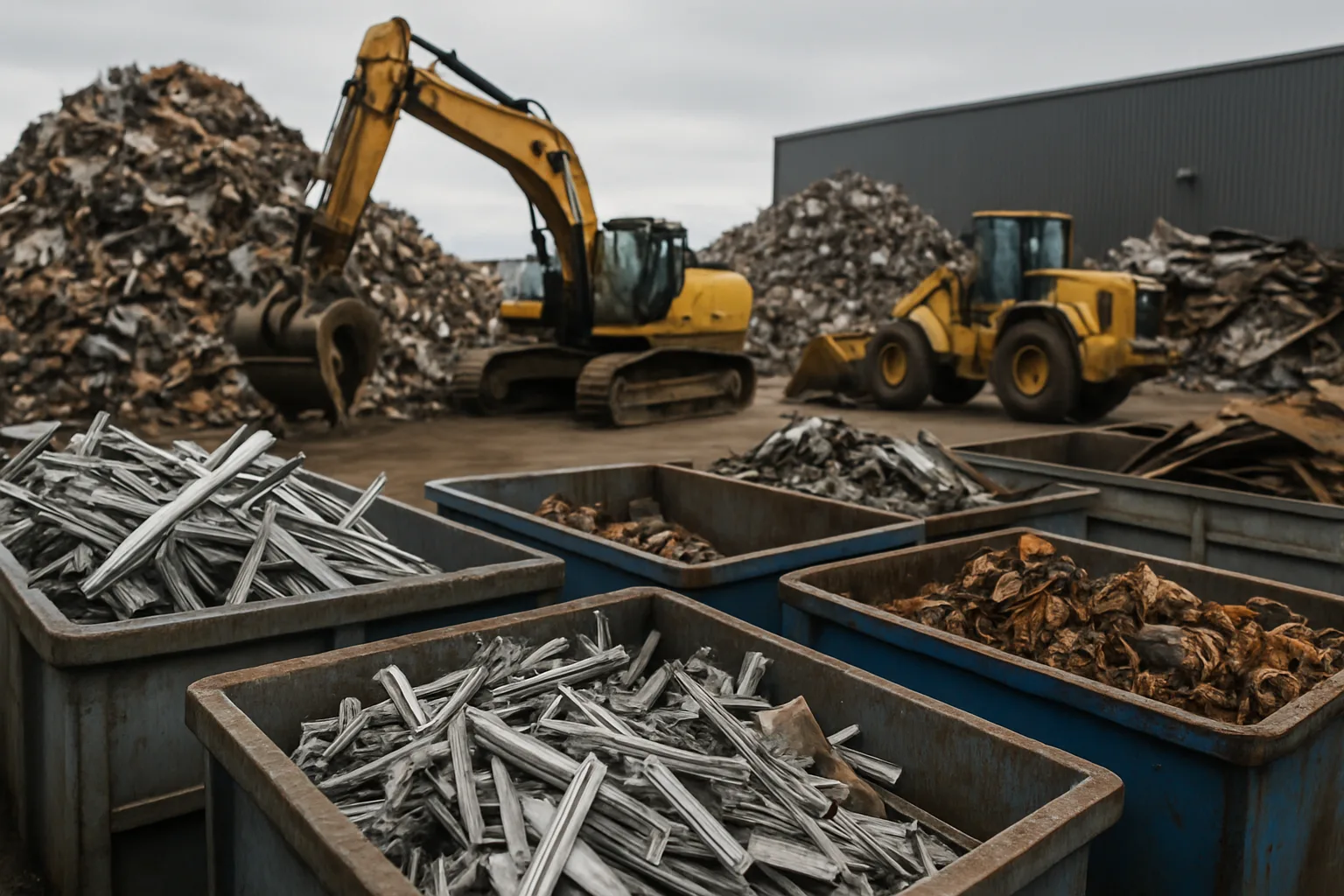
Canada's scrap metal sector remains one of the country's most active recycling industries. Ferrous and non-ferrous material flows through hundreds of yards from Vancouver Island to St. John's, feeding domestic steel mills and export markets across Asia, Europe, and the U.S. That pipeline hasn't dried up — but it has gotten more complicated.
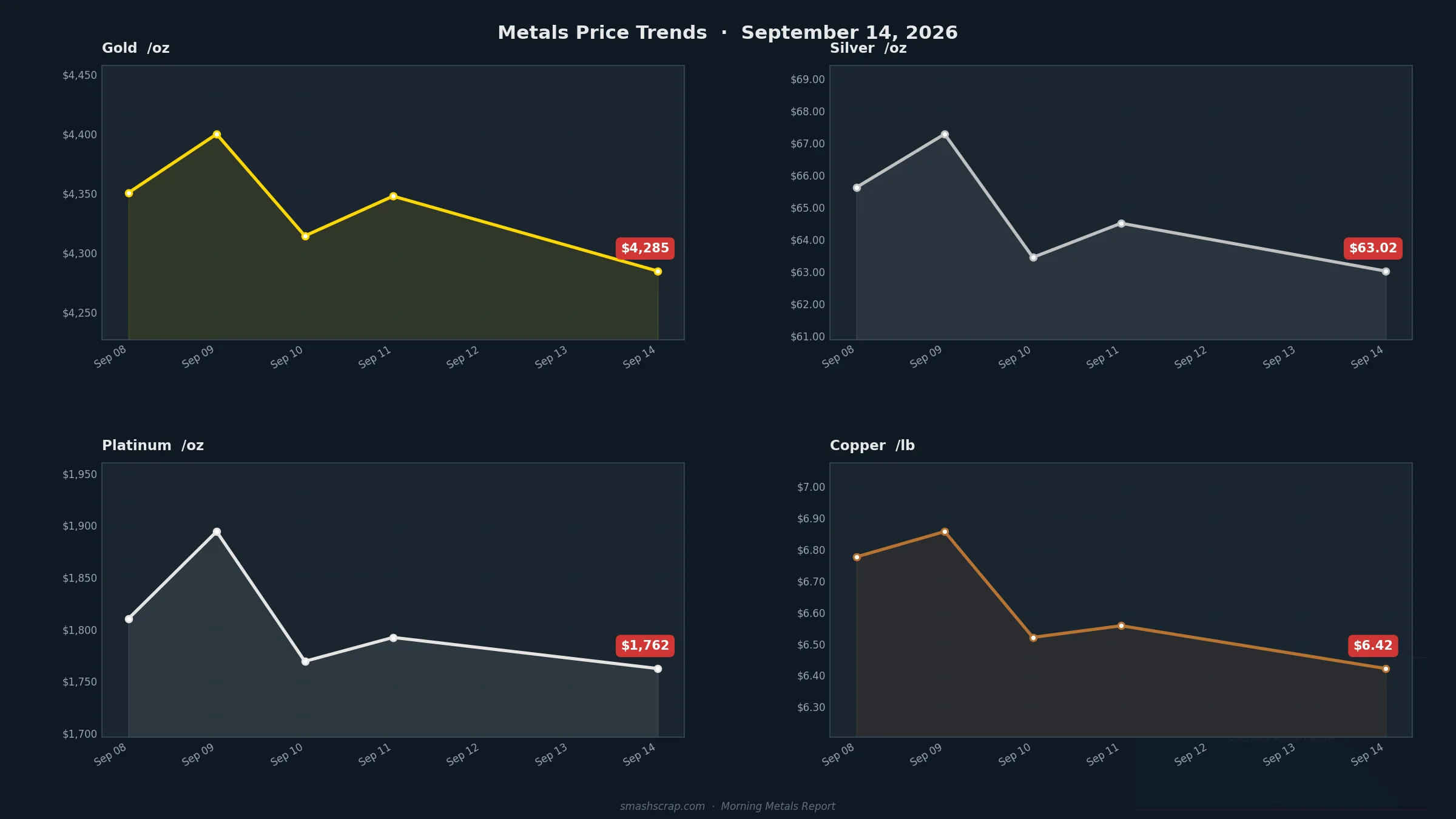
Global steel demand remains uneven. Copper scrap prices have been volatile, driven by EV infrastructure buildout and shifting manufacturing output. Platinum, palladium, and rhodium — the metals inside catalytic converters — have seen significant price swings tied to South African mine supply and automotive production schedules. Any recycler moving cats in volume already knows this. Price discovery matters more now than it did five years ago.
A few key realities defining the market right now:
- Non-ferrous metals are where the margin lives. Copper, aluminum, and PGMs (platinum group metals) continue to command strong buyer interest, but pricing gaps between buyers can be substantial on the same load.
- Catalytic converter theft and scrutiny have pushed regulators and buyers to demand tighter documentation — serial tracking, photos, chain-of-custody records.
- E-waste is growing fast. From St. John's to Calgary, yards are handling more circuit boards, wire harnesses, and decommissioned electronics than ever before. Regulations around e-waste recycling in Newfoundland and Labrador and other provinces are tightening.
- Single-buyer relationships are a liability. Yards locked into one buyer for cats or copper are flying blind on price. If your buyer sets the number and you have no comparison point, you're guessing.
That last point is the one most yards haven't fully reckoned with yet.
---5 Segments of the Canadian Scrap Market — Compared Honestly
Not all scrap is equal, and not all segments are performing the same way. Here's a direct comparison of what's hot, what's complicated, and what you need to watch.
1. Ferrous Scrap (Steel, Iron)
Still the backbone of the industry by volume. Shredder feedstock, heavy melt, and HMS (heavy melting steel) keep the mills running. But margins per ton are thinner here than non-ferrous. Yards doing high ferrous volume need efficiency — fast intake, accurate weights, clean documentation — more than they need premium pricing strategies. The game here is throughput.
2. Copper Scrap
Copper remains one of the highest-value materials per pound in a typical yard. Bare bright, #1 copper, and #2 copper each carry different price points, and the spread matters. Copper scrap prices vary by grade and region, and having more than one buyer quoting on the same load consistently reveals better numbers than a single call to your regular buyer. If you're moving copper and not running any competitive process, you're leaving real money behind.
3. Catalytic Converters
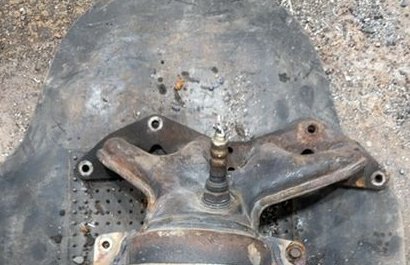
Cats are the most complex category in the scrap market right now. Platinum price, palladium price, and rhodium price all move independently and can shift meaningfully week to week. A catalytic converter auction format — where vetted buyers compete on your documented inventory — gives you actual market discovery rather than a single buyer's take-it-or-leave-it quote. SMASH was built specifically for this. VIN lookup, serial tracking, photo documentation — it's all there so buyers have confidence in what they're bidding on, and you get real competition on your load.
4. E-Waste and Electronics
This is the fastest-growing category and the least standardized. Circuit boards carry gold and silver. Wire harnesses carry copper. Hard drives, servers, and decommissioned industrial equipment all have recovery value that most yards underestimate. E-waste recycling in St. John's and across Newfoundland and Labrador has grown alongside the province's commercial and industrial sector. Provincial e-waste programs set baseline standards, but getting competitive pricing on higher-value electronics scrap still requires market access that most yards don't have on their own.
5. Auto Salvage and End-of-Life Vehicles
Auto salvage in Ontario, Canada is the biggest market by volume for ELV processing, but yards in Atlantic Canada — including Newfoundland and Labrador — deal with the same fundamentals. Parts sales, fluid draining, core recovery, and finally the shredder. The catalytic converter is often the highest single-value component left on a vehicle after parts are stripped. How you sell that cat matters. Explore SMASH Recycling's auction platform to see how yards are handling cat sales differently in 2026.
---The Documentation Problem — and Why It's Getting Worse
Catalytic converter theft pushed regulators across Canada to demand better record-keeping. That's not going away. In fact, provincial and federal expectations around chain-of-custody documentation for high-value scrap — particularly PGM-bearing material — are only getting more detailed.
For yards in Newfoundland and Labrador, this is relevant whether you're processing 50 cats a month or 500. The Automotive Recyclers of Canada (ARC) and the Ontario Automotive Recyclers Association (OARA) have both pushed for industry-wide documentation standards that protect legitimate recyclers from getting lumped in with bad actors. That's good policy — but it only protects you if your records are actually solid.
SMASH handles this directly. Every load listed through the platform includes photo documentation, serial number tracking, and a full inventory record. That documentation doesn't just satisfy regulators — it gives buyers more confidence, which means stronger bids. Documented inventory creates better price discovery. That's not a slogan; it's how auctions work.
If your current process is a handwritten count and a verbal quote, 2026 is the year to fix that.
---Why a B2B Scrap Metal Marketplace Changes the Math
Here's the old way: you call your buyer, they give you a number, you take it or spend two hours calling around trying to find a better one. Most of the time you take it. You have no idea if that number reflects the actual market.
Here's the SMASH way: you list your load — cats, copper, cores, whatever — with documentation. Vetted buyers see it. They compete. You see what the market actually thinks your material is worth.
More buyers means better price discovery. That's not a guarantee of a higher price every time — markets move, material varies, loads differ. But competition consistently reveals more about true market value than a single phone call does. That's why selling your scrap metal on the SMASH marketplace is a different experience than the one-buyer model most yards have been running for years.
There are no subscription fees. SMASH only earns when you sell. That alignment matters — the platform has a direct reason to help you get competitive bids, not just to get you to log in every month.
For yards in St. John's or anywhere across Atlantic Canada, geographic isolation used to mean limited buyer access. A B2B scrap metal marketplace removes that constraint. Your load competes in the same pool as material from Ontario or Alberta. That's a structural advantage that didn't exist five years ago.
---Scrap Metal Prices in Canada: What to Watch in the Second Half of 2026
Pricing forecasts are risky to make and fast to age. So instead of inventing numbers, here's what actually drives scrap metal prices in Canada per ton and what's worth tracking right now.
- Platinum price: Tied closely to hydrogen fuel cell development and South African mine output. Watch both.
- Palladium price: EV adoption continues to reduce long-term demand for ICE-dependent catalysts, but the transition is slower than headlines suggest. Short-term palladium demand from ICE vehicles remains meaningful.
- Rhodium price: Historically the most volatile of the three PGMs. Small supply shifts create large price moves. Yards holding rhodium-bearing cats should monitor closely.
- Copper scrap prices: Driven by infrastructure spending (particularly EV charging networks and grid upgrades), Chinese manufacturing demand, and USD/CAD exchange rates for Canadian sellers.
- Ferrous (steel scrap): Watch North American mill utilization rates and scrap export demand. Seasonal patterns still apply.
Disclaimer: Scrap metal prices fluctuate daily based on commodity markets, regional demand, and material quality. Always check current rates before pricing a load. Nothing in this article constitutes a price quote.
The best way to know what your material is worth today isn't to read an article. It's to put it in front of multiple vetted buyers and see what they'll actually pay. Read the latest from SMASH Recycling for ongoing market context and platform updates.
---What St. John's Yards Are Dealing With Right Now
St. John's is not a small market. Newfoundland and Labrador's industrial base — offshore energy, construction, marine salvage — generates significant scrap volume. But yards in St. John's have historically faced the same challenge as many regional markets: limited local buyer competition means prices are set by whoever picks up the phone first.
That dynamic is shifting. Digital platforms have made geography less determinative for pricing. A yard in St. John's listing a load of cats or copper wire on a B2B marketplace is competing for buyer attention the same way a yard in Toronto or Edmonton is. The material travels; the buyer competition is national.
For yard operators in Newfoundland and Labrador looking to modernize their sales process, the practical starting point is simple: document better, list competitively, and stop assuming your current buyer is giving you the market rate. They may be. But you won't know until you test it.
If you're ready to find out, join Canada's B2B scrap marketplace on SMASH Recycling and get your material in front of buyers who are actually competing for it.
---Frequently Asked Questions
Q: What is the current state of the Canadian scrap metal market in 2026?
The Canadian scrap metal market in 2026 is active but complex. Non-ferrous metals like copper and catalytic converter PGMs (platinum, palladium, rhodium) remain high-value categories, while ferrous scrap continues to move in volume. Price volatility, tighter documentation requirements, and the shift toward competitive digital marketplaces are the defining trends this year.
Q: How do catalytic converter auctions work for Canadian scrap yards?
A catalytic converter auction lists your documented inventory — with photos, serial numbers, and VIN data — and allows vetted buyers to place competing bids. Platforms like SMASH handle the documentation, buyer vetting, and auto-invoicing. You see multiple bids and accept the best one. It replaces the single-buyer phone call with actual market competition.
Q: Are there scrap metal buyers in St. John's, Newfoundland and Labrador?
Yes. St. John's has an established scrap and recycling sector, with buyers and yards handling ferrous, non-ferrous, and end-of-life vehicle material. For higher-value loads — particularly cats and copper — using a national B2B marketplace gives St. John's yards access to buyer competition beyond the local market.
Q: How often do scrap metal prices change in Canada?
Scrap metal prices in Canada can change daily, particularly for non-ferrous metals tied to global commodity markets. Copper scrap prices track LME copper closely. Platinum, palladium, and rhodium prices move with PGM spot markets and can shift significantly week to week. Always verify current pricing before committing to a sale.
Q: What is e-waste recycling and how does it apply to yards in Newfoundland and Labrador?
E-waste recycling refers to the recovery of valuable materials — gold, silver, copper, rare metals — from electronic equipment like computers, circuit boards, and wire harnesses. Newfoundland and Labrador has provincial e-waste programs that set baseline handling and recycling standards. Yards processing commercial or industrial electronics should be aware of both provincial regulations and the recovery value of the material they're handling.
---The scrap industry rewards the yards that stay sharp — on pricing, on documentation, on who they're selling to. If your current process relies on a single buyer and a gut feeling about market rates, 2026 is a good year to change that. SMASH gives you the platform to list competitively, sell transparently, and stop guessing at what your material is actually worth. Register at smashrecycling.ca and find out what competition actually looks like for your loads.
Follow SMASH on LinkedIn for scrap metal market updates, industry news, and platform insights delivered directly to your feed.