Catalytic Converter Recycling Abbotsford: Auction Advantage
Most scrap yards in Canada have experienced this at least once: you call your buyer, get a number that feels low, and have no real way to push back. No benchmark. No competing offer. Just take it or leave it. For catalytic converter recycling Canada-wide, that information gap has cost sellers real money — sometimes thousands of dollars per load. In 2026, that dynamic is finally shifting, and the reason is simple: transparent pricing and competitive auctions are replacing the old handshake system.
This article breaks down why pricing opacity hurts Canadian scrap sellers, how the auction model changes the outcome, and what yards in Abbotsford and across British Columbia are doing differently to protect their margins.
---The Pricing Problem That Nobody Talks About Out Loud
The scrap metal business runs on relationships. That's not inherently bad. But when a relationship means you only ever sell to one buyer — and that buyer sets the price — you're not in a market. You're in a negotiation where only one side has the data.
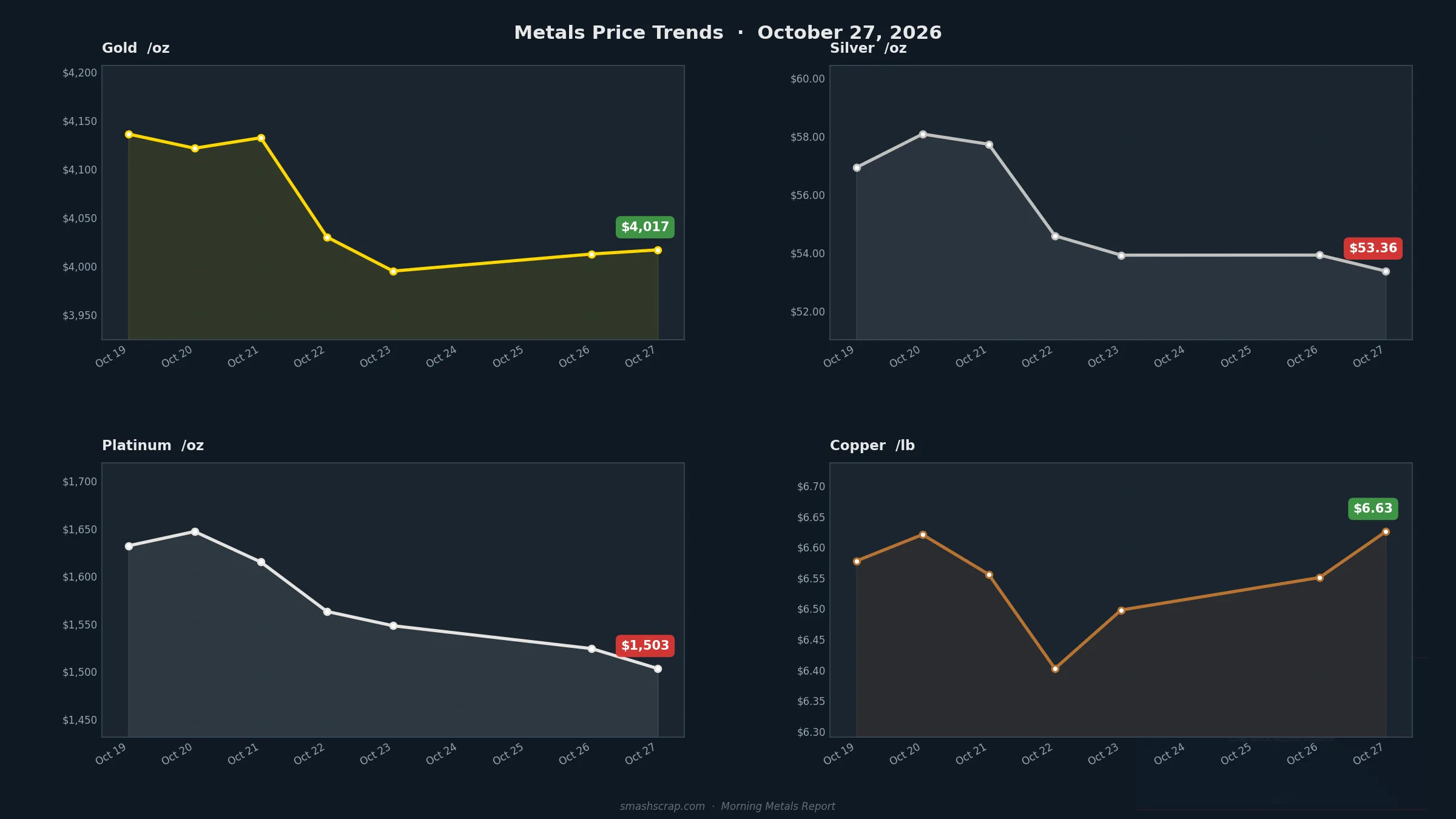
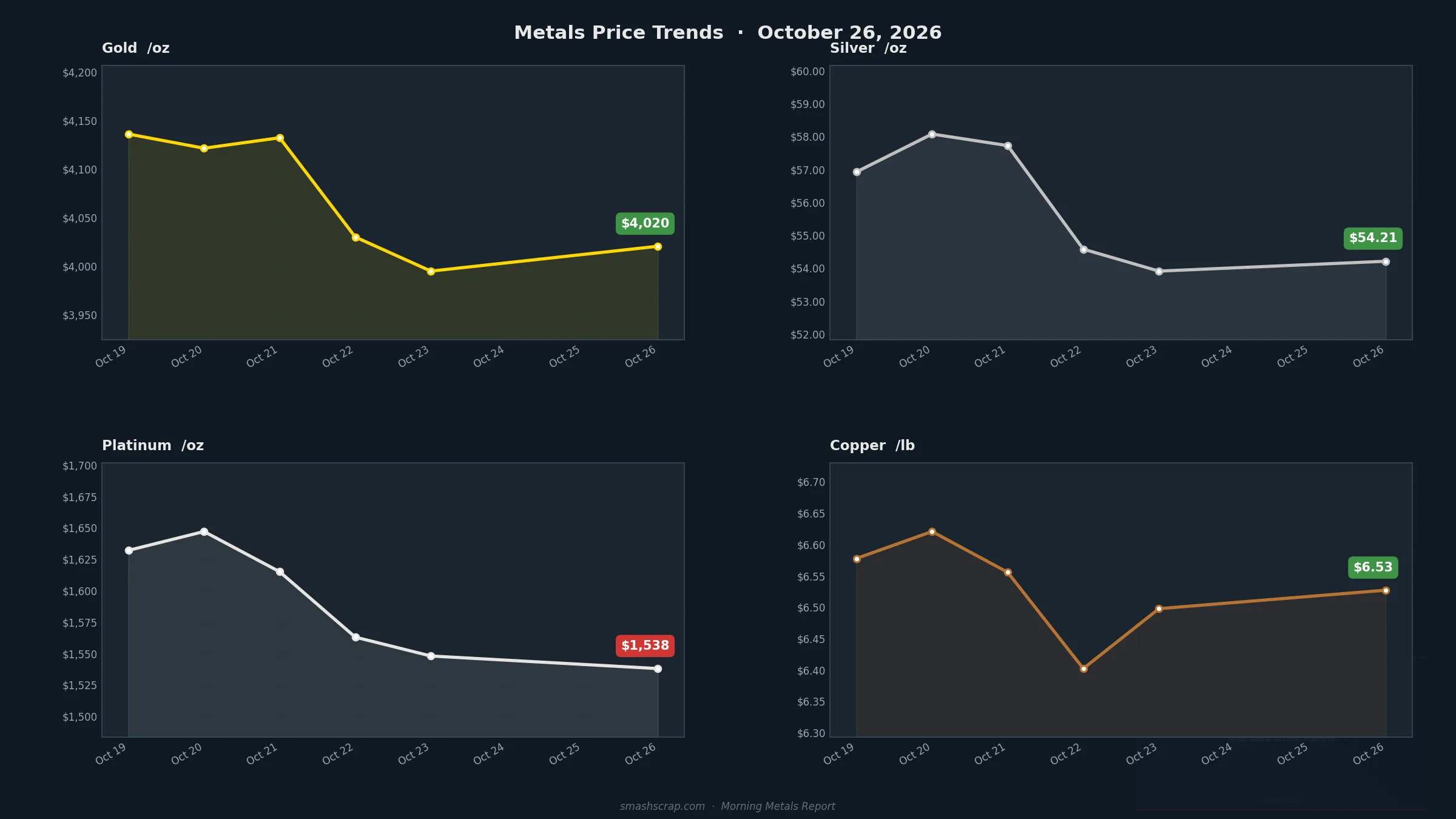
Catalytic converters make this problem acute. Cats carry platinum, palladium, and rhodium — three precious metals with prices that shift daily. The platinum price, palladium price, and rhodium price can swing significantly within a single week. If your buyer quotes you a flat rate and you don't know where spot prices are, you're flying blind. The buyer isn't doing anything illegal. They're just winning the information game.
This isn't unique to Abbotsford or British Columbia. It's a structural issue across Canadian scrap markets. Auto salvage yards in Ontario, recyclers in Alberta, and dismantlers in the Fraser Valley all deal with the same asymmetry. The yard has the material. The buyer has the pricing intel. That gap is where margin disappears.
What Transparent Pricing Actually Means in Practice
Transparent pricing doesn't mean every buyer shows you their spreadsheet. It means the process itself creates price discovery. When multiple vetted buyers compete for your load — whether it's a pallet of cats, a bundle of copper, or a mixed non-ferrous lot — the market tells you what the material is worth. That's not a promise of a higher number every time. It's a mechanism that makes the number honest.
Here's what that looks like in a real workflow:
- Inventory documentation: You photograph and log your cats using serial tracking and photo documentation. Each unit is identified, not just counted.
- Listing goes live: The lot is visible to a pool of vetted buyers — processors and refiners who have been qualified to participate.
- Competitive bidding: Buyers submit offers. They're bidding against each other, not just against your reluctance to walk away.
- Price discovery happens: You see what the market actually values your material at, not what one buyer decided to offer on a Tuesday morning.
- Transaction is documented: Auto-invoicing handles the paperwork. No chasing BOLs. No handwritten packing lists that go missing.
That's the SMASH model. It's not complicated. It's just built differently than the old phone-call system.
Catalytic Converter Recycling Canada: Why Cats Are the Hardest Material to Price Fairly
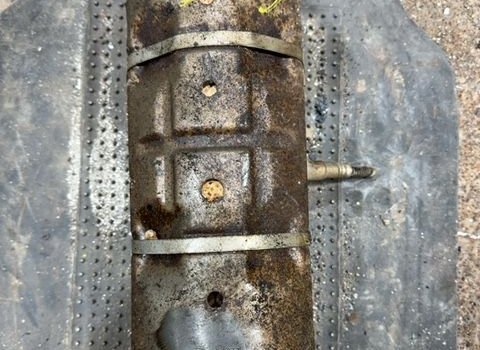
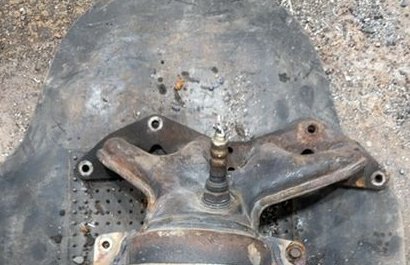
If you're running an auto salvage yard or a recycling operation, you already know that cats are not like shredded steel. Copper scrap prices follow a relatively transparent spot market. Ferrous loads are priced by the ton against published indices. But catalytic converters are opaque by nature — the value lives inside the substrate, tied to platinum, palladium, and rhodium assay results that most sellers never see.
Rhodium price in particular is notoriously volatile. It has traded at extreme highs and crushing lows within the same calendar year. Palladium price follows automotive demand cycles. Platinum price responds to both industrial use and investment flows. A load of cats sitting in your yard right now could be worth meaningfully more or less than the same load three months ago — and your buyer knows this better than you do.
That's exactly why join Canada's B2B scrap marketplace on SMASH Recycling was built for this material category. When buyers compete, the precious metal content gets priced closer to its actual market value. More buyers means better price discovery. That's not a marketing line — it's how competitive markets work.
Automotive recyclers across Canada — including members of the Automotive Recyclers of Canada (ARC) and the Ontario Automotive Recyclers Association (OARA) — have increasingly recognized that documentation and process transparency protect both buyers and sellers. Proper serial tracking on cats isn't just good practice for pricing. It's also part of responsible chain-of-custody documentation that reputable recyclers follow as industry standard.
How Abbotsford Yards Are Rethinking Their Selling Process
Abbotsford is a working scrap town. The Fraser Valley has a dense base of auto recyclers, dismantlers, and salvage operations feeding into the broader British Columbia market. Material moves through here on its way to processors in the Lower Mainland and beyond. The yards are experienced. The volume is real. But the pricing process has historically been the same as everywhere else: call your buyer, take the number, move on.
What's changing is the awareness that the number you take isn't necessarily the number the market would give you. Abbotsford scrap metal services are evolving alongside this shift — more sellers are asking harder questions about how their cats are being priced, and some are finding that the answers don't add up.
The auction format addresses this directly. A yard in Abbotsford listing a load of cats on explore SMASH Recycling's auction platform isn't just getting one buyer's opinion of value. They're getting competitive pressure applied to that material by multiple qualified buyers who want to win the lot. Competition can help reveal the market. That's the shift.
British Columbia's scrap market is mature enough to support this model. The volume is there. The buyer base is there. What was missing was the infrastructure to make competition happen efficiently — and that's exactly what a platform like SMASH provides.
The Documentation Advantage: Why Photo and Serial Tracking Matter Beyond Compliance
Here's something most sellers don't fully appreciate: documented inventory isn't just about paperwork. It's about buyer confidence — and buyer confidence drives higher bids.
When a buyer can see clear photos of a cat lot, verify serial numbers, and assess grade and condition before bidding, they don't need to build in a mystery discount. The unknown is priced into every offer when buyers can't see what they're buying. Remove the unknown, and you remove the discount that came with it.
This is why SMASH's inventory tool and VIN lookup capability matter for sellers beyond just organization. A well-documented lot is a more attractive lot. Buyers competing for a clearly described, photographed, and serialized pallet of cats are bidding on something real — not guessing at something opaque.
Sellers who invest five minutes per unit in documentation often find that the additional effort pays back in bid quality. That's not a guarantee. But it's consistent with how buyers think: less ambiguity, more confidence, stronger offers.
For yards handling high volumes of automotive material — especially those dealing in cats from end-of-life vehicles — this documentation habit also aligns with best practices recommended by industry organizations like ARC and OARA. Proper records protect sellers too, particularly as regulatory attention on precious metal recovery and responsible dismantling continues to increase across Canada.
Sell Catalytic Converters Online: What the B2B Auction Model Gets Right
The ability to sell catalytic converters online through a structured B2B marketplace isn't about convenience for its own sake. It's about access. A yard in Abbotsford that only sells locally is limited to the buyers who show up in that geography. A yard that lists on the SMASH scrap metal auction marketplace is accessing a vetted network of buyers across North America who are actively looking for material.
That access changes the competitive dynamic entirely. Local buyers know they're often the only option. National and regional processors bidding on a listed lot know they're competing. The seller's leverage is completely different.
This is the core value of the B2B scrap metal marketplace model. It's not about technology for its own sake. It's about correcting a market structure that historically favored buyers by giving sellers access to real competition.
No subscription fees. SMASH wins when the seller wins. That alignment matters because it means the platform is built to produce outcomes for sellers, not to charge for access regardless of results.
For more context on how transparent auction markets work in scrap, read the latest from SMASH Recycling — the blog covers pricing dynamics, documentation best practices, and market updates that actually apply to Canadian yards.
Frequently Asked Questions
Q: How does catalytic converter recycling in Canada work through an auction platform?
You document your cats using photo and serial tracking tools, list the lot on the platform, and vetted buyers compete for the material through a structured auction process. Auto-invoicing and documentation are handled within the platform. The competitive format helps ensure price discovery rather than relying on a single buyer's offer.
Q: What metals are inside a catalytic converter, and how do they affect pricing?
Catalytic converters contain platinum, palladium, and rhodium in varying quantities depending on vehicle type and grade. All three are precious metals with prices that fluctuate based on market conditions. Because the value is inside the substrate and requires assay to confirm, pricing through a competitive auction model — with documented inventory — tends to produce more accurate results than single-buyer quotes.
Q: Can automotive recyclers in Abbotsford use SMASH to sell cats?
Yes. SMASH is built for B2B sellers across Canada, including recycling yards and auto dismantlers in Abbotsford and throughout British Columbia. You list your material, buyers compete, and you review offers without being locked into a single buyer relationship.
Q: Are there subscription fees to sell on SMASH?
No. SMASH does not charge subscription fees. The platform model is aligned with seller outcomes — SMASH wins when the seller wins. That structure keeps the platform incentivized to produce real results for the yards using it.
Q: How do metal recycling prices in British Columbia compare to other Canadian markets?
Metal recycling prices across British Columbia generally track national and global commodity benchmarks — the same platinum price, palladium price, and copper scrap prices that drive markets in Ontario, Alberta, and beyond. Local logistics and buyer access can influence net returns. Listing through a B2B auction platform expands that buyer pool and helps yards access competitive pricing regardless of their physical location.
---If you're selling cats, cores, or any non-ferrous material and you're still relying on one phone call and one number, you're leaving the pricing to someone else. The market exists. The buyers are out there. You just need a structure that lets them compete. Join Canada's B2B scrap marketplace on SMASH Recycling — register at smashrecycling.ca and start listing the material you already have.
Stay sharp on scrap metal market trends, pricing dynamics, and platform updates — follow SMASH on LinkedIn for industry insights built for Canadian recyclers.
Disclaimer: Metal recycling prices — including platinum, palladium, rhodium, and copper — fluctuate based on global commodity markets. Always check current rates before making selling decisions.