
Seasonal Canadian Scrap Metal Market Trends Moncton
Winter's Impact on Canadian Scrap Metal Market Dynamics
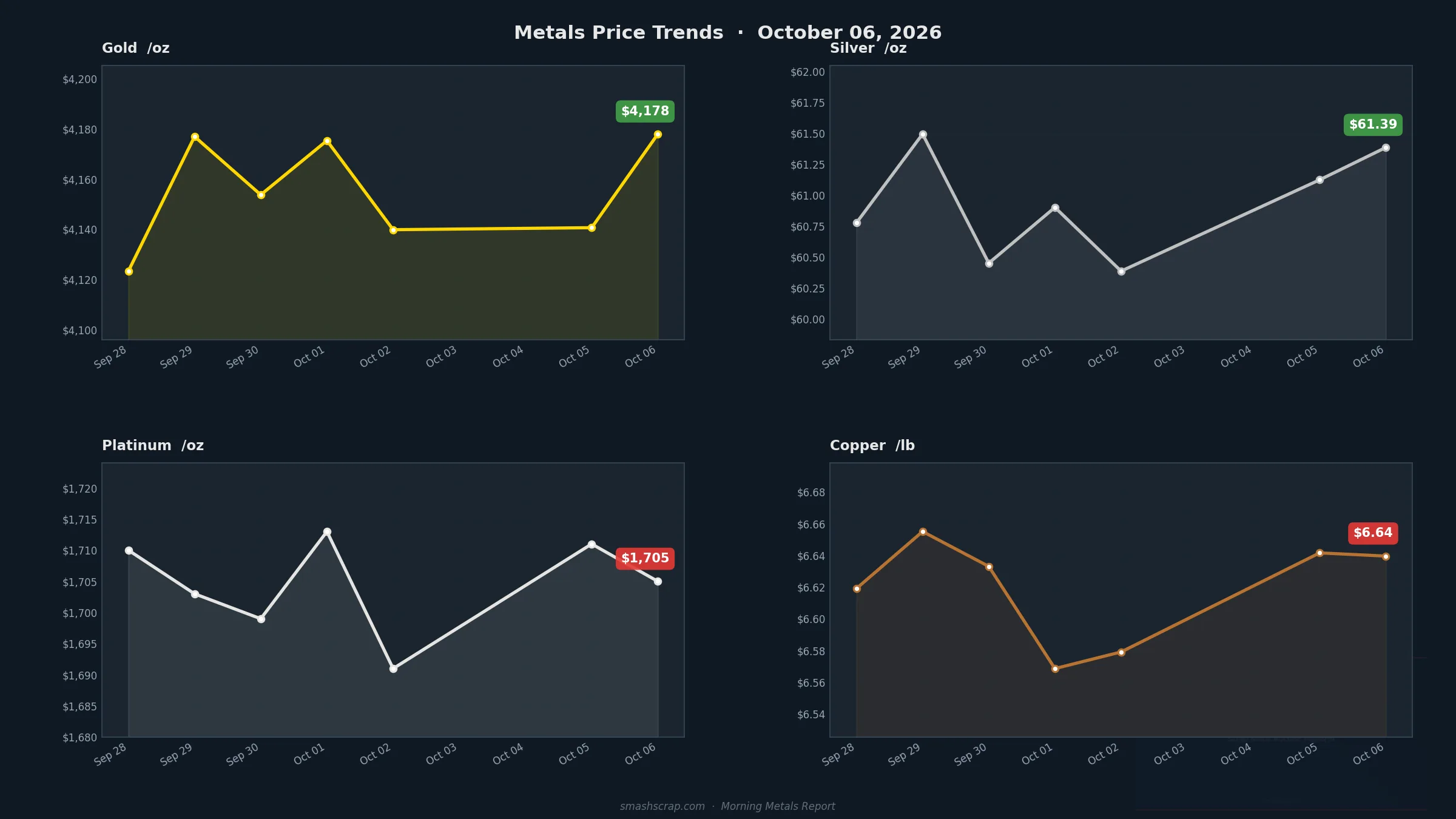
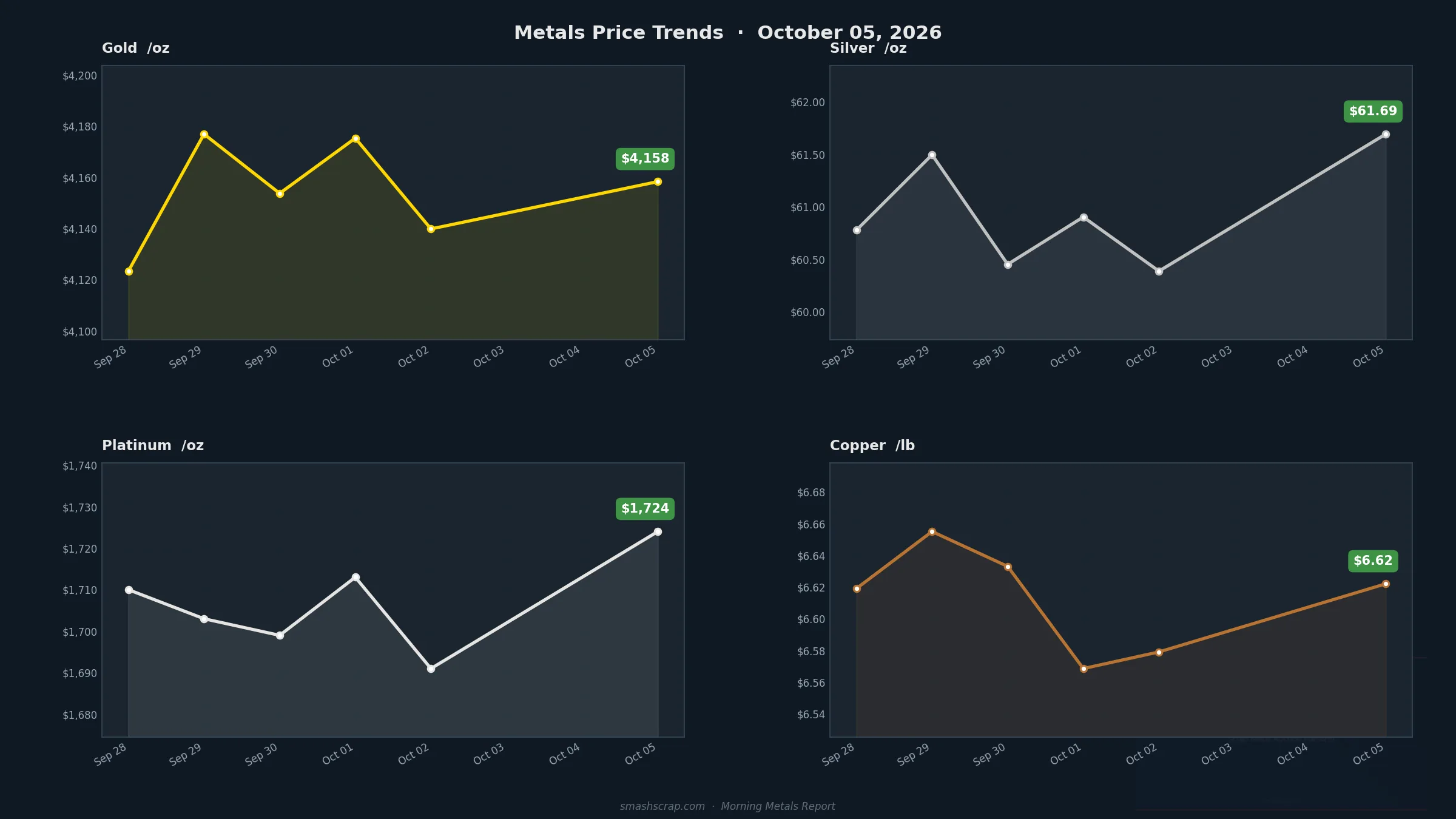
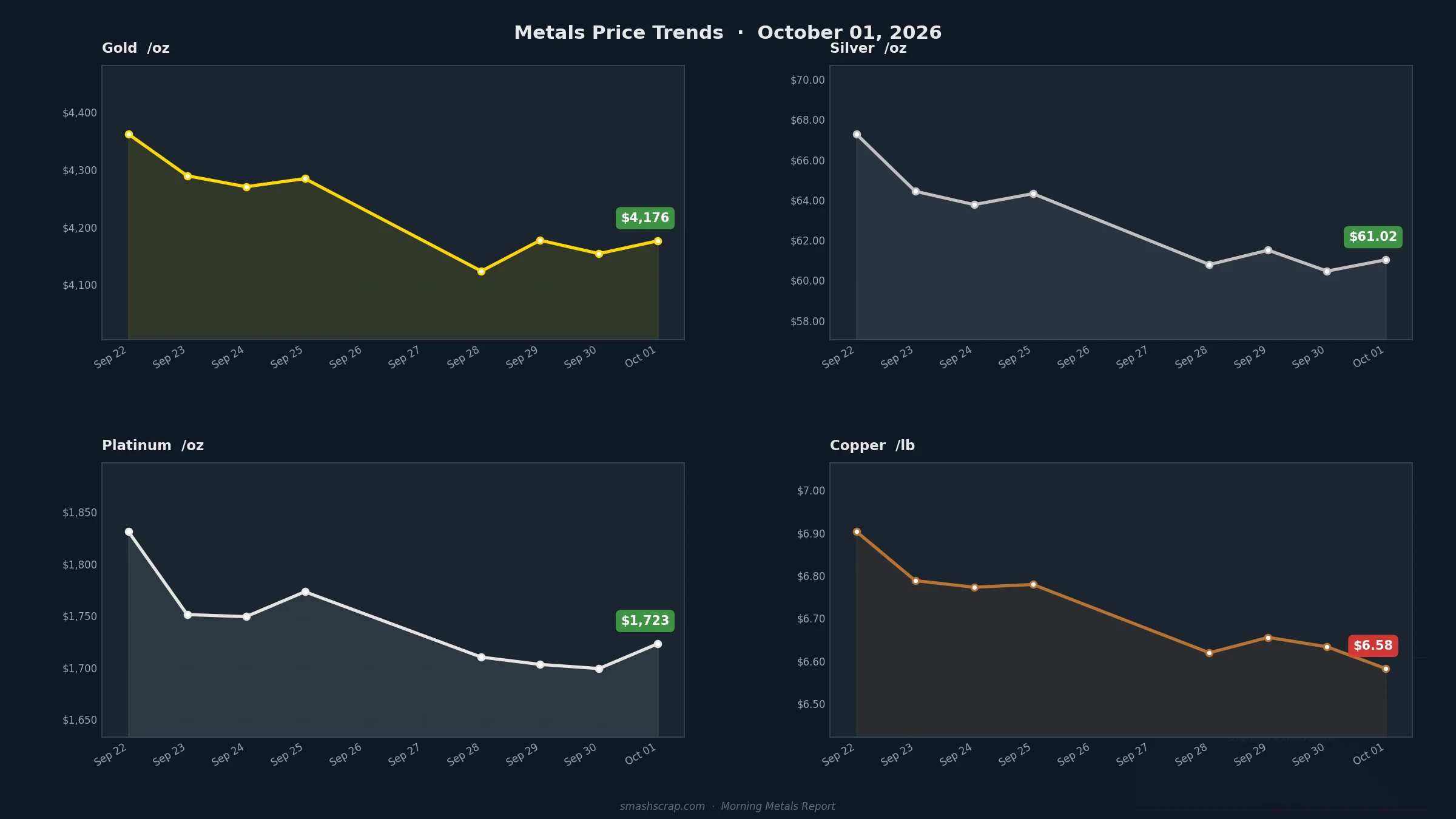
The Canadian scrap metal market experiences dramatic seasonal fluctuations that directly correlate with our harsh winter conditions. From coast to coast, including industrial hubs like Moncton, scrap dealers and recycling yards navigate significant price volatility as temperatures drop and construction activity grinds to a halt.
Winter affects every aspect of scrap metal operations. Transportation costs surge when trucks battle ice-covered highways. Construction sites shut down for months, reducing steel demand. Mining operations scale back in remote locations. These factors create a ripple effect that reshapes pricing across all metal categories, from copper wire to catalytic converters.
Understanding these seasonal patterns helps Canadian recyclers time their sales strategically. Smart operators accumulate inventory during low-demand winter months and release it when spring construction resumes. This approach maximizes returns while supporting steady cash flow through challenging periods.
Construction Shutdowns Drive Steel and Aluminum Price Drops
Canadian construction virtually stops between December and March in most regions. This reality hits steel and aluminum markets hardest, as these metals fuel infrastructure and building projects nationwide.
Steel demand plummets when road construction halts and high-rise projects pause. Rebar sits unused in warehouses. Structural steel orders disappear. New Brunswick's infrastructure projects, including those around Moncton's port facilities, typically suspend operations until spring thaw arrives.
Aluminum faces similar challenges. Siding installation stops. Window frame manufacturing slows. Automotive production often reduces shifts during winter months when consumer car purchases decline. This creates oversupply situations that depress prices across the Canadian scrap metal market.
Recycling yards adapt by offering lower purchase prices during winter months. They know spring will bring renewed demand, but carrying costs mount during storage periods. Smart recyclers use platforms like explore SMASH Recycling's auction platform to connect with buyers nationwide, reducing dependence on local seasonal demand.
Automotive Industry Seasonal Patterns Affect Precious Metal Prices
Winter automotive trends significantly impact precious metal prices found in catalytic converters and electronic components. Canadian car sales traditionally peak in spring and summer, creating predictable demand cycles for platinum, palladium, and rhodium.
Automotive production schedules align with consumer buying patterns. Manufacturers ramp up production in early spring, anticipating summer sales peaks. This increased production drives demand for catalytic converters, which contain substantial amounts of precious metals.
January through March represents the weakest period for automotive precious metal demand. Dealers clear previous year inventory. Production lines operate at reduced capacity. This timing often creates attractive selling opportunities for scrap dealers holding catalytic converter inventory.
E-waste recycling in Moncton and across New Brunswick follows similar patterns. Winter months see increased electronics disposal as consumers upgrade during holiday seasons. However, processing and refining operations may slow due to reduced industrial demand for recovered materials.
Transportation Challenges Drive Regional Price Variations
Canadian winters create substantial transportation challenges that fragment the national scrap metal market into regional pricing zones. Highway closures, weather delays, and increased trucking costs all contribute to price disparities between regions.
Maritime provinces like New Brunswick often experience price isolation during severe weather events. When highways close between Moncton and central Canada, local scrap prices may deviate significantly from national averages. This creates both challenges and opportunities for regional dealers.
Rail transportation becomes increasingly important during winter months. Canadian National and Canadian Pacific maintain more reliable winter service than trucking, but capacity constraints can create bottlenecks. Scrap yards with rail access often maintain more stable pricing throughout winter months.
Digital platforms help overcome these transportation challenges. join Canada's B2B scrap marketplace on SMASH Recycling connects buyers and sellers across regions, allowing price discovery even when physical transportation faces constraints. This connectivity helps stabilize regional markets during challenging weather periods.
Energy Costs and Heating Demand Reshape Copper Markets
Winter heating demands dramatically increase copper consumption across Canada. Furnace installations spike. Electrical heating systems require additional copper wiring. Heat pump installations surge as consumers upgrade heating efficiency.
This seasonal copper demand often counteracts general winter market weakness. While construction copper demand drops, residential heating upgrades maintain steady consumption. HVAC contractors stockpile copper during fall months, anticipating winter installation schedules.
Industrial energy costs also fluctuate seasonally. Natural gas prices typically peak during winter months, affecting smelting and refining operations. These higher processing costs often translate to reduced scrap purchase prices, even when underlying metal demand remains strong.
Copper theft unfortunately increases during winter months as heating costs strain household budgets. This illegal activity disrupts legitimate markets and forces recyclers to implement stricter verification procedures. Legitimate dealers benefit from platforms that provide transparent transaction records and buyer verification.
Strategic Inventory Management for Seasonal Success
Successful Canadian scrap dealers develop sophisticated inventory strategies that account for seasonal price patterns. This requires careful balance between storage costs and anticipated price improvements.
Spring typically brings the strongest scrap metal prices as construction resumes and industrial production increases. Dealers who accumulate inventory during winter months often realize significant profits when demand returns. However, this strategy requires adequate storage space and working capital to carry inventory.
Cash flow management becomes critical during winter months when both purchase and sale volumes decline. Many operations reduce staff or implement temporary layoffs. Others focus on indoor processing activities like catalytic converter disassembly or electronic component recovery.
Modern auction platforms help optimize inventory turnover regardless of season. read the latest from SMASH Recycling provides market insights that help dealers time their inventory decisions. Real-time price discovery reduces guesswork and improves profitability throughout seasonal cycles.
The Canadian scrap metal market will continue experiencing seasonal volatility as long as winters remain harsh and construction activity follows traditional patterns. Successful dealers adapt their operations, inventory strategies, and sales timing to these predictable cycles. Whether you're processing catalytic converters in Moncton or managing a large-scale operation across multiple provinces, understanding seasonal patterns provides competitive advantages. North America's B2B scrap metal auction platform offers the transparency and connectivity needed to navigate these market dynamics successfully.
Frequently Asked Questions
Q: How much do scrap metal prices typically drop during Canadian winters?
Steel and aluminum prices often decline 10-20% during winter months due to reduced construction activity. Copper prices may remain more stable due to heating system demand. Precious metals in catalytic converters follow automotive production cycles rather than weather patterns.
Q: When is the best time to sell scrap metal in Canada?
Spring months (April-June) typically offer the strongest prices as construction activity resumes. However, market timing varies by metal type and regional factors. Monitor current market conditions rather than relying solely on seasonal patterns.
Q: Do transportation costs significantly affect scrap metal prices in Maritime provinces?
Yes, winter weather can increase transportation costs and create regional price variations. New Brunswick dealers may see price isolation during severe weather events, making digital marketplace connections valuable for price discovery.
Q: How do energy costs affect scrap metal processing during winter?
Higher natural gas and electricity costs during winter months increase smelting and processing expenses. These additional costs often translate to lower scrap purchase prices, even when underlying metal demand remains steady.
Q: Should recyclers stockpile inventory during winter months?
Inventory strategy depends on storage capacity, working capital, and market outlook. While spring often brings higher prices, carrying costs and market risks must be considered. Digital auction platforms can help optimize inventory turnover timing.
Join Canada's B2B scrap marketplace — register at smashrecycling.ca to access real-time pricing and connect with buyers nationwide, regardless of seasonal market conditions.
Stay connected with industry developments and market insights by following SMASH on LinkedIn at https://www.linkedin.com/company/scrap-metal-auction-sales-hub for the latest updates on Canadian scrap metal market trends.