Digital Metal Recycling Near Me Hamilton: B2B Platform
Digital Transformation Reshaping Metal Recycling Near Me Hamilton Markets
The B2B scrap trading landscape in Canada is experiencing a revolutionary shift in 2026. Traditional methods of buying and selling scrap metal are giving way to sophisticated digital platforms that connect recyclers across Ontario and beyond. For businesses searching for metal recycling near me Hamilton, this transformation means unprecedented access to competitive pricing, transparent transactions, and streamlined operations that were unimaginable just a few years ago.
Digital auction platforms are becoming the backbone of modern scrap trading. These systems eliminate the guesswork from pricing while providing real-time market data that helps both buyers and sellers make informed decisions. Companies like SMASH Recycling are leading this charge by creating transparent marketplaces where Hamilton-based recyclers can connect with buyers nationwide, ensuring optimal returns for their materials.
The integration of artificial intelligence and machine learning algorithms is particularly impactful for auto recycling Hamilton operations. These technologies can predict market trends, optimize inventory management, and suggest the best timing for selling specific materials. This technological evolution means recyclers no longer need to rely solely on local connections or outdated pricing models.
Real-Time Pricing Revolution for Canadian Scrap Markets
Gone are the days when scrap dealers had to make phone calls to multiple buyers to find the best prices. Modern B2B platforms now provide instant access to current metal recycling prices Ontario wide, with updates happening throughout the trading day. This transparency has fundamentally changed how businesses approach their recycling operations.
The ability to sell scrap metal online has democratized access to national and international buyers. A recycling yard in Hamilton can now compete on the same level as operations in Toronto or Vancouver, accessing the same pool of potential buyers and achieving prices that reflect true market value.
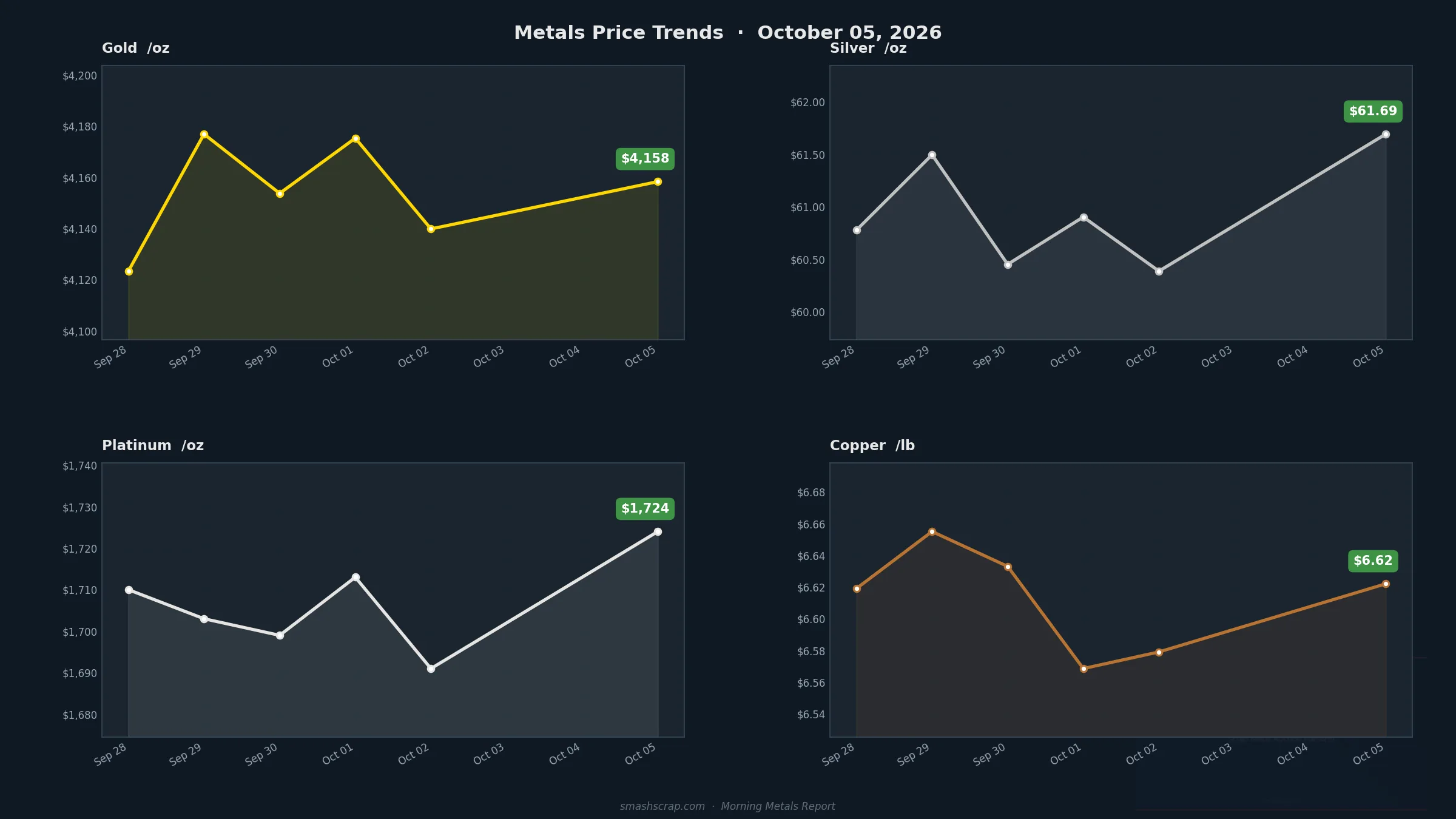
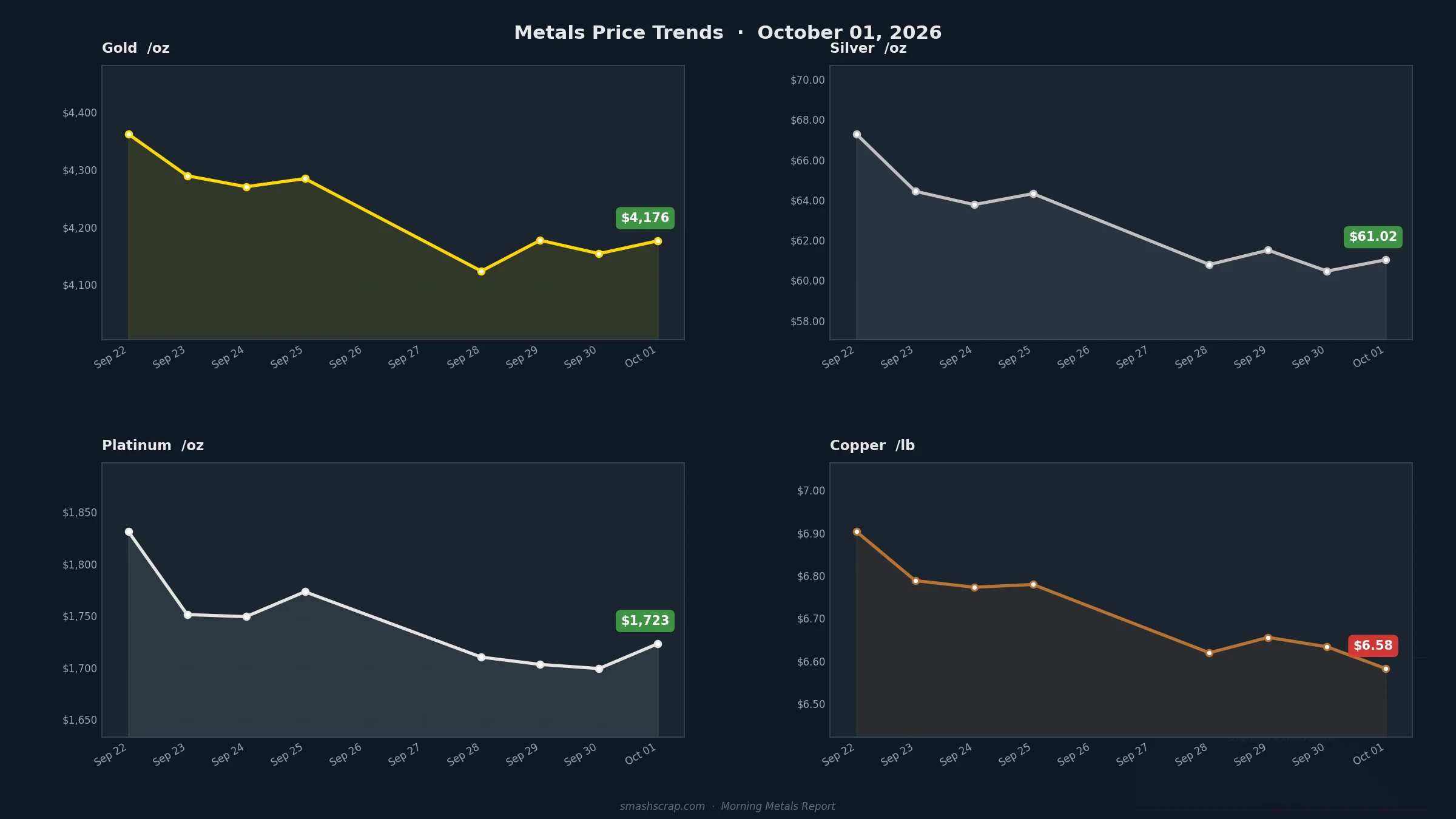
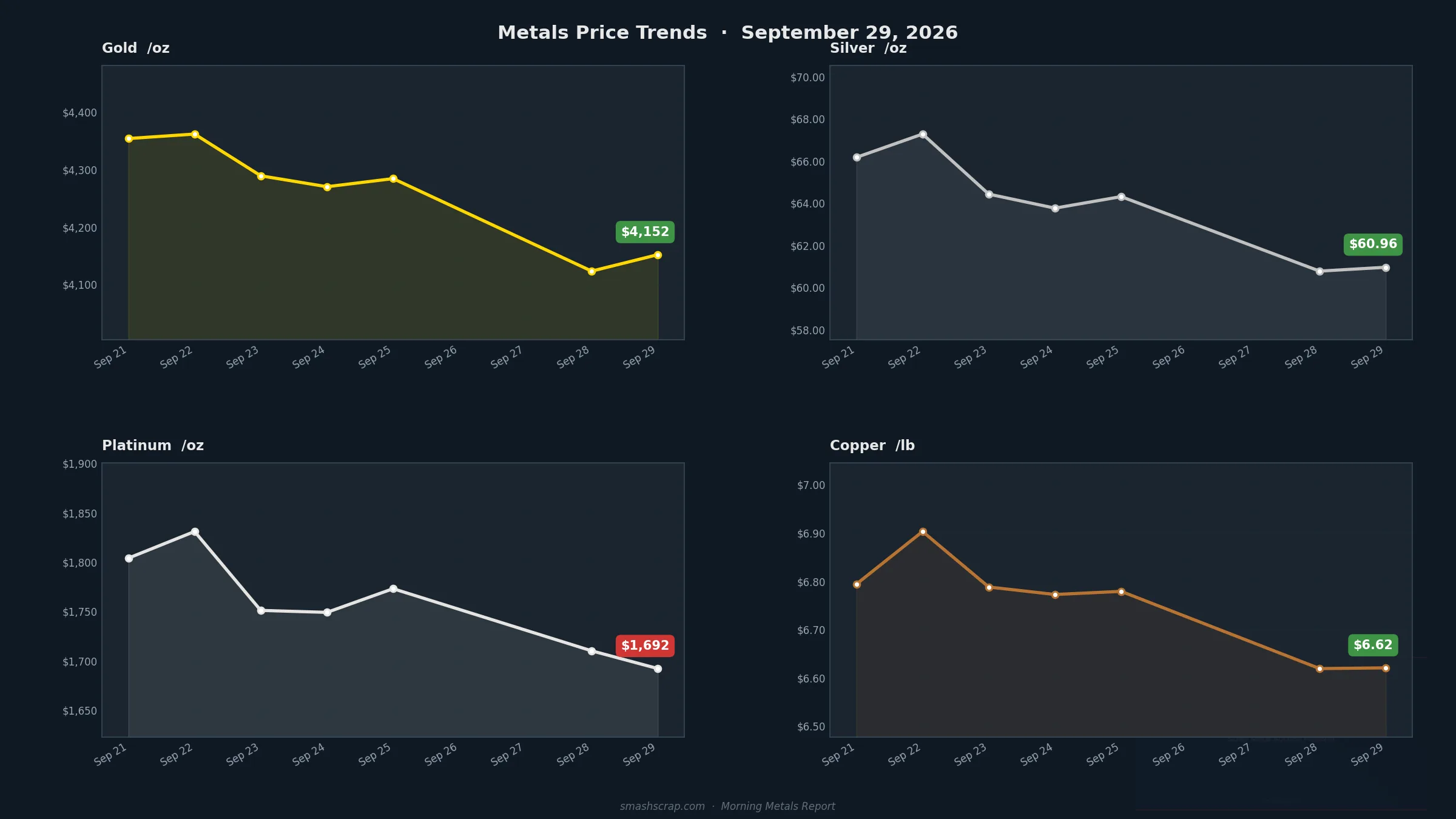
Precious metals pricing has become particularly sophisticated. Platforms now offer real-time updates on catalytic converter values, copper fluctuations, and precious metal spot prices. This granular pricing information allows recyclers to optimize their sorting and processing schedules based on current market conditions.
Advanced Material Identification and Sorting Technologies
The question of where to find copper to recycle is being answered through advanced identification technologies. AI-powered sorting systems can now distinguish between different grades of copper, aluminum alloys, and steel compositions with remarkable accuracy. These systems are becoming standard equipment in larger recycling facilities across Ontario.
Handheld XRF analyzers and smartphone apps connected to material databases help smaller operations identify valuable materials they might have previously overlooked. This technology is particularly valuable for auto recycling operations, where catalytic converters and wiring harnesses contain significant amounts of precious metals.
Smart contracts and blockchain technology are beginning to enter the scrap trading space, providing immutable records of transactions and material provenance. This development addresses long-standing concerns about material authenticity and helps establish trust between trading partners who may never meet in person.
Supply Chain Integration and Logistics Optimization
Modern B2B scrap trading platforms are integrating sophisticated logistics management tools that optimize pickup routes, coordinate shipping schedules, and minimize transportation costs. For Hamilton recyclers, this means more efficient operations and better profit margins on their materials.
The rise of regional material exchanges allows recyclers to coordinate shipments and share transportation costs. When a Hamilton operation has a partial load of copper, they can connect with nearby facilities to consolidate shipments and reduce per-ton shipping expenses.
Inventory management systems now sync with trading platforms, automatically listing materials when they reach optimal quantities for sale. This automation reduces the administrative burden on recycling operations while ensuring they capitalize on favorable market conditions promptly.
Cross-border trading is becoming increasingly streamlined through digital documentation and customs integration. Canadian recyclers can now easily access American markets, and vice versa, expanding their potential buyer base significantly. Platforms like North America's B2B scrap metal auction platform facilitate these international connections.
Environmental Compliance and Sustainability Tracking
The future of B2B scrap trading includes comprehensive environmental impact tracking and regulatory compliance management. Digital platforms now help recyclers maintain detailed records required by Ontario's environmental regulations while demonstrating their sustainability credentials to buyers.
Carbon footprint tracking is becoming a standard feature, allowing recyclers to quantify and communicate the environmental benefits of their operations. This data is increasingly important to corporate buyers who need to meet their own sustainability targets and reporting requirements.
Integration with organizations like the Ontario Automotive Recyclers Association (OARA) and the Automotive Recyclers of Canada (ARC) ensures that best practices and industry standards are maintained across digital trading platforms. These partnerships help maintain the integrity and professionalism of the Canadian recycling industry.
Advanced reporting features help recyclers track their diversion rates, recovery percentages, and environmental impact metrics. This data not only supports regulatory compliance but also provides valuable insights for operational improvements.
The scrap metal prices canada today landscape reflects these technological advances, with more accurate pricing and reduced market volatility as information asymmetries disappear. Recyclers who embrace these digital tools position themselves for success in an increasingly competitive and efficient marketplace.
As we look toward the future, the businesses that thrive will be those that leverage technology to improve their operations while maintaining the personal relationships that have always been important in the recycling industry. Platforms like SMASH Recycling bridge this gap by combining cutting-edge technology with personalized service and local market knowledge.
The transformation of B2B scrap trading in Canada represents an opportunity for recyclers to increase their profitability, reduce their operational complexity, and contribute more effectively to the circular economy. Whether you're processing catalytic converters in Hamilton or managing a large-scale operation across Ontario, embracing these digital tools will be essential for long-term success. Join Canada's B2B scrap marketplace on SMASH Recycling to experience firsthand how technology is reshaping the future of scrap metal trading, and read the latest from SMASH Recycling to stay informed about industry developments and market trends.
Frequently Asked Questions
Q: How do digital scrap trading platforms ensure fair pricing for Hamilton recyclers?
Digital platforms use real-time market data and competitive bidding to establish transparent pricing. Multiple buyers can bid on your materials simultaneously, ensuring you receive the best possible price for your scrap metal rather than relying on a single local quote.
Q: What types of materials can I sell through B2B scrap metal marketplaces in Ontario?
Most platforms accept all standard scrap materials including ferrous metals, non-ferrous metals like copper and aluminum, catalytic converters, and precious metal-bearing materials. Advanced platforms can handle specialty materials and provide detailed grading for optimal pricing.
Q: How do I verify the authenticity of buyers on online scrap trading platforms?
Reputable platforms verify all buyers through business registration checks, financial assessments, and industry references. Look for platforms that provide buyer ratings, transaction histories, and payment guarantees to ensure secure transactions.
Q: Can smaller recycling operations in Hamilton compete with large facilities on digital platforms?
Yes, digital platforms level the playing field by giving all sellers access to the same buyer network and pricing information. Smaller operations often benefit from faster turnaround times and more personalized service, which can be competitive advantages in the marketplace.
Q: What should I expect for payment terms when selling scrap metal online?
Payment terms vary by platform and buyer, but most offer secure payment processing with options ranging from immediate payment upon delivery to standard net-30 terms. Many platforms provide payment protection and dispute resolution services to protect sellers.
*Prices mentioned are subject to market fluctuations. Always check current rates before making trading decisions. Explore SMASH Recycling's auction platform for the most up-to-date pricing information and market insights.*
Follow SMASH Recycling on LinkedIn for the latest industry updates and scrap metal market insights that can help optimize your recycling operations.